
Argentina’s monetary landscape is one of the most complex and fascinating subjects in global macroeconomics. For travelers, expatriates, and international investors, understanding the mechanics of currency in Argentina requires moving beyond the basic identification of the legal tender to comprehending the intricate web of parallel exchange rates, historical volatility, and the role of the U.S. dollar in the local psyche.
The Official Currency: The Argentine Peso
The official currency of Argentina is the Argentine Peso, denoted by the symbol “$” or “ARS.” It was introduced in 1992, replacing the austral, as part of a series of economic reforms intended to stabilize an economy plagued by hyperinflation. Since its inception, the peso has undergone significant fluctuations, mirroring the country’s turbulent economic history.
Denominations and Circulation
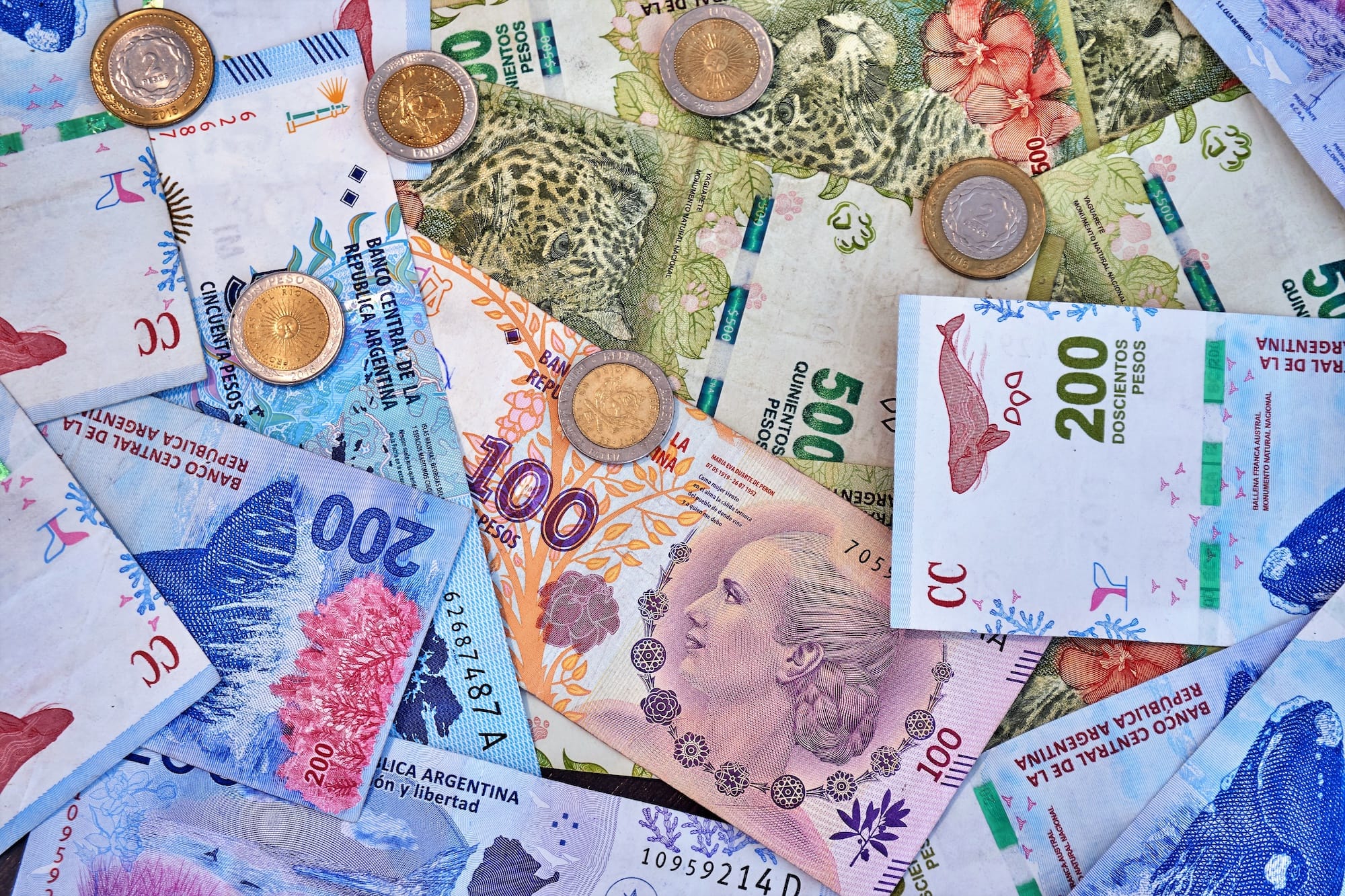
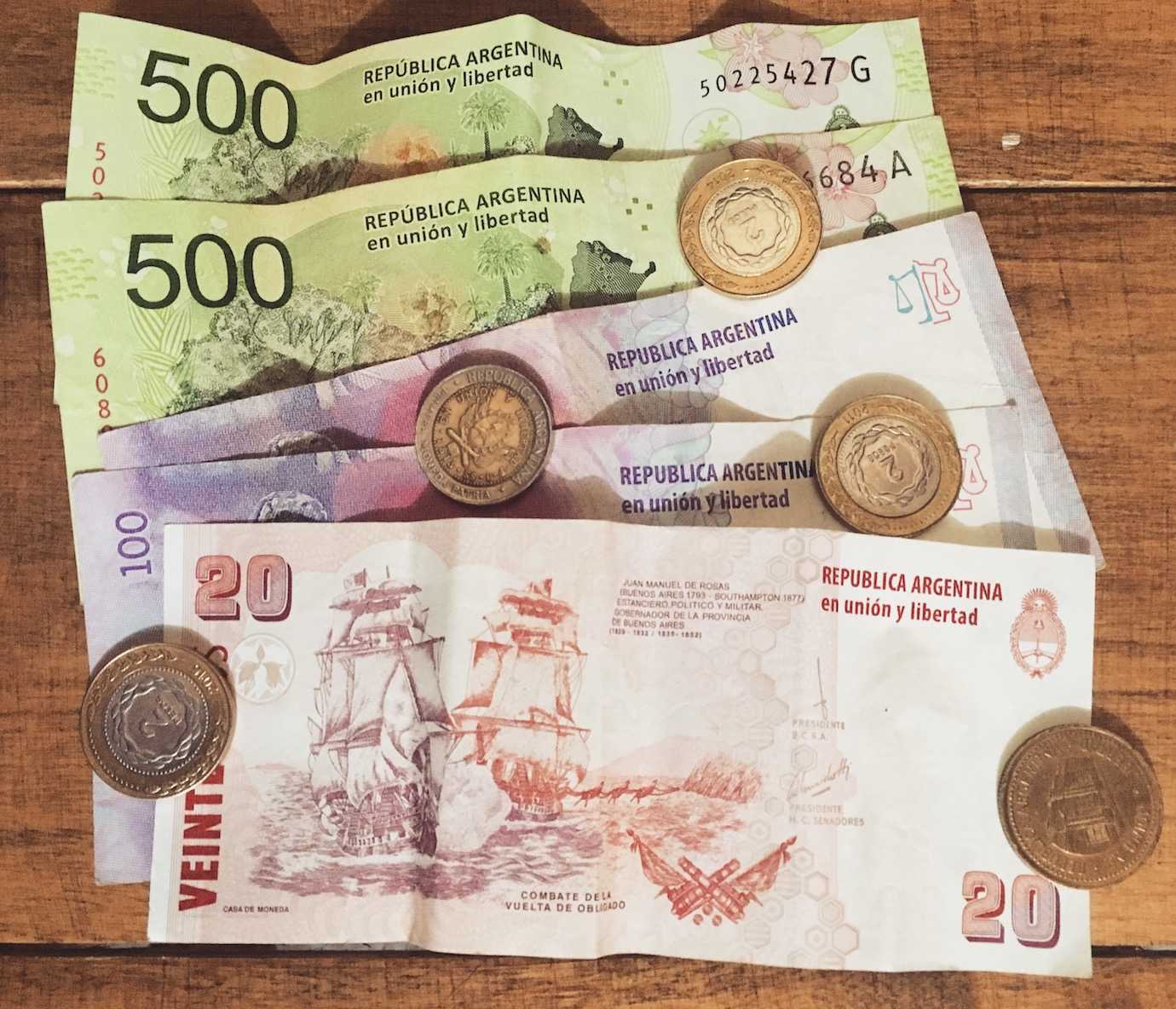
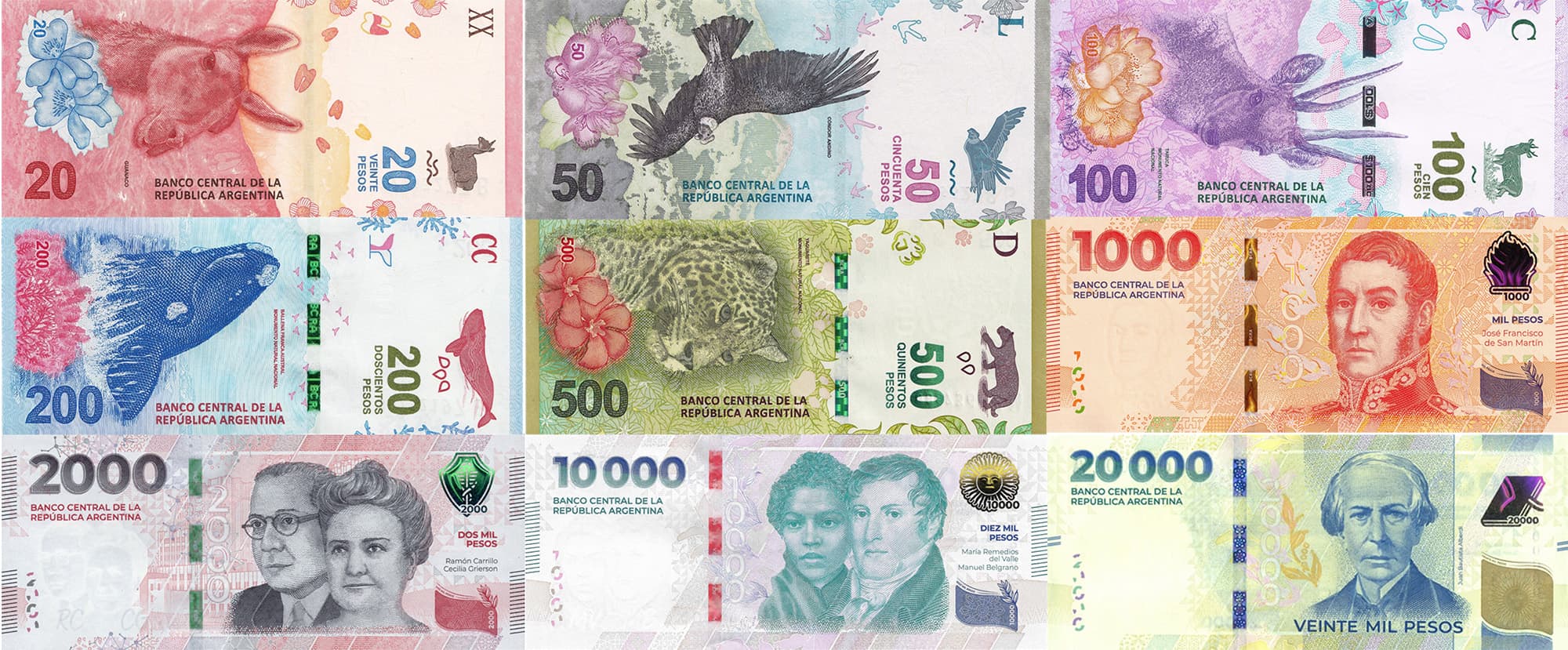
The current peso system utilizes both coins and banknotes. Banknotes are issued by the Central Bank of the Argentine Republic (BCRA). Common denominations include 100, 200, 500, 1,000, and 2,000 pesos, with newer, higher-value notes occasionally introduced to keep pace with the country’s high inflation rates. Coins remain in circulation for smaller transactions, though their purchasing power has diminished significantly over the last decade.
The Role of the Central Bank
The Central Bank of the Argentine Republic acts as the primary monetary authority. Its mission is to maintain the stability of the currency, manage foreign exchange reserves, and oversee the banking system. However, in Argentina, the central bank’s policy is often caught between the necessity of controlling inflation and the government’s need to fund public spending. This tension has historically led to the persistent depreciation of the peso against major world currencies like the U.S. dollar.
The Dual-Currency Reality: The Parallel Market
While the Argentine peso is the only legal tender for official transactions, the U.S. dollar functions as a de facto second currency in the eyes of the public. This phenomenon, known as “bimonetarism,” is a survival mechanism used by citizens to protect their savings against the erosion of value caused by inflation.
Understanding the “Blue Dollar”
In Argentina, the term “dólar blue” refers to the black-market exchange rate for the U.S. dollar. Because the government imposes strict capital controls (known as the cepo cambiario), which limit the amount of foreign currency citizens can purchase legally, a thriving informal market has developed.
The “blue” rate often differs significantly from the official exchange rate set by the government. For those visiting or doing business in Argentina, the blue dollar is frequently the rate at which actual goods and services are valued in the informal sector. It serves as a barometer for public confidence in the national economy; when the gap between the official rate and the blue rate—the “gap” or brecha—widens, it usually signals increased economic uncertainty.
Why Argentines Prefer the Dollar
For decades, Argentina has experienced cycles of high inflation and currency devaluations. As a result, the average Argentine has a deep-seated distrust of the peso as a store of value. Real estate transactions, high-end vehicle sales, and long-term savings are almost exclusively denominated in U.S. dollars. This cultural preference for a stable, foreign currency creates a unique financial environment where the local currency is used for daily consumption, while the dollar is used for wealth preservation.
Navigating Currency Exchange and Payments
For individuals entering the Argentine market, navigating the payment landscape requires awareness of the current regulations. Because the exchange rate system is highly fragmented, the method of payment can significantly alter the cost of goods and services.
Cash vs. Digital Payments
Historically, cash was the undisputed king in Argentina. Carrying stacks of pesos was a necessity for daily life. However, the digital revolution has begun to change this. QR-code payments through local fintech apps have become ubiquitous, even at small kiosks and street vendors.
However, travelers should be aware of the “tourist rate.” Recent government policies have attempted to incentivize the use of foreign credit cards by offering a more favorable exchange rate, closer to the market-determined rates, compared to the official rate. Before making large purchases, it is essential to check whether international credit card providers are currently offering a competitive rate, as this can sometimes be more advantageous than exchanging cash at an informal money house (cuevas).
The Impact of Capital Controls
Capital controls are the government’s primary tool for managing the flight of capital. These controls dictate how companies can repatriate profits, how citizens can buy dollars, and how international funds enter the country. For foreign investors, these rules represent a major hurdle. Navigating the legalities of moving money into and out of Argentina requires specialized financial advice, as the regulations shift frequently. The goal of these controls is to protect the Central Bank’s dwindling foreign currency reserves, but they often result in restricted liquidity and a slowdown in foreign direct investment.
Economic Outlook and Monetary Policy
The question of “what money does Argentina use” is ultimately a question about the country’s broader economic health. The future of the Argentine peso is a subject of intense debate among economists, politicians, and the public.
The Debate Over Dollarization
In recent years, the concept of “dollarization”—abandoning the peso entirely and adopting the U.S. dollar as the official currency—has moved from the fringes of economic theory to the center of national political discourse. Proponents argue that dollarization would immediately kill hyperinflation by removing the government’s ability to print money to finance deficits. By pinning the economy to a stable currency, they believe Argentina could regain credibility in international markets.
Opponents, however, point to the potential loss of monetary sovereignty. Without a central bank capable of managing the money supply, the country would lose its primary tool for responding to external economic shocks. Furthermore, to successfully dollarize, a country must possess enough reserves to exchange all circulating pesos for dollars, a condition that Argentina has struggled to meet.
The Path to Financial Stability
Whether Argentina continues to use the peso, attempts a transition to the dollar, or pursues a basket-of-currencies approach, the core issue remains fiscal discipline. The health of any currency is a reflection of the state that issues it. Achieving long-term stability requires addressing the underlying structural deficits, building trust in local institutions, and creating a predictable legal framework for private enterprise.
For now, the Argentine economy continues to operate on two tracks: the official, highly regulated system and the parallel, market-driven reality. Understanding both is essential for anyone looking to navigate the complex financial terrain of this South American nation. The peso remains the currency of the street and the payroll, but the dollar remains the benchmark of value and the hedge against the future. As the country continues to evolve, its monetary strategy will undoubtedly remain a focal point of global economic analysis, serving as a case study for the challenges of managing a currency in an era of global volatility and domestic reform.
aViewFromTheCave is a participant in the Amazon Services LLC Associates Program, an affiliate advertising program designed to provide a means for sites to earn advertising fees by advertising and linking to Amazon.com. Amazon, the Amazon logo, AmazonSupply, and the AmazonSupply logo are trademarks of Amazon.com, Inc. or its affiliates. As an Amazon Associate we earn affiliate commissions from qualifying purchases.