
When we talk about workspace design, the chair is not merely furniture; it is a critical instrument of brand identity and operational efficiency. In the modern corporate landscape, the selection of an ergonomic chair is a strategic design decision that signals how a company values its human capital. A chair that fails to support the body is more than a physical inconvenience—it is a failure of corporate design language and an ergonomic oversight that bleeds into the productivity and perceived professionalism of the brand.
The Architecture of Purpose: Why Ergonomics is a Design Discipline
Ergonomics is often misunderstood as a medical necessity rather than a core tenet of industrial design. In the context of brand strategy, the physical workspace acts as the “lived experience” of the corporate identity. If a brand positions itself as innovative, efficient, and forward-thinking, yet forces its employees to sit in rigid, non-adaptive furniture, there is a fundamental disconnect in the brand narrative.

True ergonomic design is rooted in the philosophy of human-centered engineering. It is the practice of shaping the environment to fit the user, rather than forcing the user to conform to the limitations of the environment. From a design standpoint, an ergonomic chair must act as an extension of the musculoskeletal system. When an office chair is correctly designed, it ceases to be a distraction and becomes an invisible support system that allows the occupant to focus entirely on their output. This is the hallmark of sophisticated industrial design: the seamless integration of form and function.
The Kinetic Spine: Mechanics and Structural Integrity
The hallmark of an ergonomic chair is its ability to facilitate “active sitting.” The human body was not designed to remain static for eight hours a day. Therefore, a chair that locks the body into a single position is inherently flawed.
Dynamic Lumbar Support
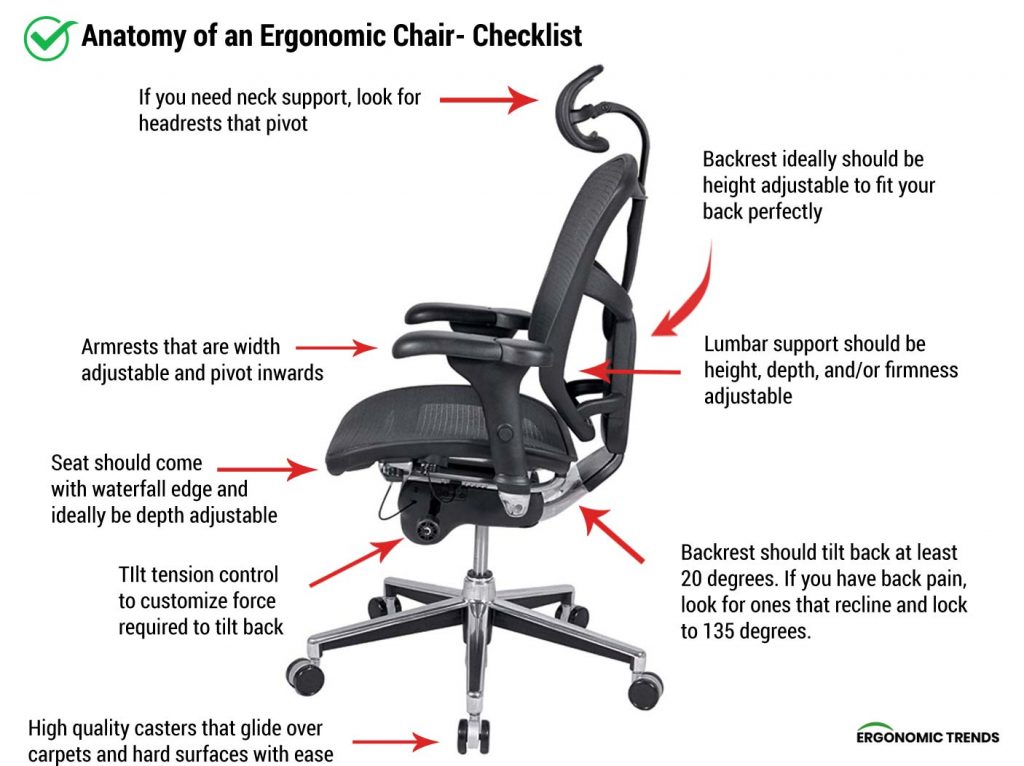
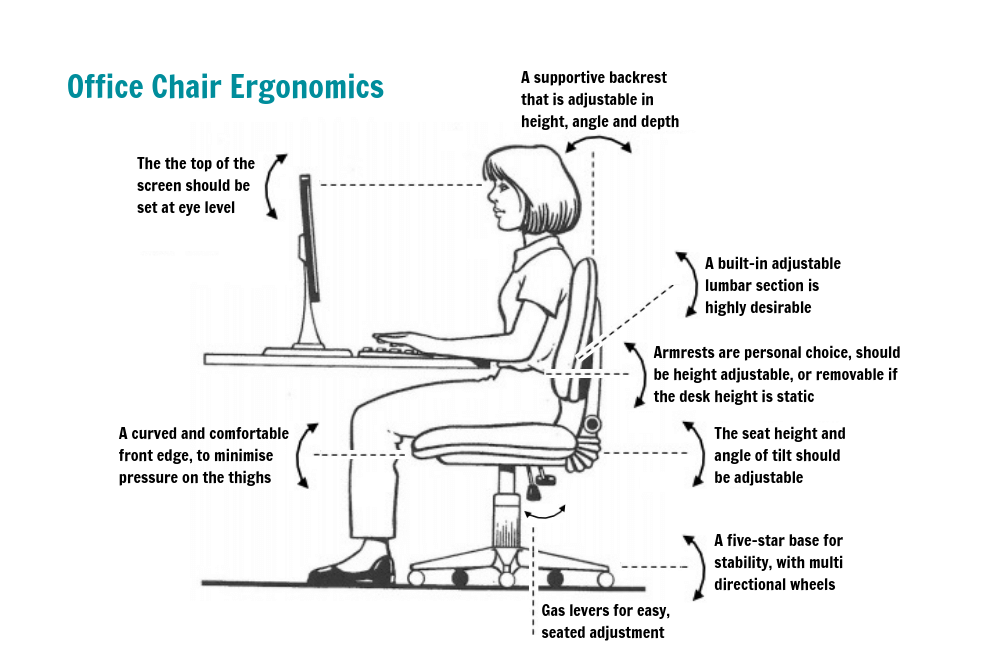
The lumbar region is the epicenter of spinal health. An ergonomic chair must feature adjustable lumbar support that maintains the natural inward curve of the lower back. In terms of product design, this is not a one-size-fits-all metric. Effective lumbar systems must be depth-adjustable and height-sensitive. From a brand perspective, investing in chairs with this level of detail demonstrates a commitment to employee longevity. It suggests that the organization understands the biomechanics of its team and prioritizes their well-being as a component of the corporate culture.
The Pelvic Cradle and Seat Pan
The seat pan is the foundation of the ergonomic experience. A poorly designed seat pan compresses the thighs and restricts blood flow, leading to fatigue and decreased cognitive performance. High-end ergonomic design utilizes a “waterfall” edge—a subtle downward slope at the front of the seat that reduces pressure on the back of the knees. Furthermore, seat depth adjustment is essential. A user should be able to slide the seat forward or backward to ensure that their back is fully supported by the backrest while leaving a two-inch gap between the back of the knees and the seat edge. This level of customization ensures that the chair serves the individual, reinforcing the brand’s commitment to personalized, high-quality environments.
Visual Language and the Aesthetics of Performance
While the primary function of an ergonomic chair is physiological support, its secondary function is aesthetic communication. A chair is a significant visual element within a workspace. Its materials, silhouette, and finish tell a story about the organization.
Materiality and Breathability
The choice of upholstery is a statement of design intent. High-performance mesh, for instance, has become the industry standard for ergonomic chairs because of its ability to distribute weight evenly and dissipate heat. From a design strategy perspective, the transparency of mesh can make a room feel more open and light, whereas high-quality, breathable textiles provide a sense of luxury and warmth. The selection process should align with the brand’s visual identity—tech-forward firms often lean into technical polymers and cooling fabrics, while luxury consulting firms might opt for refined, sustainably sourced leathers that age with grace.
The Mechanism of Movement
The “recline” mechanism is the most complex component of an ergonomic chair. It is here that design meets engineering. An effective chair should provide “synchro-tilt” functionality, where the seat and backrest recline in a coordinated ratio. This maintains the user’s line of sight with their monitor while ensuring that their feet remain firmly planted on the floor. When a user experiences a chair that moves fluidly with them, it reflects positively on the brand. It signals a company that understands the necessity of flow and adaptability. It creates an environment where the physical tools of the trade are as agile as the business strategies being executed within those walls.
Strategic Investment: The ROI of Ergonomic Design
Treating chairs as a low-cost commodity is a significant error in corporate finance and brand positioning. An ergonomic chair is a long-term capital investment. When a firm chooses mass-market, “off-the-shelf” office furniture, it signals to employees—and to visiting clients—that the company views its staff as disposable units of production rather than assets to be cultivated.
The Cost of Discomfort
Poor ergonomics leads to chronic discomfort, which is a silent killer of productivity. When an employee is distracted by back pain or leg numbness, their ability to perform high-level cognitive tasks is compromised. From a brand equity standpoint, a workspace filled with high-quality, ergonomic furniture serves as an implicit message of respect. It validates the professional status of the staff. Employees who feel physically supported are more likely to exhibit higher levels of job satisfaction and loyalty. The chair becomes a silent ambassador for the company’s internal values.
Sustainability as a Brand Pillar
Modern ergonomic design increasingly integrates sustainability. Leading brands in this space are now utilizing recycled ocean plastics, modular components that are easily replaceable rather than disposable, and carbon-neutral manufacturing processes. By selecting chairs from these designers, a company aligns its physical workspace with its broader corporate social responsibility (CSR) goals. This creates a cohesive narrative: the brand is not only caring for the health of its employees but also contributing to the health of the planet. This level of brand alignment is increasingly important in attracting top-tier talent who prioritize ethical consumption and work environments that reflect their personal values.
Conclusion: Crafting the Future of Work
The “ergonomic” label is not merely a marketing buzzword; it is a rigorous standard of design and utility. For a brand, the ergonomic chair is a foundational element of the work experience. It bridges the gap between biological necessity and professional identity.
To create a truly ergonomic workspace, one must look beyond the surface level of aesthetic trends. It requires an understanding of how the body interacts with technology and how that interaction influences output. By investing in chairs that offer dynamic lumbar support, adjustable seat depth, and sophisticated synchronization mechanisms, a company elevates its workspace into a tool for success.
Ultimately, the choice of chair is a choice of philosophy. It defines the company’s commitment to its people and its respect for the work they perform. In an era where the boundary between the digital and physical workplace is increasingly blurred, the chair remains the most important physical touchpoint of the employee experience. When design, ergonomics, and brand strategy converge, the result is more than just a place to sit—it is a platform for sustained, high-level performance.
aViewFromTheCave is a participant in the Amazon Services LLC Associates Program, an affiliate advertising program designed to provide a means for sites to earn advertising fees by advertising and linking to Amazon.com. Amazon, the Amazon logo, AmazonSupply, and the AmazonSupply logo are trademarks of Amazon.com, Inc. or its affiliates. As an Amazon Associate we earn affiliate commissions from qualifying purchases.