
In the contemporary landscape of global commerce, understanding the linguistic tapestry of a target market is not merely a matter of cultural curiosity; it is a fundamental pillar of brand strategy. For companies looking to establish a footprint in England, the assumption that English is the singular, monolithic language of the marketplace is a strategic oversight. England acts as a cosmopolitan hub where linguistic diversity serves as a barometer for demographic shifts, purchasing power, and regional brand resonance. By analyzing the linguistic landscape, brands can tailor their messaging, segment their audiences more effectively, and build deeper, more authentic connections with consumers.
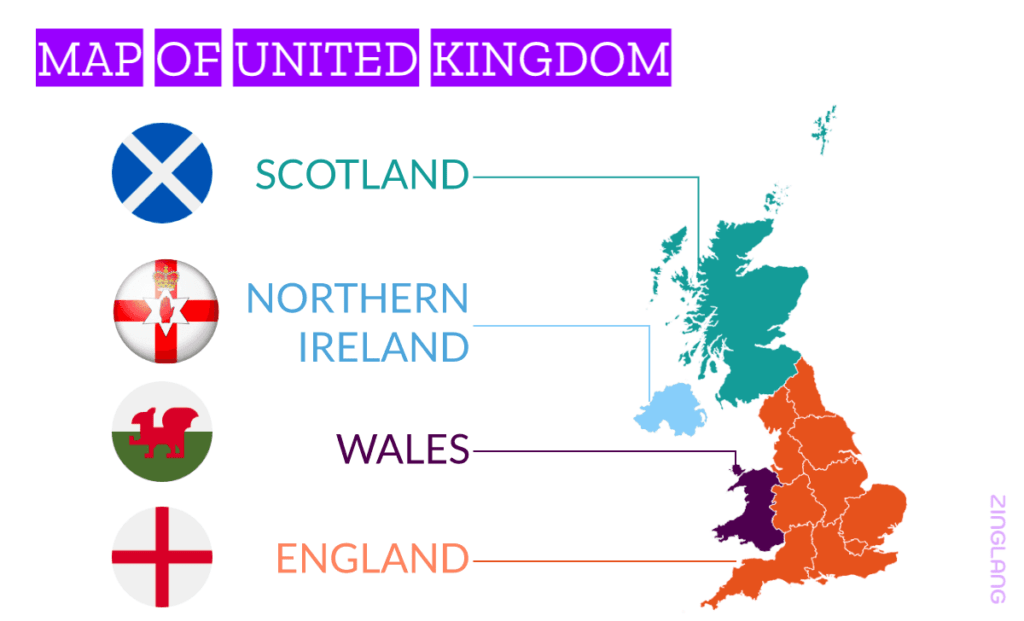
The Dominance of English: The Foundation of Corporate Communication
English serves as the primary linguistic infrastructure for business, government, and media in England. However, from a branding perspective, relying solely on standard English can be limiting. The English language, as spoken in England, is characterized by its remarkable regional diversity.
Dialectical Nuance and Brand Localization
A brand that ignores the distinction between “Received Pronunciation” and regional dialects—such as Scouse, Geordie, or Brummie—risks appearing detached or out of touch. Strategic marketing requires a localized approach. A campaign that resonates in London may feel alienating in Newcastle. Successful corporate identity management involves auditing how the English language is used in specific regions to ensure that the “voice” of the brand aligns with the local vernacular. Authenticity in advertising often stems from the subtle calibration of tone, slang, and cultural references that reflect the specific dialect of the intended audience.
Inclusive Language as a Marketing Tool
Beyond regionality, the “corporate English” used in marketing communications must be inclusive. In an era where brand purpose is scrutinized, the vocabulary used in digital presence and customer relations must be accessible. The strategic use of plain English, devoid of unnecessary jargon, facilitates broader market penetration. For brands, this means drafting content that is culturally sensitive and linguistically accessible, ensuring that the message is not lost in the high-context nuances of elite dialects, but is instead clearly understood by a diverse demographic.
The Role of Immigrant Languages in Market Segmentation
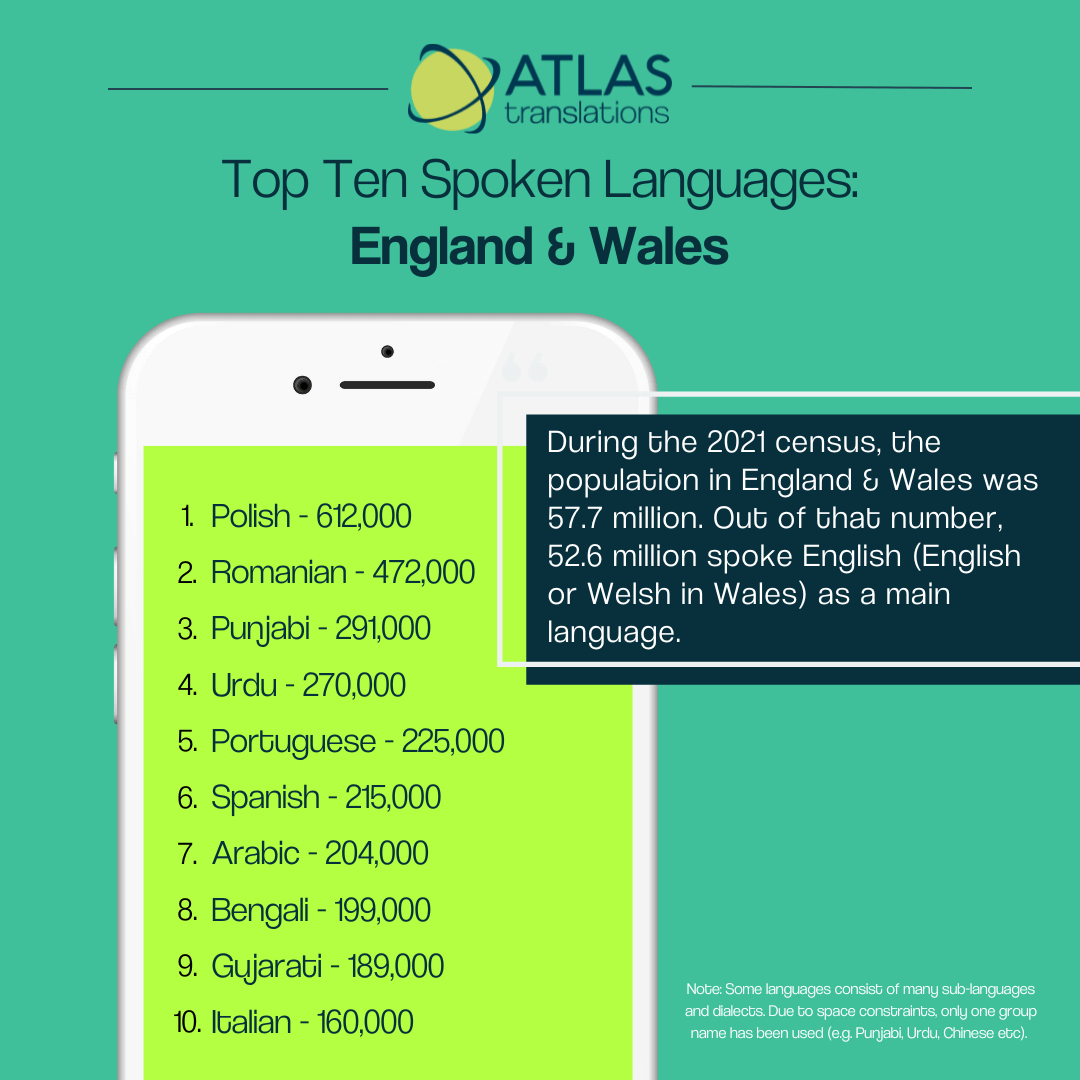
England is a polyglot nation, home to vast communities of speakers of South Asian, European, and African languages. According to the most recent census data, Polish, Panjabi, Urdu, Bengali, and Gujarati represent some of the most widely spoken non-English languages in the country. For brands, this represents a significant opportunity for hyper-targeted marketing.
Tapping into Niche Cultural Markets
Marketing teams often default to national-level campaigns, but ignoring the prevalence of community languages is a missed opportunity for market segmentation. Consider the retail sector: brands that offer customer support, product labeling, or digital interfaces in languages like Panjabi or Bengali can gain a significant competitive advantage by fostering trust within these specific communities. This is not just about translation; it is about localization and cultural alignment.
Building Brand Loyalty through Linguistic Recognition
When a brand recognizes the heritage language of its consumers, it signals respect and inclusivity. This increases brand equity within that demographic. For instance, a financial services company offering resources in languages common in the Greater London area or the West Midlands demonstrates a commitment to accessibility. By investing in multi-lingual customer journeys, brands can transform a standard transactional relationship into a long-term, values-driven partnership. This strategy is essential for companies aiming to build a brand identity that reflects the modern, multicultural reality of England.
The Digital Language Strategy: SEO and Multilingual UX
In the digital age, a brand’s website is its most important retail outlet. When designing for the English market, the technical architecture of your brand’s digital presence must account for the linguistic diversity of the population.
SEO Implications for Multilingual Search
Search engine optimization (SEO) is heavily influenced by the language used by the consumer. While English remains the primary search language, many bilingual residents in England perform search queries in their native languages to find localized services, community-specific news, or culturally relevant products. Brands that incorporate secondary-language keyword research into their SEO strategies can capture high-intent traffic that competitors are ignoring. This is a blue-ocean strategy for digital marketers: identifying search volume for products or services in languages like Polish or Urdu within specific English postcodes can lead to a significant increase in organic acquisition.
Enhancing User Experience (UX) through Language Options
A brand’s digital identity is solidified by the user experience it provides. If a significant percentage of a brand’s target market in England uses a language other than English as their primary mode of communication, failing to provide a multilingual option on a website creates unnecessary friction. Modern UX design must prioritize accessibility. Providing a togglable language interface for the most prominent immigrant languages in a brand’s specific operational region is a sign of a sophisticated, consumer-centric brand strategy. It reduces bounce rates and improves conversion, as consumers are significantly more likely to complete a purchase when the checkout process and product information are available in their preferred language.
Navigating the Future: Linguistic Trends and Corporate Responsibility
The linguistic landscape of England is not static; it is constantly evolving due to migration patterns, globalization, and the influence of digital communication. Brands that want to remain relevant must view linguistic diversity as a strategic asset to be managed, not a barrier to be overcome.
Corporate Strategy and Linguistic Inclusion
As England continues to diversify, corporate policy must shift. This involves hiring practices that value multilingualism, internal communication strategies that accommodate non-native English speakers, and marketing frameworks that embrace cultural diversity. A brand that prides itself on being a leader in the English market must have a linguistic strategy that mirrors the country’s demographics. This is about more than just translation; it is about building a corporate culture that reflects the complexity and richness of the society in which it operates.

The Competitive Advantage of Cultural Competency
Ultimately, the most successful brands in England will be those that master the balance between the dominant English culture and the thriving sub-cultures defined by linguistic diversity. This requires a profound level of cultural competency. Companies that conduct rigorous research into the linguistic needs of their specific customer base can identify gaps in the market that competitors are failing to address. By aligning linguistic strategy with broader brand values—such as empathy, accessibility, and community integration—firms can carve out a unique position in an increasingly crowded marketplace.
To conclude, the question of what languages are spoken in England is a foundational inquiry for any strategic brand planner. England is a mosaic of linguistic identities, each offering a distinct pathway to engagement. By strategically acknowledging this diversity through optimized digital assets, inclusive marketing communications, and localized brand messaging, companies can move beyond the surface level of market entry and establish deep-seated, enduring relationships with the diverse populace of England. The brands that win will be those that realize that language is not just a tool for communication, but the essential vehicle for building brand trust in a multi-faceted society.
aViewFromTheCave is a participant in the Amazon Services LLC Associates Program, an affiliate advertising program designed to provide a means for sites to earn advertising fees by advertising and linking to Amazon.com. Amazon, the Amazon logo, AmazonSupply, and the AmazonSupply logo are trademarks of Amazon.com, Inc. or its affiliates. As an Amazon Associate we earn affiliate commissions from qualifying purchases.