
The familiar ache that creeps in after a particularly strenuous workout is a common experience for many. This post-exercise muscle soreness, scientifically known as Delayed Onset Muscle Soreness (DOMS), is a signal from your body that it has been challenged. While often associated with the sign of a “good” workout, the precise mechanisms behind DOMS have evolved from simplistic notions to more nuanced understandings, touching upon the intricate biological processes within our muscles.
The intensity and type of exercise play a significant role in triggering this soreness. High-impact activities, eccentric muscle contractions (where the muscle lengthens under tension, like the lowering phase of a bicep curl), and new or significantly increased training loads are particularly potent stimuli. For individuals new to exercise, or those returning after a hiatus, even moderate exertion can lead to pronounced DOMS.
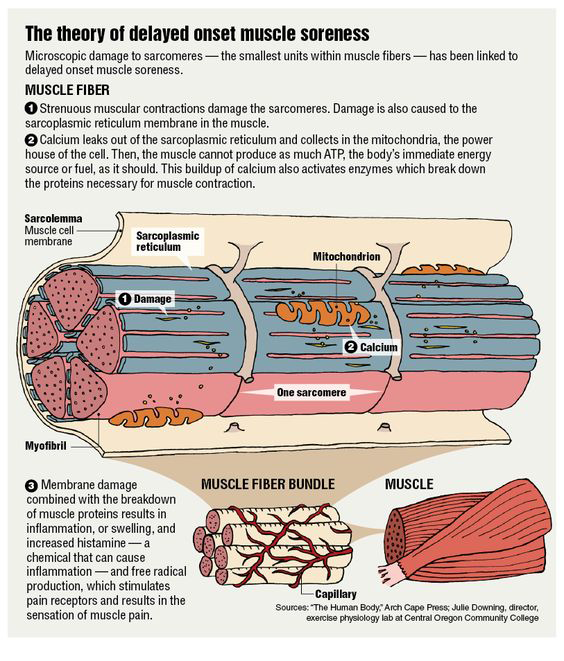
The Microscopic Landscape of Muscle Soreness
At its core, muscle soreness is a consequence of microscopic damage occurring within muscle fibers. When muscles are subjected to novel or intense demands, tiny tears, or microtractions, can form in the muscle tissue. This damage isn’t necessarily indicative of harm; rather, it’s a natural and crucial part of the adaptation process.
The Inflammatory Response: A Healing Cascade
Following these microtractions, a complex inflammatory response is initiated. This is your body’s natural defense and repair mechanism kicking in. Immune cells are dispatched to the site of damage, where they begin to clear away cellular debris and initiate the rebuilding process. This inflammatory cascade is characterized by the release of various chemical mediators, such as prostaglandins and cytokines, which contribute to the sensation of pain and tenderness.
These inflammatory chemicals can sensitize nerve endings in the muscle, making them more responsive to stimuli. Furthermore, the accumulation of fluid and swelling within the muscle tissue (edema) can put pressure on these sensitized nerves, exacerbating the feeling of soreness and stiffness.
Metabolic Byproducts: A Historical Perspective
For a long time, lactic acid was considered the primary culprit behind muscle soreness. It was believed that during intense exercise, when oxygen supply to muscles is limited, lactic acid accumulates and causes that burning sensation during the workout and the subsequent soreness. While lactic acid does play a role in the immediate discomfort felt during exercise (often referred to as the “burn”), current scientific consensus suggests it’s not the main driver of DOMS.
Lactic acid is a byproduct of anaerobic glycolysis, a metabolic pathway used to produce energy quickly. However, lactic acid is metabolized relatively quickly by the body after exercise ceases. The microtractions and the subsequent inflammatory response are now understood to be the more significant contributors to the soreness experienced hours or days later.
Factors Influencing the Intensity and Duration of Soreness
Several elements can influence how intensely you experience DOMS and how long it lasts. Understanding these factors can help individuals manage their recovery and optimize their training progression.
The Novelty Factor: Pushing New Boundaries
One of the most consistent predictors of DOMS is the introduction of new exercises or training modalities. When your muscles are exposed to movements they haven’t performed before, or at an increased intensity or volume, they lack the specific adaptations to handle the load efficiently. This lack of preparedness makes them more susceptible to microtractions.
For instance, a seasoned runner who suddenly takes up weightlifting will likely experience significant DOMS in their upper body. Conversely, a weightlifter starting a new running program might find their leg muscles considerably sore. This “novelty effect” is a powerful driver of muscle adaptation. Each time you challenge your muscles in a new way, they are forced to rebuild themselves to be stronger and more resilient for the next encounter.
Eccentric Contractions: The Lengthening Culprit
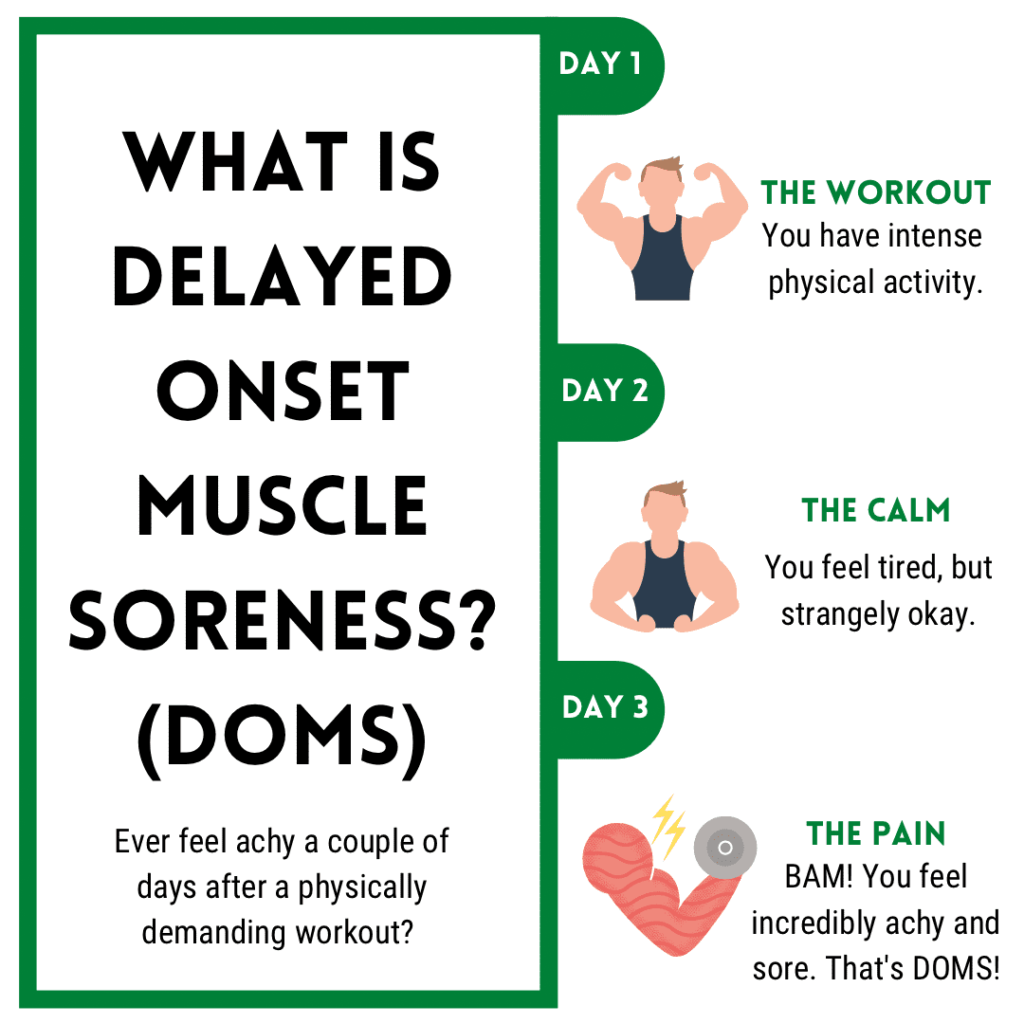
As mentioned earlier, eccentric muscle contractions are particularly notorious for inducing DOMS. These are the controlled lowering phases of movements. Think about the downward motion of a squat, the lowering of a dumbbell during a bicep curl, or the landing phase of jumping. During these actions, the muscle is lengthening while under tension, which places greater mechanical stress on the muscle fibers.
This increased mechanical stress can lead to more significant microtractions compared to concentric (shortening) or isometric (static) contractions. This is why exercises that heavily emphasize eccentric phases, such as plyometrics or the downhill running in a marathon, are often associated with more pronounced muscle soreness.
Training Volume and Intensity: The Dose of Distress
The overall volume and intensity of your workout are directly proportional to the potential for DOMS. A longer workout or one performed at a higher intensity will naturally place more stress on your muscles, leading to more microtractions and a more robust inflammatory response.
This doesn’t mean that pushing your limits is inherently bad. It’s a necessary stimulus for muscle growth and strength gains. However, it highlights the importance of progressive overload. Gradually increasing the duration, intensity, or complexity of your workouts allows your muscles to adapt incrementally, minimizing the severity of DOMS over time. Overtraining, however, where the body is subjected to excessive stress without adequate recovery, can lead to persistent soreness and hinder progress.
Managing and Mitigating Muscle Soreness
While DOMS is a normal physiological response, there are strategies that can help manage its intensity and facilitate recovery. The goal is not necessarily to eliminate soreness entirely, as it’s part of the adaptation process, but to recover more efficiently and reduce discomfort.
The Role of Active Recovery: Gentle Movement for Healing
Contrary to the instinct to completely rest a sore muscle, light physical activity, known as active recovery, can be beneficial. Low-intensity exercises like walking, cycling, or swimming can increase blood flow to the affected muscles. This enhanced circulation can help deliver vital nutrients and oxygen to aid in the repair process and remove metabolic waste products that might contribute to soreness.
Active recovery can also help “loosen up” stiff muscles, improving range of motion and reducing that feeling of tightness. The key is to keep the intensity very low, ensuring you’re not causing further damage to the already compromised muscle tissue.
Nutrition and Hydration: Fueling the Repair Crew
Adequate nutrition and hydration are paramount for muscle repair and recovery. Protein is the building block of muscle tissue, so ensuring sufficient protein intake, especially post-workout, provides the necessary amino acids for rebuilding damaged fibers. Carbohydrates are also important for replenishing glycogen stores, which are depleted during exercise and are essential for energy.
Staying well-hydrated is crucial for all bodily functions, including muscle recovery. Dehydration can impede the delivery of nutrients and the removal of waste products, potentially prolonging soreness.
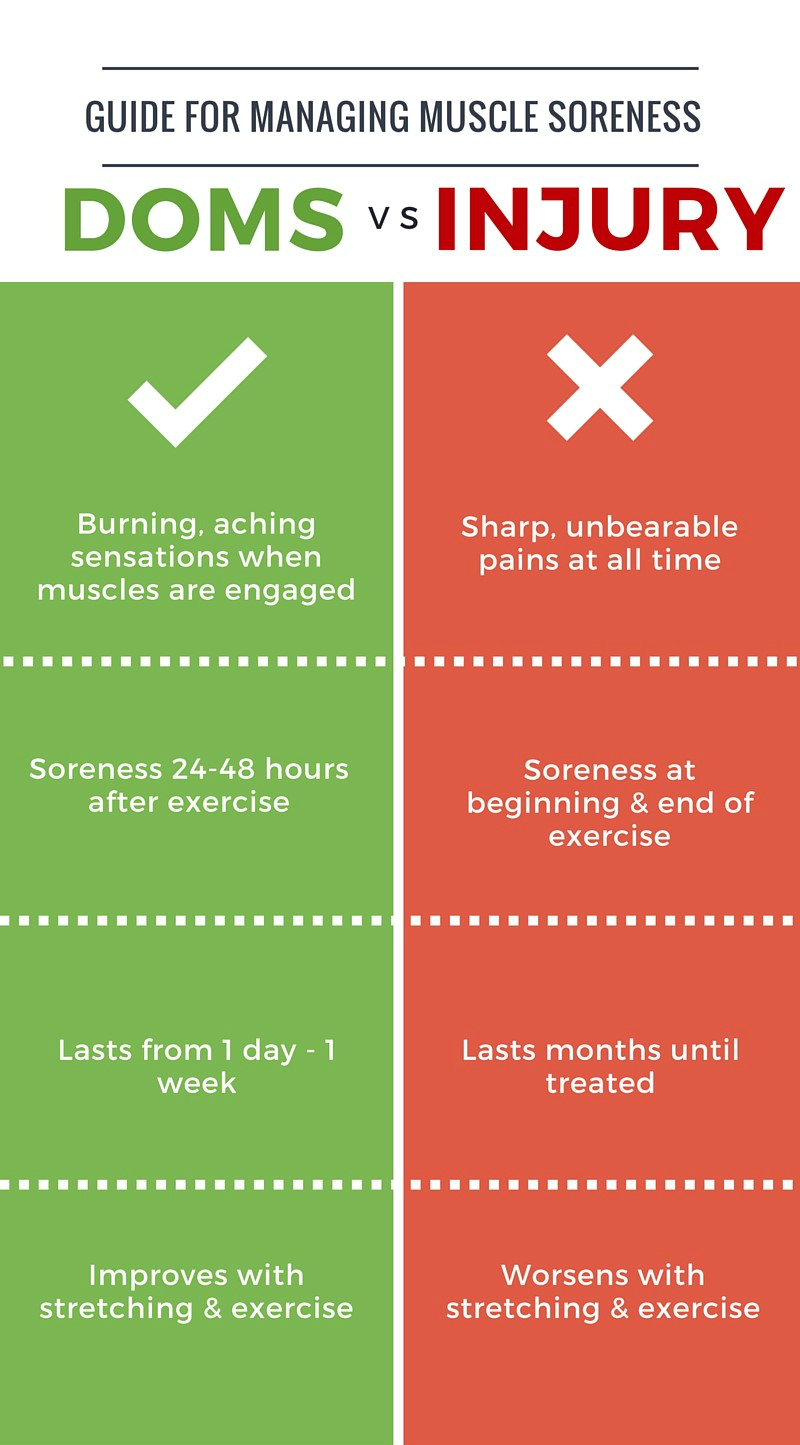
The Power of Rest and Sleep: The Ultimate Recovery Tool
Perhaps the most critical component of managing DOMS is adequate rest and sleep. During sleep, your body undergoes its most significant repair and regenerative processes. Growth hormone, which plays a vital role in muscle repair and growth, is released in higher quantities during deep sleep.
Prioritizing 7-9 hours of quality sleep per night allows your muscles to effectively recover from the stresses of training. Overtraining, coupled with insufficient sleep, is a recipe for chronic soreness, fatigue, and increased risk of injury.
In conclusion, muscle soreness after working out is a multifaceted phenomenon stemming from microscopic tears in muscle fibers, followed by an inflammatory response. While the exact triggers and intensities can vary, understanding the underlying mechanisms—from the inflammatory cascade to the role of eccentric contractions—empowers individuals to train smarter, recover effectively, and appreciate the body’s remarkable capacity for adaptation. By embracing strategies like active recovery, proper nutrition, and prioritizing rest, you can navigate the discomfort of DOMS and harness its potential to build stronger, more resilient muscles.
aViewFromTheCave is a participant in the Amazon Services LLC Associates Program, an affiliate advertising program designed to provide a means for sites to earn advertising fees by advertising and linking to Amazon.com. Amazon, the Amazon logo, AmazonSupply, and the AmazonSupply logo are trademarks of Amazon.com, Inc. or its affiliates. As an Amazon Associate we earn affiliate commissions from qualifying purchases.