
The bottom bracket is the mechanical heart of a bicycle. Positioned at the lowest point of the frame where the seat tube, down tube, and chainstays intersect, it serves as the interface between the rider’s pedaling input and the drivetrain’s output. While often overlooked by casual cyclists until a rhythmic creaking sound signals its distress, the bottom bracket is a marvel of mechanical engineering. It houses the bearings that allow the crankset to rotate smoothly, turning the energy of your legs into the forward momentum of the wheels.
Understanding the bottom bracket is essential for any cyclist looking to maintain their machine or upgrade their components. Because it sits at the nexus of the frame’s most structural points, the standards governing its design have become a complex landscape of threads, press-fits, and proprietary shells.
The Anatomy of the Bottom Bracket Shell
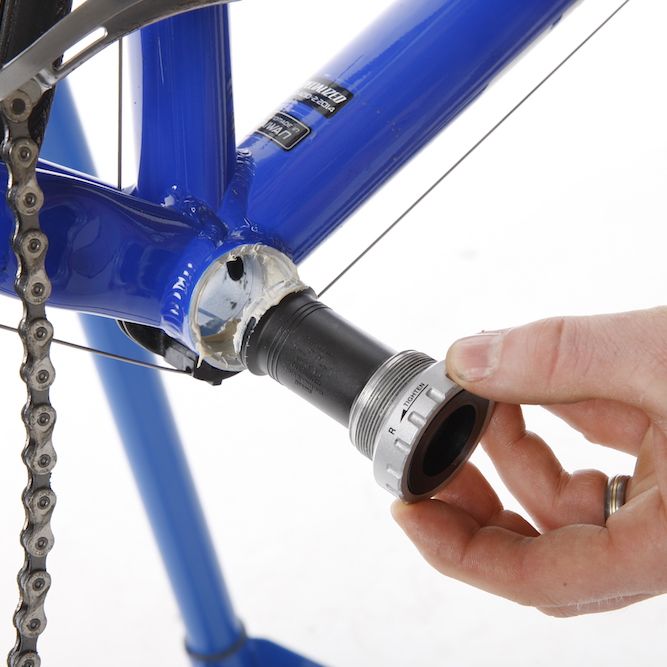
The bottom bracket shell is the cylindrical housing integrated into the bicycle frame. Its dimensions—width and diameter—determine which type of bottom bracket assembly can be installed. This section of the frame is subjected to immense torsional forces, particularly when a rider stands to sprint or climbs steep gradients. Consequently, the shell must be rigid enough to resist flexing under load while remaining light enough to keep the overall bike weight competitive.
Threaded Shells: The Industry Standard
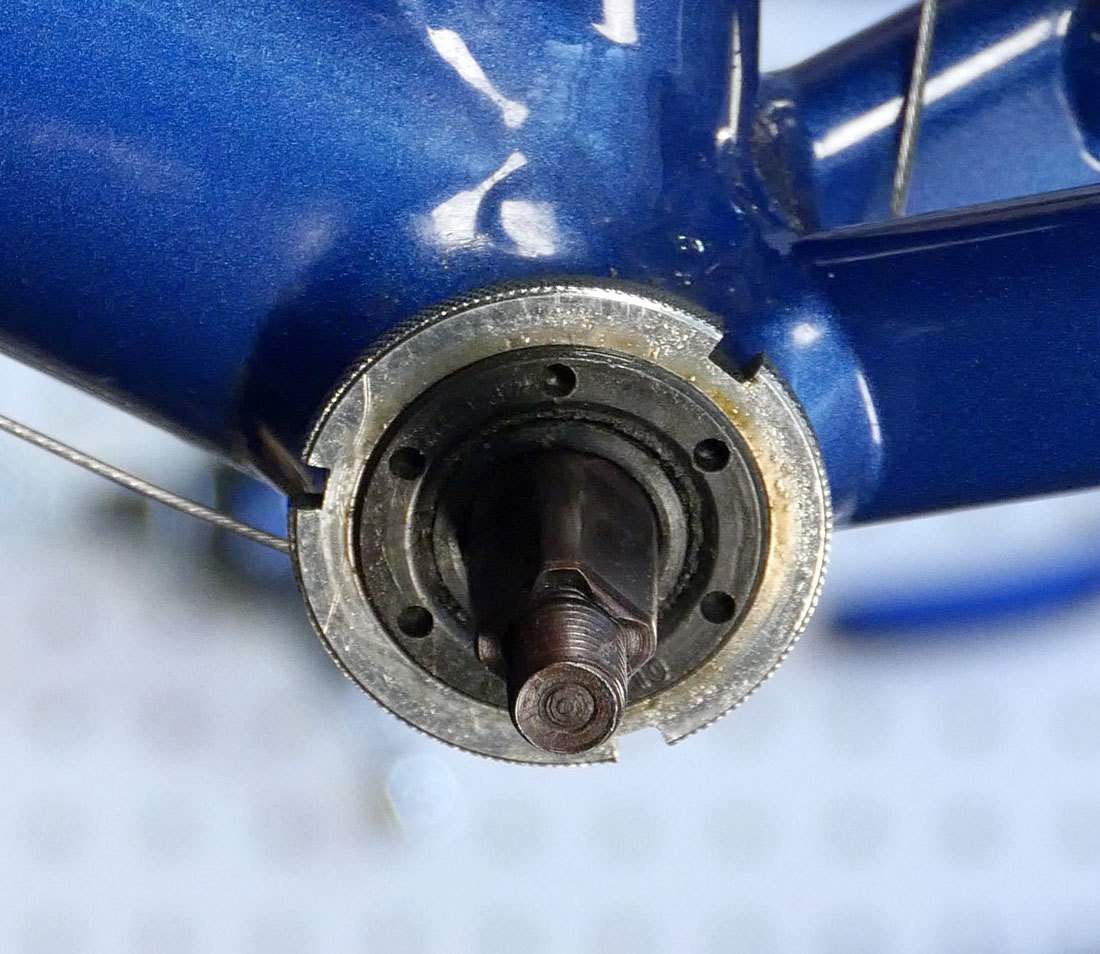
For decades, the threaded bottom bracket was the industry standard. Most commonly seen in the BSA (British Standard) or English thread configuration, these shells feature internal threads that accept external or internal bearing cups. The primary advantage of a threaded shell is its reliability. When installed correctly with appropriate grease or thread-locker, threaded bottom brackets are renowned for being silent, durable, and relatively easy to service at home with basic tools.
Press-Fit Shells: The Pursuit of Stiffness
In an effort to reduce weight and increase frame stiffness, many manufacturers transitioned to press-fit systems. In these designs, the bottom bracket shell has a smooth internal bore. Instead of screwing in, the bearings (often housed in plastic or alloy cups) are pressed directly into the frame using a specialized tool. This allows for wider bottom bracket shells, which in turn enable the use of larger-diameter, stiffer crank spindles. While this design is favored by performance-oriented brands for its structural efficiency, it has gained a reputation for being more prone to creaking if tolerances are not perfectly maintained.
Bearing Technologies and Their Impact
The bearings within the bottom bracket are the unsung heroes of the drivetrain. They are responsible for minimizing friction while supporting the lateral and radial loads generated by your pedaling stroke. As you push down on the pedals, you are not just pushing the bike forward; you are exerting force that tries to twist the crank spindle against the frame. The bearings must be engineered to withstand this constant stress without binding or excessive wear.
Steel Bearings: The Reliable Choice
Most stock bicycles come equipped with steel cartridge bearings. High-quality steel bearings are exceptionally durable and offer excellent performance for the vast majority of riders. They are generally sealed, protecting the inner rolling elements from moisture, road grime, and trail debris. For most cycling disciplines, from road racing to mountain biking, standard steel bearings represent the best balance of cost, longevity, and performance.
Ceramic Bearings: The Competitive Edge
Ceramic bearings have become a popular high-end upgrade for cyclists seeking every marginal gain. Ceramic balls are harder, rounder, and lighter than their steel counterparts. Because they are smoother and resistant to corrosion, they generate less friction. While the wattage savings are often measured in fractions of a percent, for professional racers and dedicated enthusiasts, this can translate to a noticeable difference over long distances. However, ceramic bearings require more frequent inspection and are significantly more expensive, making them a luxury rather than a necessity.
Troubleshooting and Maintenance
One of the most common complaints among cyclists is the “bottom bracket creak.” Because this component is located directly in the path of tire spray, road salt, and mud, it is highly susceptible to contamination. Over time, the seals can wear down, allowing grit to enter the bearing races. This friction results in the dreaded clicking or creaking sounds that occur with every rotation of the crank.
Identifying the Source of Noise
Before assuming the bottom bracket is faulty, it is important to rule out other culprits. Noises can often originate from the pedals, the chainring bolts, or even the quick-release skewers. To isolate the bottom bracket, try spinning the cranks without the chain attached. If the rotation feels gritty or makes a grinding noise, the bearings are likely contaminated or worn. If the movement is smooth, the noise might be caused by a slight looseness in the interface between the crank and the bottom bracket shell, which often requires re-greasing or re-tightening.
The Importance of Proper Installation
Maintenance is the best preventative measure. For threaded systems, ensuring that the shell is clean and well-greased before installation prevents the seized parts that often plague long-term owners. For press-fit systems, the use of high-quality retaining compounds can help eliminate micro-movements between the cup and the shell, which is the most common cause of noise. Regardless of the type, using the correct tools—such as a torque wrench for threaded cups or a dedicated press tool for press-fit cups—is essential to avoid damaging the frame or the bearings.
Navigating the Modern Bottom Bracket Landscape
If you find yourself needing a replacement or considering an upgrade, the complexity of bottom bracket standards can be intimidating. There are dozens of variations, including BB30, PF30, BB86, T47, and proprietary designs from brands like Trek or Cervélo.
Compatibility Checks
When buying a replacement, you cannot simply pick a bottom bracket off a shelf. You must first know your frame’s shell width and its internal diameter. You must also consider your crankset; for example, a Shimano crank with a 24mm spindle will require a bottom bracket specific to that diameter, while a SRAM DUB crank will require its own specific bearing system.
The introduction of the T47 standard has been a welcomed middle ground in the industry. It combines the structural benefits of a wide, oversized press-fit shell with the security and ease of maintenance of a threaded interface. Many modern frame manufacturers are moving toward T47, signaling a potential shift back to threaded standards for high-performance bikes.
The Future of Bottom Bracket Design
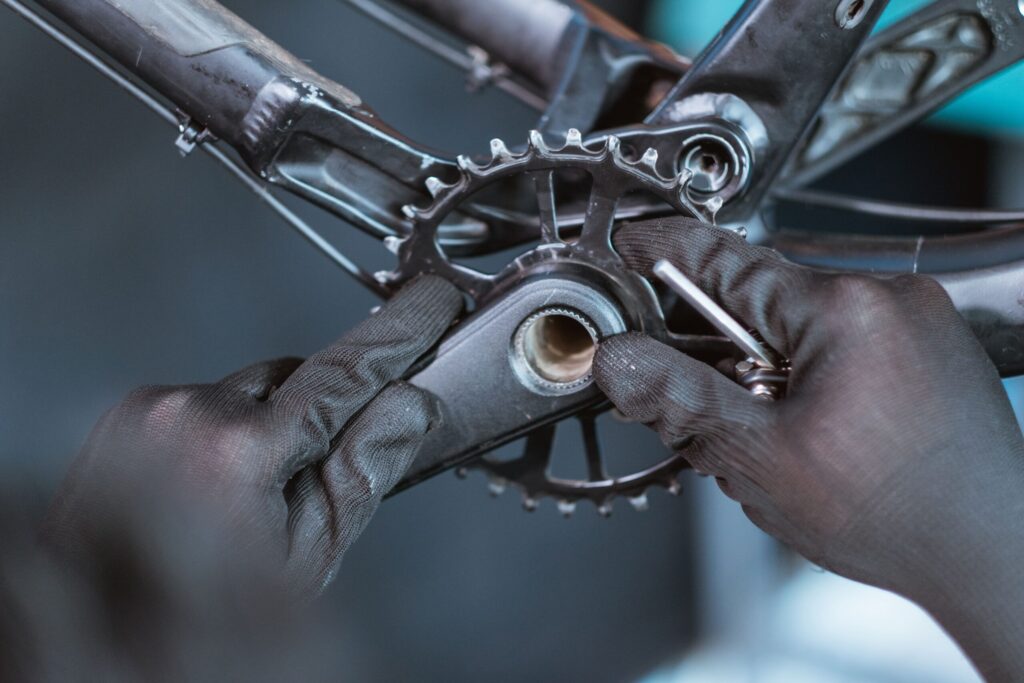
Looking forward, the trend in bottom bracket design is leaning toward increased integration and durability. We are seeing more focus on “serviceable” press-fit designs, where bearings can be replaced without removing the cups from the frame, reducing the risk of damaging the frame’s internal bores.
Ultimately, the bottom bracket remains a critical component that defines the power transfer and longevity of your bicycle. While you may not think about it while you are out riding, keeping it clean, well-greased, and properly maintained will ensure that your pedaling remains efficient and your ride remains quiet. Whether you are an everyday commuter or a competitive cyclist, acknowledging the role of the bottom bracket is the first step toward a more seamless cycling experience. By understanding its design, respecting its maintenance needs, and choosing the right standard for your machine, you ensure that your power is never lost to friction or instability.
aViewFromTheCave is a participant in the Amazon Services LLC Associates Program, an affiliate advertising program designed to provide a means for sites to earn advertising fees by advertising and linking to Amazon.com. Amazon, the Amazon logo, AmazonSupply, and the AmazonSupply logo are trademarks of Amazon.com, Inc. or its affiliates. As an Amazon Associate we earn affiliate commissions from qualifying purchases.