
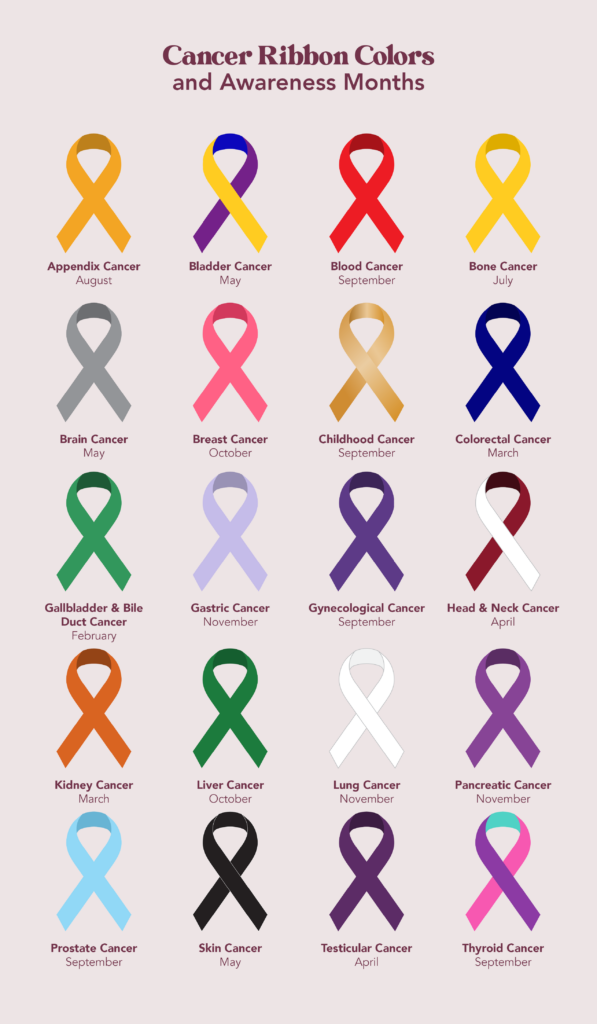
In the landscape of modern philanthropy and public health advocacy, the visual language of support has become as important as the medical breakthroughs themselves. The blue ribbon, specifically in the context of cancer, serves as a primary case study in effective brand strategy, emotional resonance, and corporate identity. While the pink ribbon is synonymous with breast cancer, the blue ribbon has been claimed by various entities—most notably those advocating for prostate cancer and colon cancer—to foster community, signal awareness, and drive donor engagement. Understanding how these symbols operate provides a masterclass in how non-profits and health organizations utilize design to build a recognizable, authoritative brand.
The Psychology of Symbolism in Brand Identity
The use of a ribbon as a carrier for a movement is an exercise in minimalist design. In brand strategy, the goal of any visual marker is to convey complex values—hope, survival, resilience—through a simple, reproducible icon. When an organization adopts a blue ribbon for cancer awareness, it is engaging in a strategic effort to establish “top-of-mind” awareness within a crowded marketplace of charitable causes.
Creating Immediate Recognition
From a marketing perspective, the blue ribbon functions as a logo. When a consumer or potential donor sees the blue ribbon, they should immediately associate it with a specific set of institutional values. Much like a corporate logo, the consistency of the blue ribbon across digital platforms, merchandise, and awareness campaigns is what builds brand equity. Without this visual consistency, a charity risks dilution, failing to capture the mental real estate necessary to influence public opinion or secure financial backing.
The Role of Color Psychology
Color is the most potent tool in a brand strategist’s arsenal. Blue is frequently utilized in professional, corporate, and healthcare sectors because it evokes feelings of trust, stability, and calm. Unlike the urgency often conveyed by red or the aggressive optimism associated with pink, the blue ribbon positions the cause as a matter of systemic importance. It frames the cancer experience as one requiring steady, reliable, and intelligent intervention. By choosing blue, organizations are branding their cause as a professional entity capable of managing research funds and advocacy with clinical precision.
Aligning Brand Strategy with Cause Awareness
Building a brand around a health crisis is a delicate balancing act between emotional storytelling and corporate professionalism. Organizations using the blue ribbon must maintain a brand voice that resonates with patients while remaining sophisticated enough to attract corporate partnerships and government grants.
Narrative Consistency Across Platforms
An effective brand strategy requires a unified narrative. Organizations that utilize the blue ribbon for cancer awareness must ensure that their visual identity is seamlessly integrated into their marketing collateral. Whether it is an email newsletter, a fundraising gala invitation, or a social media infographic, the blue ribbon must appear as a symbol of authority. If the branding is inconsistent—for example, if the blue shade varies or the ribbon shape is distorted across platforms—the organization loses its perceived credibility. In the non-profit sector, credibility is the currency that drives donations; therefore, strict adherence to a visual style guide is not just aesthetic—it is a functional requirement.
Stakeholder Engagement and Community Building
A brand is only as strong as its community. The blue ribbon acts as a badge of tribal identity for survivors, patients, and their families. This is a form of personal branding, where individuals integrate the cause into their own digital identities. When an organization creates shareable assets—such as social media filters or profile frames featuring the blue ribbon—they are empowering their supporters to act as brand ambassadors. This decentralized marketing strategy is highly cost-effective and creates a sense of belonging that traditional top-down marketing efforts cannot replicate.

The Monetization of Awareness: Financial Implications
The ultimate goal of many cancer awareness brands is to convert passive empathy into active funding. Brand strategy, in this niche, is inherently tied to the “ask.” A well-branded blue ribbon campaign can significantly lower the friction between being aware of a disease and donating to its research.
Leveraging Partnerships for Corporate Identity
Large corporations often seek to align themselves with established non-profit brands. By adopting the blue ribbon as part of a Corporate Social Responsibility (CSR) initiative, companies can borrow the equity built by health advocacy groups. This is a strategic brand partnership. For the non-profit, this provides a steady stream of revenue and access to the corporation’s marketing channels. For the company, it provides a “halo effect,” improving their own corporate identity by associating themselves with a cause that the public views as noble and essential.
Donor Retention through Brand Loyalty
Philanthropy is increasingly treated like a consumer industry. Donors have a plethora of choices, and they are more likely to support organizations that demonstrate a clear, professional brand identity. A blue ribbon campaign that feels “polished” is often perceived as better managed, leading to higher rates of donor retention. Donors want to know that their money is being used by an organization that understands how to communicate its mission. The visual sophistication represented by a clean, consistent brand strategy signals to donors that the organization is stable, transparent, and capable of executing long-term research goals.
The Future of Cause Branding in a Digital World
As we move further into the digital age, the blue ribbon is no longer just a physical pin. It has become a digital asset, subject to the same algorithmic pressures as any other commercial content. To remain relevant, organizations must evolve their brand strategies to compete for attention in a content-heavy digital economy.
Digital Security and Authentication
As brands grow, they become targets. Protecting the integrity of a cause-related brand is paramount. Organizations must implement digital brand protections to ensure that the blue ribbon is not used in predatory marketing or scams. Establishing official digital footprints, verifying social media accounts, and creating clear, easily accessible “brand kits” for media outlets ensures that the blue ribbon remains a symbol of authority rather than a victim of digital noise.
AI and Personalization in Marketing
The future of cancer advocacy lies in hyper-personalization. Modern organizations are beginning to use data-driven insights to tailor their brand messaging. By understanding the specific demographic, geographic, and psychographic characteristics of their donor base, organizations can adjust how they present the blue ribbon. An AI-optimized marketing campaign might show a blue ribbon in different contexts—perhaps more clinical for scientific research donors, or more human-centric for patient support programs. This level of granular brand management ensures that the message is always aligned with the donor’s motivations, effectively bridging the gap between clinical necessity and personal concern.

Sustaining the Brand Lifecycle
Like any product or corporate brand, the blue ribbon must evolve to avoid stagnation. While the core mission remains the same, the visual representation can be refreshed to stay modern. Trends in design move toward minimalism and fluid imagery. Organizations that are brave enough to subtly update their brand assets while maintaining the core “blue ribbon” recognition demonstrate that they are forward-thinking institutions. This prevents the brand from appearing dusty or disconnected from younger generations who demand high levels of visual sophistication in the causes they choose to support.
In conclusion, the blue ribbon for cancer is more than a simple icon; it is a highly engineered element of brand strategy. It serves as a beacon for communities, a tool for corporate partnership, and a cornerstone of financial stability. By treating advocacy as a professional brand, organizations can ensure that their message doesn’t just reach the public—it resonates, drives action, and ultimately, fuels the progress required to address the medical challenges they represent. Success in this field requires a fusion of heart and strategy, proving that in the modern world, the most effective way to change the world is to brand the change itself.
aViewFromTheCave is a participant in the Amazon Services LLC Associates Program, an affiliate advertising program designed to provide a means for sites to earn advertising fees by advertising and linking to Amazon.com. Amazon, the Amazon logo, AmazonSupply, and the AmazonSupply logo are trademarks of Amazon.com, Inc. or its affiliates. As an Amazon Associate we earn affiliate commissions from qualifying purchases.