
The wacky rig is widely considered one of the most effective finesse techniques in bass fishing, but its success hinges entirely on the hardware you choose. Because the technique relies on the unique, seductive undulation of a plastic worm hooked through its center, the hook is the primary point of contact—not just with the bait, but ultimately with the fish. Choosing the wrong hook can ruin the action of the lure, cause missed hooksets, or lead to frustrating lost fish.
Understanding the Anatomy of a Wacky Hook
To master the wacky rig, you must move beyond generic hook shapes. The geometry of a wacky hook is designed to compensate for the fact that you are hooking the plastic horizontally rather than through the nose.
The Importance of the Gap
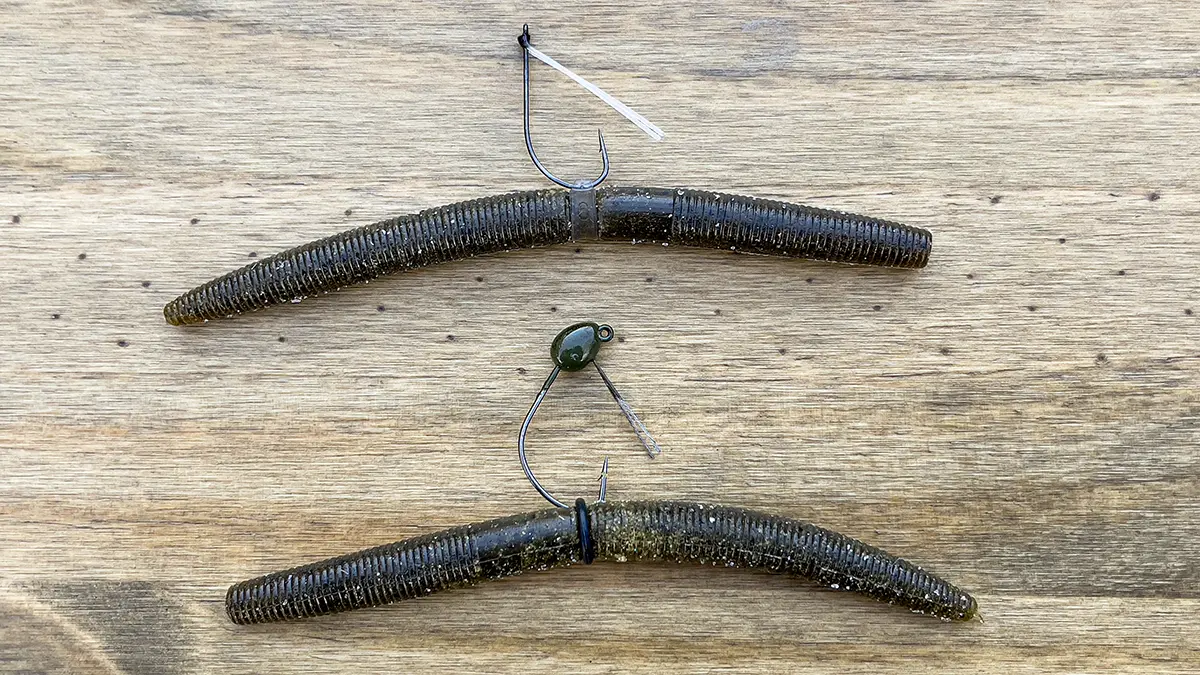
The gap—the distance between the point of the hook and the shank—is critical. When a bass inhales a wacky-rigged worm, the bait folds in half. If the hook gap is too narrow, the bulk of the plastic worm can mask the hook point, preventing it from penetrating the fish’s jaw. A wide-gap hook is essential to ensure that when you set the hook, the plastic clears the point and allows for a clean connection.
Wire Diameter and Stealth
Because wacky rigging is often used in clear water or when bass are pressured, the diameter of the hook wire matters. Lighter wire hooks are less visible to fish and penetrate more easily with the light-tackle setups typical of finesse fishing. However, if you are fishing around heavy cover, a heavier wire hook is necessary to prevent the hook from straightening out under the pressure of a fish pulling toward thick vegetation or docks.
Selecting the Right Hook Style for Your Conditions
Not all hooks labeled for wacky rigs are created equal. Depending on the environment, you will generally oscillate between three primary styles: octopus hooks, weedless wacky hooks, and specialized wacky jig heads.
The Standard Octopus Hook
The traditional octopus hook is the gold standard for open-water wacky rigging. These hooks feature a short shank and a distinct, curved point that is designed to hook fish in the corner of the mouth. When using a standard octopus hook, you typically hook the plastic worm directly through the center of the body. The upward-pointing eye of the hook ensures that when pressure is applied to the line, the hook point rotates into the jaw of the fish.
The Weedless Wacky Hook
Fishing a wacky rig near wood, boat docks, or submerged grass requires a weedless setup. Weedless wacky hooks feature a wire, nylon, or fluorocarbon fiber guard that covers the hook point. This guard allows the bait to slide over structure without snagging, but it is flexible enough to collapse when a fish bites. When selecting a weedless version, pay close attention to the stiffness of the guard; too stiff, and you will miss bites; too soft, and you will be constantly clearing the hook from debris.
Wacky Jig Heads
A more recent innovation in the category is the weighted wacky jig head. These are essentially small, lead or tungsten weights molded onto the eye of a hook. They are designed to accelerate the sink rate of the worm, allowing you to reach deeper water faster or maintain contact with the bottom in windy conditions. These are particularly effective during the pre-spawn when bass are hanging on deep ledges or drop-offs. The weight also alters the action of the worm, creating a more erratic “darting” motion as it falls.

Optimizing Hook Size and Rigging Efficiency
Matching the hook size to the bait length is a common point of confusion for anglers. A mismatch here usually results in poor bait performance or missed hooksets.
The Rule of Proportionality
For a standard 5-inch stick bait, a size 1 or 1/0 hook is usually ideal. If you downsize to a 3-inch or 4-inch finesse worm, you should move down to a size 2 or even a size 4 hook. The goal is to allow the worm to bend naturally. If the hook is too large, it stiffens the bait, effectively killing the shimmy action that attracts the bass. If the hook is too small, it will not have enough surface area to catch the fish’s jaw, leading to lost fish during the fight.
The Role of O-Rings and Wacky Tools
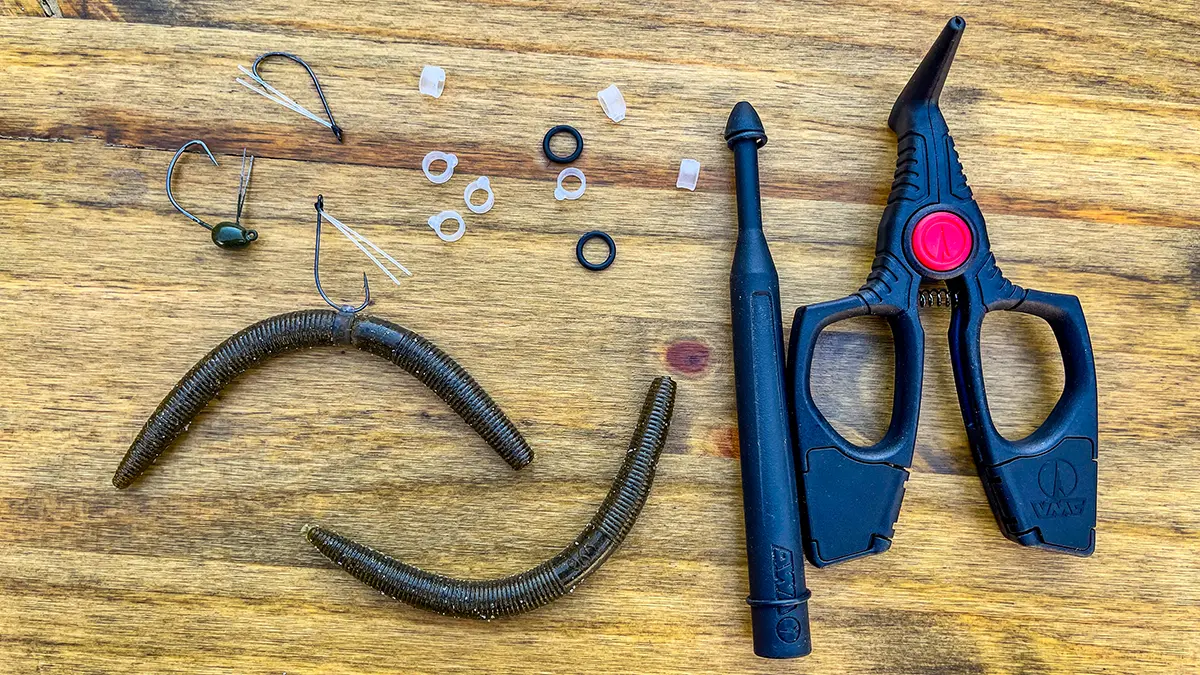
Modern wacky rigging has been revolutionized by the use of O-rings. By sliding a small rubber O-ring onto the center of your plastic worm and hooking through the ring rather than the plastic itself, you achieve two things: increased longevity for your baits and better hook-up ratios. Because the hook is not penetrating the plastic, the worm does not tear during the fight, allowing you to catch multiple fish on a single bait. Furthermore, the O-ring allows the hook to pivot more freely, which improves the hook-set percentage by creating a better angle for penetration when the bass strikes.
Hook Orientation
When using a standard octopus hook, many anglers prefer to hook the worm “hook point up” relative to the bend. This ensures that the hook point is positioned toward the mouth of the fish as it bites down. If you notice your hook-up ratio is low, experiment with the position of the O-ring—sometimes rotating the hook slightly so it sits at a different angle relative to the worm’s orientation can drastically change the number of successful hook-ups.
Tactical Considerations for Different Water Types
Your environment should dictate the modifications you make to your rig. Adapting your hook choice based on visibility and cover density will significantly increase your strike-to-catch ratio.
Clear Water Strategies
In clear water, bass are notoriously line-shy and visual predators. Use the smallest, thinnest wire hook possible. Stealth is the name of the game here. You should also consider using black-nickel or matte-finished hooks to reduce reflection in the water column. In these conditions, skipping the O-ring and hooking through the plastic can sometimes offer a cleaner look, though it sacrifices the longevity of the bait.
Stained or Muddy Water
When visibility is low, you need to rely on the vibration and the profile of the bait. In these conditions, you can afford to use a slightly larger, heavier-gauge hook. Since the fish is reacting to the movement rather than being concerned with the appearance of the hook, durability is the priority. Many anglers opt for a slightly larger wacky jig head in dirty water to create a louder “thump” as the bait hits the bottom or to create a more distinct silhouette in the murky water column.
Fishing Heavy Vegetation
If you are target-fishing grass lines or lily pad fields, the weedless hook is non-negotiable. However, ensure that your rod and line match the setup. If you are using a weedless hook with a heavy-duty gauge, you must have the backbone in your rod to drive that thicker hook point through the plastic guard and into the jaw of the bass. Using a light spinning rod with a heavy weedless wacky hook will often result in the fish feeling the resistance of the guard and spitting the bait before you can successfully set the hook.
By carefully evaluating the water clarity, the cover, and the size of the bait, you can select the specific wacky hook that maximizes your efficiency. The wacky rig is a finesse technique, but your hardware must be chosen with precision to turn those subtle bites into consistent catches.
aViewFromTheCave is a participant in the Amazon Services LLC Associates Program, an affiliate advertising program designed to provide a means for sites to earn advertising fees by advertising and linking to Amazon.com. Amazon, the Amazon logo, AmazonSupply, and the AmazonSupply logo are trademarks of Amazon.com, Inc. or its affiliates. As an Amazon Associate we earn affiliate commissions from qualifying purchases.