
The power steering system is one of those automotive marvels that most drivers take for granted—until it stops working. For the average commuter, the ability to maneuver a heavy vehicle through tight parking spaces or around sharp corners with a single finger is a testament to the hydraulic efficiency of modern engineering. At the heart of this system lies the power steering pump. When this component begins to fail, the experience is not just inconvenient; it can be physically demanding and potentially dangerous.
The Financial Anatomy of a Power Steering Failure
From a personal finance perspective, an automotive repair is often viewed as a “sunk cost” that can disrupt a well-planned budget. When your power steering pump goes out, the financial implications extend beyond the immediate repair bill. You must consider the total cost of ownership, including potential secondary damages and the opportunity cost of having an immobile vehicle.

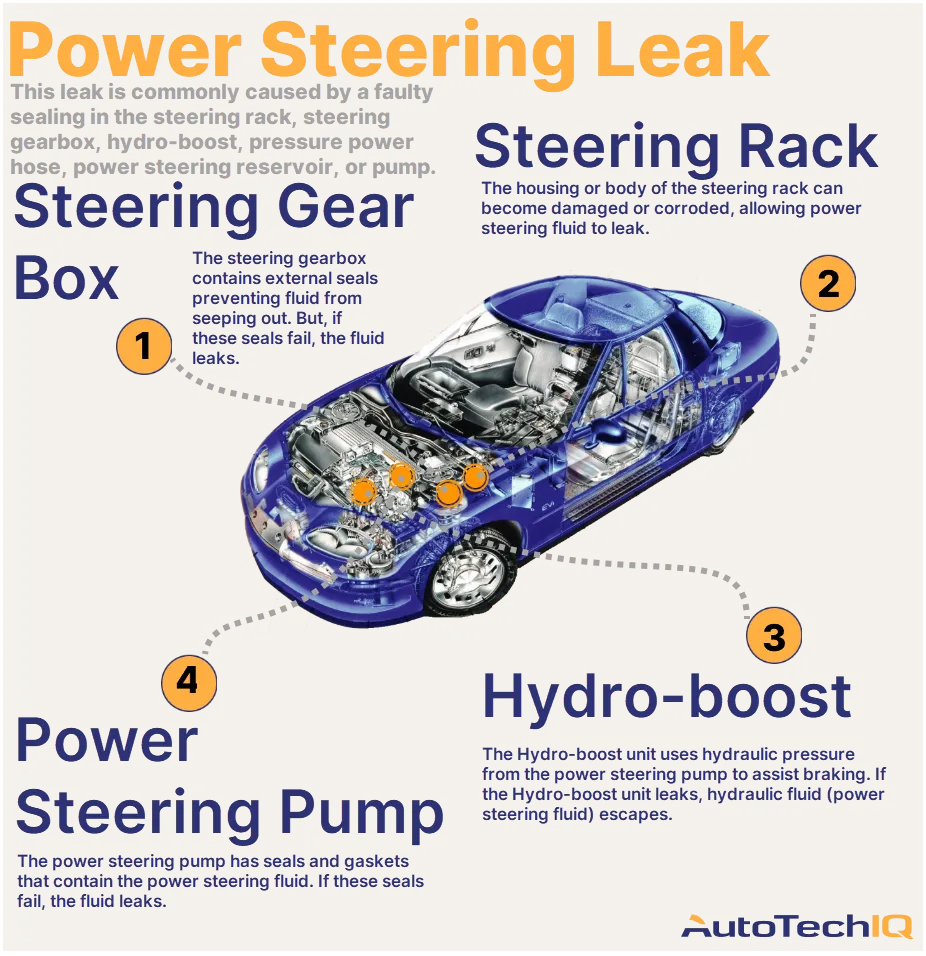
When the pump fails, it often does not happen in a vacuum. The pump relies on a serpentine belt and a complex series of pulleys. If the internal bearings of the pump seize up, they can snap the belt, which often drives other critical components like the alternator or the water pump. A simple repair that could have cost a few hundred dollars can quickly spiral into a four-figure emergency if you continue to drive after the initial symptoms appear.
Assessing Repair Costs vs. Vehicle Value
Before authorizing a mechanic to replace the pump, it is crucial to perform a quick cost-benefit analysis. For older vehicles, the cost of parts and labor can represent a significant percentage of the car’s current market value. Financial prudence dictates that you obtain at least three quotes from reputable independent shops before committing to the dealer. Original Equipment Manufacturer (OEM) parts are generally recommended for longevity, but high-quality aftermarket alternatives can sometimes save you 20% to 30% on your total invoice without compromising safety.
Identifying the Financial Red Flags
Being proactive with your vehicle maintenance is a form of risk management. By identifying the warning signs early, you avoid the “emergency premium”—the higher prices and limited options that come with having to fix a car that has left you stranded on the side of the road.
The Audible Warning
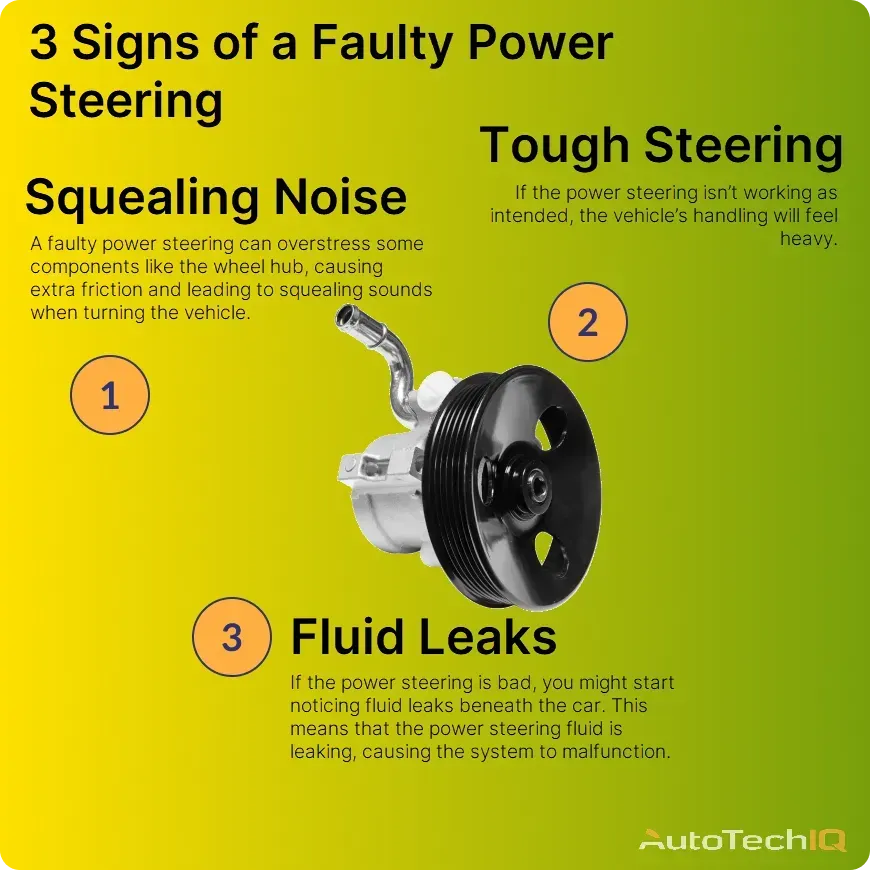
The most common indicator of a failing pump is a distinct whining or groaning noise. This sound usually intensifies when you turn the steering wheel, especially at low speeds. This noise is the audible manifestation of the pump struggling to circulate fluid under pressure. Ignoring this sound is a financial mistake; a pump that is merely noisy can often be serviced or have its fluid flushed to extend its life, whereas a pump that has failed completely requires a full replacement.
The Physical Resistance
When the hydraulic assist vanishes, the steering wheel becomes heavy. If you have ever driven a car without power steering, you understand that maneuvering in a parking lot becomes a strength-training exercise. If your vehicle suddenly requires significant physical effort to turn, you are experiencing the final stage of failure. Driving in this state is not only difficult but also damages the steering rack, which is a significantly more expensive component to replace than the pump itself.
Managing Maintenance to Preserve Asset Value
View your vehicle as a financial asset that requires a strategic maintenance schedule. Neglecting the power steering fluid is a common oversight that leads to premature pump failure. Much like an oil change, power steering fluid degrades over time, accumulating debris and losing its lubricating properties.
The Cost of Neglect
Manufacturers often omit power steering fluid from the “essential” list, but professional mechanics understand that clean fluid is the lifeblood of the pump. Replacing the fluid every 30,000 to 50,000 miles is an inexpensive preventative measure. If you wait until the pump fails, you aren’t just paying for a new pump; you are paying for the labor to flush the entire system, potentially clean the reservoir, and replace the hoses that have become brittle due to contaminated fluid.
Strategic Budgeting for Repairs
If you are managing a household budget, it is wise to maintain an “Automotive Maintenance Fund.” By setting aside a small amount each month, you transform an unexpected mechanical failure from a crisis into a manageable expense. When the pump inevitably reaches the end of its service life, having a dedicated fund prevents you from dipping into your emergency savings or resorting to high-interest credit card debt.
Long-Term Financial Implications of Steering Health
The health of your power steering system directly impacts the resale value and trade-in potential of your vehicle. A vehicle with “steering issues” is a major red flag for prospective buyers. When it comes time to upgrade your car, a well-maintained service record—showing that components like the power steering pump were addressed proactively rather than ignored—instills confidence in the buyer.
The “Safe to Drive” Myth
A prevalent misconception is that you can simply “get used to” a broken power steering pump. From a risk management standpoint, this is a flawed strategy. A loss of steering assist while navigating a highway or maneuvering in an emergency situation could lead to an accident. The cost of insurance deductibles, increased premiums after an at-fault accident, and the potential liability far outweigh the cost of a pump replacement.
Selecting the Right Professional
When it is time to perform the repair, your choice of service provider is a financial decision. A dealership provides a level of accountability and warranty coverage that is often superior, though usually at a higher price point. An independent mechanic specializing in your vehicle’s make can offer a more personalized, cost-effective solution. Ensure that any quote includes a warranty on both parts and labor. A 12-month/12,000-mile warranty is standard, and accepting anything less is an unnecessary risk to your capital.
Conclusion: A Disciplined Approach to Maintenance
Ultimately, the power steering pump is a component of a larger machine that facilitates your ability to participate in the economy. Whether you use your vehicle for commuting to a high-earning career or managing the logistical needs of your household, its mechanical reliability is paramount.
By treating the power steering pump not as an isolated mechanical part, but as an asset that requires periodic investment and monitoring, you protect yourself against the volatility of sudden repair costs. Recognize the early warning signs, allocate funds toward regular maintenance, and prioritize the structural integrity of your vehicle. Through these disciplined practices, you turn the inevitable wear and tear of automotive ownership into a manageable, predictable expense, ensuring that your financial plan remains on the road, turning smoothly toward your long-term goals.
aViewFromTheCave is a participant in the Amazon Services LLC Associates Program, an affiliate advertising program designed to provide a means for sites to earn advertising fees by advertising and linking to Amazon.com. Amazon, the Amazon logo, AmazonSupply, and the AmazonSupply logo are trademarks of Amazon.com, Inc. or its affiliates. As an Amazon Associate we earn affiliate commissions from qualifying purchases.