
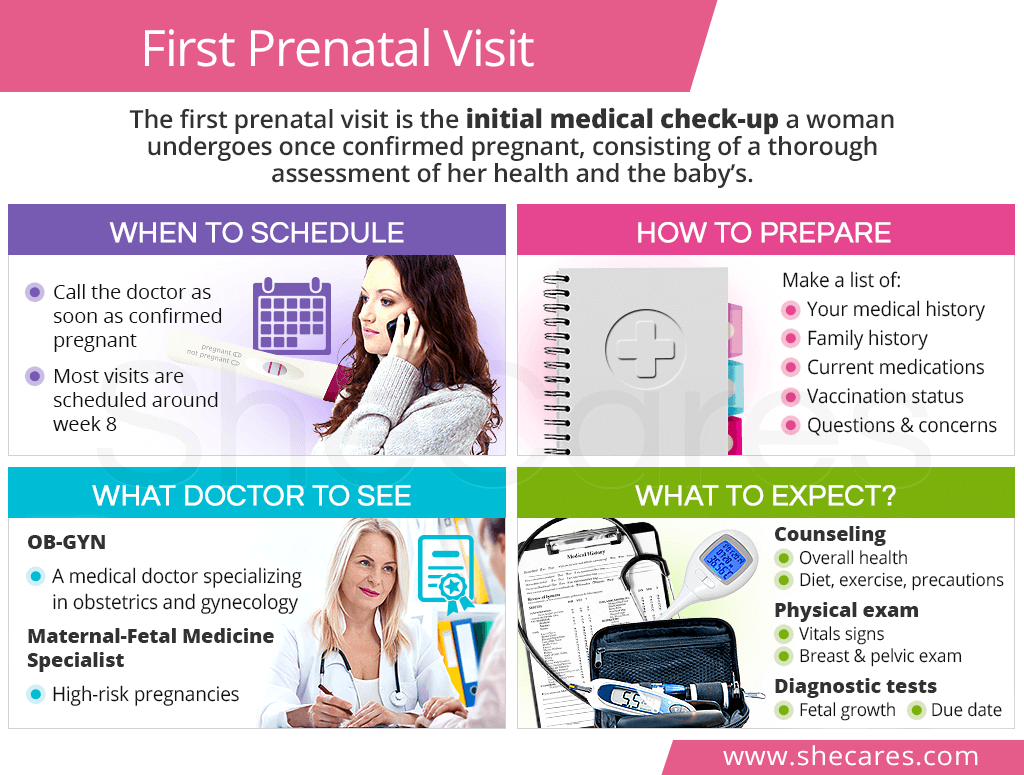
The moment those two lines appear on a pregnancy test, life shifts from the present to a future defined by new responsibilities. While your medical team focuses on the physiological milestones of your first prenatal appointment, there is a parallel, equally critical “financial appointment” you must conduct with yourself and your partner. Bringing a child into the world is not just a biological event; it is a major financial pivot point that requires a strategy as robust as any business investment plan. By aligning your fiscal habits with your family’s expanding needs early in the first trimester, you turn a period of potential anxiety into an era of calculated stability.
Auditing Your Financial Landscape
Your first prenatal check-up is the baseline for your health; similarly, you need a baseline for your net worth. Before you start budgeting for nursery furniture or college funds, you must perform a comprehensive audit of your current financial standing. This is not about cutting out coffee; it is about mapping the terrain of your assets, liabilities, and insurance coverage.
Reviewing Insurance Policies and Coverage
The most immediate impact of pregnancy on your finances is the shift in your medical and life insurance requirements. During the first trimester, review your current health insurance plan with a fine-toothed comb. Determine your “out-of-pocket maximum” and your “deductible.” Since you will be hitting these caps during the birth year, treat these costs as non-negotiable line items in your monthly budget. Furthermore, if you do not have life insurance, or if your current policy is insufficient, now is the time to secure coverage. As your dependents increase, your need for long-term financial protection for your family grows exponentially.
Mapping Debt and Cash Flow
Total your current debts—student loans, credit card balances, and auto loans—against your liquid assets. Your goal during the pregnancy is to optimize your cash flow so that you have a predictable surplus each month. Use this time to consolidate high-interest debt. If you are carrying credit card debt, prioritize paying it off before the baby arrives, as your monthly expenditures will inevitably rise once the child is born. Treat this phase of your pregnancy as a “deleveraging” period to ensure that your monthly income is not being siphoned off by interest payments when it could be funding your child’s future.
Building the “Parental Runway” and Emergency Reserves
In business, a “runway” refers to how long a company can operate before it runs out of cash. For expectant parents, your emergency fund is your runway. The expenses associated with a new baby are often unpredictable—complications in delivery, unexpected time off work, or immediate needs for specialized equipment can strain even the most disciplined savers.
Stress-Testing Your Savings
Most financial advisors suggest having three to six months of living expenses in a high-yield savings account. When a baby is on the way, aim for the upper end of that spectrum. To stress-test your finances, calculate what your household income would look like if one parent were out of work for an additional month beyond their planned leave, or if childcare costs were 20% higher than expected. If your current savings cannot handle these “what-if” scenarios, use your first and second trimesters to aggressively increase your savings rate.

The Opportunity Cost of Gear
One of the biggest financial traps for new parents is the “luxury baby gear” marketing machine. During your first trimester, the excitement of the upcoming arrival often leads to impulsive spending on high-end strollers, smart bassinets, and designer clothing. Remember that these items are depreciating assets. A professional approach to baby gear is to focus on functionality and safety first. Distinguish between “needs” and “aspirational wants.” By maintaining a lean approach to physical goods, you preserve capital that can be better utilized in long-term investment vehicles like a 529 College Savings Plan or an UTMA (Uniform Transfers to Minors Act) account.
Optimizing Workplace Benefits and Parental Leave
Your employer is one of your most significant financial partners during this time. The “first appointment” mindset should extend to your Human Resources department. Many expectant parents fail to fully utilize the financial and leave benefits available to them because they do not understand the intersection of corporate policy and government regulation.
Maximizing Employer Contributions
If your employer offers a 401(k) match, ensuring you are contributing enough to receive the full match is a guaranteed return on investment. Furthermore, investigate if your company offers a Flexible Spending Account (FSA) or a Dependent Care FSA. These are powerful tax-advantaged tools that allow you to pay for qualifying medical expenses and childcare with pre-tax dollars. Since you know you will have significant medical costs during your pregnancy and delivery, maximizing your HSA or FSA contributions is a smart move that lowers your overall taxable income for the year.
The Real Cost of Leave
Understand the nuance of your leave policy. Is it paid or unpaid? Does it run concurrently with Short-Term Disability (STD)? Many women assume their leave is fully compensated, only to find that it is a hybrid of partial pay and accrued vacation time. Request a meeting with your HR representative to map out exactly how much income you will have during your leave. Once you have this number, recalibrate your household budget to reflect that “low-income” period. If there is a shortfall, you have the benefit of the remaining trimesters to bridge that gap through increased savings.
Long-Term Wealth Transfer and Estate Planning
While it may seem premature to discuss estate planning while you are still navigating the first trimester, the birth of a child is the single most important trigger for creating a will and trust. Financial planning for a family goes beyond the immediate horizon; it is about establishing a legacy and ensuring that, should the unthinkable happen, your child is protected by a structured financial framework.
Establishing the Legal Framework
A will is not just for the elderly; it is a document that designates guardians for your child and outlines how your assets should be managed. Without a will, the state determines who manages your child’s inheritance, which may not align with your wishes. Engage an estate attorney to draft a simple will and, if your assets exceed a certain threshold, a revocable living trust. This provides a clear roadmap for your assets, ensuring your child’s financial security regardless of your own health outcomes.

Investing for the Future
The miracle of compound interest is your child’s greatest financial ally. Even if you can only set aside a small amount each month, starting immediately is more important than the size of the initial contribution. Explore custodial accounts that allow you to invest in a diversified portfolio of index funds or ETFs. By setting these accounts up early, you create a buffer that will grow significantly by the time your child reaches adulthood. Shift your mindset from “saving for the baby” to “investing in the child’s financial independence.”
By taking these proactive, analytical steps during your first trimester, you transform the pregnancy experience from a period of passive waiting into one of active financial empowerment. The health of your family is paramount, but the health of your finances is the bedrock upon which your family’s future security is built. When you approach your new role as a parent with the rigor of a financial strategist, you ensure that your focus remains exactly where it belongs: on the well-being and growth of your new family member.
aViewFromTheCave is a participant in the Amazon Services LLC Associates Program, an affiliate advertising program designed to provide a means for sites to earn advertising fees by advertising and linking to Amazon.com. Amazon, the Amazon logo, AmazonSupply, and the AmazonSupply logo are trademarks of Amazon.com, Inc. or its affiliates. As an Amazon Associate we earn affiliate commissions from qualifying purchases.