
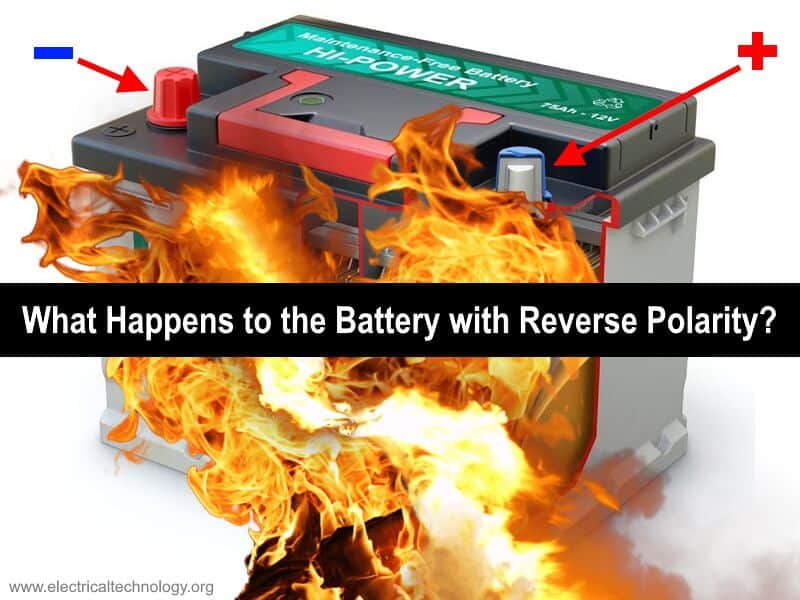
In the world of automotive maintenance and DIY car repair, few mistakes are as instantly nerve-wracking as realizing you have reversed the polarity of a battery connection. Whether you are jump-starting a dead vehicle in a grocery store parking lot or installing a new power source in your garage, the temptation to rush the process is high. However, modern vehicles are sophisticated ecosystems of electronic control units (ECUs), sensitive sensors, and complex wiring harnesses. Connecting a car battery backwards—placing the positive terminal to the negative post and vice versa—is a critical error that can trigger a cascade of technical failures.
Understanding the mechanics of why this mistake is so dangerous requires a deep dive into how electrical circuits function, how modern automotive technology protects (or fails to protect) itself, and the specific diagnostic steps necessary to mitigate damage when things go wrong.
The Physics of Reverse Polarity: A Technical Breakdown
At its most fundamental level, connecting a battery in reverse creates a short circuit through the vehicle’s electrical architecture. In a standard direct current (DC) system, the flow of electrons is unidirectional. Components are designed with specific “input” and “output” paths, and diodes—components that act as one-way valves for electricity—are frequently integrated into circuitry to maintain this directionality.
When you cross the polarity, you effectively force current to flow backward through these sensitive components. This creates a surge of energy that bypasses the intended resistances, leading to several immediate physical manifestations. The most common indicators of a reverse polarity event include the smell of burning plastic, the sight of smoke rising from the battery area, or the audible “pop” of a blown fuse. If the electrical system is unprotected, the current can heat wires to their melting point, strip insulation, and permanently fuse internal relay contacts.
The Role of Automotive Fuses and Fusible Links
Modern automotive engineers anticipate that human error is inevitable. As a result, the primary line of defense in your vehicle is the fuse box. Fuses are designed to be the “weakest link” in the chain. When the current exceeds a certain amperage—which happens instantaneously during a reverse connection—the metal filament inside the fuse melts, breaking the circuit and saving the downstream electronics.
However, many high-draw systems, such as the alternator and the main engine computer, are connected via high-amperage fusible links. These are much more robust than standard blade fuses. If the reverse connection lasts for more than a fraction of a second, these links may fail to protect the equipment, allowing the surge to travel directly into the ECU or the entertainment system, potentially causing catastrophic hardware failure.
The Impact on Modern Automotive Electronics
The primary reason connecting a battery backwards is more dangerous in a 2024 model than in a 1970s sedan lies in the sheer volume of microprocessors onboard. A modern vehicle relies on dozens of ECUs to manage fuel injection, braking systems (ABS), stability control, and infotainment.

Damage to the Engine Control Unit (ECU)
The ECU is the “brain” of the vehicle. It operates on low-voltage, highly sensitive logic circuits. While these components are built with a degree of internal voltage protection, they are rarely designed to handle a full 12-volt (or 14-volt) surge applied in reverse. When the polarity is reversed, the internal semiconductors within the ECU can suffer from “latch-up,” a condition where the chip enters an abnormal state that leads to overheating and physical damage to the silicon wafers. Once the ECU is damaged, the vehicle will typically fail to start, exhibit erratic idle patterns, or show a “check engine” light that is impossible to clear.
The Alternator Diode Failure
The alternator is particularly vulnerable to reverse polarity. Internally, the alternator contains a bridge rectifier, which consists of several diodes designed to convert the AC power generated by the alternator into the DC power required by the battery. When you connect the battery backward, you are essentially hitting these diodes with a massive forward-biased current. They are rarely designed to dissipate that much heat. Often, the diodes will “short” out, effectively ruining the alternator. Even if the car starts after the battery is connected correctly, a damaged alternator may fail to charge the battery, leading to a secondary breakdown shortly thereafter.
Diagnostic Steps: Assessing the Damage
If you suspect you have connected your battery incorrectly, the first rule is to disconnect it immediately. Do not attempt to “test” if it works by leaving it connected or trying to start the engine repeatedly. Once the cables are safely removed and secured, you must embark on a systematic diagnostic process to identify the extent of the impact.
Checking the Power Distribution Center
Begin by locating the primary fuse box, often located in the engine bay. Use a multimeter set to the continuity or resistance mode to test the main fuses. If you see a blown fusible link (usually a large, bolt-in fuse), you have identified a clear point of failure. Replace these with identical amperage ratings. Never “jump” a blown fuse with a piece of wire or foil, as this removes the safety mechanism entirely and can lead to an electrical fire.
Testing for Parasitic Draw
After checking the fuses, it is essential to determine if there is a “parasitic draw.” This occurs when a fried component is still attempting to pull power even when the ignition is off. With the battery connected correctly, place a multimeter in series with the negative battery terminal and the negative cable. If you see a high amperage draw (beyond the nominal 20–50 milliamps required for clocks and security systems), a component is likely permanently shorted. You can isolate the faulty system by pulling fuses one by one until the current draw drops to normal levels.
The Importance of Diagnostic Scanners
For vehicles manufactured after 1996, the On-Board Diagnostics (OBD-II) system is your most valuable tool. Using an OBD-II scanner, check for communication errors. If the scanner cannot “talk” to the ECU, it is a strong indicator that the engine computer has been fried. If it communicates but shows “U-codes” (Communication Bus faults), it suggests that while the main computer may be alive, the network architecture connecting the various sensors has been compromised.
Preventive Measures and Best Practices
To avoid this scenario, standard operating procedures should be non-negotiable. The most effective way to prevent reverse polarity is to adopt a consistent ritual during maintenance.
- The “Red-to-Red, Black-to-Ground” Rule: When jump-starting, always connect the positive cable to the dead battery first, then the positive to the donor. Next, connect the negative to the donor battery, and the final negative connection to a clean, unpainted metal surface on the dead car’s engine block. By avoiding a direct connection to the negative post of the dead battery, you minimize the risk of a spark causing a hydrogen explosion and make it physically harder to cross the connections.
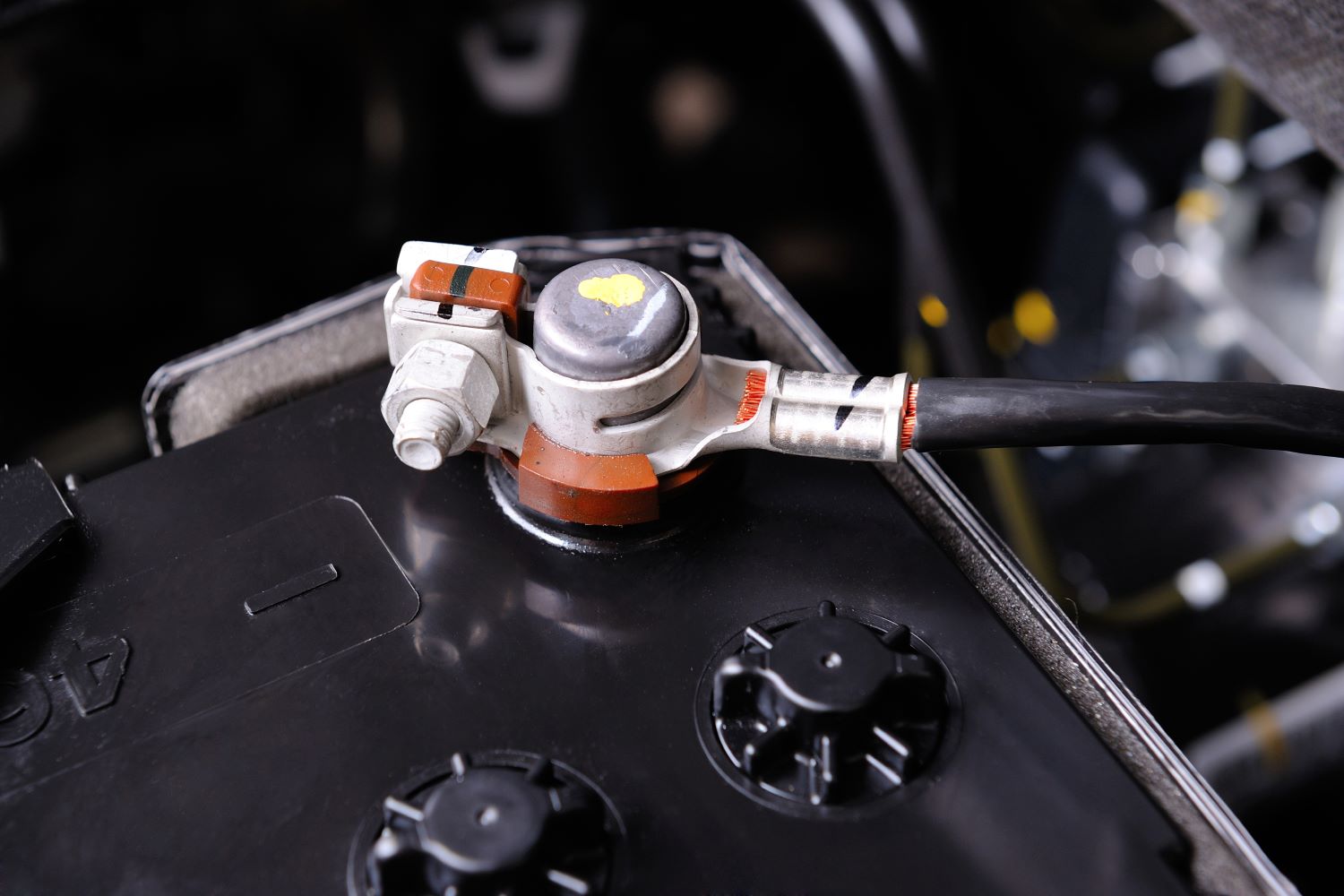
- Visual Confirmation: Never assume the cable colors correspond to the battery posts. Battery configurations vary wildly between car manufacturers; some have the positive terminal on the left, while others have it on the right. Always verify the “+” and “-” symbols embossed directly into the battery case.
- Use a Battery Maintainer: When storing a vehicle, use a trickle charger or battery maintainer with reverse-polarity protection. Modern intelligent chargers are designed to detect if the leads are crossed and will physically prevent power flow, acting as a failsafe against human error.
Ultimately, connecting a car battery backwards is a severe test of a vehicle’s electrical resilience. While modern engineering has provided numerous safeguards, the complexity of today’s automotive tech means that the cost of such a mistake can range from a few dollars for a fuse to thousands of dollars in electronic repairs. By understanding the path of electricity, the function of fuses, and the importance of systematic diagnostics, you can treat your vehicle’s electrical system with the respect and care it requires.
aViewFromTheCave is a participant in the Amazon Services LLC Associates Program, an affiliate advertising program designed to provide a means for sites to earn advertising fees by advertising and linking to Amazon.com. Amazon, the Amazon logo, AmazonSupply, and the AmazonSupply logo are trademarks of Amazon.com, Inc. or its affiliates. As an Amazon Associate we earn affiliate commissions from qualifying purchases.