
The “Airliner” episode of Bar Rescue remains one of the most frequently discussed case studies in the realm of corporate identity and failing brand strategy. When Jon Taffer and his production team arrived at the Airliner—a historic establishment in Iowa City—they were not merely fixing a broken tap system or updating a menu. They were attempting to perform emergency plastic surgery on a dying business model that had lost its connection to its target demographic. By analyzing this specific intervention, business owners can uncover profound truths about how brand equity is squandered, why legacy positioning often becomes a liability, and the brutal reality of what happens when a brand fails to evolve with its audience.
The Mirage of Legacy: When Heritage Becomes a Trap
In branding, “heritage” is often touted as an asset. It suggests stability, quality, and a unique story that competitors cannot easily replicate. However, the Airliner episode serves as a masterclass in how heritage can mutate into an anchor, dragging a business toward insolvency.
The Stagnation of Brand Identity
The Airliner had built its reputation on being a staple of the college town experience. For years, this was its primary marketing edge. Yet, as the demographic shifted and the preferences of the local university population evolved, the brand refused to follow suit. A brand identity is not a static sculpture; it is a living organism. When the identity remains trapped in a bygone era, it ceases to be “classic” and instead becomes “obsolete.”
The Cost of Emotional Attachment
The owners of the Airliner suffered from a common ailment in corporate branding: the inability to separate personal sentiment from market viability. By holding onto elements of the bar that held sentimental value but offered zero value to the modern consumer, they diluted their brand equity. A brand strategy that relies on “how things used to be” rather than “what the customer needs now” is destined for a hostile takeover by market forces. The lesson here is clear: you must be willing to kill your darlings to save the enterprise.
The Rebranding Paradox: Aesthetic vs. Functional Pivot
When Taffer intervenes in a business, he typically employs a dual-pronged rebranding strategy: a visual overhaul (the aesthetic) and an operational restructuring (the functional). The Airliner episode highlights the friction that occurs when these two prongs are not perfectly aligned.
The Visual Refresh
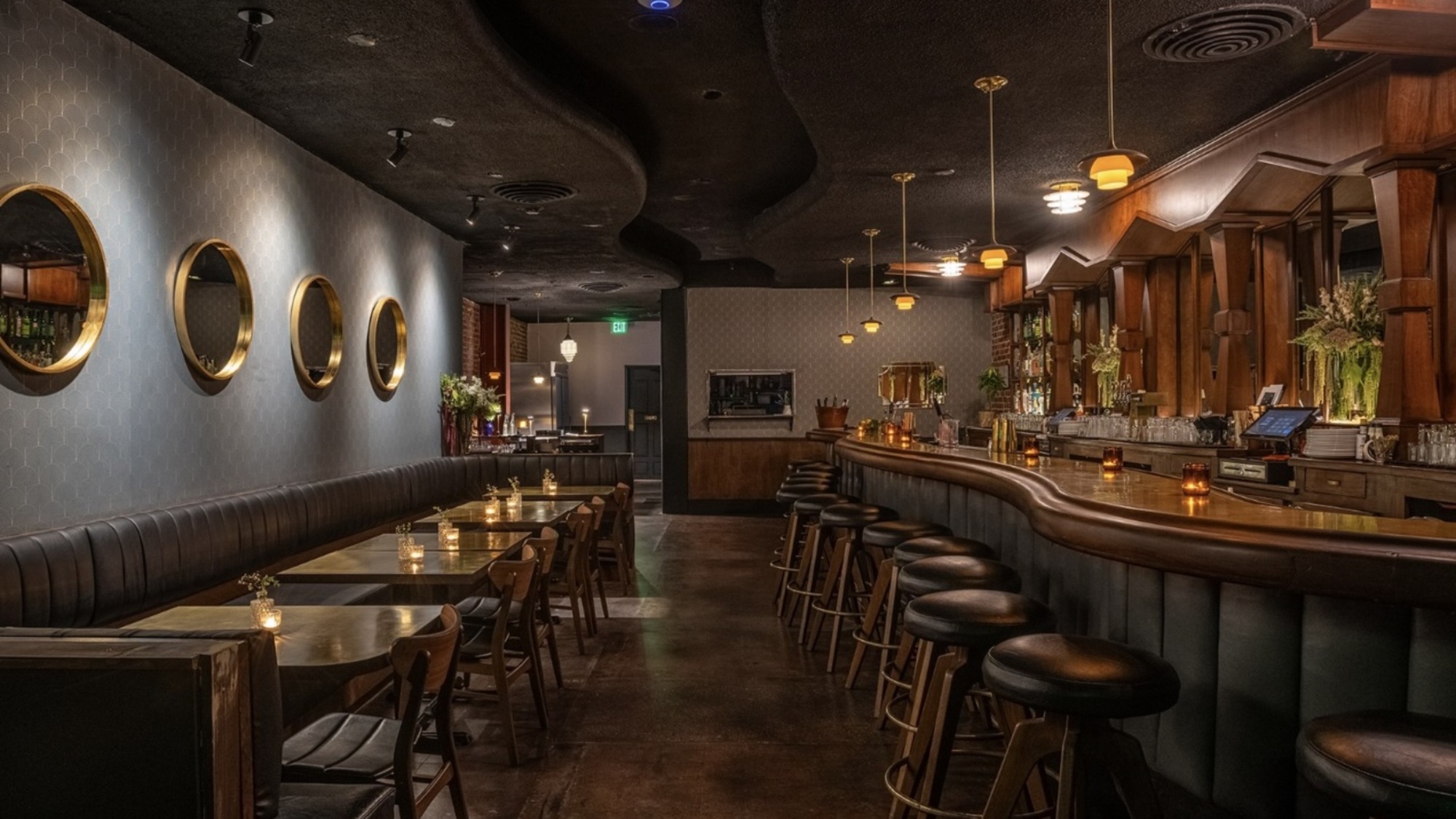
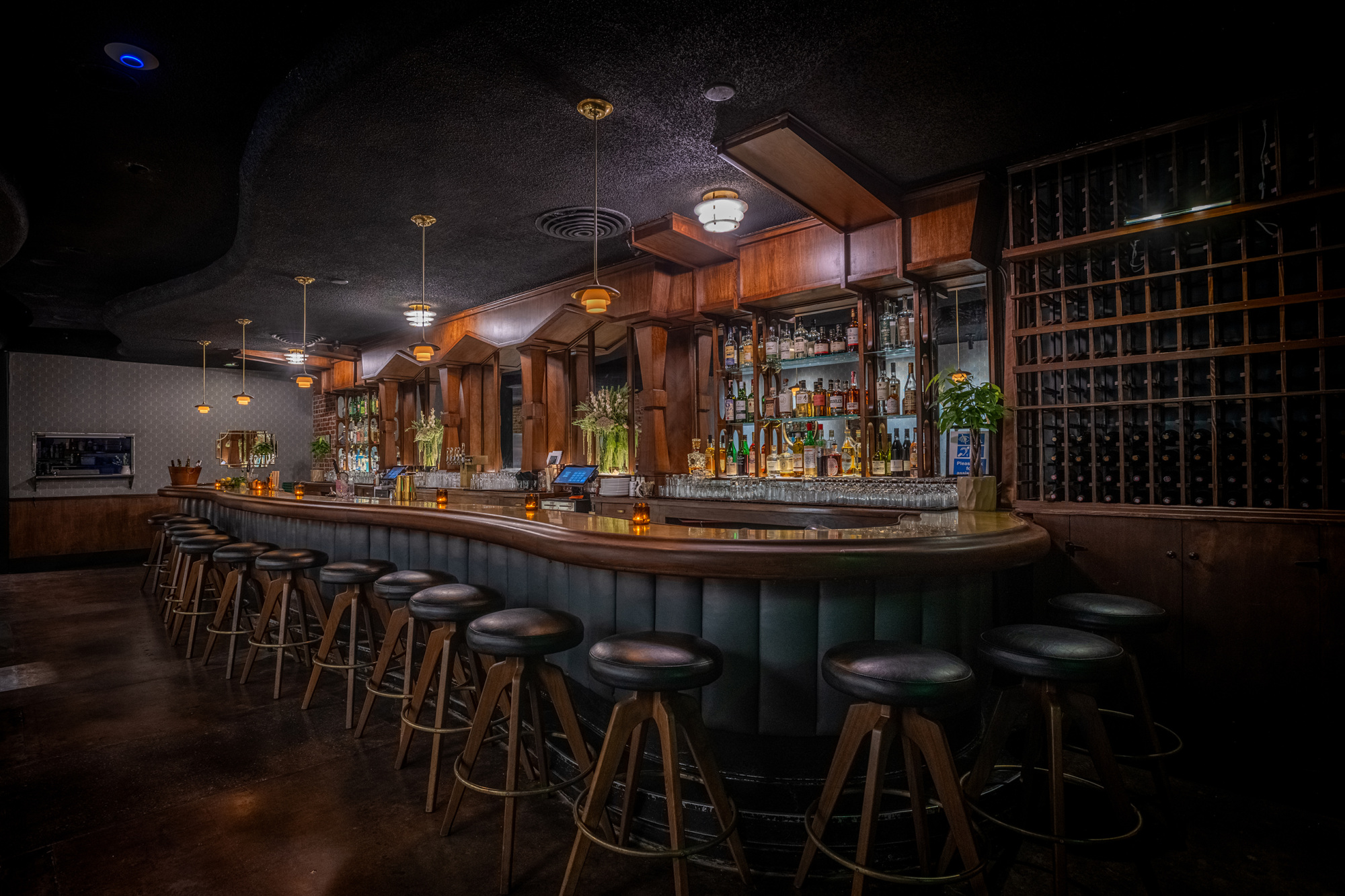
The production team implemented a modern aesthetic designed to attract a younger, higher-spending demographic. By cleaning up the visual identity, they were attempting to signal to the market that the product inside had changed. In corporate identity, this is often referred to as a “re-signal.” If a brand looks exactly the same as it did when it was failing, customers will assume the service is the same. However, visual changes are surface-level. They buy the brand time, but they do not guarantee loyalty.
The Operational Mismatch
The failure point in many Bar Rescue case studies, including the Airliner, often lies in the “functional” side of the brand strategy. If a brand changes its logo, its colors, and its layout (the aesthetic) but fails to change the training, the service standards, and the internal culture, the brand promise is broken the moment the customer walks through the door. A brand is a promise kept. When the exterior promise (a modern, efficient bar) contradicts the interior experience (sloppy service, poor inventory management), the result is brand dissonance. Consumers have a low tolerance for dissonance; they will walk away, and they will tell their peers to do the same.
Strategic Abandonment and Market Positioning
One of the most vital components of any brand strategy is knowing who you are not. The Airliner’s struggle was fundamentally one of poor positioning. They tried to be everything to everyone, which meant they were ultimately meaningful to no one.
Identifying the Target Demographic
A successful brand requires a laser-focused target audience. You cannot simultaneously cater to the rowdy undergraduate crowd and the discerning, older local alumni without clear internal segmentation. The Airliner’s identity was blurred. By failing to choose a lane, they allowed their competitors to carve out specific niches while they sat in the “everything/nothing” middle ground.
The Failure of Consistent Messaging
Branding is the cumulative effect of every touchpoint. In the case of the Airliner, the marketing messages were inconsistent with the product offerings. When a business attempts a rebrand, the internal team must be the first to adopt the new identity. If the staff does not understand the brand strategy, they cannot communicate it to the customer. The transition from a legacy dive to a modern collegiate hot spot requires a complete overhaul of the “internal brand.” This involves everything from the way bartenders talk to customers to the speed at which they process orders. Every interaction is a branding exercise.
Long-Term Viability in the Age of Competitive Hospitality
Following the Bar Rescue cameras leaving, the Airliner faced the same challenge every rebranded company encounters: maintaining momentum. The “rescue” provides the initial spark, but the long-term success of a brand strategy depends on the ability to iterate based on performance data.
The Data-Driven Pivot
Branding is not just intuition; it is data. Modern hospitality brands use point-of-sale data, social media sentiment, and foot traffic patterns to adjust their strategy in real-time. If the Airliner owners viewed the Bar Rescue episode as a “finished product” rather than a “foundational reset,” they were missing the point of contemporary business management. The most successful brands today are those that treat every quarter as a new opportunity to refine their strategy.
The Sustainability of Identity
The final takeaway from the Airliner saga is the importance of identity sustainability. Can the brand survive a change in leadership? Can it survive an economic downturn? Can it survive the loss of its original “hook”? Brands that rely on a single gimmick or a single personality (even a celebrity host like Taffer) are inherently fragile. A robust brand strategy creates a self-sustaining ecosystem where the identity is baked into the standard operating procedures. When the brand is bigger than the building, and bigger than the owners, it becomes a permanent fixture in the market.

Conclusion: Lessons for the Modern Brand
The story of the Airliner on Bar Rescue is a cautionary tale of brand drift. Businesses that allow their identity to atrophy, that fail to align their aesthetic with their functional reality, and that prioritize legacy over market relevance will eventually find themselves in the crosshairs of a disruptive intervention.
For today’s entrepreneurs, the mandate is clear: be honest about the state of your brand equity. If your current identity is holding you back, be prepared to strip it down and rebuild it with the customer—not your personal history—at the center of your decision-making. Branding is the most powerful tool in your business arsenal, but it requires constant maintenance, objective analysis, and the courage to change when the market speaks. The Airliner’s journey reminds us that in the world of business, there is no such thing as standing still. You are either growing into a stronger brand, or you are fading into a relic. Choosing the former requires a commitment to strategy over sentiment, and a willingness to treat your business not as a personal project, but as a dynamic, evolving brand entity.
aViewFromTheCave is a participant in the Amazon Services LLC Associates Program, an affiliate advertising program designed to provide a means for sites to earn advertising fees by advertising and linking to Amazon.com. Amazon, the Amazon logo, AmazonSupply, and the AmazonSupply logo are trademarks of Amazon.com, Inc. or its affiliates. As an Amazon Associate we earn affiliate commissions from qualifying purchases.