
While the human body is a marvel of biological engineering, it’s also a complex ecosystem where various microorganisms, including fungi, coexist. In most cases, this coexistence is harmonious. However, under certain conditions, some of these fungi, particularly Candida albicans, can overgrow, leading to an infection. One common and often uncomfortable manifestation of this overgrowth is a yeast infection under the breast, medically known as cutaneous candidiasis. This condition, characterized by redness, itching, burning, and sometimes a rash, can be a source of significant discomfort and embarrassment. Understanding the underlying causes is the first step towards effective prevention and treatment, allowing individuals to regain comfort and confidence.
The Fungal Culprits: Understanding Candida and Its Proliferation
At the heart of most yeast infections, including those under the breasts, lies a type of fungus called Candida albicans. This yeast is a normal inhabitant of the skin, mouth, and digestive tract of healthy individuals. It typically resides in a balanced microbial community, kept in check by the body’s immune system and the presence of beneficial bacteria. However, this balance can be disrupted, creating an environment where Candida can thrive and multiply excessively.
The skin, especially in areas that are warm and moist, provides an ideal breeding ground for fungal growth. The area beneath the breasts, due to the constant contact between skin surfaces, can trap heat and moisture, especially during warmer months or in individuals who are more prone to sweating. This creates a microclimate that is conducive to Candida proliferation. When the natural defenses of the skin are compromised, or when the environment becomes too favorable for the yeast, an overgrowth can occur, leading to the characteristic symptoms of a yeast infection.
Factors Contributing to Candida Overgrowth
Several factors can contribute to the disruption of the delicate balance that keeps Candida in check, leading to an infection under the breast. These factors can be broadly categorized into environmental, physiological, and behavioral.
Environmental Triggers: The Warm, Damp Microclimate
The physical environment under the breasts is arguably the most significant contributor to yeast infections in this region. The anatomical structure of the breast, particularly in individuals with larger breasts or during periods of increased perspiration, creates a naturally occlusive and humid environment.
- Heat and Moisture Trapping: The skin folds beneath the breasts trap body heat and moisture, creating a perpetually damp surface. This is exacerbated by physical activity, humid weather, or wearing tight, non-breathable clothing. Bacteria and fungi, including Candida, thrive in such warm, moist conditions.
- Friction: The constant rubbing of skin against skin, or skin against clothing, can irritate the skin. This irritation can compromise the skin’s natural barrier function, making it more susceptible to fungal invasion. Friction can also create tiny breaks in the skin, providing an entry point for the yeast.
- Poor Ventilation: Clothing materials that do not allow for adequate air circulation can trap sweat and heat, intensifying the problem. Synthetic fabrics, in particular, are often less breathable than natural fibers like cotton.
Physiological Predispositions: Internal Imbalances
Beyond external environmental factors, certain physiological conditions within the body can also make individuals more susceptible to yeast infections. These internal factors can weaken the immune system or alter the body’s natural microbial balance.
- Weakened Immune System: A compromised immune system, whether due to illness, certain medications, or underlying health conditions, can impair the body’s ability to keep fungal overgrowth in check. Conditions like HIV/AIDS, cancer, or autoimmune diseases can significantly increase susceptibility.
- Diabetes: Individuals with diabetes often have higher blood sugar levels. This elevated glucose can serve as a food source for Candida, promoting its rapid growth. Poorly controlled diabetes, in particular, is a significant risk factor for recurrent yeast infections.
- Hormonal Changes: Fluctuations in hormone levels can also play a role. For instance, pregnancy, the use of hormonal birth control, or hormone replacement therapy can sometimes alter the body’s susceptibility to yeast infections. These hormonal shifts can affect the skin’s microenvironment and its ability to resist fungal colonization.
- Antibiotic Use: Antibiotics are designed to kill bacteria, including the beneficial bacteria that normally keep Candida in check. When these beneficial bacteria are depleted, Candida can proliferate unchecked, leading to an overgrowth and infection. This is a common cause of vaginal yeast infections but can also contribute to skin infections.
Behavioral and Lifestyle Factors: Habits That Enable Growth
Certain daily habits and lifestyle choices can inadvertently create an environment conducive to yeast infections under the breast. Awareness of these factors is crucial for implementing preventive measures.
- Inadequate Hygiene: While excessive washing can strip the skin of its natural oils, neglecting proper hygiene can allow sweat, oil, and debris to accumulate, creating a fertile ground for microbial growth. It’s important to maintain a balance, ensuring the area is cleaned regularly and dried thoroughly.
- Improper Clothing Choices: Wearing tight-fitting, synthetic clothing, especially during exercise or in warm weather, can trap moisture and heat, promoting fungal growth. Opting for loose-fitting, breathable fabrics like cotton can significantly reduce this risk.
- Prolonged Wetness: Staying in damp clothing for extended periods, such as after swimming or sweating, can provide the ideal conditions for yeast to multiply. Changing out of wet clothes promptly is essential.
- Obesity: Individuals with obesity often have more pronounced skin folds, which can trap moisture and heat more effectively. This increased surface area for potential colonization makes them more prone to yeast infections in skin folds.
- Irritation from Personal Care Products: Some individuals may experience skin irritation from certain soaps, lotions, or powders, which can compromise the skin barrier and make it more vulnerable to infection. Heavy powders, in particular, can sometimes cake and create an environment that harbors moisture.
Recognizing the Signs and Symptoms: What to Look For

A yeast infection under the breast typically presents with a range of uncomfortable symptoms that can significantly impact daily life. Early recognition is key to prompt treatment and preventing the infection from worsening or spreading.
The Visual and Tactile Presentation
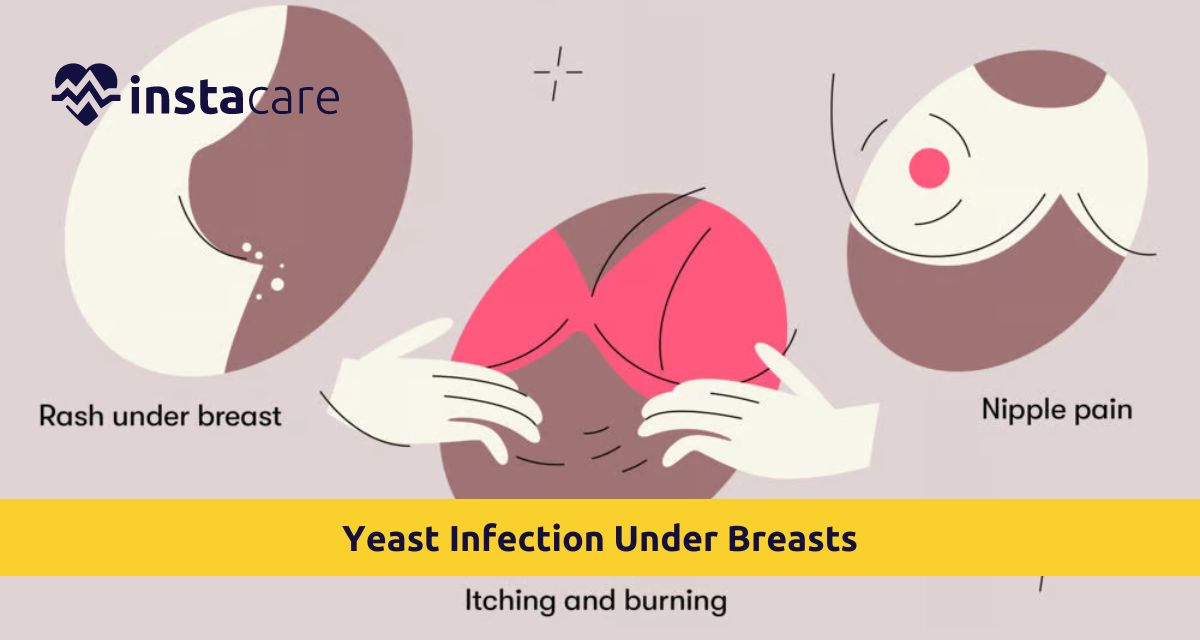
The most common visual indicator of a yeast infection under the breast is a red rash. This redness can be intense and may appear as patches or a more widespread area. The rash is often accompanied by itching, which can be severe and persistent, leading to discomfort and difficulty sleeping or concentrating.
Another common symptom is a burning or stinging sensation. This feeling can be exacerbated by friction or contact with irritants. In some cases, small blisters or pustules may form within the rash, and the skin may appear cracked or sore. A characteristic feature of some fungal infections is a moist, macerated appearance of the skin. A milky white discharge or peeling skin may also be observed in more advanced or chronic cases. The affected area might also have a mildly unpleasant odor, distinct from normal body odor, due to the breakdown of skin cells by the yeast.
When to Seek Medical Advice
While mild yeast infections can sometimes be managed with over-the-counter remedies, it is crucial to consult a healthcare professional if you experience any of the following:
- Symptoms do not improve after a week of home treatment.
- The rash is spreading rapidly or covers a large area.
- You experience severe pain or swelling.
- You have a fever or feel generally unwell.
- You have underlying health conditions like diabetes or a compromised immune system.
- You have a history of recurrent yeast infections.
A doctor can accurately diagnose the infection, rule out other skin conditions that may present with similar symptoms (such as bacterial infections, eczema, or intertrigo), and recommend the most appropriate course of treatment. This is particularly important for individuals with pre-existing health conditions that may complicate treatment or increase the risk of complications.
Prevention Strategies: Keeping the Fungal Overgrowth at Bay
Preventing yeast infections under the breast primarily revolves around managing the environmental conditions that foster fungal growth and maintaining good personal hygiene. By adopting a proactive approach, individuals can significantly reduce their risk.
Maintaining a Dry and Breathable Environment
The cornerstone of prevention is keeping the area under the breasts as dry and well-ventilated as possible.
- Choose Breathable Fabrics: Opt for bras and clothing made from natural, breathable fibers like cotton. Avoid tight-fitting synthetic materials, especially during exercise or in hot, humid weather. Wearing loose-fitting clothing also allows for better air circulation.
- Change Damp Clothing Promptly: If you sweat heavily, after exercise, or if your bra becomes damp, change into dry clothes as soon as possible. This includes changing out of a wet swimsuit.
- Thorough Drying: After showering or bathing, ensure you thoroughly dry the area under your breasts with a soft towel. Gently pat the skin dry rather than rubbing.
- Consider Antiperspirants or Powders (with caution): For individuals prone to excessive sweating, a gentle, talc-free antifungal powder or an antiperspirant applied to the skin folds can help absorb moisture. However, some powders can cake and worsen the problem, so it’s best to consult with a doctor or dermatologist for recommendations. Ensure any powder used is specifically designed for skin use and does not contain fragrances or irritants.

Lifestyle Adjustments for Reduced Risk
Beyond immediate environmental management, certain lifestyle adjustments can contribute to long-term prevention.
- Maintain a Healthy Weight: For individuals who are overweight or obese, losing even a small amount of weight can reduce the depth of skin folds, thereby decreasing moisture and heat trapping.
- Manage Underlying Health Conditions: If you have diabetes, maintaining good blood sugar control is paramount. Work with your doctor to manage any chronic health conditions that might compromise your immune system.
- Practice Good Hygiene: Regular bathing or showering with a mild, fragrance-free soap is important. Ensure you clean the entire skin area, including beneath the breasts, and rinse thoroughly. Avoid harsh scrubbing, which can irritate the skin.
- Be Mindful of Personal Care Products: If you find that certain soaps, lotions, or detergents irritate your skin, switch to hypoallergenic or fragrance-free alternatives. Avoid using heavy creams or oils in the breast area, as these can trap moisture.
By consistently implementing these preventative measures, individuals can create an environment that is less hospitable to Candida overgrowth and significantly lower their chances of developing a yeast infection under the breast. Early intervention and understanding the contributing factors are key to managing this common and uncomfortable condition.
aViewFromTheCave is a participant in the Amazon Services LLC Associates Program, an affiliate advertising program designed to provide a means for sites to earn advertising fees by advertising and linking to Amazon.com. Amazon, the Amazon logo, AmazonSupply, and the AmazonSupply logo are trademarks of Amazon.com, Inc. or its affiliates. As an Amazon Associate we earn affiliate commissions from qualifying purchases.