
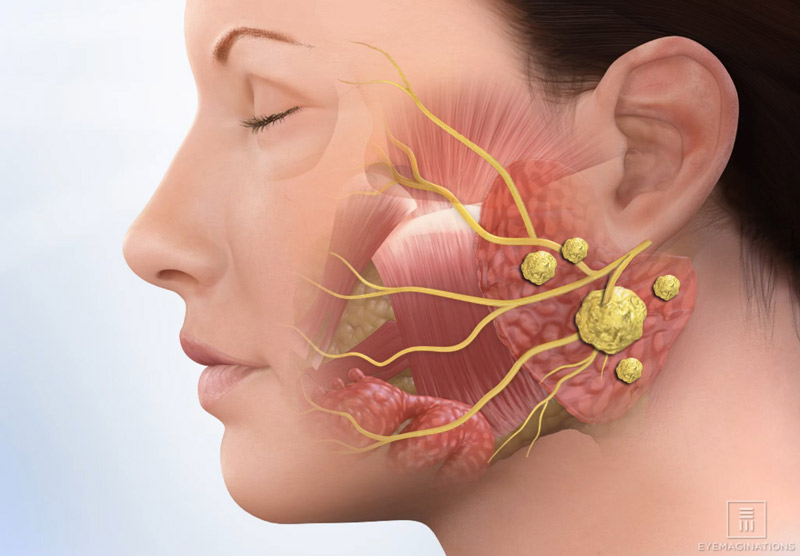
The human body is a marvel of interconnected systems, and sometimes, even seemingly minor disruptions can lead to significant discomfort. Among these is the formation of salivary gland stones, also known as sialoliths. These calcified deposits, often described as small pebbles, can block the ducts that carry saliva from the salivary glands to the mouth. The resulting blockage can lead to swelling, pain, and a higher risk of infection. While the exact trigger for every salivary gland stone isn’t always clear-cut, a combination of factors contributes to their development. Understanding these causes is the first step in prevention and effective management.
Dehydration: The Unsung Culprit
One of the most significant and often overlooked factors contributing to salivary gland stones is dehydration. Saliva, the “water of life” in our mouths, plays a crucial role in lubrication, digestion, taste, and oral hygiene. It’s a complex fluid composed primarily of water, along with electrolytes, enzymes, and proteins. When we are adequately hydrated, saliva flows freely and efficiently through the salivary ducts.
However, when the body is dehydrated, the salivary glands produce less saliva. This reduced flow is thicker and more concentrated, with a higher proportion of solids like calcium and phosphate salts. Think of it like trying to push a thicker syrup through a narrow straw compared to water. The less water available, the more concentrated the dissolved substances become. In the context of salivary ducts, this concentrated saliva increases the likelihood of these dissolved minerals precipitating out of solution and clumping together. These initial microscopic clusters can then act as nuclei, attracting more calcium and phosphate, and gradually growing into a stone.
Several scenarios can lead to dehydration:
- Insufficient Fluid Intake: Simply not drinking enough water throughout the day is a primary cause. This can be due to forgetfulness, busy schedules, or a lack of access to water.
- Excessive Fluid Loss: Conditions that cause significant fluid loss, such as vomiting, diarrhea, excessive sweating from strenuous exercise or hot weather, and certain medications (like diuretics), can also contribute to dehydration and, consequently, a higher risk of stone formation.
- Illness: Fevers can increase the body’s fluid requirements and lead to dehydration if fluid intake isn’t increased accordingly.
- Underlying Medical Conditions: Certain medical conditions, like diabetes or kidney disease, can affect the body’s fluid balance and increase the risk of dehydration.
The role of dehydration highlights the simple yet profound importance of maintaining adequate hydration for overall health, including the proper functioning of our salivary glands.
Changes in Saliva Composition: A Chemical Imbalance
Beyond the quantity of saliva, its quality or composition also plays a vital role in the formation of salivary gland stones. Saliva isn’t just water; it contains various dissolved substances, including calcium, phosphate, magnesium, and proteins. For a stone to form, these components need to aggregate and solidify.
Several factors can alter the normal chemical balance of saliva, making it more prone to stone formation:
1. Increased Calcium and Phosphate Levels
Calcium and phosphate are the primary building blocks of salivary stones. While these minerals are essential for bone health and many bodily functions, an elevated concentration in saliva can increase the risk of them precipitating out of solution. This increase can be influenced by:
- Dietary Factors: While not a direct cause in most cases, a diet very high in calcium or phosphate might theoretically contribute to higher concentrations in bodily fluids, including saliva. However, this is less common than other factors.
- Metabolic Conditions: Certain metabolic disorders can affect the body’s handling of minerals like calcium and phosphate, potentially leading to higher levels in saliva.
- Medications: Some medications can affect mineral metabolism, though this is less common.
2. Altered Protein Content and Structure
Saliva contains various proteins, some of which act as inhibitors of calcification, preventing mineral crystals from forming. However, changes in the types or amounts of these proteins can disrupt this protective mechanism. For instance, if the concentration of these protective proteins decreases, or if their structure is altered, they become less effective at preventing mineral aggregation.
Furthermore, some proteins in saliva can act as a matrix or scaffold upon which mineral crystals can deposit and grow. If these matrix proteins are present in higher concentrations or become abnormally structured, they can facilitate the initial formation and growth of a stone.
3. Bacterial Influence
The oral cavity is home to a vast ecosystem of bacteria. While many are beneficial, certain types of bacteria can contribute to salivary stone formation. These bacteria can:
- Produce Enzymes: Some bacteria produce enzymes that can break down organic matter within the saliva, creating a more favorable environment for mineral deposition.
- Contribute to pH Changes: Bacterial activity can influence the pH of the oral cavity, and shifts in pH can affect the solubility of minerals like calcium and phosphate.
- Form Biofilms: Bacteria can form biofilms, sticky layers that can trap mineral particles and provide a surface for stone growth.
The interplay between saliva composition and the oral microbiome is complex. When the balance is disturbed, the risk of salivary gland stones can increase.
Obstructions and Injuries: Physical Blockages and Irritations

While chemical imbalances are a primary driver, physical factors can also initiate or exacerbate the formation of salivary gland stones. These often involve something that obstructs the normal flow of saliva or irritates the salivary duct lining, creating a surface for minerals to adhere to.
1. Pre-existing Blockages or Narrowing of Ducts
Sometimes, the salivary ducts themselves might have pre-existing issues that make them more susceptible to stone formation. This can include:
- Scarring: Previous inflammation, infection, or injury to the salivary ducts can lead to scarring, which narrows the duct lumen. This narrowing impedes saliva flow, making it more likely for concentrated saliva to stagnate and for stones to form.
- Congenital Abnormalities: In rare cases, individuals may be born with abnormalities in the structure or branching of their salivary ducts, which can predispose them to blockages.
2. Trauma and Injury to the Glands or Ducts
Direct trauma to the salivary glands or their ducts can trigger stone formation. This might occur through:
- Dental Procedures: While uncommon, certain invasive dental procedures, particularly those involving the area near the salivary ducts, could potentially cause minor injury or irritation.
- Oral Surgery: Similarly, oral surgery in the vicinity of the salivary glands can sometimes lead to ductal disruption.
- Direct Impact: A blow to the face or jaw that affects the salivary glands could also be a contributing factor.
When the duct lining is injured, it can become a more receptive surface for mineral deposits. The damaged tissue can also trigger an inflammatory response, which further contributes to the conditions favoring stone formation.
Lifestyle and Environmental Factors: The Broader Picture
While the core causes often revolve around dehydration, saliva composition, and physical obstructions, broader lifestyle and environmental factors can indirectly influence these elements and therefore contribute to the risk of salivary gland stones.
1. Diet and Hydration Habits
As already emphasized, insufficient fluid intake is a major player. Beyond just the quantity of water, the frequency of fluid consumption matters. Sipping water throughout the day is generally more effective for maintaining consistent saliva flow than drinking large amounts infrequently.
Regarding diet, while no specific food directly causes salivary stones, a diet that is generally low in water content and high in processed foods might contribute to a state where dehydration is more easily achieved. Conversely, a diet rich in fruits and vegetables naturally increases fluid intake.
2. Smoking and Alcohol Consumption
Both smoking and excessive alcohol consumption can negatively impact oral health and salivary gland function.
- Smoking: Tobacco products can alter the composition of saliva, potentially making it thicker and more prone to calcification. Smoking also reduces saliva flow and can lead to inflammation in the oral tissues, indirectly increasing the risk.
- Alcohol: Alcohol is a diuretic, meaning it can increase fluid loss from the body, contributing to dehydration. Excessive alcohol consumption can also affect overall health and immune function, potentially impacting the body’s ability to manage oral health effectively.
3. Medications
Certain medications can have side effects that increase the risk of salivary gland stones. These can include:
- Diuretics: As mentioned, these medications promote fluid loss, leading to dehydration.
- Anticholinergics: These drugs can reduce saliva production by blocking the action of acetylcholine, a neurotransmitter that stimulates salivary glands.
- Some Antihistamines and Antidepressants: Certain classes of these medications can also have a drying effect on the mouth.
It’s important to note that not everyone taking these medications will develop salivary stones. However, if you are experiencing frequent dry mouth or have a history of salivary stones, it’s worth discussing your medications with your doctor or dentist.

Conclusion: A Multifaceted Phenomenon
In conclusion, salivary gland stones are not typically caused by a single factor but rather a confluence of influences. Dehydration stands out as a primary culprit, leading to concentrated, thick saliva that readily precipitates minerals. This is compounded by alterations in saliva composition, where imbalances in calcium, phosphate, and protective proteins, as well as the presence of certain bacteria, can foster stone formation. Physical factors like pre-existing ductal narrowing or injury to the glands and ducts can create a conducive environment for these stones to develop. Finally, lifestyle choices such as inadequate hydration, smoking, excessive alcohol intake, and the use of certain medications can indirectly contribute to the risk. By understanding these multifaceted causes, individuals can take proactive steps, primarily focusing on maintaining excellent hydration and seeking prompt medical attention for any persistent oral discomfort, to minimize their chances of experiencing the painful inconvenience of salivary gland stones.
aViewFromTheCave is a participant in the Amazon Services LLC Associates Program, an affiliate advertising program designed to provide a means for sites to earn advertising fees by advertising and linking to Amazon.com. Amazon, the Amazon logo, AmazonSupply, and the AmazonSupply logo are trademarks of Amazon.com, Inc. or its affiliates. As an Amazon Associate we earn affiliate commissions from qualifying purchases.