
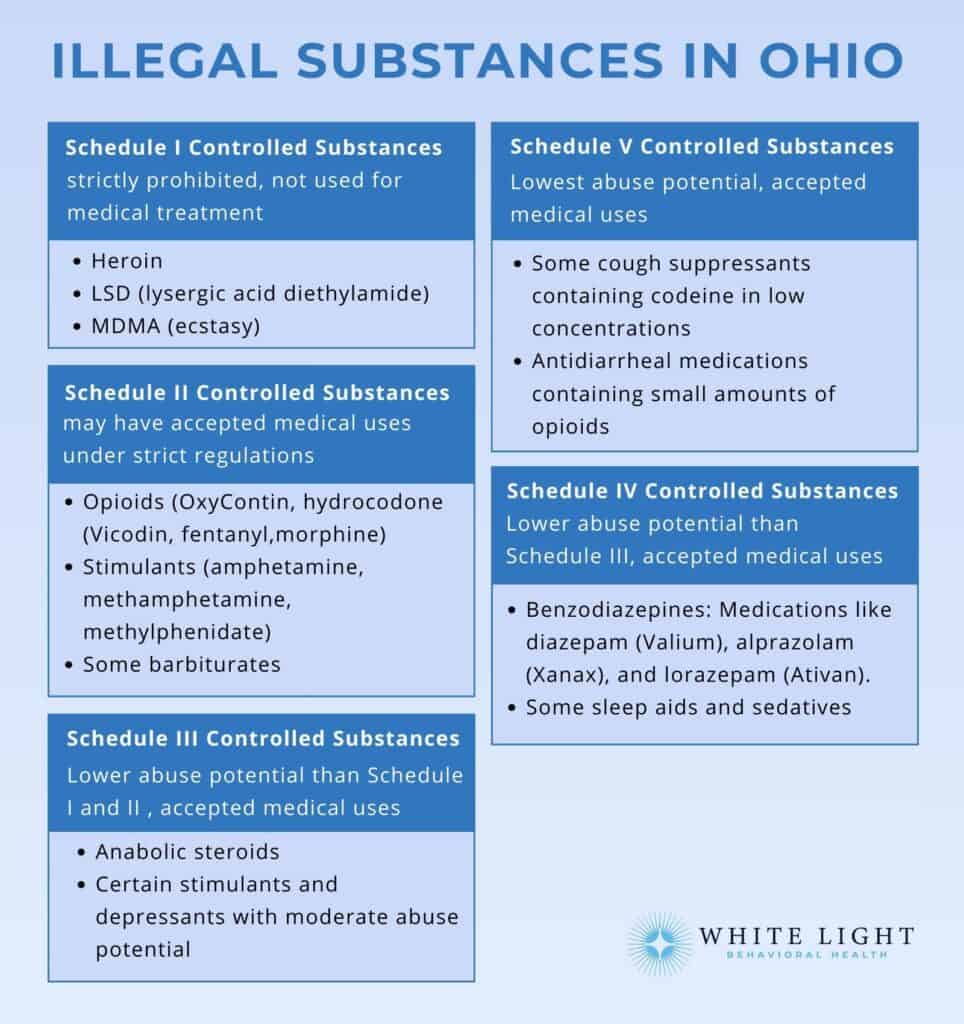
The intersection of state regulation and consumer commerce often creates complex financial ecosystems. In Ohio, the shifting landscape surrounding controlled substances—particularly cannabis and hemp-derived products—presents a unique case study in market maturation and consumer spending. From a financial and business perspective, understanding what is “legal” in Ohio is less about pharmacology and more about the growth of a multi-billion-dollar industry, the risks inherent in emerging markets, and the opportunities for investors and entrepreneurs looking to capitalize on state-sanctioned commerce.
The Evolution of the Ohio Cannabis Market: A Financial Perspective
The legalization of medical marijuana in Ohio, followed by the recent expansion into adult-use retail, has fundamentally changed the state’s retail landscape. For businesses, this transition represents a pivot from a gray-market curiosity to a regulated, high-tax-revenue engine.
Capitalizing on Retail Licensing
For investors, the Ohio cannabis industry is defined by the scarcity of licensure. Because the state maintains tight control over the number of dispensaries and cultivation facilities, the value of a physical license is immense. Unlike traditional retail, where capital is primarily deployed toward inventory and rent, cannabis retail in Ohio requires a substantial allocation toward regulatory compliance and legal defense.
Investors eyeing this space must understand the “barrier-to-entry” cost. Acquiring a retail permit in Ohio often involves significant upfront capital investment to meet state security, inventory tracking, and operational standards. However, the return on investment (ROI) is historically robust due to high consumer demand and limited supply-side competition, making it a compelling, albeit volatile, asset class for portfolios focused on specialized consumer goods.
Tax Revenue and State Economic Impact
From a macroeconomic standpoint, the legalization of cannabis in Ohio is a strategic fiscal move. The state imposes an excise tax on cannabis products, which creates a new stream of public funding. For financial planners and business owners, this shift signals a long-term commitment by the state to support the industry. This institutional support minimizes the “prohibition risk” that historically hampered investments in the sector, allowing for more predictable long-term financial modeling.
The Complexity of Hemp-Derived Cannabinoids and CBD
While traditional marijuana occupies the headlines, the hemp-derived sector represents a different, more accessible frontier for small business owners and individual investors. Under the 2018 Farm Bill, which Ohio adopted into its own state code, hemp-derived products containing less than 0.3% Delta-9 THC are federally and state-compliant.
Navigating the “Gray Market” of Delta-8 and Beyond
The rise of Delta-8 THC and other novel cannabinoids has created a massive retail market in Ohio. These products are legal, provided they are derived from hemp and meet the strict federal and state thresholds for THC concentration. For entrepreneurs, this sector offers a lower barrier to entry than the medical or adult-use cannabis markets.
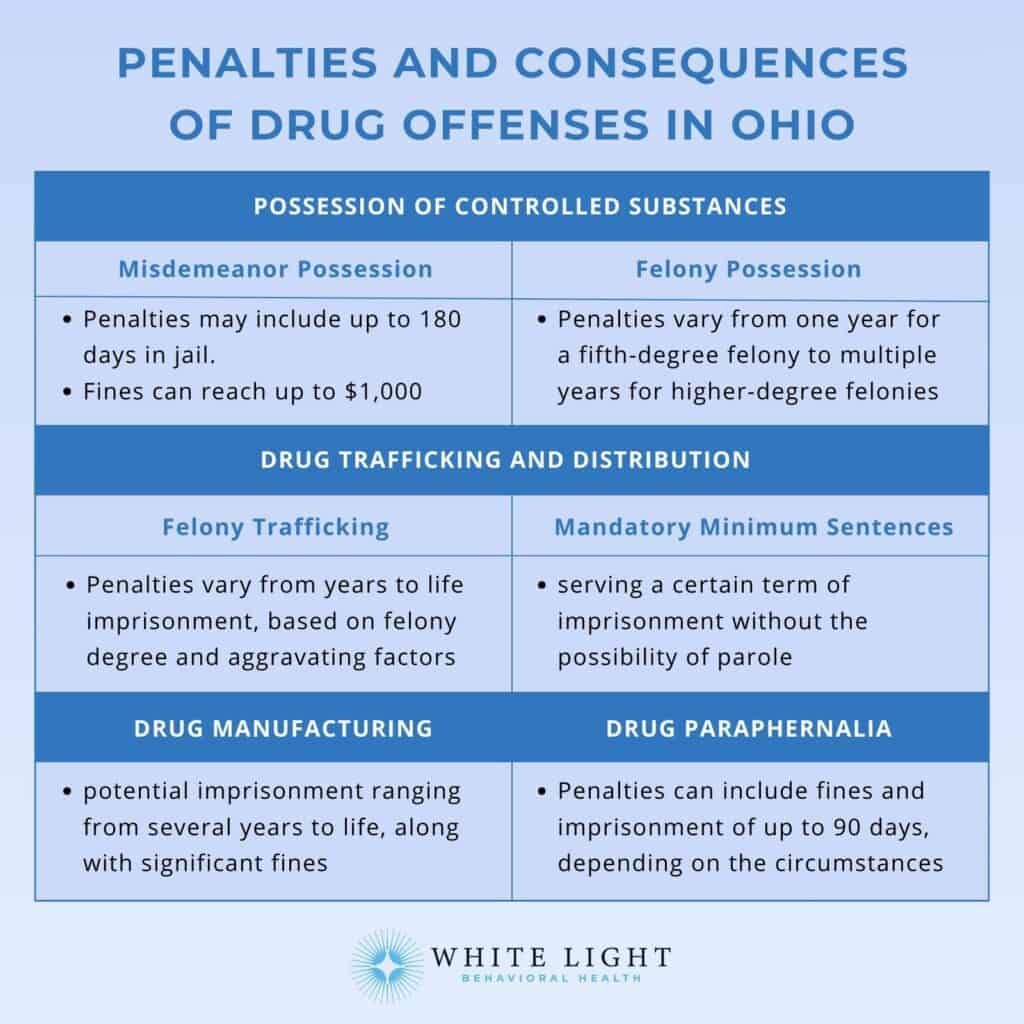
However, the “legal” status of these products is subject to frequent legislative review. A savvy business owner in Ohio must approach this sector with a risk-mitigation strategy. Investing heavily in inventory that could be rendered illegal by a state house bill represents a major financial hazard. Consequently, those operating in this space often prioritize rapid turnover and high-margin, short-term sales cycles to hedge against regulatory pivots.
Supply Chain and Product Liability
For businesses distributing these products, financial health is tied directly to the reliability of the supply chain. Ensuring that a supplier provides valid Certificates of Analysis (COAs) is not just a regulatory necessity; it is a critical business practice. Mislabeling or testing failures can lead to product seizures and civil litigation, both of which can destroy a small business’s balance sheet. Engaging in this market requires a sophisticated approach to liability insurance and legal auditing, which should be factored into any business plan.
Strategic Financial Planning for Emerging Industry Entrepreneurs
Operating within the sphere of legal, yet sensitive, substances in Ohio requires a departure from traditional financial management. The banking system remains complicated for businesses that touch the cannabis plant, necessitating specialized financial strategies.
The Banking Challenge
Even though medical and adult-use cannabis are legal in Ohio, the fact that they remain federally prohibited creates a “banking bottleneck.” Many national banks refuse to service businesses that sell THC products, forcing entrepreneurs to utilize credit unions or private banking institutions that have developed specialized “cannabis-compliant” services.
This increases the cost of doing business. Compliance fees, audit requirements, and higher banking costs effectively act as an additional tax on the business. Entrepreneurs must account for these overheads in their initial business models to ensure that the projected margins remain attractive after these specialized service fees are deducted.
Managing Cash Flow in a Highly Regulated Environment
Due to banking restrictions, many of these businesses operate with higher-than-average cash reserves on-site, which brings security and insurance costs into the spotlight. A robust financial plan must include:
- Specialized Insurance: General liability coverage often does not extend to cannabis inventory, requiring bespoke policies that protect against product loss, employee theft, and regulatory non-compliance.
- Inventory Management Systems (IMS): Ohio law mandates specific inventory tracking. Failure to comply can result in massive fines that directly impact the bottom line. Integrating these systems with accounting software is essential for maintaining tax compliance and investor reporting accuracy.
- Tax Optimization (280E Consideration): Businesses in the cannabis industry must be acutely aware of IRS Section 280E, which prevents companies from deducting ordinary business expenses against income generated from the sale of controlled substances. While this is a federal rule, it drastically impacts the net profit margins of any Ohio-based cannabis retailer, making tax planning the most critical factor in a company’s financial survival.
Future Trends and the Financial Outlook for Ohio’s Regulated Markets
The trajectory for “legal” substances in Ohio points toward further normalization. As the state continues to refine its regulatory framework, the risks—and the rewards—are likely to shift.
Opportunities for Consolidation
As the industry matures, the financial landscape will likely see a wave of mergers and acquisitions (M&A). Smaller operators who have built brand equity but struggle with the high cost of regulatory compliance are prime targets for larger, well-capitalized cannabis corporations. For investors, monitoring these potential exits is key to capturing significant gains. Understanding the valuation metrics of these companies—which often trade at multiples based on revenue rather than net income due to the 280E tax burden—is vital for making sound investment decisions.
Diversification Beyond the Plant
Finally, the “legalization” of these products has birthed a secondary economy of service providers. Real estate firms specializing in agricultural and retail zoning, specialized law firms, security companies, and HVAC contractors with expertise in grow-facility climate control are all finding lucrative niches. Investing in the ecosystem surrounding these drugs, rather than just the products themselves, allows for participation in the industry’s growth with significantly lower regulatory risk.
In conclusion, “legal” in Ohio is a dynamic status that requires constant monitoring of legislative updates and market conditions. Whether an entrepreneur or an investor, success in this space depends on a disciplined approach to compliance, a sophisticated understanding of tax law, and a willingness to navigate the friction between state-level legalization and federal-level prohibition. By prioritizing risk management and operational efficiency, market participants can successfully build wealth within this rapidly evolving Ohio industry.
aViewFromTheCave is a participant in the Amazon Services LLC Associates Program, an affiliate advertising program designed to provide a means for sites to earn advertising fees by advertising and linking to Amazon.com. Amazon, the Amazon logo, AmazonSupply, and the AmazonSupply logo are trademarks of Amazon.com, Inc. or its affiliates. As an Amazon Associate we earn affiliate commissions from qualifying purchases.