
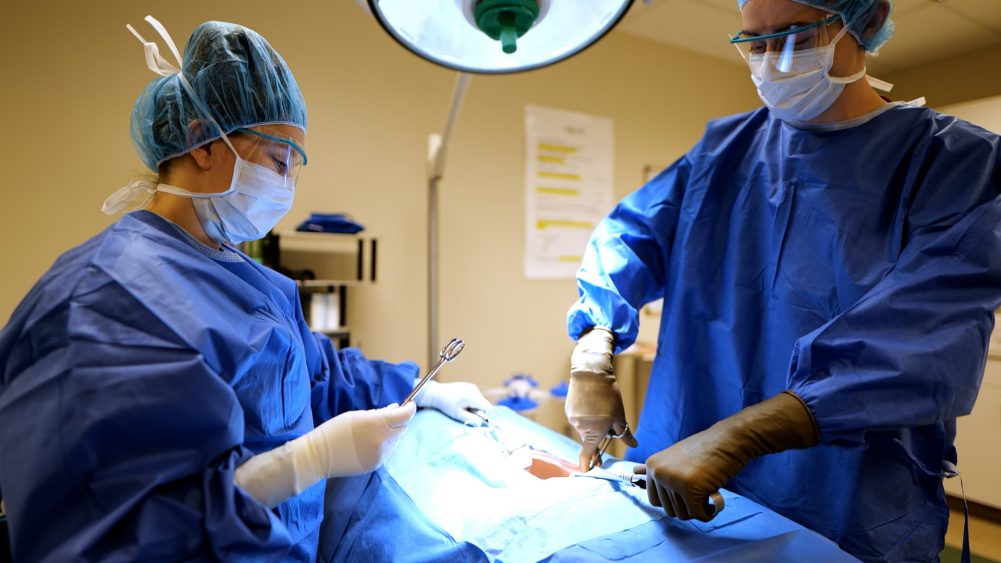
The operating room (OR) is the financial and operational engine of any hospital. Within this high-stakes environment, the operating room nurse serves as a critical strategic asset. While often viewed through a purely clinical lens, the role of an OR nurse is deeply rooted in operational efficiency, resource management, and the protection of a healthcare facility’s most valuable assets: its reputation, its surgical throughput, and its bottom line. Understanding what an OR nurse does requires looking past the sterile field to examine the complex business ecosystem they manage every single day.

Operational Strategy and Workflow Management
At the heart of the OR nurse’s responsibility is the optimization of the surgical workflow. In the language of corporate operations, the OR is a manufacturing floor where the product is patient health. Any inefficiency here directly translates to lost revenue and increased overhead costs.
Managing Surgical Throughput
The OR nurse acts as a project manager, ensuring that cases start on time, turnover times are minimized, and that the surgical team remains synchronized. A delay of fifteen minutes in an OR can cost a facility thousands of dollars in staff overtime and lost procedure volume. By coordinating between anesthesia, the surgical team, and post-operative care, the OR nurse ensures that the “assembly line” of surgery remains fluid. They analyze real-time data—such as room utilization rates and case durations—to preemptively identify bottlenecks.
Resource Allocation and Asset Utilization
Every piece of equipment in an OR—from robotic surgery platforms to specialized imaging arrays—represents a massive capital investment. The OR nurse is the primary steward of these assets. They are responsible for ensuring that the correct, highly expensive equipment is calibrated and available precisely when needed. Mismanagement of these supplies can lead to preventable equipment depreciation or the need for expensive last-minute rentals. By maintaining strict inventory controls and ensuring the maintenance of high-value surgical technology, the nurse directly impacts the facility’s capital expenditure efficiency.
Risk Mitigation and Liability Control
In the business of medicine, risk is a constant variable. The OR nurse serves as the primary barrier against the catastrophic financial and reputational losses associated with surgical errors. Protecting the hospital’s brand and maintaining clinical excellence are two sides of the same coin.
Compliance and Regulatory Standards
Healthcare is one of the most heavily regulated industries in the world. OR nurses operate under the strict mandates of organizations like The Joint Commission and various state-level regulatory bodies. Maintaining compliance isn’t just about patient safety; it is about ensuring the hospital remains eligible for reimbursement from Medicare, Medicaid, and private insurers. A failure in infection control protocols or documentation can lead to severe fines, loss of accreditation, and permanent damage to a hospital’s corporate identity. The OR nurse ensures that every protocol is followed, serving as a vigilant internal auditor in a high-pressure environment.

Documentation and Billing Integrity
Inaccurate documentation is a significant source of revenue leakage in the healthcare sector. When a surgical procedure is performed, the OR nurse is responsible for the precise documentation of every implant, prosthetic, and piece of expensive disposables used during the operation. This documentation is the basis for billing. If a nurse fails to accurately capture the items used, the hospital cannot recoup the cost of those supplies from the payer. By maintaining high standards of clinical documentation, the OR nurse ensures that the hospital’s revenue cycle management remains robust and defensible against payer audits.
Strategic Team Leadership and Personnel Management
An OR nurse functions as a team lead, overseeing a diverse group of professionals with varying degrees of seniority and specialized skill sets. Effective team management is essential for maintaining the culture and operational rhythm of the surgical unit.
Managing Human Capital
The OR is an environment of intense pressure, which makes staff burnout a genuine business risk. High turnover rates in surgical departments are incredibly expensive, requiring significant investments in recruitment, onboarding, and training. The OR nurse works to manage team dynamics, ensuring that communication is clear and professional. By fostering a high-performance culture, they help retain skilled surgeons, scrub techs, and support staff, thereby stabilizing the workforce and reducing the hidden costs associated with employee turnover.
Interdisciplinary Communication
The operating room requires a level of cross-departmental collaboration that is unparalleled in other hospital units. The OR nurse acts as the bridge between Sterile Processing (which cleans the instruments), Radiology (which provides imaging support), and the Pre-Op/PACU departments. By managing these complex relationships, they ensure that the internal supply chain remains unbroken. This strategic alignment is essential for a hospital to present a unified, high-quality brand to its patients, as any breakdown in communication between these departments will inevitably reach the patient experience.
Financial Stewardship and Cost-Efficiency
Ultimately, the goal of an OR nurse is to provide high-quality surgical outcomes while minimizing wastage—a fundamental principle of Lean healthcare management.
Supply Chain Management and Waste Reduction
Modern surgical procedures often utilize disposables that cost hundreds or thousands of dollars. The OR nurse must decide what is necessary for a procedure and what is excessive. By preventing the unnecessary opening of surgical packs and managing the inventory of high-cost items, they act as a financial guardian for the surgical department. They work closely with purchasing departments to evaluate the value proposition of new surgical tools and often provide feedback on whether a particular product offers a high return on investment in terms of procedure speed and patient recovery.
The Role of Technology Adoption
As hospitals transition toward increasingly digitized workflows, the OR nurse is at the forefront of adopting new software and technologies. Whether it is an upgraded electronic health record (EHR) system or a new inventory management app, the nurse is the primary end-user who must navigate these tools to improve efficiency. Their ability to adapt to new digital interfaces directly influences how quickly a department can scale and how effectively it can collect data for financial analysis. By acting as an early adopter and training other staff, the OR nurse helps the hospital integrate new technology without disrupting the surgical flow.
Conclusion: The Strategic Value of the OR Nurse
The perception of the operating room nurse as merely a clinical participant is a fundamental misunderstanding of their professional contribution. They are, in reality, the operational managers, financial stewards, and risk controllers of the most vital department in a hospital. By managing assets, mitigating liability, leading teams, and optimizing the flow of surgical procedures, they protect the financial and reputational health of the medical institution. In the business of healthcare, the OR nurse is the backbone of operational success, ensuring that the hospital functions as a high-performance, cost-effective, and safe organization capable of meeting the demands of a modern medical market.
aViewFromTheCave is a participant in the Amazon Services LLC Associates Program, an affiliate advertising program designed to provide a means for sites to earn advertising fees by advertising and linking to Amazon.com. Amazon, the Amazon logo, AmazonSupply, and the AmazonSupply logo are trademarks of Amazon.com, Inc. or its affiliates. As an Amazon Associate we earn affiliate commissions from qualifying purchases.