
The Monster Energy logo is more than just a piece of graphic design; it is a masterclass in aggressive, high-impact branding. Since its inception, the “M-Claw” has become one of the most recognizable symbols in the beverage industry, transcending the product itself to become a cultural icon associated with extreme sports, gaming, and a rebellious lifestyle. Understanding the logo requires an analysis of semiotics, visual psychology, and the strategic positioning of a brand that disrupted the market by refusing to play by traditional corporate rules.
The Semiotics of the Claw: Psychological Impact and Design Intent
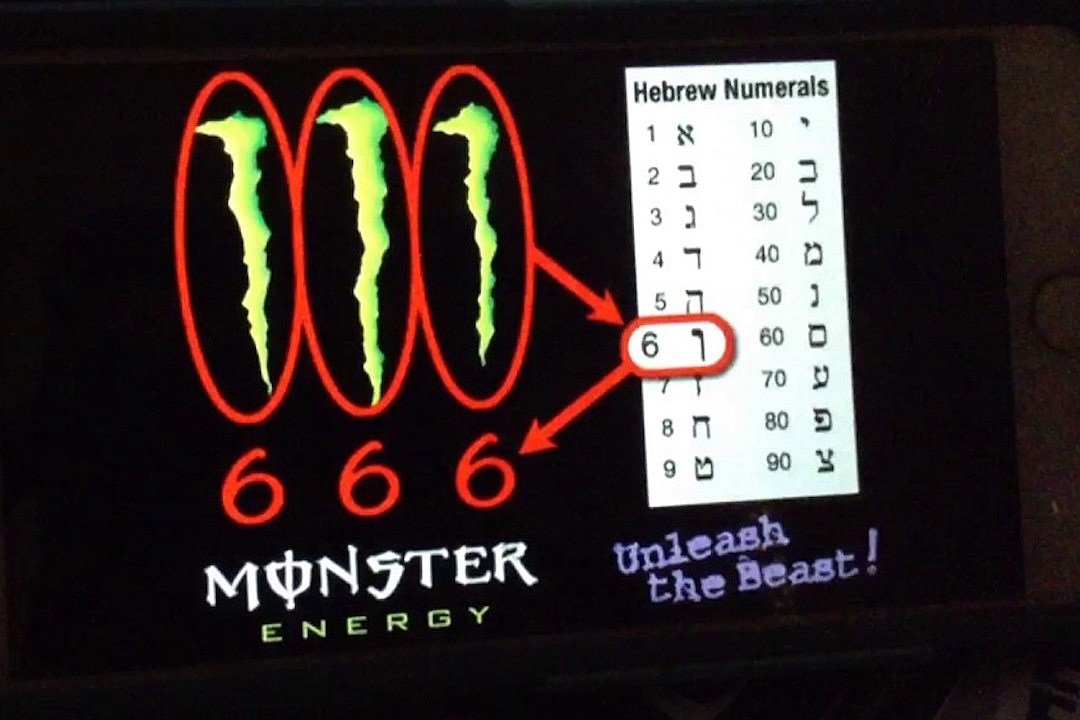
At its core, the Monster logo is defined by the stylized “M,” which appears to have been slashed into the surface by the claws of a wild beast. From a design perspective, this is a brilliant exercise in visual storytelling. The three jagged, vertical lines are not merely decorative; they evoke a sense of raw power, danger, and unbridled energy.
Visual Aggression as a Market Differentiator
In the early 2000s, the energy drink market was crowded with brands utilizing sterile, medical, or hyper-clinical aesthetics. Monster entered the fray with a logo that felt tactile and visceral. The sharp angles and the “torn” aesthetic suggest that the energy contained within the can is so potent that it needs to be restrained. Psychologically, this triggers an association with primal instinct. By framing the brand as something that “attacks” the mundane, Monster immediately established itself as the fuel for those who live life at maximum intensity.
The Role of Contrast and Color Theory
The choice of neon green against a stark black background is a strategic masterpiece of contrast. In color theory, black represents authority, sophistication, and edge, while lime green is often associated with radioactivity, electricity, and high-visibility danger. This combination is designed to pop on a shelf saturated with softer, primary-colored competitors. The logo communicates “energy” before the consumer even reads the product name, utilizing the “Preattentive Processing” effect—where the human brain recognizes the danger signal of the claw before it consciously interprets the brand identity.
Strategic Brand Positioning: Cultivating the “Outsider” Persona
The Monster logo represents a deliberate departure from the “blue-chip” corporate branding of its competitors. Where other brands focused on health, stamina, or refreshment, Monster leaned into the subculture of the “outsider.”
Aligning with Extreme Subcultures
The brand strategy behind the logo was centered on grassroots penetration. Monster did not initially invest in massive television advertising campaigns; instead, they plastered their claw logo on the gear of motocross riders, skateboarders, BMX athletes, and heavy metal musicians. By placing the logo in the arenas of extreme sports, the company cemented its status as the emblem of the counter-culture. The logo became a badge of honor, signaling that the bearer was a risk-taker who pushed boundaries.

The “Monster” as an Archetype
In branding, archetypes help consumers form emotional connections. The Monster logo embodies the “Outlaw” or “Rebel” archetype. It represents a refusal to conform to the standard 9-to-5 lifestyle. By branding the energy drink with a logo that suggests a monstrous, non-human force, the company suggests that the drink provides the user with an “extra-human” capability. The logo serves as a promise: consume this, and you gain the edge required to conquer your specific challenge, whether that is a grueling race or an all-night gaming session.
Evolution and Longevity: A Logo That Defied Trends
Many brands suffer from “logo fatigue,” where a design feels dated after a decade. The Monster logo, however, has maintained its relevance for over twenty years. This durability is due to its simplicity and its ability to act as a “blank canvas” for brand extensions.
Versatility Across Product Lines
The brilliance of the claw design lies in its scalability. Whether printed in white on a black can, outlined in gold for the “Ultra” series, or rendered in subtle, matte textures for the “Java” line, the logo remains instantly identifiable. This versatility allowed Monster to expand into diverse beverage categories—coffee, tea, juice, and sugar-free options—without diluting the core identity. The logo provides a consistent “anchor” that ties disparate products back to the core brand equity of intensity and high performance.
From Icon to Cultural Signifier
The Monster logo has achieved a status akin to the Nike “Swoosh.” It is now a symbol that exists independently of the product. People wear the logo on hats, shirts, and hoodies not necessarily because they are consuming the drink, but because they identify with the lifestyle the logo represents. By shifting from a beverage label to a lifestyle brand, Monster has ensured that its logo is woven into the fabric of modern pop culture. It is a signifier of a specific demographic: those who value energy, speed, and the pursuit of adrenaline.
Corporate Identity and Market Dominance
The design of the Monster logo also plays a pivotal role in the company’s retail strategy. In the highly competitive world of convenience store “cold vaults,” real estate is everything.
The “Shelf-Impact” Efficiency
The logo’s design is optimized for high-speed recognition. Because the claw mark is asymmetrical and distinct, it creates a unique visual footprint that is easier to spot from a distance than a traditional text-based logo. When a customer walks into a store, the “M” captures their attention instantly. This is a crucial element of corporate identity: minimizing the cognitive load on the consumer. The logo is not just a symbol; it is an effective navigation tool that drives purchasing behavior through sheer visual dominance.

The Power of Symbolic Consistency
Ultimately, the Monster logo represents the triumph of brand personality over corporate formality. By maintaining the same aggressive, claw-mark identity for decades, the brand has built a level of trust and familiarity that money cannot buy. It tells the consumer exactly what to expect: a bold, unapologetic experience. In the world of marketing, few logos have successfully captured the essence of their product as effectively as the Monster claw. It successfully bridged the gap between a simple graphic mark and a global symbol for human ambition, turning a beverage can into a representative piece of a high-octane lifestyle.
As we look toward the future of brand design, the Monster logo serves as a foundational case study. It teaches us that effective branding is not about being universally liked; it is about being undeniably defined. By choosing a logo that evokes raw power, creating a visual language that matches that intensity, and fostering an association with bold, risk-taking subcultures, Monster transformed a simple logo into one of the most recognizable icons of the 21st century. It represents the idea that to win in a crowded market, you don’t need to blend in—you need to leave your mark.
aViewFromTheCave is a participant in the Amazon Services LLC Associates Program, an affiliate advertising program designed to provide a means for sites to earn advertising fees by advertising and linking to Amazon.com. Amazon, the Amazon logo, AmazonSupply, and the AmazonSupply logo are trademarks of Amazon.com, Inc. or its affiliates. As an Amazon Associate we earn affiliate commissions from qualifying purchases.