
The intersection of spiritual communication and ancient text remains a subject of profound study for theologians and historians alike. When examining what the Bible says about talking to spirits, one must navigate a complex landscape of prohibitions, warnings, and accounts of supernatural interaction. For those seeking to understand the biblical framework regarding mediumship, necromancy, and interactions with the unseen, the text provides a consistent, albeit stern, perspective on the matter.
The Prohibition of Necromancy and Divination
Throughout the Hebrew Bible and the New Testament, there is a clear, overarching mandate against attempting to communicate with the spirits of the dead. This practice, often referred to as necromancy, is categorized alongside sorcery and witchcraft as a fundamental deviation from the established covenant between the divine and humanity.
The Mosaic Law’s Stance
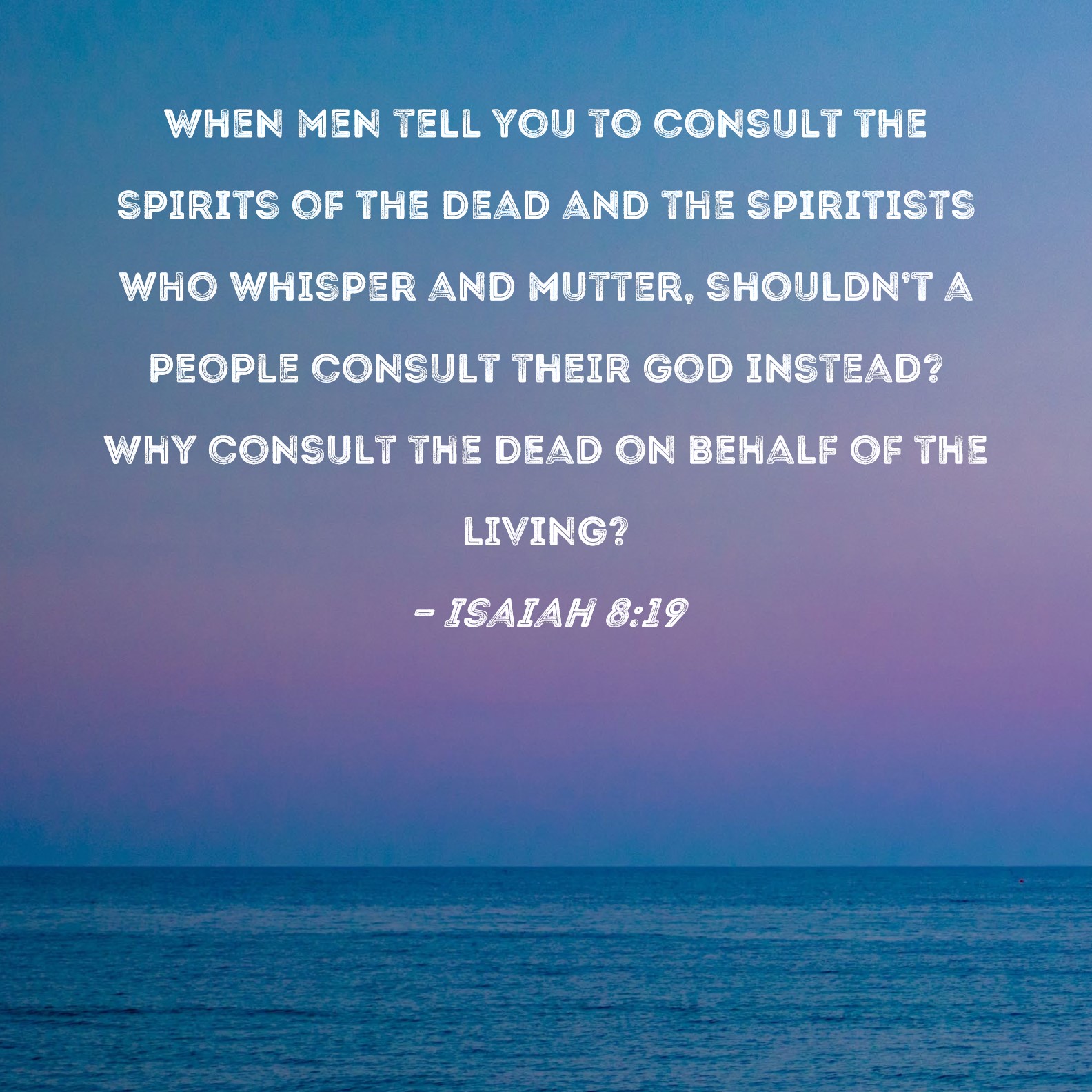
In the book of Deuteronomy, the Mosaic Law establishes strict boundaries for the Israelites. Chapter 18, verses 10–12, explicitly lists the practices that are considered an abomination. Among these, the text forbids anyone who practices divination, interprets omens, engages in witchcraft, casts spells, or functions as a medium or spiritist. The rationale provided is not merely regulatory; it is relational. The text suggests that these practices are an attempt to bypass the direct guidance of the Creator, seeking knowledge or power from sources deemed unauthorized and deceptive.
The Case of Saul and the Medium of Endor
Perhaps the most famous narrative concerning the attempt to contact a spirit is found in 1 Samuel 28. King Saul, feeling abandoned by God and desperate for guidance before a critical battle, seeks out a medium in Endor. Despite having previously purged the land of mediums and spiritists, Saul disguised himself to solicit her services.
The narrative describes the medium bringing up the spirit of the prophet Samuel. While the account indicates that Saul received a message—predicting his defeat and death—the context is one of tragedy and divine displeasure. Biblical scholars often point to this passage not as an endorsement of mediumship, but as a cautionary tale. The interaction serves to underscore the consequences of disobedience and the spiritual danger inherent in seeking answers through forbidden channels.
The Biblical Definition of Spiritual Entities
To understand the biblical perspective on talking to spirits, one must first understand how the Bible categorizes the unseen realm. The text draws a sharp distinction between the spirit of God, the host of heaven (angels), and entities that are characterized as deceptive or demonic.
Deception and the “Masquerading” Spirit
A core tenet of biblical instruction regarding the spirit world is the concept of spiritual discernment. 2 Corinthians 11:14 warns that even forces of darkness can masquerade as “angels of light.” This suggests that the Bible views attempts to contact spirits as inherently risky because the individual lacks the capacity to verify the identity of the entity they are communicating with.
According to this worldview, the “spirits” encountered through mediumship or séances are not the souls of departed human beings, but rather demonic entities designed to mislead. The theological argument is that the human soul, upon death, enters into a state that is unreachable by the living, and therefore any entity claiming to be a deceased relative or historical figure is, by definition, an imposter.
The Role of Guidance
In contrast to the seeking of spirits, the Bible emphasizes the role of the Holy Spirit as the primary conduit for divine communication. In the New Testament, believers are encouraged to listen to the promptings of the Spirit of God, which is described as a “still, small voice” or a sense of inward conviction. This communication is distinguished from mediumship by its source and its purpose: where mediumship is portrayed as an attempt to gain secret knowledge or control, the biblical model of inspiration is centered on holiness, wisdom, and the internal transformation of the person.
The Theology of Death and the Afterlife
The biblical aversion to talking to spirits is deeply rooted in its specific eschatology—the study of the end times and the state of the dead. The Bible posits that there is a “great chasm” between the living and the dead.
The Parable of the Rich Man and Lazarus
In Luke 16, Jesus offers a teaching that addresses the possibility of returning from the afterlife to warn the living. In this parable, a rich man who has died and found himself in a place of torment begs Abraham to send Lazarus back to earth to warn his brothers. Abraham’s response is definitive: “If they do not listen to Moses and the Prophets, they will not be convinced even if someone rises from the dead.”
This passage is crucial to the biblical argument against mediumship. It suggests that truth is already accessible through established divine revelation and that “signs,” such as communication with the dead, are ultimately ineffective at changing the human heart. It posits that the boundary between the living and the dead is intentional and impassable, maintained by divine order.
The Sanctity of the Soul
Biblical tradition treats the human soul as something that belongs solely to its Creator. After physical death, the spirit is described as “returning to God who gave it.” Because the soul is in the possession of the Divine, the Bible views any attempt to “call it back” as an infringement upon the sovereign authority of God. It is an attempt to exert human will over the natural order of life and death, which is considered an act of rebellion.
Discernment and Practice in a Modern Context
While modern culture often views spiritualism or mediumship through the lens of entertainment or psychological comfort, the biblical worldview remains steadfastly at odds with these practices. The focus is placed on the reliability of the written word and the guidance of the divine, rather than the pursuit of paranormal experiences.
The Call to Vigilance
The New Testament, specifically 1 John 4:1, instructs followers to “test the spirits.” This serves as a guardrail for those who might be tempted to seek supernatural insight. The instruction implies that spiritual activity should not be accepted at face value. The “test” provided is whether the spirit acknowledges the truth of the divine message and the foundational teachings of the faith. By requiring such rigorous scrutiny, the Bible emphasizes that the pursuit of external spiritual entities is generally counterproductive to a healthy spiritual life.

Finding Peace Without Communication
For those grieving the loss of loved ones, the Bible offers a different path to resolution than the seeking of spirits. It points to the hope of a future reunion, the promise of eternal life, and the comfort found in communal support and prayer. The biblical narrative encourages the living to focus their efforts on their present responsibilities and their relationship with the divine, rather than attempting to bridge the gap to those who have passed on.
Ultimately, what the Bible says about talking to spirits is a directive of caution and a call to focus. It discourages the pursuit of the unknown in favor of a clear, revealed path. By strictly limiting communication to the divine rather than the spectral, the biblical text seeks to protect the practitioner from what it describes as deceptive influences, while providing a framework for finding purpose and peace within the boundaries of the physical and spiritual life as it is intended to be lived.
aViewFromTheCave is a participant in the Amazon Services LLC Associates Program, an affiliate advertising program designed to provide a means for sites to earn advertising fees by advertising and linking to Amazon.com. Amazon, the Amazon logo, AmazonSupply, and the AmazonSupply logo are trademarks of Amazon.com, Inc. or its affiliates. As an Amazon Associate we earn affiliate commissions from qualifying purchases.