
In the evolving landscape of personal branding and corporate wellness, the integration of holistic practices has become a significant focal point. As professionals increasingly seek to curate their personal identity through wellness-oriented imagery and lifestyle branding, the intersection of ancient spiritual traditions and modern corporate aesthetics has drawn attention. For those operating within the realms of brand strategy and professional identity, understanding the cultural and theological underpinnings of practices like burning sage or utilizing crystals is essential for maintaining authenticity and navigating the nuanced expectations of diverse consumer bases.
The Intersection of Personal Branding and Holistic Wellness
In the modern marketplace, personal branding is no longer limited to professional credentials. It is an intricate tapestry of values, lifestyle choices, and aesthetic signals. The rising popularity of “new age” wellness—often categorized under the umbrella of self-care—has led many professionals to incorporate elements like sage smudging or crystal display into their office environments and social media presence.
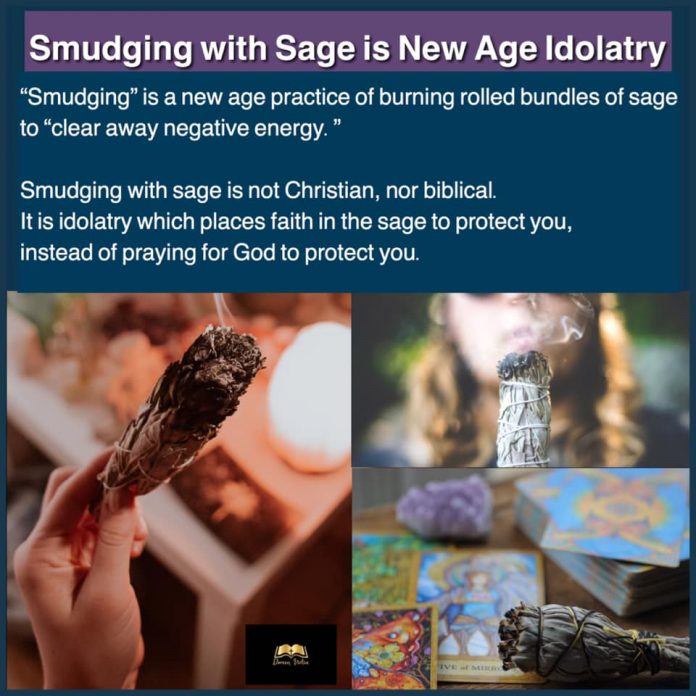
From a brand strategy perspective, these items often serve as symbols of tranquility, mindfulness, and intentionality. However, when a brand aligns itself with spiritual practices, it enters a space where cultural, historical, and religious sensitivities collide. For the modern professional, understanding the distinction between aesthetic signaling and theological identity is critical. When a brand uses these elements as a core part of its visual identity, it implicitly makes a statement about its values. If the intention is to appeal to a broad, inclusive audience, one must be cognizant of the fact that for many, these items are not merely decorative—they carry specific spiritual burdens or blessings rooted in long-standing traditions.
Biblical Perspectives on Ritual and Material Objects
While the Bible does not explicitly mention “sage” or “crystals” in the contemporary sense of modern wellness trends, it provides a robust framework for understanding how believers should view physical objects, spiritual rituals, and the source of authority. Within the context of personal identity and corporate ethos, these scriptural principles offer a lens through which to evaluate the integration of such practices.
The Significance of Idolatry and Sovereignty
Central to biblical teaching is the concept of sovereignty. The Old Testament repeatedly cautions against rituals that seek to manipulate the spiritual realm or rely on created objects rather than the Creator. In the eyes of many theologians, the practice of “smudging” to cleanse a space of negative energy or relying on the “vibrational frequency” of crystals to attract prosperity can be interpreted as seeking spiritual outcomes outside of divine providence.
For a personal brand, this presents a strategic challenge. If a professional builds a brand narrative around empowerment and success, the use of crystals—often marketed as “manifestation tools”—might be perceived by a Christian audience as a departure from the doctrine of stewardship and reliance on God. A clear brand strategy involves identifying who your core audience is. If that audience includes faith-based communities, the intentional use of items associated with occult or non-biblical spiritualism can create a cognitive dissonance that weakens brand trust.
The Concept of Consecration and Purity
Biblical narratives often emphasize the importance of consecrating spaces and intentions. However, the mechanism of consecration in the Bible is prayer, thanksgiving, and obedience, rather than the use of external tools or mystical items. When individuals bring sage or crystals into their workspace, they are essentially adopting a ritualistic practice.
From a business finance and professional development standpoint, it is worth asking: what is the “return on investment” of such rituals? If the goal is mindfulness, secular alternatives such as meditation, deep breathing, or silence—which align with broader psychological standards—often resonate more effectively across diverse corporate cultures than practices that carry specific, often controversial, religious connotations.
Strategic Brand Alignment and Cultural Competency

Building a successful personal brand requires cultural competency. This means understanding that the items you choose to associate with your professional persona carry weight. In the current global economy, where diversity, equity, and inclusion are pillars of corporate identity, a brand must be careful not to alienate segments of its audience through unintentional religious signaling.
The Risks of Aesthetic Misappropriation
Many modern brands adopt crystals and sage as “boho-chic” design elements, stripping them of their original cultural or religious contexts. This is a common pitfall in brand strategy. When a brand aestheticizes practices that are sacred to indigenous cultures or are viewed as problematic by religious groups, it risks being perceived as shallow or opportunistic.
A professional strategy that prioritizes authenticity should avoid adopting trends simply for the sake of an aesthetic. If you are not deeply committed to the spiritual tenets behind crystals or sage, integrating them into your brand visual identity may backfire. It is often better to rely on brand assets that reflect your true expertise and core values rather than borrowing from trending spiritual aesthetics that may have no genuine connection to your professional mission.
Aligning Brand Values with Audience Expectations
Corporate identity is built on consistency. If your brand promises transparency, groundedness, and professional excellence, you must evaluate whether your physical or digital presence reflects that. If you decide to incorporate wellness practices, consider framing them within a professional, psychological, or lifestyle context rather than a spiritual or mystical one.
For example, instead of focusing on the “healing energy” of a crystal, a professional might focus on the “aesthetic inspiration” of a minimalist workspace. By shifting the focus from the mystical to the functional, you maintain the aesthetic benefit without the potential baggage of theological conflict. This approach demonstrates a sophisticated level of brand management—knowing how to curate an environment that is pleasing and productive without crossing into ideological territory that could hinder business growth or alienate stakeholders.
Integrating Mindfulness without Ideological Conflict
For professionals who want to maintain a grounded, peaceful, and productive work environment, there are numerous ways to achieve this that do not rely on tools which carry significant spiritual or religious controversy.
Leveraging Behavioral Science in the Workplace
Rather than looking to metaphysical tools, high-performing individuals often turn to behavioral science to improve their focus and environment. Design elements such as natural lighting, biophilic design (the integration of plants and organic textures), and clean, clutter-free spaces are proven to enhance productivity and mental well-being. These elements are universally accepted in corporate settings and contribute to a brand identity characterized by clarity, stability, and professional maturity.
Authenticity as a Brand Asset
In the age of social media, the most successful brands are those that are radically authentic. If your personal convictions align with a traditional biblical worldview, attempting to mirror “new age” wellness trends will inevitably lead to a lack of brand alignment. Your professional identity will be strongest when it is an honest reflection of your personal reality.
If your audience knows you for your integrity and your faith, they will expect your brand to reflect those values consistently. Attempting to hedge your bets by adopting popular spiritual aesthetics can compromise your credibility. True brand strategy is about making deliberate choices and standing behind them, not chasing trends that may contradict the core values that form the foundation of your professional reputation.

Conclusion: The Professional Path Forward
As the lines between personal and professional life continue to blur, the symbols and tools we choose to associate with our work matter more than ever. Whether you choose to incorporate crystals, sage, or simply minimalist decor, it is essential to do so with a clear understanding of the messages you are sending to your network and your market.
For those navigating this landscape, the best strategy is one of intentionality. Recognize that every item, aesthetic choice, and ritual you display is a part of your brand narrative. Evaluate these choices not just based on what is currently trending, but on what aligns with your long-term professional goals and the values of the stakeholders you aim to influence. By maintaining a focus on authenticity, cultural sensitivity, and a clear understanding of your own convictions, you can curate a brand identity that is both influential and structurally sound. Whether one chooses to engage in spiritual practices or strictly secular methods of wellness, the ultimate test for any professional remains the impact of their work and the clarity of their brand’s mission in the marketplace.
aViewFromTheCave is a participant in the Amazon Services LLC Associates Program, an affiliate advertising program designed to provide a means for sites to earn advertising fees by advertising and linking to Amazon.com. Amazon, the Amazon logo, AmazonSupply, and the AmazonSupply logo are trademarks of Amazon.com, Inc. or its affiliates. As an Amazon Associate we earn affiliate commissions from qualifying purchases.