
Navigating the intricate relationship between alcohol consumption and its physiological effects often leads to a fundamental question: “What can slow the absorption of alcohol into the bloodstream?” While the allure of a quicker buzz might sometimes be present, understanding the factors that modulate alcohol absorption is crucial for informed decisions, responsible enjoyment, and mitigating potential negative consequences. This exploration delves into the science behind alcohol absorption, drawing parallels and insights from the diverse fields of Tech, Brand, and Money, revealing how seemingly unrelated principles can illuminate this biological process.
Understanding the Science of Alcohol Absorption
The journey of alcohol from ingestion to its presence in the bloodstream is a fascinating interplay of biological mechanisms. Once consumed, alcohol primarily enters the bloodstream through the lining of the stomach and the small intestine. The speed at which this occurs is influenced by a variety of factors, and it’s this variability that forms the core of our discussion.
The Digestive Tract: A Biological Pipeline
Alcohol absorption is not an instantaneous event. It’s a process that begins within minutes of consumption and continues as the ingested beverage travels through our digestive system. The stomach plays a significant role, with a portion of alcohol being absorbed directly through its walls. However, the small intestine is where the vast majority of absorption takes place. This is due to its larger surface area and a more permeable lining compared to the stomach.
Factors that influence how quickly or slowly alcohol traverses this biological pipeline are diverse. They range from the physical characteristics of what you’re drinking to your individual physiological state. Understanding these influences allows for a more nuanced approach to alcohol consumption.
Factors Influencing Alcohol Absorption: A Multi-Faceted Approach
The rate at which alcohol enters your bloodstream isn’t a static figure. It’s a dynamic process influenced by a confluence of elements. By examining these factors, we can gain a deeper appreciation for the biological nuances at play.
Food: The First Line of Defense
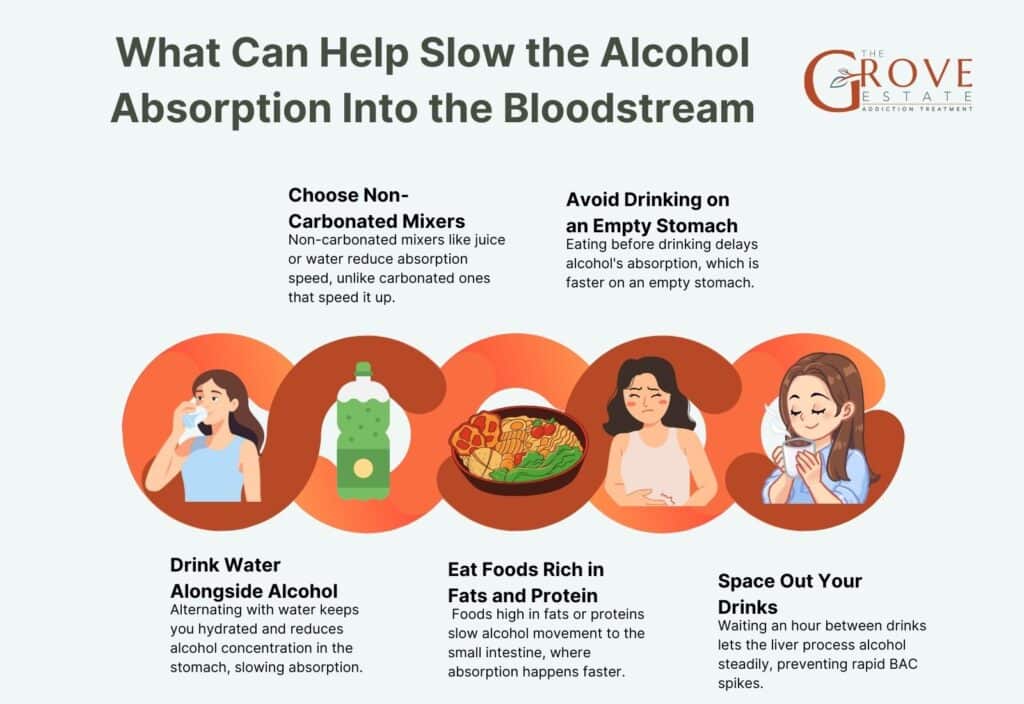
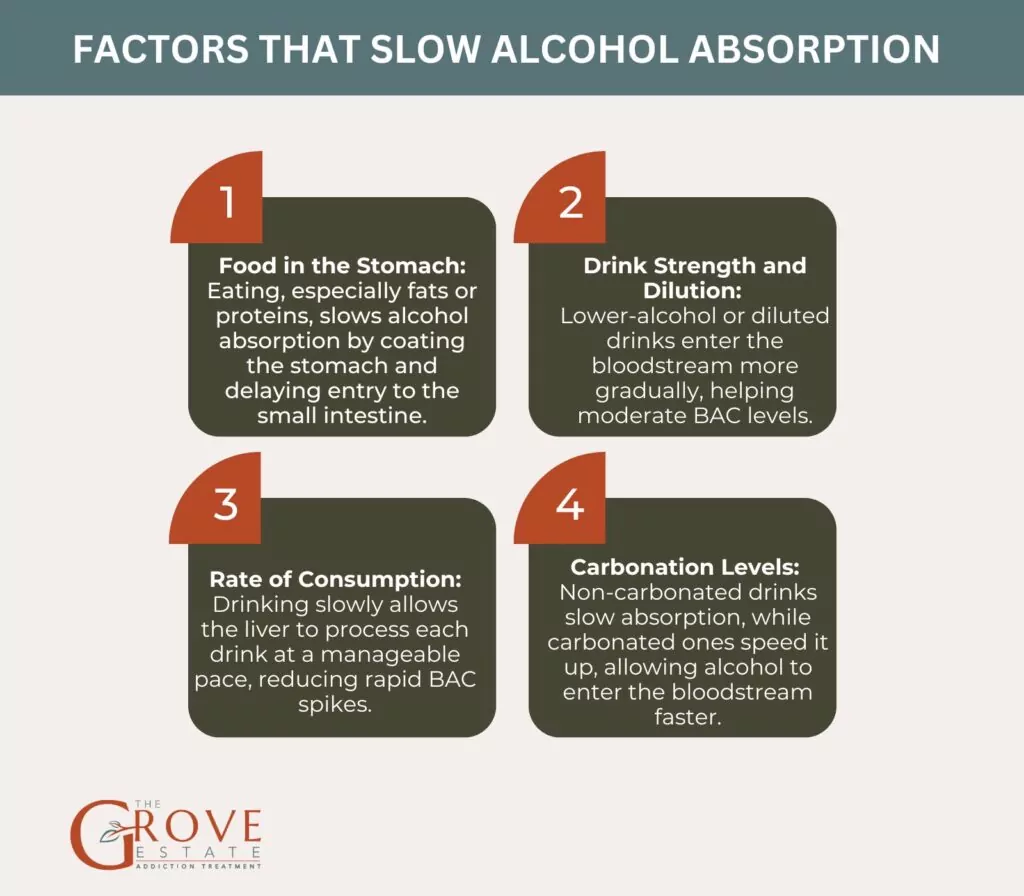
Perhaps the most widely known and impactful factor in slowing alcohol absorption is the presence of food in the stomach. When alcohol is consumed on an empty stomach, it can pass relatively unimpeded into the small intestine, leading to rapid absorption and a quicker onset of intoxication. Conversely, consuming food prior to or alongside alcohol acts as a buffer.
Why does food slow absorption? Several mechanisms are at play:
- Gastric Emptying Delay: Food physically occupies the stomach, slowing down the rate at which its contents, including alcohol, are emptied into the small intestine. The more substantial and complex the meal, the longer this delay. Think of it like a traffic jam at the entrance to a highway; the cars (alcohol) have to wait their turn.
- Dilution: Food, particularly if it’s a liquid or semi-solid, can dilute the alcohol concentration in the stomach. A more diluted solution will be absorbed more slowly than a concentrated one.
- Binding and Metabolism: Certain food components, especially fats and proteins, can interact with alcohol, potentially binding to it and slowing its passage through the stomach lining. Furthermore, the stomach lining itself contains enzymes like alcohol dehydrogenase, which begin the metabolic process of breaking down alcohol. While this metabolic capacity in the stomach is limited compared to the liver, having food present can stimulate these enzymes to a greater extent, initiating a very early stage of alcohol processing.
From a Tech perspective, consider this like a buffering system in data transmission. When data packets arrive too quickly, a system can become overwhelmed. Buffering stores them temporarily, releasing them at a more manageable rate. Food acts as a biological buffer for alcohol.
In the realm of Brand, this principle highlights the importance of understanding your audience’s context. A marketing campaign for a product might be most effective when delivered at a time or in a format that doesn’t overwhelm the consumer’s cognitive or physiological capacity. Just as food slows alcohol absorption, well-timed and contextualized information absorption is key to brand impact.
Beverage Characteristics: The Delivery System Matters
The type of alcoholic beverage you consume also plays a role in how quickly alcohol is absorbed.
- Carbonation: Carbonated beverages, such as champagne, sparkling wine, and mixers like soda or tonic water, tend to accelerate alcohol absorption. The bubbles of carbon dioxide can increase pressure within the stomach, potentially forcing alcohol into the small intestine more rapidly. This is akin to a pressurized system, pushing its contents through.
- Alcohol Concentration: Higher concentrations of alcohol can initially lead to faster absorption as the body attempts to process a significant influx. However, very high concentrations can also irritate the stomach lining, potentially leading to a slower rate of absorption in some individuals as the body reacts to the irritant.
- Presence of Sugars and Other Ingredients: While not as direct as food, the presence of sugars and other ingredients in mixed drinks can indirectly influence absorption by affecting gastric emptying or through interactions with metabolic pathways.
Relating this to Money, think about investment vehicles. A high-yield, high-volatility stock might offer a quick return but also carries significant risk. A more diversified, lower-yield portfolio might offer slower, steadier growth. The “delivery system” of the beverage has direct implications for the speed of the “return” (intoxication).
Hydration Levels: The Body’s Internal Environment
Dehydration can paradoxically impact alcohol absorption. When you are dehydrated, your blood volume is lower, and your body may attempt to conserve fluids. This can concentrate the alcohol already present in your system, potentially leading to a more pronounced effect even if the absorption rate itself isn’t drastically altered. Conversely, adequate hydration can help to dilute alcohol in the bloodstream, although its effect on slowing initial absorption is less pronounced than that of food.
From a Tech standpoint, imagine a computer system with limited RAM. If too many applications are running, performance degrades. Proper hydration is akin to having sufficient RAM for the body’s processes, allowing for smoother operation and more efficient distribution of substances like alcohol.
Individual Physiology: The Unique Blueprint
Every individual is unique, and this extends to how their body processes alcohol. Several physiological factors can influence absorption rates:
- Metabolism: While the majority of alcohol metabolism occurs in the liver, some initial breakdown can happen in the stomach. Individual variations in the enzymes responsible for this process can affect how quickly alcohol is processed.
- Body Composition: Factors like body fat percentage and muscle mass can influence how alcohol is distributed throughout the body. Alcohol is more soluble in water than in fat, so individuals with a higher percentage of body water may experience a more diluted blood alcohol concentration compared to those with a higher body fat percentage.
- Gender: On average, women tend to have a higher body fat percentage and lower levels of alcohol dehydrogenase in their stomach compared to men. This can lead to women absorbing alcohol more quickly and reaching higher blood alcohol concentrations even when consuming the same amount as men.
- Genetics: Genetic predispositions can influence enzyme activity and other biological processes related to alcohol metabolism and absorption.
In the context of Brand, understanding your target demographic’s unique characteristics is paramount. A “one-size-fits-all” marketing strategy rarely works. Just as physiological differences dictate varying alcohol absorption, different consumer segments require tailored brand messaging and product offerings.
Strategies to Slow Alcohol Absorption: Practical Applications
Armed with the understanding of what influences alcohol absorption, we can explore practical strategies to mitigate its speed. These are not about preventing intoxication entirely, but rather about achieving a more controlled and measured experience.
The Strategic Approach to Consumption
The most effective way to slow alcohol absorption is through mindful consumption. This involves deliberate choices before, during, and even after drinking.
1. Prioritize Food Intake:
- Eat Before You Drink: This is the golden rule. A substantial meal, rich in fats, proteins, and complex carbohydrates, will significantly delay alcohol absorption. Think of a well-rounded meal that takes time to digest.
- Graze While You Drink: If you’re at a social gathering, make sure to have snacks available and consume them throughout your drinking period. Avoid prolonged periods of drinking on an empty stomach.
- Choose Wisely: Opt for foods that are known to delay gastric emptying, such as those containing healthy fats (avocado, nuts), lean proteins (chicken, fish), and complex carbohydrates (whole grains).
In the realm of Money, this aligns with sound financial planning. Instead of impulsive spending, a strategic approach involving saving, budgeting, and diversified investments leads to more sustainable wealth accumulation. Slowing alcohol absorption through food is a strategic choice for managing your body’s “financial” (physiological) resources.
2. Be Mindful of Beverage Choices:
- Avoid Carbonated Mixers: If you’re aiming to slow absorption, opt for still mixers or sip your drink without a carbonated component.
- Pace Yourself: Consuming alcohol slowly allows your body more time to process it. Alternate alcoholic drinks with non-alcoholic beverages like water or juice. This not only slows absorption but also helps with hydration.
- Consider Lower Alcohol Content: Drinks with a lower alcohol by volume (ABV) will naturally introduce less alcohol into your system at any given time, facilitating a slower overall absorption.
From a Tech perspective, think of it as managing bandwidth. Trying to download multiple large files simultaneously will strain your connection. Downloading one at a time, or staggering them, allows for smoother performance. Similarly, pacing your alcohol intake allows your body to manage the “bandwidth” of processing.
3. Stay Hydrated (Strategically):
- Alternate with Water: While not a direct accelerator or decelerator of initial absorption, drinking water alongside alcoholic beverages is crucial. It helps prevent dehydration, which can indirectly intensify the effects of alcohol.
- Don’t Substitute: Water should complement, not replace, the fundamental strategies of eating and pacing.
This relates to Brand building. A strong brand isn’t built overnight. It requires consistent effort, strategic messaging, and a deep understanding of the audience. Just as hydration supports the body’s overall function, consistent brand reinforcement supports its long-term success.
The Bigger Picture: Responsible Consumption and Well-being
Understanding what can slow the absorption of alcohol into the bloodstream is not merely an academic exercise. It’s a vital piece of knowledge for fostering responsible consumption habits and prioritizing overall well-being. The principles we’ve explored—the buffering effect of food, the impact of beverage characteristics, and the nuances of individual physiology—all point towards the importance of informed choices.
In the world of Tech, the development of sophisticated algorithms and AI tools is often aimed at optimizing processes and predicting outcomes. By applying a similar analytical approach to our own bodies, we can make more informed decisions about our health and lifestyle.
In Brand management, building trust and loyalty often comes down to understanding and catering to the needs and sensitivities of your audience. Similarly, understanding how our bodies process alcohol allows us to be more sensitive to its effects and make choices that align with our personal well-being.
Finally, in the realm of Money, responsible financial management involves understanding the risks and rewards of different strategies, and making choices that promote long-term stability. Applying this same prudence to alcohol consumption, by understanding how to manage its absorption, contributes to a healthier and more balanced lifestyle. Ultimately, knowledge empowers us to navigate the complexities of life, whether it’s the digital landscape, the marketplace, or our own physiology, with greater awareness and control.
aViewFromTheCave is a participant in the Amazon Services LLC Associates Program, an affiliate advertising program designed to provide a means for sites to earn advertising fees by advertising and linking to Amazon.com. Amazon, the Amazon logo, AmazonSupply, and the AmazonSupply logo are trademarks of Amazon.com, Inc. or its affiliates. As an Amazon Associate we earn affiliate commissions from qualifying purchases.