
The intersection of theology, historical geography, and modern political identity is a complex landscape that requires careful navigation. When examining the biblical narrative alongside contemporary geopolitical discussions, it is essential to first understand the terminology. The terms “Israel” and “Palestine” carry vastly different connotations in the ancient scriptural context compared to their modern political manifestations. To provide an insightful analysis, one must distinguish between the biblical concepts of covenantal land and the modern nation-state framework.
The Biblical Geography of the Levant
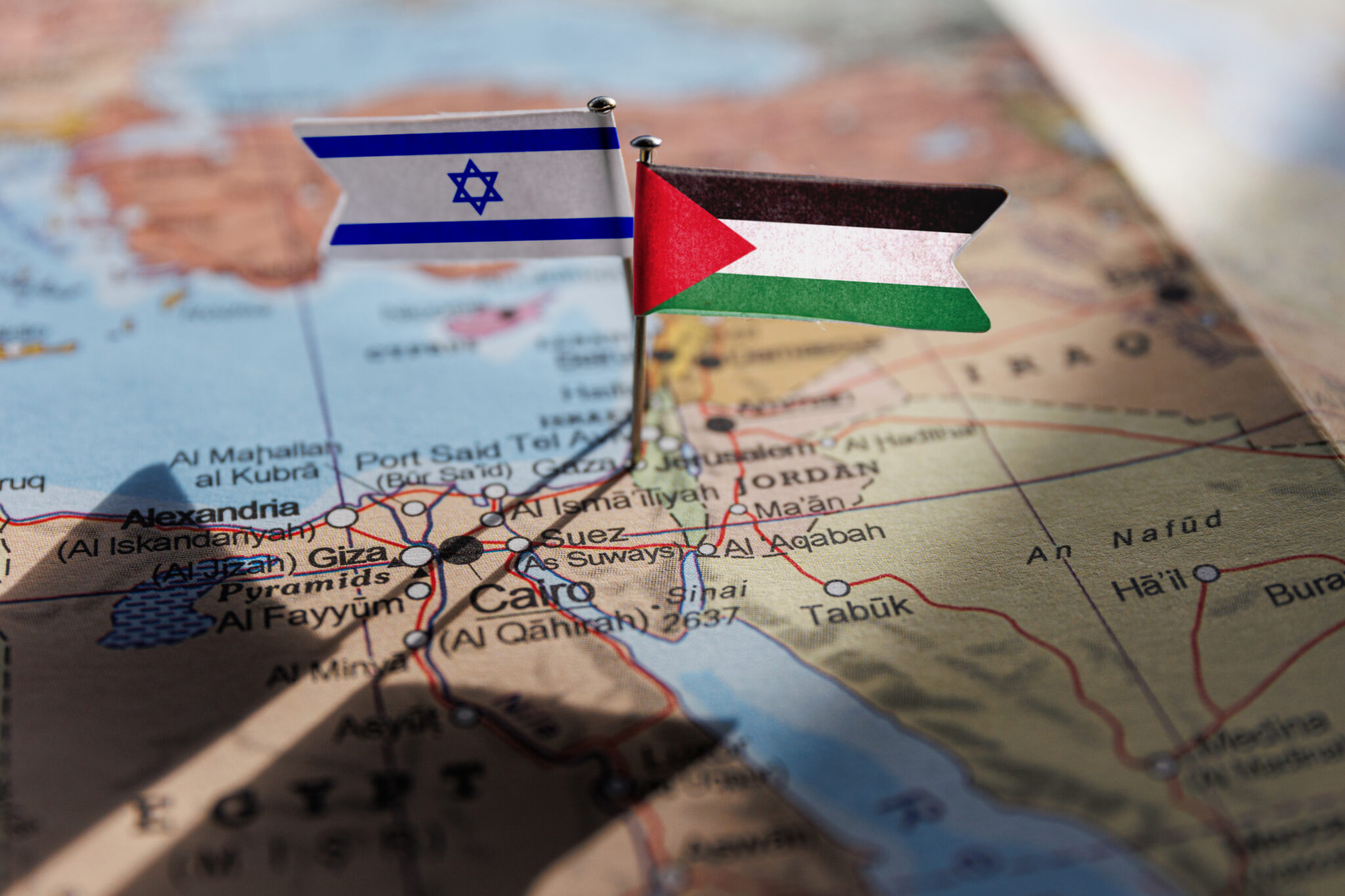
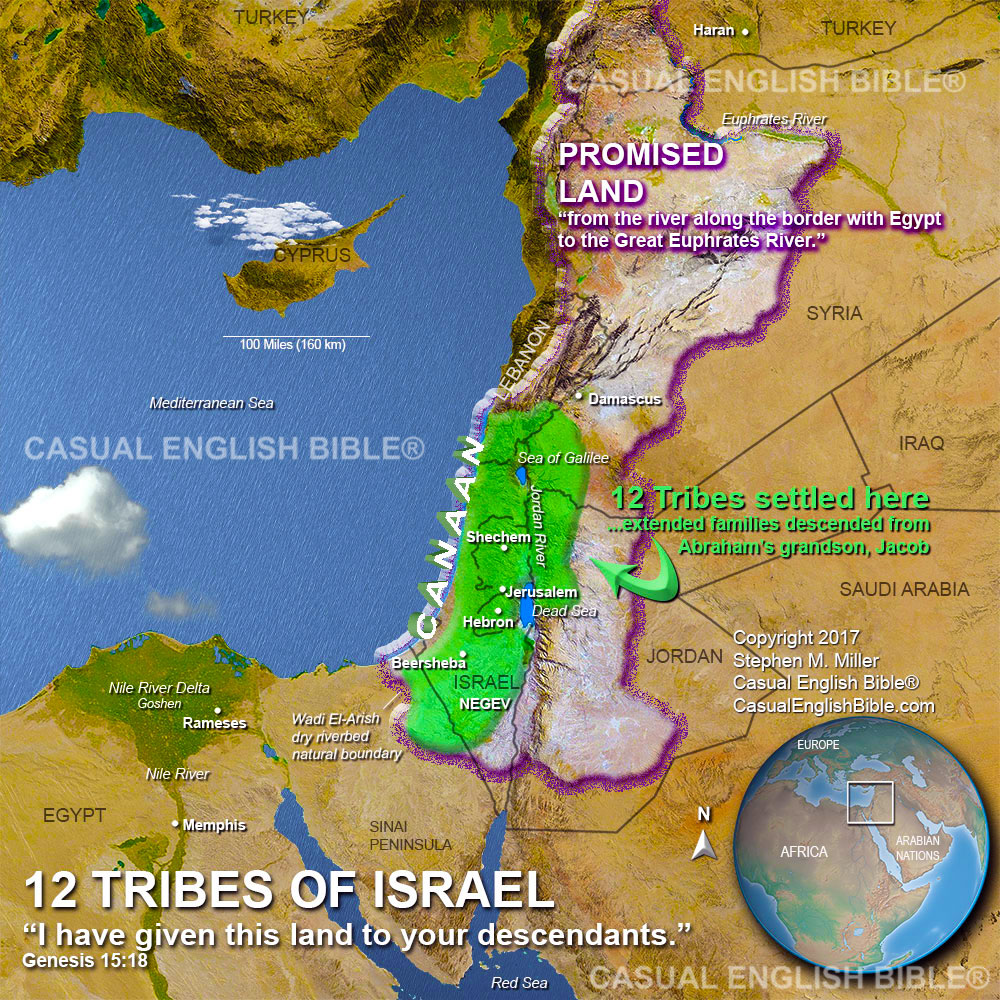
The Bible frequently references the territory situated between the Jordan River and the Mediterranean Sea. In the Hebrew Scriptures, this land is primarily referred to as the “Land of Canaan” and subsequently as the “Land of Israel.”
The Concept of the Promised Land
Central to the biblical narrative is the concept of a “promised land.” According to the book of Genesis, God entered into a covenant with Abraham, promising that his descendants would inherit a specific geographic region. This land was central to the identity of the tribes of Israel, serving as the setting for the majority of the biblical accounts, from the conquest under Joshua to the establishment of the monarchy under David and Solomon.
The theological significance of this land is not merely political; it is covenantal. The Bible consistently presents the occupation of the land as contingent upon the moral and spiritual fidelity of the people of Israel. When the prophets spoke of exile, they described it as a consequence of national unfaithfulness, framing the land not as an unconditional possession, but as a stewardship granted by divine decree.
The Origin of the Term “Palestine”
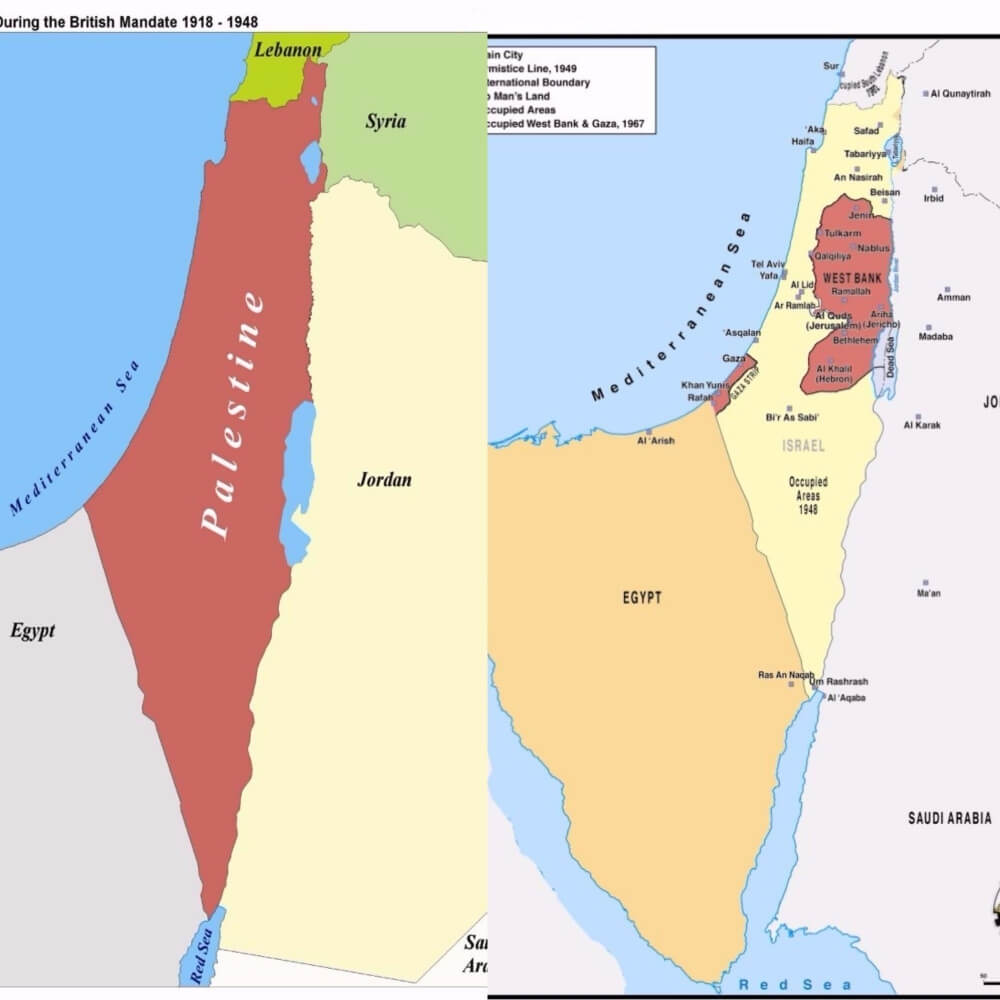
It is important to note that the term “Palestine” does not appear in the ancient Hebrew text. The name is derived from the “Philistines” (Peleshet), a seafaring people who occupied the coastal plains in the southwestern part of the region during the Iron Age. These individuals were often historical adversaries of the Israelites. The name “Palestine” as a regional designation was formalized much later, specifically by the Roman Empire in the 2nd century AD, following the Bar Kokhba revolt. By renaming the province Syria Palaestina, the Romans intended to detach the land from its Jewish identity. Therefore, while the geography remains the same, the nomenclature used in modern discourse is distinct from the primary terminology found in the Old and New Testaments.
Covenants, Sovereignty, and Universalism
The tension often felt when discussing this topic stems from a divergence in how biblical passages are interpreted—specifically regarding whether the land promises are literal and perpetual or if they have been spiritually fulfilled.
Covenantal Theology vs. Modern Statehood
Within various branches of theology, there are significant debates regarding the status of the land. Some interpretations, often associated with Christian Zionism, maintain that the biblical promises made to the ancient Israelites remain valid for the modern State of Israel. This perspective views the return of the Jewish people to the land as a fulfillment of prophecy.
Conversely, other theological schools argue that the New Testament shifts the focus from a specific geographic territory to a “kingdom of heaven” that transcends national borders. In this view, the “inheritance” of the faithful is not defined by borders on a map, but by inclusion in a spiritual community. These interpretations do not necessarily invalidate the political aspirations of modern groups, but they highlight that the Bible itself provides multiple frameworks for understanding how human populations should occupy and govern a shared space.
The Prophetic Call for Justice
Regardless of one’s stance on covenantal land ownership, the biblical prophets provide a rigorous ethical framework for how inhabitants of any land should treat one another. The prophets frequently condemned the exploitation of the poor, the mistreatment of the “stranger” (the foreigner), and the perversion of justice.
In the biblical worldview, a nation’s legitimacy is tethered to its adherence to justice. This includes the treatment of those who are marginalized or disenfranchised. While the Bible does not outline a modern two-state solution or any specific geopolitical policy, it establishes a moral mandate that prioritizes the dignity of the individual and the protection of the vulnerable. From a biblical perspective, the occupation of any land is secondary to the requirement to act justly and to love mercy.
Navigating the Modern Context Through a Biblical Lens
Applying ancient texts to modern crises requires a deep understanding of historical nuance and the avoidance of “proof-texting”—the practice of pulling verses out of context to serve a modern political agenda.
The Challenge of Modern Application
Many readers approach the Bible looking for a “side” to take in the Israeli-Palestinian conflict. However, the Bible is not a political manual or a diplomatic blueprint. It is a historical and spiritual record that predates the concepts of modern democracy, international law, and nationalist identity.
When people attempt to use the Bible to justify modern political violence or the denial of human rights, they often engage in a selective reading that ignores the broader calls for peace and reconciliation found throughout the scriptures. A balanced reading of the Bible would highlight the universal value of human life, which is described in the opening chapters of Genesis as being created in the “image of God.” This foundational belief implies that regardless of ethnicity, religion, or nationality, every person possesses an inherent sanctity that must be respected.
The Role of Peace and Reconciliation
The New Testament, in particular, emphasizes themes of peace and the breaking down of barriers. The Apostle Paul, in his letter to the Galatians, writes about the removal of distinctions between Jew and Gentile, suggesting that in the new community, these divisions no longer dictate one’s standing or value.
While this passage is primarily theological, its application in a societal context suggests that the ideal state of affairs is one where people are not defined by their tribal or national conflicts. Proponents of peace often cite these themes to argue that the goal of any political process should be the reconciliation of neighbors rather than the dominance of one group over another. The biblical mandate to “seek peace and pursue it” remains a guiding principle for those who look to the text for wisdom in times of conflict.
Concluding Perspectives
The question “What does the Bible say about Palestine and Israel?” leads to a realization that the Bible speaks primarily to matters of faith, morality, and human relations rather than the specifics of 21st-century border disputes.
The land itself is treated as a sacred geography, a theater for God’s interaction with humanity. However, the Bible’s primary concern is not the drawing of lines or the administration of territory, but the quality of the society established upon that land. A biblical perspective emphasizes:
- Responsibility: Whoever occupies the land is held to a high standard of justice, kindness, and equity.
- Human Dignity: Because all individuals are made in the image of God, the rights and lives of all people involved—whether they identify as Israeli or Palestinian—must be viewed as intrinsically valuable.
- The Priority of Peace: The ultimate end goal within the biblical narrative is a state of shalom, a Hebrew term that encompasses not just the absence of war, but a state of wholeness, justice, and flourishing for all.
Ultimately, interpreting the Bible in the context of the Middle East requires the humility to recognize that while the text offers profound ethical guidance, it does not provide a simple solution to the modern political reality. It invites believers and seekers alike to prioritize the pursuit of justice and the recognition of our shared humanity, even when the geopolitical landscape remains volatile and complex. By focusing on these core tenets, one can approach the topic with the seriousness it deserves, moving beyond narrow political narratives to address the fundamental human needs for safety, dignity, and a future free from the cycle of conflict.
aViewFromTheCave is a participant in the Amazon Services LLC Associates Program, an affiliate advertising program designed to provide a means for sites to earn advertising fees by advertising and linking to Amazon.com. Amazon, the Amazon logo, AmazonSupply, and the AmazonSupply logo are trademarks of Amazon.com, Inc. or its affiliates. As an Amazon Associate we earn affiliate commissions from qualifying purchases.