
The Theological Foundation of Mutual Respect and Stewardship
When examining the biblical framework for marriage, it is essential to establish that the foundational intent of the covenant is rooted in sacrificial love, mutual respect, and the protection of the vulnerable. Many individuals seeking answers within the scriptures often struggle to reconcile the concept of lifelong commitment with the reality of domestic mistreatment. However, a comprehensive reading of the text reveals that abuse—whether physical, emotional, or spiritual—is diametrically opposed to the biblical mandate of a husband and wife living together as “heirs of the grace of life.”

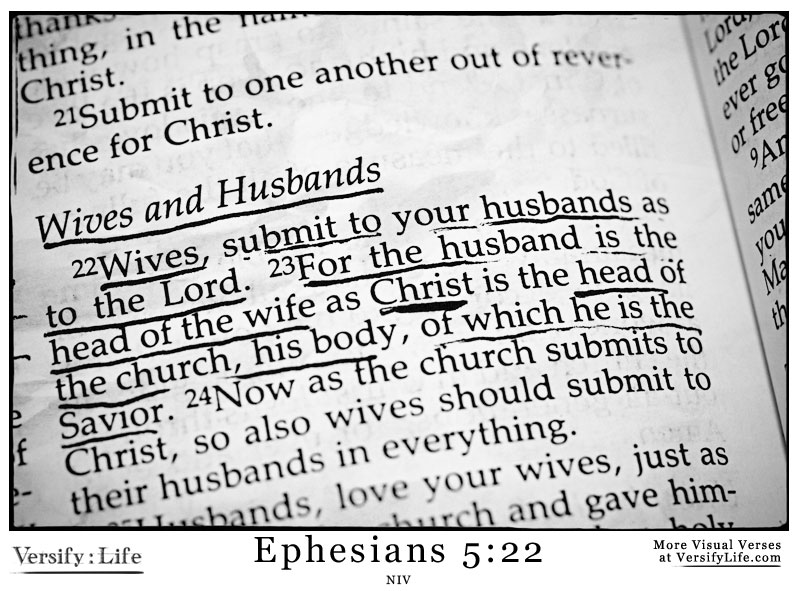
The call for wives to submit to their husbands, as frequently cited in Ephesians 5, is often weaponized by abusers to demand blind obedience. Yet, this passage is inextricably linked to the requirement that husbands love their wives “as Christ loved the church and gave himself up for her.” The standard for a husband’s behavior is not one of tyranny or control, but of self-sacrificial service. When a marriage becomes a site of violence, the covenantal structure described in scripture has already been violated by the abuser. God does not demand that a victim of abuse remain in a state of self-destruction to satisfy a misinterpretation of marital permanence.
The Rejection of Oppression in Divine Covenant
The biblical narrative consistently demonstrates God’s character as a protector of the oppressed and a judge of the violent. Psalm 11:5 states, “The Lord examines the righteous, but the wicked, those who love violence, he hates with a passion.” There is no scriptural evidence that God views the sanctity of marriage as an excuse to ignore the safety and dignity of the individuals within it.
The concept of “headship” in the Bible is defined by responsibility, not the right to inflict pain. If a spouse is using biblical language to justify the degradation of their partner, they are engaging in the “misuse of the divine name,” which is strictly condemned. The Bible describes marriage as a union of two people who are meant to be a support system, not a master-slave dynamic. Where oppression exists, the spirit of the marriage is dead, and the safety of the individual must take precedence over the maintenance of the institution.
Identifying the Signs of Spiritual and Emotional Manipulation
One of the most insidious forms of abuse within a religious context is spiritual abuse. This occurs when an abuser utilizes scripture, theological concepts, or the authority of church leadership to coerce, silence, or control a spouse. It is a form of domestic violence that leaves no physical bruises but inflicts deep psychological wounds.
Recognizing this behavior requires a discerning look at how the Bible is being applied in the household. If the teaching of scripture is being used to isolate a spouse from their family, force them into silence, or demand that they accept mistreatment without complaint, this is a perversion of the Gospel. Jesus consistently challenged the religious leaders of his day who laid heavy burdens on the people that they themselves were unwilling to lift. Applying that same logic, an abuser who demands submissiveness while behaving in a way that is un-Christlike is acting as an obstacle to the victim’s spiritual wellbeing.
The Danger of Misinterpreted Forgiveness
A common point of confusion for many in abusive marriages is the command to “forgive seventy times seven.” Abusers often demand that their victims forgive them instantly and move on, effectively neutralizing the consequences of their behavior. However, the Bible distinguishes between forgiveness—which is an internal release of bitterness—and reconciliation or continued exposure to danger.
Forgiveness does not mean the absence of boundaries. Even God, in His dealings with humanity, establishes boundaries regarding sin. A victim can forgive an abuser for their own peace of mind while simultaneously recognizing that the abuser is unsafe and that the relationship, in its current state, is untenable. There is no scriptural requirement to remain in a home where physical or emotional safety is being systematically dismantled. Wisdom, a highly valued trait in Proverbs, dictates that one should avoid the path of the wicked and remove oneself from the presence of those who are prone to anger and violence.
Seeking Godly Counsel and Taking Practical Steps for Safety
When an individual realizes that their marriage has become characterized by abuse, the first step is often to break the silence. The isolation that frequently accompanies an abusive relationship is one of the most effective tools for the abuser. Biblically, there is a strong emphasis on community and the necessity of seeking wise counsel when dealing with difficult burdens.
It is critical to reach out to pastors, elders, or Christian counselors who understand the dynamics of domestic abuse and do not prioritize “saving the marriage” over the physical and mental safety of the victims. A truly godly counselor will prioritize the sanctity of the person over the sanctity of the institution when that institution has been turned into a weapon. They will support the victim in establishing safety plans, seeking legal protection, and understanding that their worth is not tied to the success of a broken marriage.
The Right to Safety and Sanctuary
The Bible is replete with instances where individuals took action to protect themselves from those who sought to harm them. David fled from Saul; the disciples fled from persecution. Fleeing from an abusive situation is not an act of cowardice or a failure of faith; it is an act of preserving the life that God has entrusted to you.
The idea that God is displeased by a person leaving an abusive marriage is a theological fallacy that ignores the biblical heart for justice. If a husband or wife is being mistreated, the most faithful response is to remove themselves from the danger. This allows for a period of objective evaluation, professional intervention, and, where necessary, the implementation of firm boundaries. The church has a mandate to be a place of refuge for the vulnerable, which means providing tangible support rather than platitudes about suffering in silence.
Healing and Restoration After the Crisis
Healing from the trauma of an abusive marriage is a journey that requires time, intentionality, and a focus on the true nature of God. Many survivors struggle with feelings of guilt, questioning if they could have done more or if they have failed God by allowing the marriage to end. It is vital to ground one’s identity in the truth that God values the individual far more than the maintenance of a dysfunctional relationship.
True restoration involves reclaiming one’s voice and recognizing the autonomy that God has given to every human being. As survivors move forward, they often find that their understanding of love and commitment deepens. They move away from a distorted, duty-bound version of marriage and toward a model of partnership based on mutual trust, honesty, and safety.

Moving Toward a Future Defined by Grace
The path forward for someone exiting an abusive marriage involves an intense period of spiritual recalibration. It is a time to shed the lies taught by the abuser—the lies that suggest the victim is worthless, unlovable, or destined for suffering. Replacing these lies with the foundational truth of one’s identity in Christ is the key to breaking the cycle of trauma.
The Bible provides a message of hope for the brokenhearted and a mandate for the protection of the oppressed. Marriage is intended to be a reflection of the love between Christ and the church—a love that is nurturing, life-giving, and protective. When a marriage fails to reflect this, it is not the fault of the victim for seeking safety. By choosing to prioritize safety, the survivor is not abandoning the biblical principle of marriage; they are affirming the value of the life that God created in His image. The grace of God is sufficient, not just for the endurance of hardship, but for the courage to walk away from it and into a future where one can once again live in peace.
aViewFromTheCave is a participant in the Amazon Services LLC Associates Program, an affiliate advertising program designed to provide a means for sites to earn advertising fees by advertising and linking to Amazon.com. Amazon, the Amazon logo, AmazonSupply, and the AmazonSupply logo are trademarks of Amazon.com, Inc. or its affiliates. As an Amazon Associate we earn affiliate commissions from qualifying purchases.