
In the sophisticated landscape of modern home appliances, technology serves as the invisible backbone of our daily routines. Maytag, a brand synonymous with durability and innovation, integrates complex sensor technology into its washing machines to optimize performance and protect the longevity of the appliance. When users encounter an error code or an indicator like “Sd” on the digital display, it represents a precise diagnostic communication from the machine’s internal software. Understanding these technological alerts is essential for troubleshooting and ensuring the efficient operation of your digital-integrated home gadgets.
Decoding the Sensor-Driven Logic of “Sd”
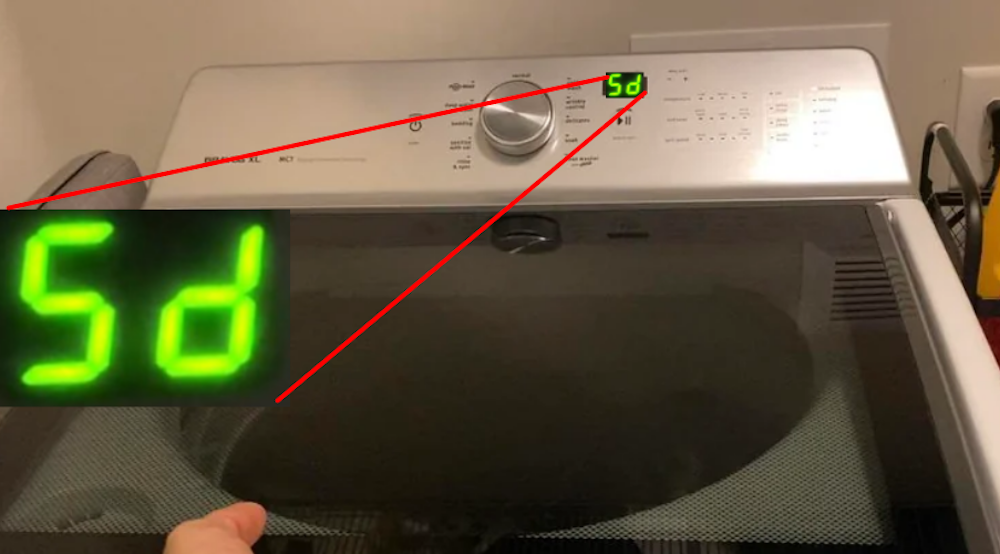
The “Sd” code, which stands for “Suds Detected,” is a primary example of how onboard diagnostic sensors influence the operational lifecycle of a washer. Modern Maytag appliances are equipped with sophisticated load-sensing algorithms and water-level monitors designed to manage the delicate balance between detergent usage and water consumption.
How Internal Sensors Identify Excess Suds
The machine utilizes pressure sensors and water-level switches to track the agitation process. When the appliance detects a volume of foam that exceeds the pre-programmed safety threshold, the internal software triggers the “Sd” error. This is not merely a notification but an active software-managed intervention designed to prevent two major technological malfunctions: motor strain and electrical damage.
The Software-Hardware Interaction
When the machine enters “Sd” mode, the control board halts the agitation cycle. The logic is straightforward: foam acts as a cushion that prevents the mechanical agitator or impeller from engaging correctly with the laundry. Furthermore, if foam were allowed to overflow, it could permeate the chassis and reach the control panel or the motor housing, causing short circuits. By pausing and entering a recovery mode, the washer software is essentially protecting the hardware from potential failure, ensuring that the appliance’s digital brain remains shielded from moisture ingress.
Troubleshooting the “Sd” Code: A Technical Approach
If your Maytag washer displays the “Sd” code, it is imperative to address the underlying software trigger before attempting to restart the cycle. Because the code is generated by an automated feedback loop, simply pressing “Start” again often leads to the same error.
Diagnostic Steps for Resetting the System
- Interrupt and Drain: The first technological response required is to allow the machine to attempt an automated drainage process. If the machine remains stuck, you may need to manually select the “Drain and Spin” cycle. This forces the internal processor to clear the basin and reset the sensor readings.
- The Rinse Cycle Protocol: If the machine fails to clear the suds automatically, users should run a rinse-and-spin cycle without adding any additional detergent. This allows the sensors to re-calibrate as the water level stabilizes and the foam volume dissipates.
- Sensor Cleaning: Occasionally, residue buildup on the pressure-sensing tubes can create a “phantom” error. Running a cycle with a specialized washer cleaner (often recommended as a maintenance tool in the appliance’s digital manual) helps remove surfactant buildup that may be confusing the sensors.
Calibrating Detergent Input
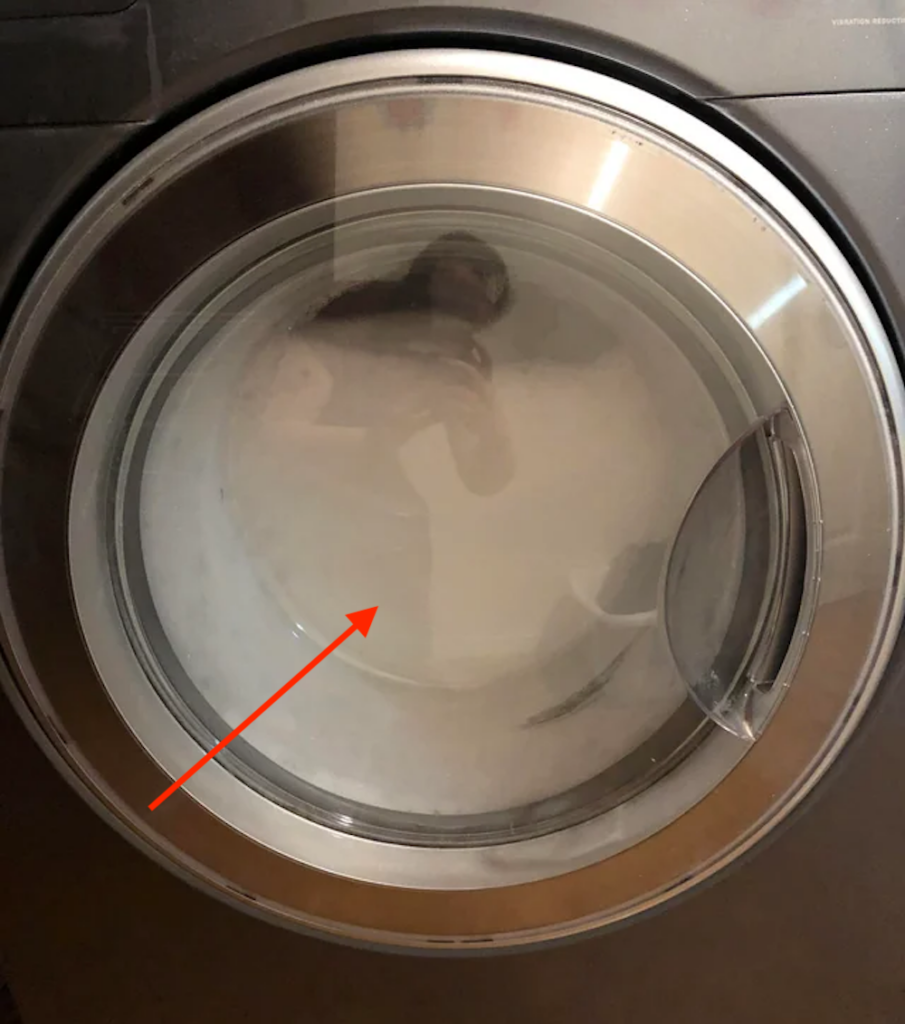
The most common cause for an “Sd” warning is the misuse of high-efficiency (HE) detergent, or more specifically, the over-application of it. Maytag washers are calibrated for precise water-to-detergent ratios. When users exceed these technical specifications, the internal software becomes overwhelmed. Understanding that these machines are designed for high-efficiency chemistry is crucial; using standard detergent in an HE machine creates an chemical reaction that generates excessive foam, effectively “tricking” the machine’s sensors into identifying an error state.
Advanced Maintenance and Technological Optimization
Maintaining a high-tech appliance like a modern Maytag washer requires an understanding of how to keep its digital monitoring systems accurate. Over time, the internal environment of a washing machine—exposed to varying temperatures, water hardness, and chemical agents—can interfere with how the machine processes sensor data.
The Role of HE Technology
High-efficiency (HE) washers are engineering marvels that use significantly less water than traditional top-loaders. Because of this, the concentration of the detergent is highly critical. If the chemistry is not balanced, the sensor array will inevitably trigger protective error codes. By optimizing the amount of detergent—often using less than half of what a traditional machine would require—you ensure that the machine stays within the operational parameters set by the firmware developers.
Preventing Sensor Degradation
The sensors responsible for the “Sd” signal require a clean internal environment. Hard water buildup or mineral deposits can alter the sensitivity of the pressure transducers. Periodically performing a “Tub Clean” cycle is not just about hygiene; it is a maintenance routine that keeps the sensor interfaces free of debris. When the environment is clean, the machine’s software can accurately interpret the data from the water levels, leading to fewer false positives and a longer operational lifespan for the appliance.
The Future of Diagnostic Feedback in Home Gadgets
The “Sd” code is a perfect microcosm of how home appliances have evolved from simple mechanical devices into smart, sensor-laden systems. In the context of modern tech, these washers are essentially specialized computers encased in metal housings. The inclusion of diagnostic codes allows for faster troubleshooting and prevents costly repairs that would result from running a machine under stress.
Enhancing User Interface Communication
As Maytag and other manufacturers continue to integrate Internet of Things (IoT) capabilities into their products, we can expect these error codes to become even more descriptive. Future iterations may provide real-time data to mobile applications, explaining exactly why an “Sd” code occurred and suggesting specific solutions—such as “Reduce detergent volume by 20% on next load.” This shift toward transparent, actionable diagnostics empowers users to become better stewards of their technology.
Conclusion: The Importance of Technological Literacy
The “Sd” signal on a Maytag washer is a reminder of the symbiotic relationship between hardware and software in the modern home. It is a protective, intelligent response that safeguards the machine’s intricate components. By understanding the technological purpose of this indicator, users can effectively manage their appliances, reduce the risk of maintenance issues, and ensure that their machines perform according to their optimal technical design. Maintaining this awareness is the hallmark of the modern, tech-forward homeowner who treats their appliances not just as tools, but as complex systems requiring careful management and understanding. Through proper detergent management and routine maintenance, the “Sd” code moves from being an intimidating error to a manageable part of the appliance’s sophisticated operational cycle.
aViewFromTheCave is a participant in the Amazon Services LLC Associates Program, an affiliate advertising program designed to provide a means for sites to earn advertising fees by advertising and linking to Amazon.com. Amazon, the Amazon logo, AmazonSupply, and the AmazonSupply logo are trademarks of Amazon.com, Inc. or its affiliates. As an Amazon Associate we earn affiliate commissions from qualifying purchases.