
The rapid evolution of digital communication has transformed how we interact, condensing complex sentences into shorthand that favors speed and efficiency. Among the most ubiquitous acronyms found across social media platforms, messaging apps, and online forums is “RN.” While it may seem like a simple two-letter addition to a text, its strategic use in digital branding and user communication reveals much about the current state of real-time interaction. In the context of digital technology—specifically regarding how we interface with platforms and software—understanding these linguistic markers is essential for anyone analyzing modern communication trends.

The Evolution of Digital Shorthand in UI and UX
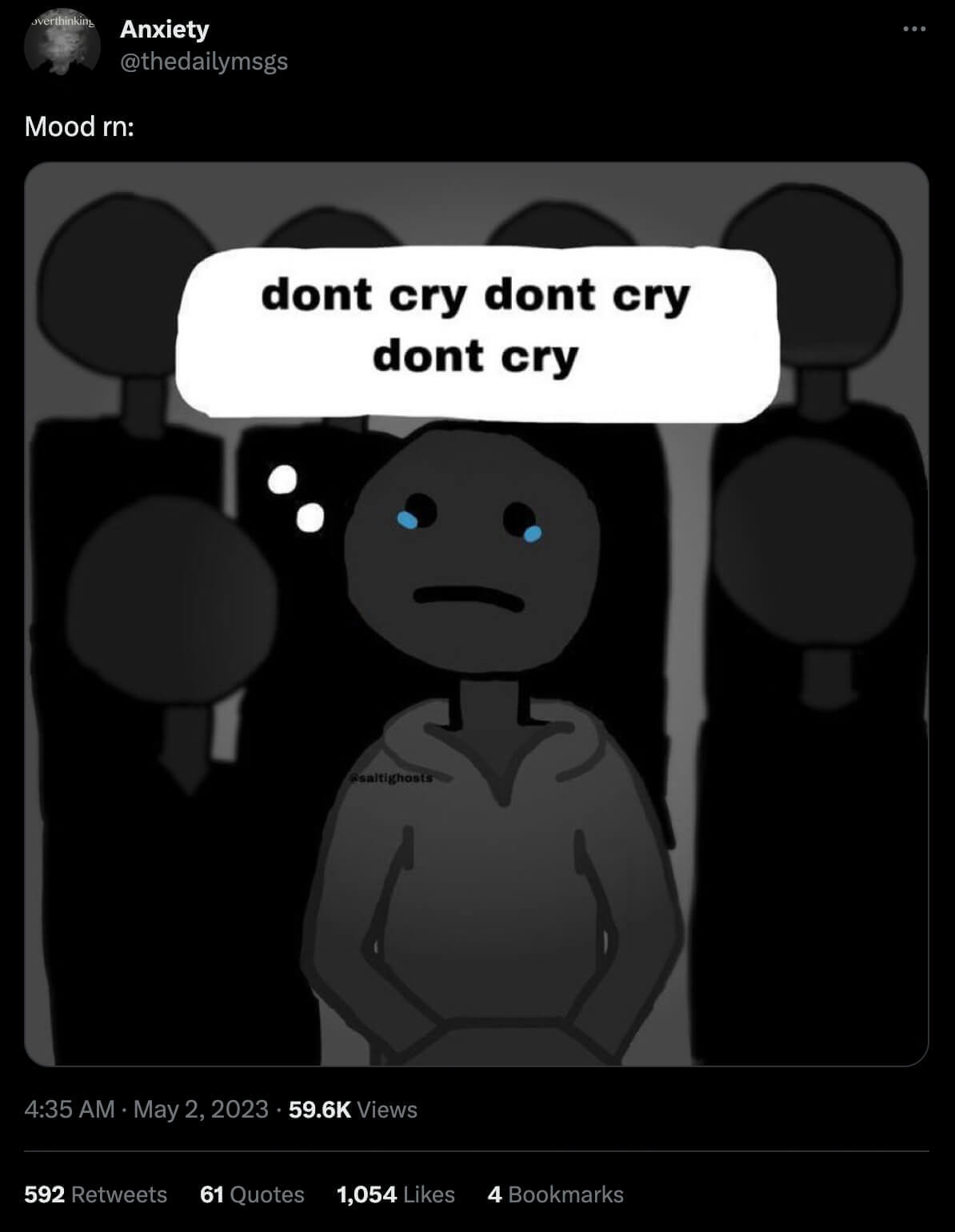
The acronym “RN” stands for “right now.” While it originated in casual text messaging, its adoption into the lexicon of digital natives has had a profound impact on how software and applications are designed to provide immediate feedback. In the realm of technology, user experience (UX) is increasingly defined by the ability of a system to convey the status of a process at this very moment.
The Rise of Real-Time Data Visualization
As users have become accustomed to the immediate nature of “RN,” expectations for software performance have shifted. Applications that lack real-time synchronization or live status updates are now perceived as lagging or unreliable. When a user asks a system for information, they aren’t just looking for an answer; they are looking for the status “RN.” This shift has forced developers to integrate WebSockets and real-time database updates into the core architecture of modern apps. Whether it is an e-commerce platform displaying live inventory levels or a ride-sharing app tracking a driver, the technology stack is now built to satisfy the “RN” mentality.
Messaging Platforms and Presence Indicators
The ubiquity of “RN” in slang correlates directly with the technological implementation of presence indicators. Platforms like Slack, Discord, and WhatsApp have turned the concept of “being available RN” into a visual interface element. A green dot next to a username signifies that the individual is active, effectively communicating “I am here RN” without a single character being typed. This intersection of slang and software design highlights how digital communication tools have gamified our availability, making our presence a data point that is broadcast to our network.
The Impact of Temporal Language on Algorithmic Engagement
In the world of social media, the acronym “RN” functions as a critical trigger for algorithmic engagement. Tech platforms prioritize content that feels immediate and relevant. By using “RN” in captions or status updates, users are not merely describing a timeframe; they are signaling to the platform’s recommendation engine that the content is timely, trending, and worthy of instant attention.
Signaling Urgency to Recommendation Engines
Algorithms are designed to prioritize “freshness.” When a post contains keywords associated with immediate relevance, it often receives a higher engagement score in the initial minutes of its lifecycle. This is a deliberate strategy utilized by digital creators to hack visibility. By framing a narrative around what is happening “RN,” creators invite their audience to participate in a shared, fleeting moment. From a technical perspective, this creates a spike in metadata activity—likes, shares, and comments—which the algorithm interprets as a signal to push that content to a wider audience.
The Psychology of Immediate Updates
Technology platforms have successfully capitalized on the human desire to be “in the know” at this exact moment. By providing tools that encourage live streaming, real-time photo sharing, and ephemeral stories, tech giants have turned “RN” into a business model. The fear of missing out (FOMO) is effectively amplified by the immediacy inherent in modern apps. When a user sees a notification about a friend’s status “RN,” they are prompted to interact with the software, increasing time-on-app metrics and facilitating deeper data collection for the provider.
Integrating Real-Time Communication into Software Development
For developers and product managers, the linguistic transition toward real-time shorthand necessitates a shift in how features are prioritized. If users express themselves using “RN,” then the software must respond with equivalent velocity. This influences the “Time to Interactive” (TTI) metric, which has become a gold standard for assessing the quality of web applications.
Optimizing for Latency and Throughput
The demand for “RN” interactions forces a rigorous focus on reducing latency. In a world where every action is expected to be reflected instantly, server-side rendering and edge computing are no longer optional—they are foundational. When a user engages with a collaborative document editor or a real-time gaming platform, they are testing the limits of these systems. If the system fails to match the speed of a user’s intent, the perceived value of the technology drops significantly. The challenge for the modern tech stack is to ensure that the data pipeline can keep pace with the human expectation of “right now.”
Micro-Interactions as Feedback Loops
Beyond raw data, the software industry uses micro-interactions to satisfy the desire for immediate confirmation. When a user hits the “like” button or sends a message, the immediate visual response (a color shift, a bounce, a read receipt) serves as a digital surrogate for the “RN” slang term. It confirms the action was successful in real-time. Designing these interactions is a critical component of contemporary interface design, ensuring that the software feels responsive and alive, echoing the sentiment of the slang that permeates our daily usage.
The Future of “RN” in Human-Computer Interaction (HCI)
Looking toward the future, the integration of Artificial Intelligence into our communication tools will likely formalize the use of “RN” into automated systems. We are already seeing the emergence of AI agents that monitor our digital workspace to anticipate our immediate needs.
AI-Driven Context Awareness
As AI assistants become more sophisticated, they will act as the ultimate facilitators of “RN” operations. Rather than a user manually typing out that they are busy or currently in a meeting, an intelligent system will contextually analyze the user’s data—calendar, keystrokes, and location—to communicate that status on their behalf. In this scenario, “RN” ceases to be a manual slang term and becomes a machine-readable status tag. This transition will redefine how we share information, moving from active communication to passive, AI-managed updates.

Balancing Immediacy with Digital Well-Being
While the technology to satisfy our need for “right now” continues to accelerate, a counter-movement is emerging within the tech community regarding digital well-being. Features such as “Focus Modes” and “Do Not Disturb” settings are direct responses to the overwhelming pressure created by constant real-time connectivity. Designers are now tasked with the delicate balance of creating systems that are hyper-responsive—delivering on the “RN” promise—while also giving users the agency to step out of that cycle. The tension between the speed of the machine and the rhythm of the human remains one of the most compelling challenges in software development.
Ultimately, “RN” is more than just slang. It is a fundamental shift in how we perceive time and process information in a digital-first world. Whether viewed as an optimization goal for developers or a linguistic symptom of modern life, the acronym perfectly captures the current state of technology: fast, connected, and relentlessly focused on the present moment.
aViewFromTheCave is a participant in the Amazon Services LLC Associates Program, an affiliate advertising program designed to provide a means for sites to earn advertising fees by advertising and linking to Amazon.com. Amazon, the Amazon logo, AmazonSupply, and the AmazonSupply logo are trademarks of Amazon.com, Inc. or its affiliates. As an Amazon Associate we earn affiliate commissions from qualifying purchases.