
The rate at which your hair dries is not merely a trivial matter of how long you spend in front of the bathroom mirror; it is a profound indicator of your hair’s structural integrity, porosity, and overall health. When hair dries rapidly—often in a fraction of the time it takes for others—it is frequently signaling that the hair shaft is highly porous. In the world of hair care, understanding the mechanics of moisture absorption and retention is the difference between thriving strands and damaged, brittle hair.
The Science of Hair Porosity and Drying Time
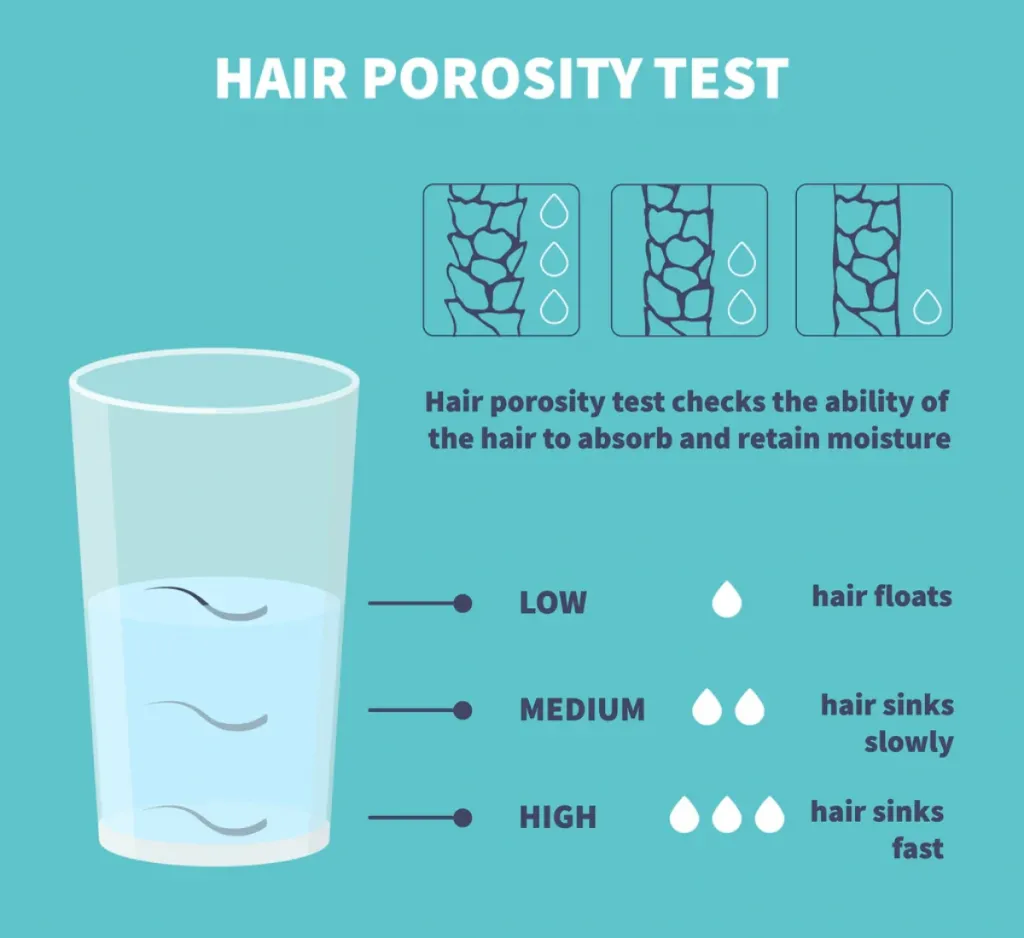
Hair porosity refers to the ability of your hair to absorb and retain moisture. It is determined by the condition of the cuticle, the outermost layer of the hair shaft. When your hair dries exceptionally fast, it is a hallmark sign of high porosity.
The Role of the Cuticle Layer
The cuticle consists of overlapping scales, similar to shingles on a roof. In healthy, low-porosity hair, these scales lie flat, creating a tight seal that prevents water from escaping too quickly while protecting the inner cortex. However, when the hair cuticle is damaged or naturally raised, it creates gaps and holes. While this allows water to enter the hair shaft very easily, it also allows that same moisture to evaporate at an accelerated rate. This rapid evaporation is exactly why your hair feels dry almost immediately after leaving the shower.
Damage vs. Genetic Traits
It is essential to distinguish between genetic porosity and acquired damage. Some individuals are born with high-porosity hair, which may feel coarser or have a tighter curl pattern. However, for many, fast drying is the result of chemical treatments, heat styling, or environmental stressors. When you use bleach, relaxers, or high-heat tools, you are essentially lifting or stripping away the cuticle layer. Once these gaps are created, your hair loses its “locking” mechanism, turning the hair into a sponge that both drinks in and sheds water with alarming efficiency.
The Risks of Rapid Moisture Loss
While it might seem convenient to have hair that dries in ten minutes, this phenomenon often masks an underlying issue of dehydration. If moisture leaves your hair too quickly, it often takes the hair’s natural oils—sebum—with it, leading to a state of chronic dryness that can eventually compromise the hair’s tensile strength.
Brittleness and Breakage
When hair lacks a balanced moisture profile, the keratin proteins that give hair its structure become rigid. Think of a healthy, hydrated piece of rope versus a frayed, dry piece of hemp. As your hair dries rapidly, it loses the internal pressure needed to remain flexible. Consequently, when you brush or style your hair, it is much more prone to snapping. If you notice split ends occurring further up the hair shaft, your rapid drying time is likely the culprit behind the lack of elasticity.
The Cycle of Frizz
Frizz is rarely just about humidity; it is often about a lack of moisture balance. Because highly porous hair has gaps in its structure, it is constantly seeking equilibrium with the surrounding environment. When your hair dries fast, it is essentially screaming for hydration. If the atmosphere is humid, the hair will aggressively pull moisture from the air, causing the cuticle to swell and resulting in the halo of frizz that plagues many individuals with high-porosity hair.
Strategies for Managing High Porosity
If your hair dries fast, you must shift your approach to hair care to compensate for the rapid evaporation. Your goal is to seal the cuticle after hydration to ensure that the moisture stays locked within the cortex for as long as possible.
The Importance of pH-Balanced Products
The pH level of your hair and scalp is roughly 4.5 to 5.5. Alkaline products, such as many traditional shampoos and soaps, can cause the hair cuticle to swell and open, exacerbating high porosity. To counteract rapid drying, utilize products specifically labeled as pH-balanced or acidic. Acidic products help tighten and smooth the cuticle layer, effectively “closing the door” and slowing down the evaporation process after your wash.
Deep Conditioning and Protein Treatments
While moisture is vital, high-porosity hair often requires structural support. Incorporating protein treatments—such as those containing hydrolyzed wheat or silk protein—can help fill in the gaps in your cuticle layer. Think of these as “spackle” for your hair strands. By filling these structural voids, you make it more difficult for water to escape, effectively slowing down your drying time and improving the overall texture of your hair.
The L.O.C. Method
The Liquid, Oil, Cream (L.O.C.) method is a gold standard for those dealing with rapid moisture loss. By layering products in a specific order, you create a physical barrier that prevents immediate evaporation:
- Liquid/Leave-in: Start with a water-based moisturizer to provide the hydration your hair is missing.
- Oil: Apply an oil (such as argan or jojoba) to seal in the liquid. Oils act as a hydrophobic barrier.
- Cream: Finish with a thicker cream or butter (like shea butter) to provide long-lasting protection and weight to the strand.
Environmental Factors and Prevention
Beyond the products you use, your daily habits significantly influence how your hair retains moisture. Understanding how environmental stressors affect your hair’s drying time is key to long-term maintenance.
Protection from Heat and UV Rays
UV radiation and high heat act as catalysts for cuticle damage. If you are a frequent user of blow dryers or flat irons, the heat causes the water inside the hair shaft to boil and turn to steam, which physically pushes the cuticle scales upward and outward. Once these scales are permanently lifted, they rarely lie flat again. Using a heat protectant is not optional; it is a necessity to prevent the “fast-drying” trap. Furthermore, wearing hats or using UV-protective hair sprays during long days in the sun can prevent the oxidation that leads to high porosity.
Water Quality Considerations
Believe it or not, the water in your shower might be contributing to your hair’s rapid drying. Hard water contains high levels of calcium and magnesium, which can deposit on the hair, making it feel dry and porous over time. If you suspect your water supply is “hard,” consider installing a showerhead filter. These filters remove mineral deposits that would otherwise build up on your hair, allowing your natural oils to coat the strands more effectively and helping the cuticle remain smoother.
Gentle Detangling Practices
When your hair is in a high-porosity state, it is at its most vulnerable when wet. Because it absorbs water so rapidly, the hair shaft swells significantly, which can put stress on the hair bonds. Avoid aggressive brushing while your hair is soaking wet. Instead, use a wide-tooth comb and start from the ends, working your way up slowly. Minimizing mechanical stress ensures that you are not further damaging the cuticle and accelerating the porous nature of your strands.
Recognizing the Turning Point
Recognizing that your hair dries fast is the first step toward reclaiming its health. It is a diagnostic tool that tells you exactly where your hair care routine is failing. If you are diligent about sealing the cuticle, utilizing protein when necessary, and protecting your hair from environmental damage, you can effectively move your hair from a high-porosity state toward a more balanced, resilient condition.
While you may never change your genetic hair texture, you can certainly change how it behaves. The goal is to move from hair that dries in a frantic, damaging rush to hair that holds its moisture with graceful retention. Pay attention to how your hair behaves in the shower and immediately after; those minutes are the most revealing indicators of the health and future of your hair. By respecting the structure of your hair and providing it with the right tools, you can ensure that it stays hydrated, vibrant, and strong regardless of your natural porosity level.
aViewFromTheCave is a participant in the Amazon Services LLC Associates Program, an affiliate advertising program designed to provide a means for sites to earn advertising fees by advertising and linking to Amazon.com. Amazon, the Amazon logo, AmazonSupply, and the AmazonSupply logo are trademarks of Amazon.com, Inc. or its affiliates. As an Amazon Associate we earn affiliate commissions from qualifying purchases.