
It’s a question that has plagued picnickers, campers, and anyone who’s ever tried to enjoy a summer evening outdoors: why do mosquitoes seem to zero in on some people while leaving others relatively unscathed? The answer, it turns out, is far more complex and fascinating than a simple preference. While the title “What Blood Type Do Bugs Like the Most?” is a catchy hook, the reality delves into a sophisticated interplay of biological signals, environmental factors, and even our technological interactions. This exploration will unearth the scientific principles behind mosquito attraction, not as a matter of personal taste, but as a result of precise chemical and physical cues.
The immediate thought upon hearing the question is to pinpoint a specific blood type, say O positive, as a universal attractant. However, scientific research paints a more nuanced picture. While blood type can play a role, it’s not the sole determinant, and the preference, if it exists, is likely subtle and intertwined with other more potent attractors. To truly understand why mosquitoes bite some of us more than others, we need to consider the broader scientific context, touching upon areas of biology, chemistry, and even how our personal choices and the technologies we embrace can influence our “bug appeal.”
The Chemical Symphony: Decoding Mosquito’s Sensory World
Mosquitoes don’t navigate the world through sight alone. Their primary method of finding a blood meal is through an incredibly sophisticated olfactory system, essentially a highly tuned sense of smell. They are drawn to a cocktail of chemical compounds released by our bodies, and the precise blend and concentration of these chemicals vary from person to person.
The Dominance of Carbon Dioxide
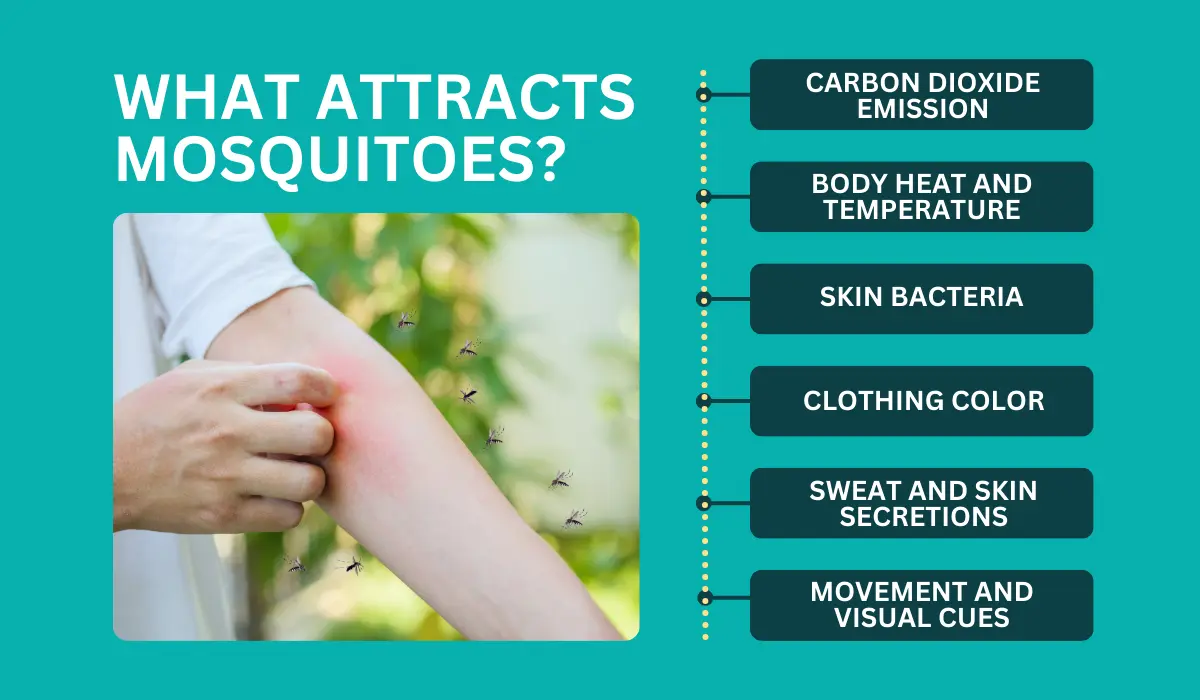
Perhaps the most significant attractant for mosquitoes is carbon dioxide (CO2). As we exhale, we release this gas, and mosquitoes can detect CO2 from considerable distances, sometimes up to 50 meters away. This makes CO2 a crucial “long-range beacon,” guiding them towards potential hosts. The more active you are, the more CO2 you exhale, potentially making you a more visible target. This is why during physical exertion, like a brisk walk or strenuous activity, you might find yourself attracting more buzzing visitors.
Lactic Acid: The Sweet Scent of Activity
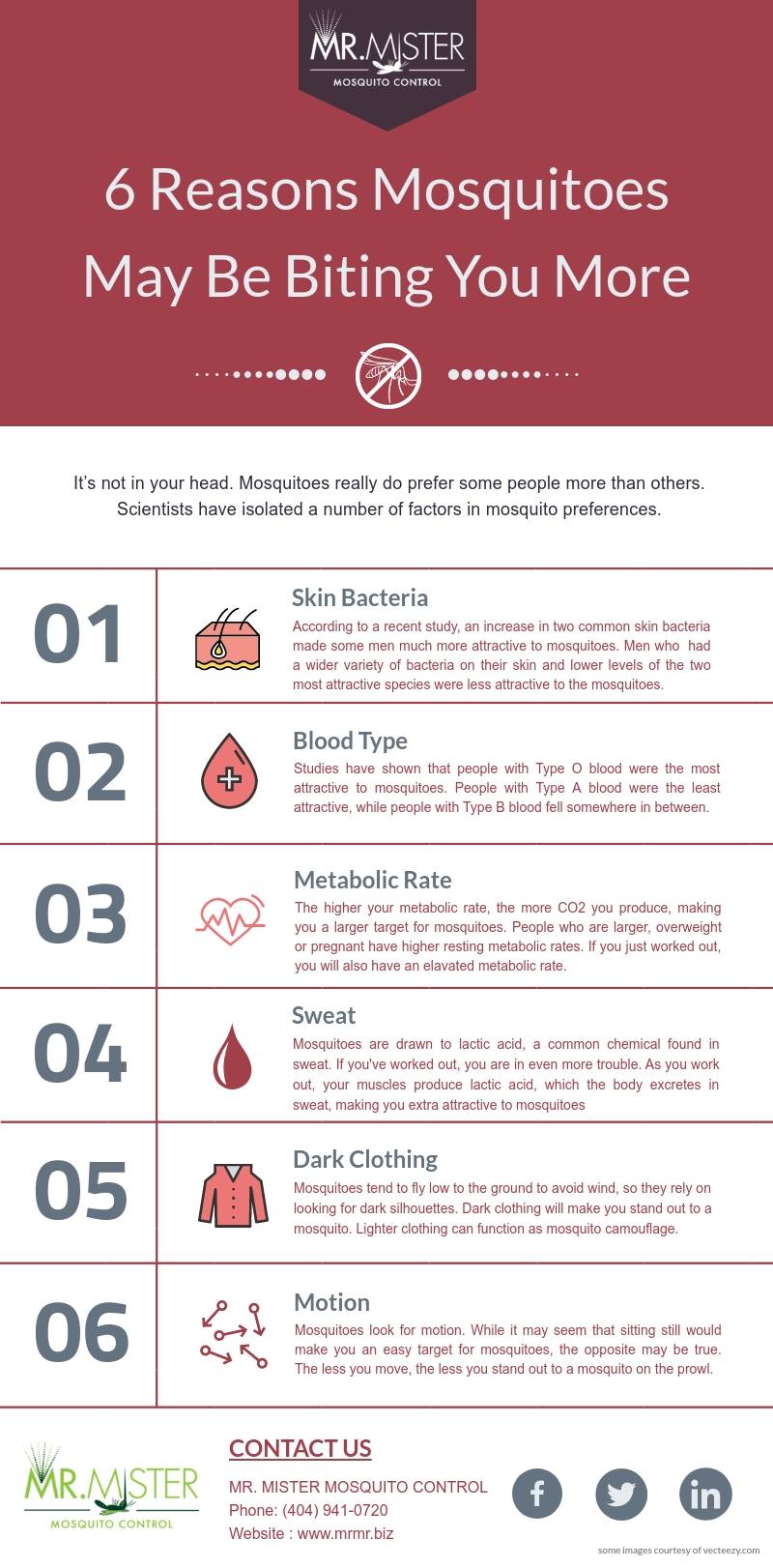
Following the trail of CO2, mosquitoes are further guided by other volatile organic compounds (VOCs) released from our skin. Among these, lactic acid is a key player. Lactic acid is a byproduct of muscle metabolism, meaning it’s more prevalent in individuals who have recently exercised or have a higher metabolic rate. This explains why after a workout, you might find yourself a prime target for mosquitoes. Studies have shown a strong correlation between lactic acid levels on the skin and mosquito attraction.
Other Volatile Signals: A Personalized Profile
Beyond CO2 and lactic acid, a complex array of other VOCs contribute to our individual “scent profile.” These include:
- Ammonia: Another byproduct of protein metabolism, ammonia can also be an attractant.
- Octenol: This compound, found in human breath and sweat, is another known mosquito attractant.
- Skin Microbes: The bacteria and fungi that live on our skin play a surprisingly significant role. These microbes break down the compounds on our skin, releasing a unique blend of VOCs that can be attractive or even repellent to mosquitoes. This means that the composition of your skin microbiome can subtly influence your “bug appeal.”
The interplay of these various chemical signals creates a unique scent signature for each individual. While it’s a simplification to say mosquitoes “like” one blood type over another, they are undoubtedly attracted to the chemical compounds that emanate from our bodies.
Blood Type: A Subtler Influence on Mosquitoes
While the chemical symphony of VOCs is the primary driver of mosquito attraction, blood type does appear to play a secondary, albeit less understood, role. Early research and anecdotal observations have suggested that certain blood types might be more attractive to mosquitoes than others.
The O Blood Type Hypothesis
The most frequently cited hypothesis is that people with blood type O are more attractive to mosquitoes than those with blood types A, B, or AB. The proposed mechanism behind this is linked to the presence of certain antigens on the surface of red blood cells, which are also secreted into bodily fluids like sweat. Research suggests that individuals with blood type O may secrete higher levels of these attractant compounds.
However, it’s crucial to emphasize that the evidence supporting this is not definitive and can be contradictory. Some studies have found a preference for O blood types, while others have shown no significant difference or even a preference for other types. The complexity of mosquito olfaction, coupled with the multitude of other attractant compounds, makes it challenging to isolate the precise impact of blood type.
Beyond Antigens: Other Potential Connections
It’s possible that any influence of blood type isn’t directly about the blood itself, but rather indirectly through its association with other biological factors. For example, certain blood types might be linked to variations in metabolism, sweat composition, or even the types of bacteria that colonize the skin. These indirect links could then influence the VOCs we emit, thereby indirectly affecting mosquito attraction.
Ultimately, while the idea of blood type being the sole determinant is appealingly simple, the scientific consensus points towards a more intricate biological landscape where blood type is, at best, a minor player in the grand scheme of mosquito attraction.
Beyond Biology: Environmental and Behavioral Factors
The mosquito’s attraction isn’t solely a biological imperative. Our environment and our own behaviors significantly influence our susceptibility to bites. Understanding these external factors can provide practical strategies for minimizing encounters.
Environmental Cues: Warmth and Moisture
Mosquitoes are cold-blooded insects, and they are more active in warmer temperatures. This is why mosquito activity tends to increase during the summer months and in humid climates. They are also drawn to stagnant water sources, which are essential for their breeding cycle. Areas with standing water, such as puddles, bird baths, or clogged gutters, become prime mosquito breeding grounds, increasing their local population and thus the likelihood of encountering them.
Behavioral Influences: Clothing and Movement
Our clothing choices can also play a role. Darker colors tend to absorb more heat, making us appear warmer and potentially more attractive to mosquitoes. Conversely, lighter colors might offer a slight advantage. Furthermore, rapid or jerky movements can alert mosquitoes to our presence. Staying calm and minimizing sudden movements can sometimes help to avoid detection.
The Role of Technology in Our Scent Profile
Interestingly, even the technologies we use can subtly influence our scent profile. The ingredients in our soaps, lotions, perfumes, and even laundry detergents can alter the VOCs we emit. Some fragrances might inadvertently mimic natural attractants, while others might mask them. For example, certain floral scents could potentially attract some mosquito species, while others might have no effect or even a repellent one.
Furthermore, as we become more interconnected with technology, our environments are increasingly controlled. Air conditioning, for instance, can reduce the natural release of some attractant compounds through sweat. However, the impact of most personal care products and technological environments on mosquito attraction is still an area of ongoing research, highlighting the dynamic and multifaceted nature of this phenomenon.
Mitigation Strategies: Beyond Blood Type
Given that the primary drivers of mosquito attraction are chemical signals and environmental factors, effective mitigation strategies focus on disrupting these cues rather than solely on our blood type.
Personal Protection: Repellents and Barriers
The most effective way to avoid mosquito bites is to use scientifically proven insect repellents. Products containing DEET, Picaridin, or oil of lemon eucalyptus are highly effective at masking our scent and deterring mosquitoes. Wearing long sleeves, pants, and socks, especially during peak mosquito activity hours (dawn and dusk), creates a physical barrier. Permethrin-treated clothing can offer an additional layer of protection.
Environmental Control: Eliminating Breeding Grounds
Controlling mosquito populations at their source is equally important. Eliminating standing water around our homes and communities significantly reduces breeding opportunities. This includes emptying water from plant saucers, old tires, and rain gutters, and ensuring that swimming pools are properly chlorinated and maintained.
Technological Aids and Future Solutions
While not a direct solution to blood type preference, technology offers various avenues for mitigation. Smart home devices that monitor air quality and potentially detect mosquito presence are emerging. Furthermore, ongoing research into mosquito behavior and attractants, often facilitated by advanced sensing and analytical technologies, promises to develop more targeted and effective repellents and control methods in the future. Understanding the chemical language of mosquitoes through advanced analytical tools allows for the development of novel attractants for traps or more sophisticated repellents.
Conclusion: A Multifaceted Phenomenon
In conclusion, the question “What blood type do bugs like the most?” is a simplification of a much more complex biological and environmental interaction. While there might be a subtle, scientifically debated link between blood type O and increased mosquito attraction, it is far from the sole or even primary reason for their biting behavior. Mosquitoes are primarily drawn to the sophisticated chemical signals we emit, particularly carbon dioxide and lactic acid, influenced by our metabolic activity and the unique composition of our skin microbiome.
Our environment, including temperature and humidity, along with our behavioral choices like clothing color and movement, also significantly impacts our likelihood of being bitten. Even the technological products we use can subtly alter our scent profile. Therefore, to effectively ward off these persistent pests, we must move beyond the simplistic notion of blood type and focus on a multifaceted approach that includes personal protection through repellents and barriers, environmental control to eliminate breeding grounds, and leveraging technological advancements for both monitoring and mitigation. By understanding the science behind mosquito attraction, we can better protect ourselves and enjoy our outdoor spaces without becoming an unwilling buffet.
aViewFromTheCave is a participant in the Amazon Services LLC Associates Program, an affiliate advertising program designed to provide a means for sites to earn advertising fees by advertising and linking to Amazon.com. Amazon, the Amazon logo, AmazonSupply, and the AmazonSupply logo are trademarks of Amazon.com, Inc. or its affiliates. As an Amazon Associate we earn affiliate commissions from qualifying purchases.