
The relentless hum of a mosquito, the itchy welt that follows – it’s a universal annoyance. But have you ever stopped to wonder why some people seem to be a mosquito magnet while others remain relatively untouched? While the immediate thought might be a simple matter of personal preference for these blood-sucking insects, scientific inquiry suggests a more complex, and frankly, fascinating, answer. The question of “what blood type attracts the most mosquitoes” has long been a subject of curiosity, sparking conversations and even influencing how we approach personal protection against these disease-carrying pests.
However, to truly understand this phenomenon, we need to move beyond mere blood types and delve into the multifaceted world of mosquito attraction. This isn’t just about a simple genetic marker; it’s a complex interplay of biology, environment, and even our technological interactions with the world around us. From the subtle scents we emit to the broader implications of human activity on insect populations, the answer is far more intricate than it initially appears.
Decoding the Scent: Beyond Blood Type
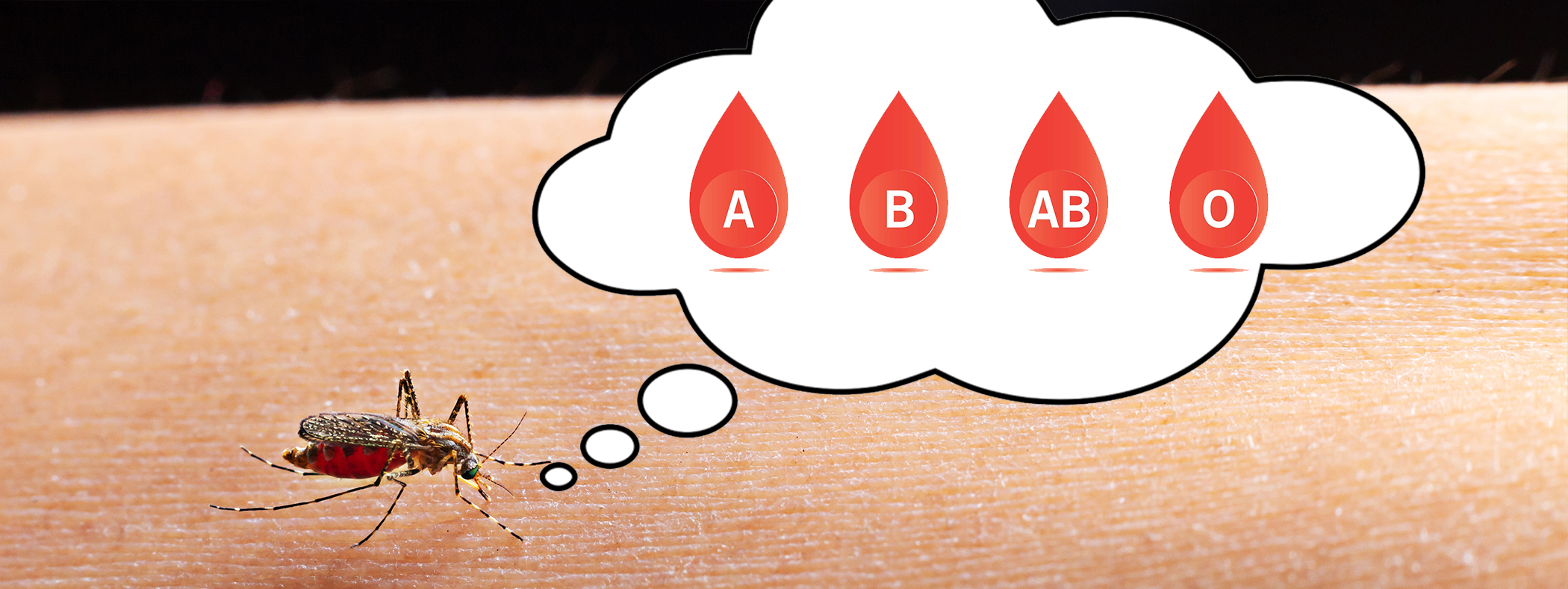
For years, the prevailing theory, and one that often gets repeated, is that individuals with Type O blood are more attractive to mosquitoes than those with Type A, B, or AB. This hypothesis stems from observational studies and a few research papers suggesting that people with Type O blood secrete certain compounds in their skin and sweat that are more appealing to mosquitoes. While this theory holds some weight and is often cited, it’s crucial to understand that blood type is just one piece of a much larger puzzle.
Mosquitoes are incredibly sophisticated creatures, equipped with a remarkable olfactory system that allows them to detect a wide array of chemical signals. They don’t just rely on a single attractant; rather, they are drawn to a symphony of scents, each playing a role in their quest for a blood meal.
The Carbon Dioxide Trail: A Universal Beacon
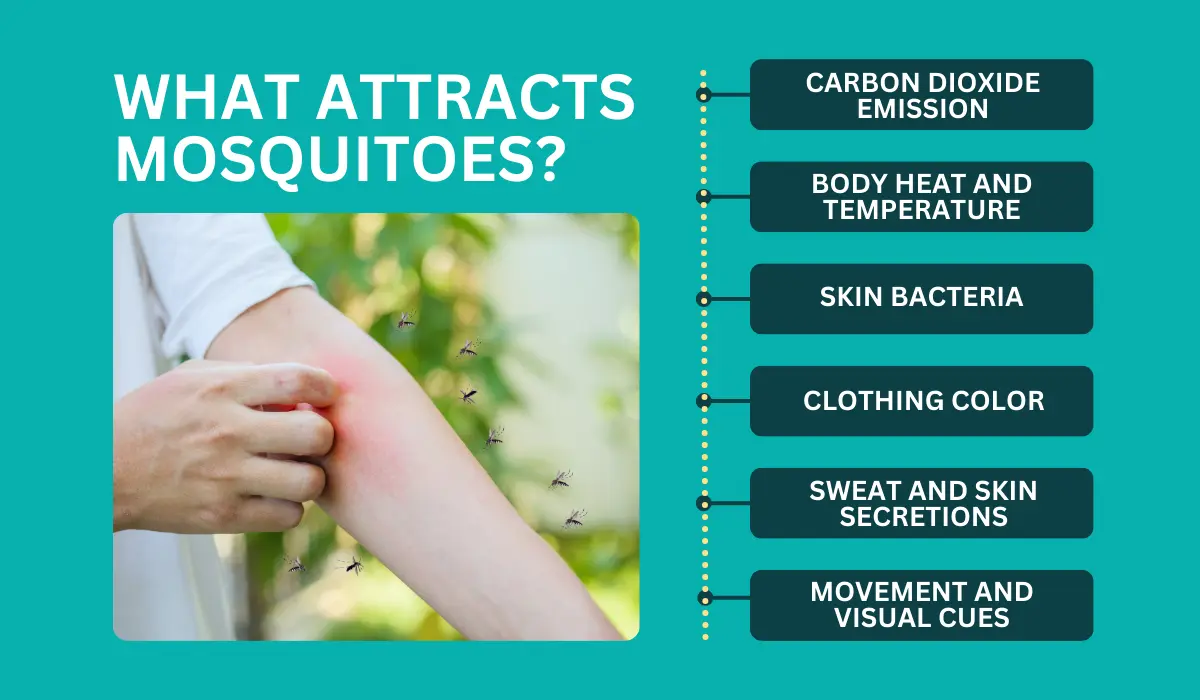
One of the most significant attractants for mosquitoes is carbon dioxide (CO2). As humans exhale, we release this gas, creating a plume that mosquitoes can detect from a considerable distance. This is why they are often found lurking in areas where people congregate or where there is significant human activity. The more CO2 you exhale, the more noticeable you become to these airborne hunters. Factors like physical activity, metabolism, and even the size of an individual can influence the amount of CO2 they release, potentially making them a more prominent target.
Beyond CO2: A Cocktail of Chemical Cues
While CO2 is a broad signal, mosquitoes use a more nuanced set of olfactory cues to pinpoint their targets and confirm their meal. These include:
- Lactic Acid: Produced during strenuous exercise and by certain bacteria on our skin, lactic acid is a powerful attractant. This is why you might notice more mosquito bites after a sweaty workout.
- Ammonia: Another component of sweat, ammonia can also play a role in attracting mosquitoes.
- Octenol: This compound, found in human breath and sweat, is a known mosquito attractant and is often used in mosquito traps.
- Skin Microbiome: The unique community of bacteria and other microorganisms living on our skin, known as the skin microbiome, can produce a variety of volatile organic compounds (VOCs). Some of these VOCs can be attractive to mosquitoes, while others might be repellent. The diversity and composition of our skin flora can therefore influence our perceived attractiveness.
- Body Heat: Mosquitoes are also sensitive to heat. Warmer bodies can be more easily detected, especially in cooler environments or at night.
It’s the combination and concentration of these various chemical signals, rather than a single factor like blood type, that ultimately determines an individual’s attractiveness to mosquitoes. This complex interplay explains why even within the same blood group, some individuals are more prone to bites than others.
The Brand of Your Body: Unintentional Branding and Mosquitoes
When we think of “brand,” we typically associate it with companies, products, or personal marketing strategies. However, in a fascinating biological twist, our bodies also possess an unintentional “brand” – a unique olfactory signature composed of our genetics, diet, lifestyle, and the aforementioned skin microbiome. This “body brand” is what mosquitoes are ultimately deciphering.
Genetic Predispositions: Your Innate Olfactory Blueprint
Our genetic makeup plays a significant role in shaping our body odor. Genes influence the production of enzymes that break down or produce certain compounds, leading to variations in the VOCs we emit. While direct gene mapping for mosquito attraction is still an active area of research, it’s plausible that certain genetic profiles predispose individuals to emitting more attractive scents. This is where the blood type theory might intersect with broader genetic influences, as blood type itself is determined by genes.
Dietary Influences: What You Eat, What They Seek
Our diet can also subtly alter the chemical composition of our sweat and breath. Consuming certain foods rich in sulfur compounds, for instance, might lead to a more potent odor that attracts mosquitoes. Conversely, some dietary choices might produce scents that are less appealing. While not as heavily researched as other factors, it’s a logical extension that what we consume can contribute to our overall olfactory profile.
Lifestyle and Environment: External Modifiers
Beyond genetics and diet, our lifestyle and environment contribute to our unique body brand. Factors like hygiene practices, the use of perfumes and deodorants, and even the type of clothing we wear can influence the scents mosquitoes detect. For example, certain fragrances might mask our natural scent, while others could inadvertently attract them. Furthermore, living in or visiting environments with abundant mosquito populations naturally increases your exposure and the likelihood of being bitten, regardless of your individual attractant level.
Money Matters: The Financial Implications of Mosquitoes and Mitigation
While the question of mosquito attraction might seem purely biological, it has significant economic and personal finance implications. Mosquitoes are not just a nuisance; they are vectors for serious diseases like malaria, dengue fever, Zika virus, and West Nile virus. The costs associated with these diseases, both in terms of healthcare and lost productivity, are substantial.
The Cost of Prevention and Protection
Individuals and communities invest heavily in mosquito prevention and protection. This includes:
- Insect Repellents: The market for insect repellents is a multi-billion dollar industry. Consumers regularly spend money on lotions, sprays, and devices containing active ingredients like DEET, picaridin, and oil of lemon eucalyptus. The effectiveness and price point of these products vary, impacting personal budgets.
- Mosquito Control Programs: Governments and local authorities allocate significant funds to mosquito control programs. These initiatives involve public education, larviciding (treating breeding grounds), adulticiding (spraying to kill adult mosquitoes), and surveillance to monitor mosquito populations and disease transmission.
- Personal Protective Measures: Beyond repellents, people invest in screens for windows and doors, mosquito nets for sleeping, and even clothing designed to repel insects. These are recurring expenses that contribute to the overall cost of living in mosquito-prone areas.
- Travel and Tourism: In regions heavily affected by mosquito-borne illnesses, tourism can suffer, leading to economic losses. Conversely, the need to travel to areas where these diseases are prevalent often necessitates the purchase of specialized travel health insurance and vaccinations, adding to travel expenses.
The Economic Burden of Disease
The economic impact of mosquito-borne diseases extends far beyond individual spending on repellents. The burden on healthcare systems is immense, with billions spent annually on diagnosis, treatment, and hospitalization. Furthermore, widespread outbreaks can lead to lost workdays, reduced economic output, and long-term health complications for affected individuals, impacting their ability to earn a living and contribute to the economy.

Technological Solutions and Innovation: Investing in a Mosquito-Free Future
The persistent threat of mosquitoes has spurred innovation and investment in technological solutions. This is where the intersection of “Tech” and mosquito science becomes particularly relevant.
- Smart Repellents and Traps: The development of smart devices that can detect mosquito presence, release targeted repellents, or even trap mosquitoes based on their attractant profiles is an emerging area. These technologies aim to provide more efficient and personalized protection.
- Genetic and Biological Control: Researchers are exploring advanced methods like releasing sterile mosquitoes or genetically modified mosquitoes to reduce breeding populations. These cutting-edge approaches require significant investment in research and development.
- Early Warning Systems: Leveraging data analytics and AI, scientists are working on developing early warning systems to predict mosquito population booms and potential disease outbreaks. This allows for proactive intervention and resource allocation.
- Advanced Repellent Formulations: Ongoing research focuses on developing new, more effective, and longer-lasting repellent formulations with fewer environmental impacts.
The financial aspect of mosquito attraction, therefore, is a multifaceted issue that touches upon personal budgeting, public health expenditure, and the continuous drive for technological innovation to combat these pervasive insects and the diseases they carry. Understanding what attracts mosquitoes isn’t just an academic exercise; it’s a crucial step in developing more effective and cost-efficient strategies for human health and well-being.
aViewFromTheCave is a participant in the Amazon Services LLC Associates Program, an affiliate advertising program designed to provide a means for sites to earn advertising fees by advertising and linking to Amazon.com. Amazon, the Amazon logo, AmazonSupply, and the AmazonSupply logo are trademarks of Amazon.com, Inc. or its affiliates. As an Amazon Associate we earn affiliate commissions from qualifying purchases.