
In the vast landscape of networking, cloud architecture, and data center management, the terms “ingress” and “egress” serve as the fundamental pillars for understanding how information flows. While these words may sound like jargon reserved for network engineers, they are concepts that define how every byte of data reaches your screen, how your cloud-based applications communicate, and how your enterprise infrastructure remains secure.
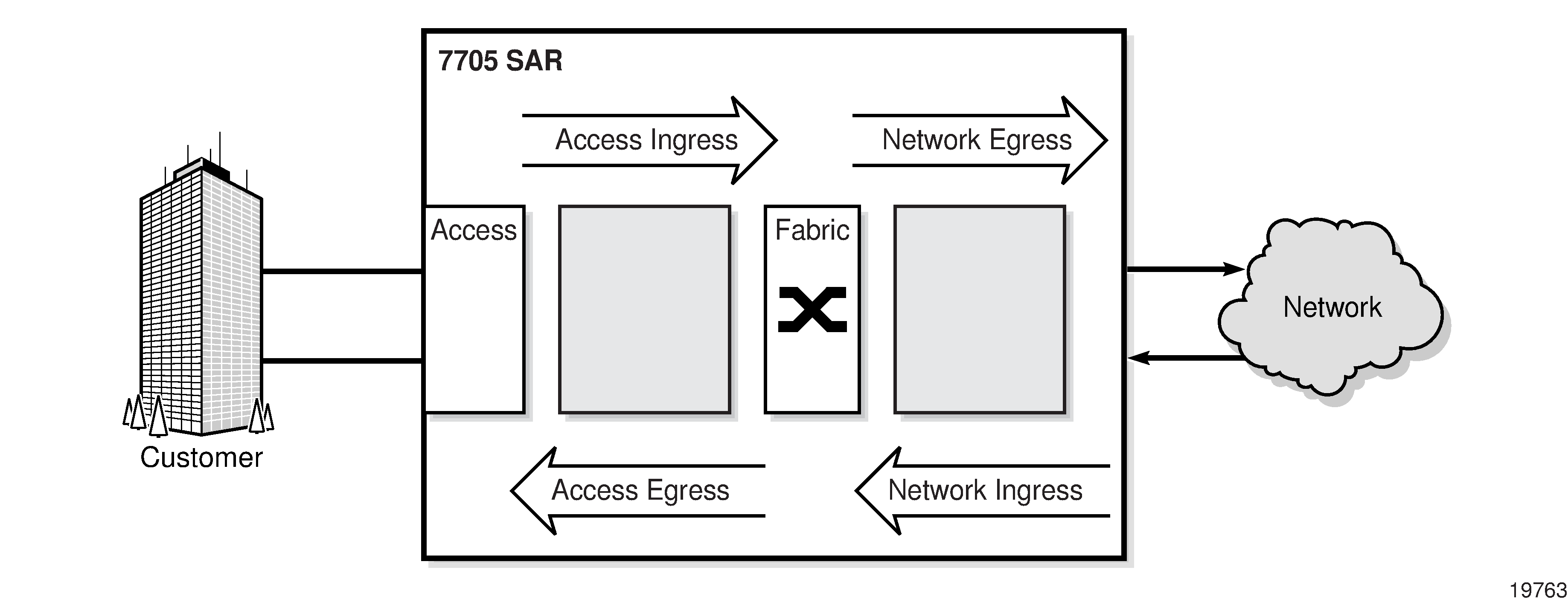
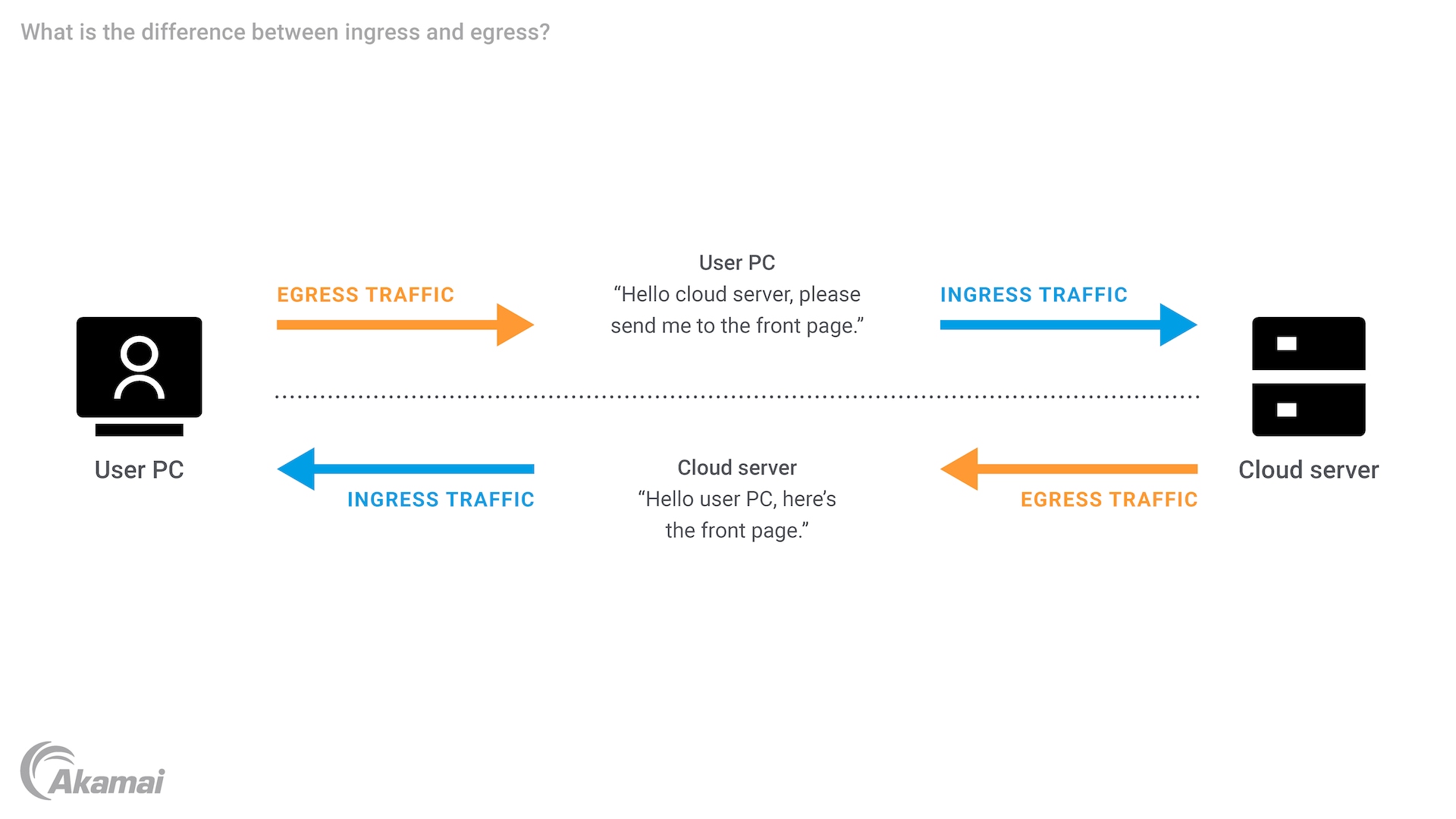
At its most basic level, ingress and egress describe the direction of traffic movement. Ingress refers to data entering a network or system, while egress refers to data exiting it. However, in modern technology, understanding the nuance of these terms—and how to manage them—is the difference between a secure, high-performing digital ecosystem and a compromised, costly one.
The Fundamentals of Network Traffic Flow
To manage a digital network effectively, one must think of it as a physical roadway. Traffic does not just move; it moves with intent, direction, and security requirements.
Defining Ingress: The Incoming Stream
Ingress is the influx of data into a specific network or resource. When you navigate to a website, your request travels through the internet and arrives at the web server; that data transfer is an ingress event for the server. In enterprise settings, ingress is often associated with the “front door” of your application. This is where load balancers, firewalls, and API gateways sit to inspect, filter, and route the incoming requests to the appropriate backend services. Managing ingress is about availability and security—ensuring that legitimate traffic gets through while malicious packets are blocked at the perimeter.
Defining Egress: The Outbound Stream
Egress is the movement of data from inside a network to an external destination. When a server sends a response back to your web browser, or when a cloud application uploads a database backup to external storage, this is egress. In many corporate environments, egress is the primary concern for data security and cost management. While people often focus on stopping intruders from getting in, egress control is vital to prevent unauthorized data exfiltration. If a server is compromised, the attacker’s primary goal is to “egress” sensitive data out of your environment to a remote server.
The Role of Ingress and Egress in Cloud Architecture
Cloud service providers like AWS, Microsoft Azure, and Google Cloud have built their pricing models and infrastructure management tools around the concepts of ingress and egress. For CTOs and systems administrators, the distinction is critical for financial planning and architectural design.
Cloud Cost Implications
One of the most significant aspects of cloud management is the “egress fee.” Most cloud providers allow you to move data into their environment for free (ingress is usually free). However, they charge a premium for moving data out of their ecosystem (egress). This is designed to keep your data “sticky” within their platform. If your application architecture is poorly designed, you might find yourself inadvertently moving massive amounts of data between cloud regions or out to the public internet, leading to unexpected and exorbitant monthly bills. Optimizing data transfer by keeping data as close to the compute resources as possible—or using Content Delivery Networks (CDNs) to reduce egress—is a primary strategy in cloud cost optimization.
Security Gateways and Load Balancing
In a cloud environment, managing the “gatekeepers” is essential. An Ingress Controller is a specialized component that manages external access to the services in a cluster, typically HTTP/HTTPS. It provides load balancing, SSL termination, and name-based virtual hosting. By centralizing ingress traffic through a controller, engineers can implement WAF (Web Application Firewall) rules that inspect incoming traffic for SQL injection or Cross-Site Scripting (XSS) attacks before they reach the internal application.
Security Strategies: Controlling the Flow
Because ingress and egress represent the borders of your digital kingdom, they are the primary focus of network security architecture. The goal is to enforce a “Zero Trust” model, where both incoming and outgoing traffic is treated as potentially suspicious until proven otherwise.
Securing the Ingress Perimeter
Securing ingress is generally about filtering. You want to ensure that only the services intended to be public are accessible. This involves:
- API Gateways: Acting as the single entry point for all client requests, providing authentication, rate limiting, and request transformation.
- DDoS Protection: Using scrubbing centers to absorb the massive volume of malicious ingress traffic generated during a Distributed Denial of Service attack.
- Intrusion Detection Systems (IDS): Monitoring ingress packets for signatures associated with known threats.
Controlling the Egress Path
Egress security is often the most neglected area of network defense. If a malicious actor successfully compromises a server, the first thing they will do is attempt to connect to a Command and Control (C2) server. If you have an “allow-all” egress policy, the attacker can easily establish that connection.
Modern egress security focuses on:
- Egress Filtering: Creating a “deny-by-default” policy where servers are only permitted to connect to specific, whitelisted external endpoints.
- Data Loss Prevention (DLP): Scanning outbound traffic for sensitive information, such as PII (Personally Identifiable Information) or proprietary code, to prevent accidental or malicious data leaks.
- Proxy Servers: Routing outbound traffic through a transparent proxy where it can be logged, inspected, and blocked if it violates company policy.
Optimizing Performance and Latency
Beyond security and cost, ingress and egress are the primary factors in user experience. Latency is the time it takes for a data packet to travel from a source to a destination. In a global economy, the physical distance between where your data is (egress) and where your user is (ingress) determines the speed of your application.
Content Delivery Networks (CDNs)
CDNs are the ultimate tool for managing ingress/egress performance. By caching data at “Edge” locations—servers physically located near your end-users—CDNs allow for a much shorter journey for the data. Instead of a user in London requesting data that must egress from a server in California, the user fetches the data from a local London edge server. This minimizes the latency of the egress journey and significantly improves the speed of the ingress request.
Choosing the Right Infrastructure
When designing a system, choosing where to house your data is a strategic decision. If your application relies on high-frequency, massive data transfers between servers, you should place those servers within the same cloud region or even the same “Availability Zone.” This minimizes cross-zone egress costs and significantly reduces the latency associated with the round-trip of packets. Understanding these traffic patterns allows engineers to design “data-local” architectures that are both faster and cheaper.

Conclusion: The Strategic Importance of Traffic Flow
In the modern digital environment, ingress and egress are not just technical terms for packet movement; they are the levers of control for performance, security, and financial viability.
Ingress management is your shield against the external world, ensuring that your applications are accessible yet protected from a hostile internet. Egress management is your anchor, ensuring that your data stays secure, your costs remain predictable, and your performance stays optimized. As companies continue to migrate toward distributed, cloud-native architectures, the mastery of these flows will remain a cornerstone of professional IT operations. Whether you are architecting a microservices cluster, optimizing cloud spend, or hardening a network perimeter, your ability to visualize and control the ingress and egress of your data will determine the resilience and success of your digital enterprise.
aViewFromTheCave is a participant in the Amazon Services LLC Associates Program, an affiliate advertising program designed to provide a means for sites to earn advertising fees by advertising and linking to Amazon.com. Amazon, the Amazon logo, AmazonSupply, and the AmazonSupply logo are trademarks of Amazon.com, Inc. or its affiliates. As an Amazon Associate we earn affiliate commissions from qualifying purchases.