
The modern retail landscape has shifted dramatically, moving away from simple brick-and-mortar transactions toward an omnichannel ecosystem where speed, efficiency, and inventory accuracy define success. For a retail giant like Kohl’s, “fulfillment” is the engine that drives this transformation. Understanding what fulfillment means within the context of a major retailer is essential for anyone looking to understand the modern supply chain, whether you are an investor monitoring operational costs, a job seeker looking at warehouse roles, or a business student analyzing retail strategy.
At its core, fulfillment at Kohl’s refers to the entire lifecycle of a customer order—from the moment a “Buy” button is clicked on their website or app, to the moment that product reaches the customer’s hands. This is not merely moving boxes; it is a highly orchestrated financial and logistical process that balances inventory liquidity with customer satisfaction.
The Financial Mechanics of Omnichannel Fulfillment
When analyzing Kohl’s fulfillment strategy through a business and financial lens, it is clear that fulfillment is a significant cost center, but also a vital revenue driver. In retail finance, fulfillment costs include warehousing, labor, shipping, and the technology required to track inventory in real-time.
Reducing the Cost of Last-Mile Delivery
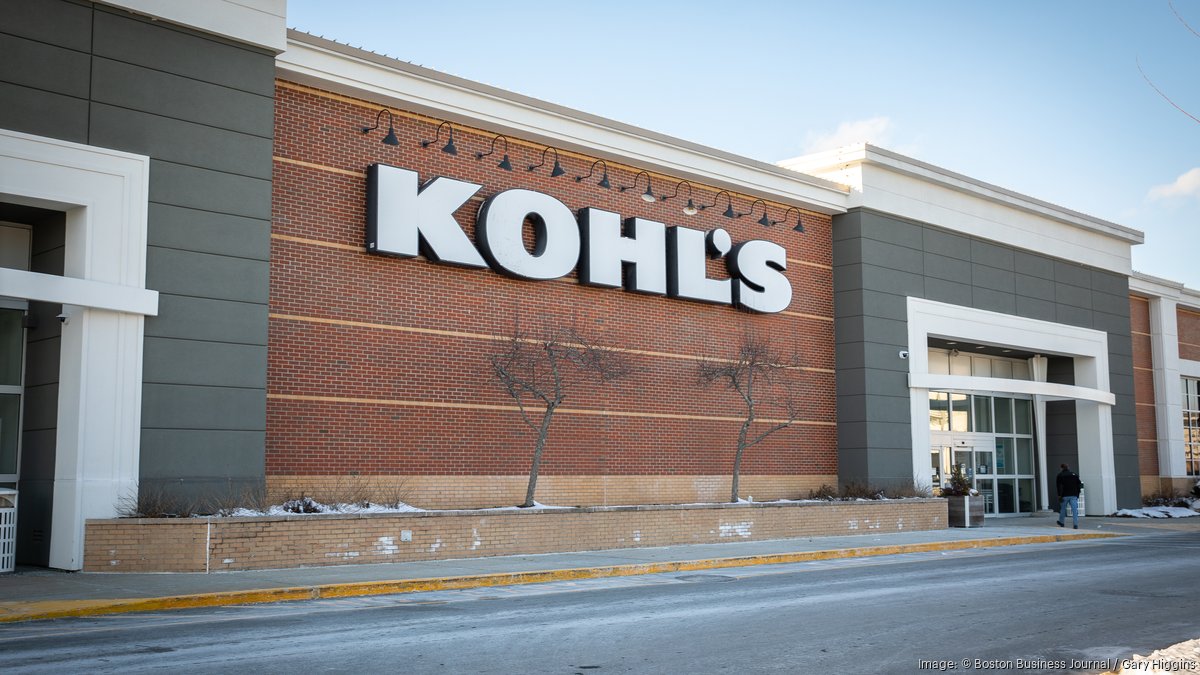
The “last mile”—the final leg of a product’s journey from a warehouse or store shelf to the customer’s front door—is the most expensive part of the supply chain. To optimize this, Kohl’s has invested heavily in “Ship-from-Store” capabilities. By utilizing local brick-and-mortar stores as mini-distribution centers, Kohl’s drastically reduces the distance a package must travel. From a financial perspective, this reduces shipping zones, which lowers transit costs and speeds up delivery times. This strategy allows the company to turn stagnant store inventory into active revenue-generating assets, effectively utilizing overhead that is already being paid for.
Inventory Turnover and Working Capital
Fulfillment is inextricably linked to inventory management. Every item sitting in a warehouse or on a retail shelf represents tied-up working capital. An efficient fulfillment process ensures high inventory turnover, which is a key metric for retail health. If Kohl’s can fulfill an order from a local store rather than a distant regional distribution center, they prevent inventory from becoming obsolete or requiring deep markdowns. This agility is crucial for maintaining healthy profit margins in a discount-driven retail environment.
The Strategic Shift: Leveraging Stores as Fulfillment Hubs
Historically, retailers separated e-commerce fulfillment centers from physical stores. Today, Kohl’s utilizes a “Store-as-a-Hub” strategy. This approach is a strategic maneuver designed to compete with the rapid delivery expectations set by industry titans like Amazon.
The Role of Buy Online, Pick Up In-Store (BOPIS)
BOPIS is a cornerstone of modern retail fulfillment. By encouraging customers to pick up their orders in-store, Kohl’s eliminates shipping costs entirely. Furthermore, this fulfillment method creates an opportunity for incremental revenue. When a customer walks into the store to collect an online order, they are statistically more likely to browse, find other items, and make impulse purchases. From a business strategy standpoint, BOPIS is a double win: it reduces the financial burden of delivery and increases the average basket size per customer visit.

Curbside Pickup and Asset Utilization
The expansion of curbside pickup solidified the store’s role as a fulfillment node. By leveraging existing parking infrastructure and labor, Kohl’s transformed its physical footprint into a high-utility asset. This fulfillment model allows the company to remain capital-efficient; they are not building new, massive automated warehouses in every city, but rather optimizing the labor and space they already own.
Human Capital and Labor Management in Fulfillment
While technology plays a significant role, fulfillment is fundamentally a labor-intensive operation. The financial success of these systems relies heavily on labor productivity, training, and retention.
The Cost of Labor in the Supply Chain
For any major retailer, payroll is one of the largest operating expenses. Fulfillment at the store level requires store associates to engage in “picking and packing” during their shifts. This requires a high level of operational discipline. If store staff are poorly trained on the fulfillment software, orders can be mispicked or delayed, leading to customer churn—a significant financial risk. Kohl’s management must balance store labor hours between traditional customer service on the floor and the demands of digital order fulfillment.
Seasonal Scaling and Financial Flexibility
Retail is cyclical, and fulfillment demands skyrocket during the holiday season. The financial ability to scale labor up and down without massive overhead is a key test of operational maturity. Kohl’s manages this by integrating their seasonal hiring strategies with their existing fulfillment infrastructure, ensuring that temporary workers can be quickly onboarded to support the surge in digital orders. This elasticity prevents the high costs associated with supply chain bottlenecks during peak periods.
The Future of Retail Fulfillment: Technology and ROI
Looking ahead, the definition of fulfillment at Kohl’s will continue to evolve through technology integration. We are seeing a shift toward predictive analytics and automated inventory management tools that determine exactly where a product should be stored to minimize fulfillment costs before a customer even places an order.
Data-Driven Inventory Placement
By using advanced algorithms, Kohl’s can predict which products will be in high demand in specific geographic regions. They can then ensure that those products are fulfillment-ready in local stores, minimizing the need for cross-country shipping. This is an investment in “geographic efficiency,” where data replaces expensive logistics spending.
Protecting Margins through Operational Efficiency
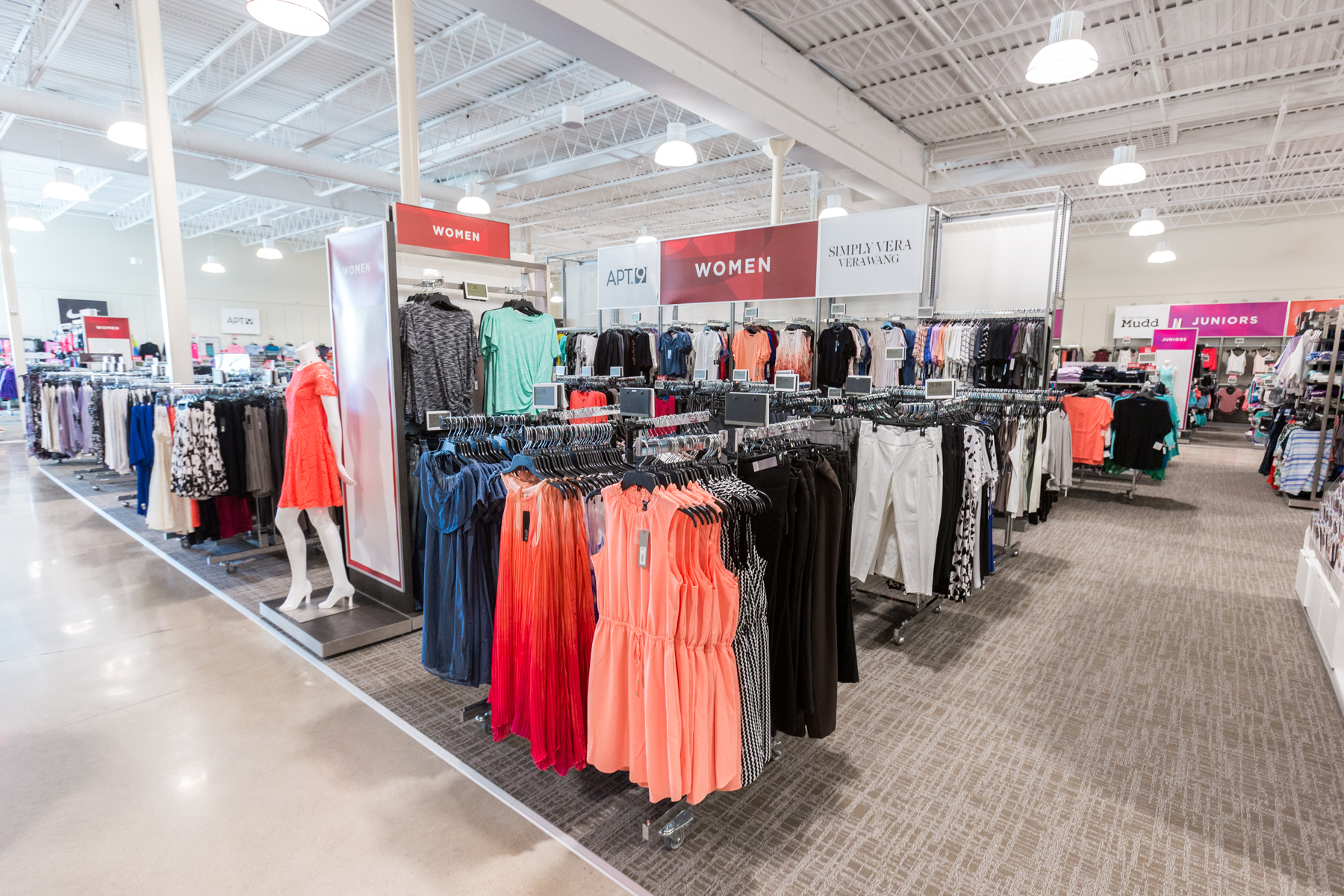
As e-commerce continues to grow as a percentage of total revenue, Kohl’s must protect its margins. Fulfillment efficiency acts as a defensive moat. By optimizing how orders are routed, minimizing split-shipments (where one order arrives in multiple boxes), and reducing the costs of returns (reverse logistics), the company directly improves its bottom line. Reverse logistics—the process of returning an item—is often the most ignored part of fulfillment finance. By allowing customers to return online items at physical stores, Kohl’s avoids the massive cost of return shipping and logistics, while simultaneously bringing the customer back into the store environment.
In summary, fulfillment at Kohl’s is not just a logistical task; it is a sophisticated financial strategy. It involves the careful orchestration of inventory, labor, and real estate to maximize the profitability of every dollar spent. By leveraging their physical stores as dynamic fulfillment nodes, managing labor as a flexible resource, and utilizing data to drive inventory efficiency, Kohl’s continues to adapt its business model to the realities of a digitally-driven economy. For the analyst, the investor, or the retail professional, watching how these fulfillment strategies are refined is essential to understanding the long-term viability and competitive strength of the brand. Efficiency in the warehouse and the store aisle is, ultimately, what determines the sustainability of the retail business model in the 21st century.
aViewFromTheCave is a participant in the Amazon Services LLC Associates Program, an affiliate advertising program designed to provide a means for sites to earn advertising fees by advertising and linking to Amazon.com. Amazon, the Amazon logo, AmazonSupply, and the AmazonSupply logo are trademarks of Amazon.com, Inc. or its affiliates. As an Amazon Associate we earn affiliate commissions from qualifying purchases.