
The logistics of waste management in Hawaii present a masterclass in the complexities of the circular economy and corporate sustainability. For businesses operating within the archipelago, the management of municipal solid waste (MSW) is not merely a logistical hurdle; it is a critical variable in brand strategy, supply chain efficiency, and corporate social responsibility (CSR) reporting. As isolation forces a closed-loop mentality, Hawaii serves as a unique case study for brands attempting to reconcile heavy consumer consumption with limited geographical infrastructure.
The Economics of Island Waste Infrastructure
In a continental market, waste management is often an “out of sight, out of mind” operational cost. In Hawaii, the constraints of physical space and the prohibitively high costs of maritime logistics transform trash into a significant line item on a company’s balance sheet. Understanding how Hawaii manages its waste requires an analysis of the logistical constraints that govern local commerce.

The Cost of Export vs. Local Processing
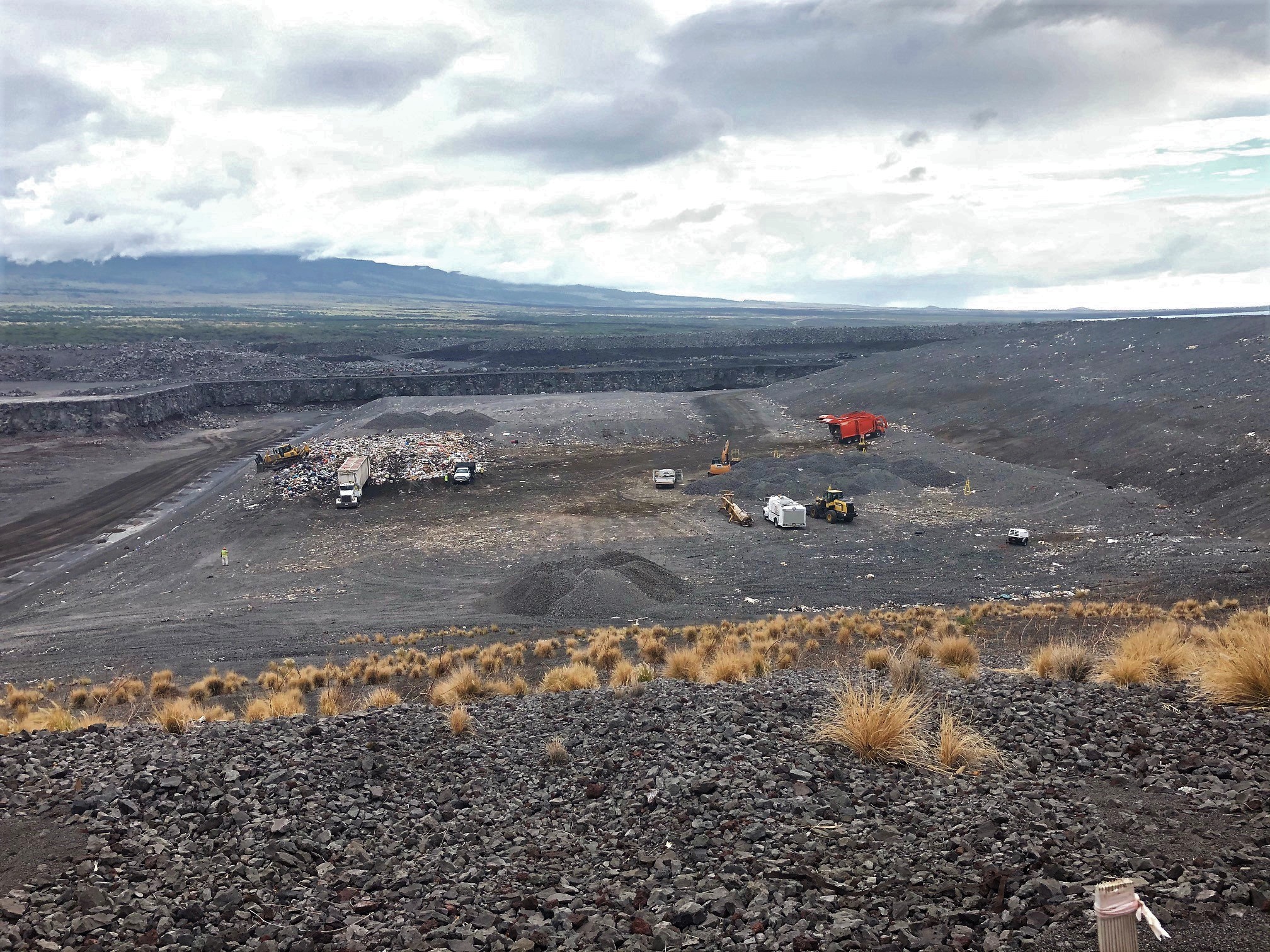
Unlike mainland operations that can leverage rail networks to transport waste to regional landfills, Hawaii must weigh the extreme expense of shipping non-recyclable materials back to the mainland against the rapid saturation of local landfills. For businesses, this has necessitated a shift in procurement strategy. Leading brands are moving away from traditional packaging—often sourced from mainland suppliers who prioritize low-cost, high-volume shipping—toward localized, compostable alternatives. This shift is not just environmental; it is a defensive financial strategy aimed at mitigating the rising “tipping fees” at local waste facilities.
Scaling Sustainable Logistics
The infrastructure gap in Hawaii has forced a surge in innovation regarding localized waste-to-energy projects. Large-scale waste-to-energy plants on Oahu, such as the H-POWER facility, process a significant portion of the island’s waste to generate electricity. For a brand, aligning with these local utilities provides a powerful narrative for marketing and corporate identity. When a company can prove that its waste contributes to the local power grid rather than just filling a landfill, it transitions from a “waste generator” to a “resource contributor” in the eyes of the consumer, a critical distinction in modern brand positioning.
Brand Identity and the “Island-First” Mandate
In the context of brand strategy, the waste management practices of a company operating in Hawaii have become a cornerstone of public perception. Consumers in the Pacific are hyper-aware of the environmental footprint of the goods they purchase, given the visible impact of plastics on local reefs and beaches. Consequently, brand identity in Hawaii is inextricably linked to the efficacy of a firm’s waste management strategy.
Leveraging Sustainability as a Competitive Advantage
Brands that adopt circular economy models—such as offering refill stations or localized packaging collection—see higher brand loyalty scores. In the Hawaiian market, “sustainability” is not an optional marketing buzzword; it is a baseline expectation. A brand that ignores its “end-of-life” product cycle risks significant reputational damage. Conversely, brands that invest in “extended producer responsibility” (EPR) programs cultivate a protective, mission-driven brand equity that is difficult for competitors to displace.
Corporate Identity in the Era of Transparency
Modern marketing relies on transparent reporting. Businesses in Hawaii now face the challenge of communicating their waste management success to a skeptical audience. This involves auditing the lifecycle of their products, from shipping containers arriving at the Port of Honolulu to the final disposal of packaging. Brands that proactively disclose these metrics, integrating them into their ESG (Environmental, Social, and Governance) reports, find that this transparency builds a stronger, more resilient corporate identity that resonates with both local residents and eco-conscious tourists.
Financial Risks and Opportunities in Waste Mitigation

For the CFO of a company operating in Hawaii, trash is a volatility risk. As landfill space hits capacity and regulatory pressures increase, companies must adapt their financial models to account for the rising cost of waste management. However, these challenges also present unique financial opportunities for those who can pivot to circular operations.
Future-Proofing Through Circular Procurement
Businesses are increasingly adopting circular procurement strategies to lower long-term costs. This involves sourcing materials that have high resale value in the recycling market or can be repurposed locally. By treating packaging as a potential asset rather than a liability, companies can hedge against the unpredictability of shipping costs and landfill fees. This shift transforms waste management from a purely operational expense into a strategic financial function that improves net profit margins over time.
Navigating the Regulatory Landscape
The regulatory environment in Hawaii is tightening, with increasing legislation aimed at banning single-use plastics and incentivizing the diversion of organic waste. From a business finance perspective, non-compliance is no longer just a legal risk—it is a fiscal one. Companies that invest early in waste-reduction technologies and supply chain logistics are essentially “future-proofing” their finances. While these initiatives require upfront capital, the long-term savings associated with reduced waste disposal fees and the avoidance of potential “waste taxes” provide a clear return on investment (ROI).
Integrating Waste Management into Brand Strategy
The intersection of waste management and brand strategy is where the most significant innovation is currently occurring. Brands that treat their waste stream as a critical component of their business identity are finding new ways to engage with their customer base.
Strategic Partnerships and Collaborations
Rather than attempting to solve the waste problem in isolation, forward-thinking brands are forming partnerships with local NGOs and recycling startups. These collaborations allow corporations to outsource their waste processing to specialists while simultaneously enhancing their corporate social responsibility profile. By funding local reef cleanup initiatives or supporting island-based plastic-to-fuel technologies, companies can weave their waste management efforts into the very fabric of their brand storytelling.
The Power of Localized Marketing Narratives
Effective brand strategy in Hawaii often involves telling the story of how the brand contributes to the island’s longevity. When a business can articulate that their packaging is diverted from a local landfill, they are no longer just selling a product; they are participating in the preservation of the island. This narrative strategy is potent. It turns a logistical necessity into a marketing asset, effectively differentiating the brand in a crowded, competitive market.
The Future of Waste as a Business Metric
As we look toward the future, the way Hawaii handles its trash will continue to influence how businesses operate. The isolation that once made waste management a burdensome operational tax has transformed into an environment that fosters rapid innovation.
The Shift Toward Zero-Waste Business Models
The goal for many firms is the transition to a zero-waste operation. While ambitious, this target is being pushed by technological advancements and shifting consumer values. For a brand, moving toward zero-waste is the ultimate branding statement. It signals to investors, partners, and customers that the company is prepared for a resource-constrained future.
Final Strategic Considerations
To succeed in the Hawaiian market, leadership must view waste management not as a peripheral task for the facilities team, but as a core pillar of their business strategy. By integrating waste-reduction goals into financial planning and brand messaging, businesses can turn a geographical disadvantage into a structural strength. The companies that thrive in Hawaii will be those that understand one fundamental truth: in an island economy, your waste management strategy is your brand, and your brand is your future. As the global market trends toward sustainability, the lessons learned in Hawaii’s unique, closed-loop environment will prove invaluable, positioning these businesses as pioneers in the next generation of responsible, efficient, and highly profitable corporate operations.
aViewFromTheCave is a participant in the Amazon Services LLC Associates Program, an affiliate advertising program designed to provide a means for sites to earn advertising fees by advertising and linking to Amazon.com. Amazon, the Amazon logo, AmazonSupply, and the AmazonSupply logo are trademarks of Amazon.com, Inc. or its affiliates. As an Amazon Associate we earn affiliate commissions from qualifying purchases.