
The Strategic Architecture of Devotion as a Brand Identity
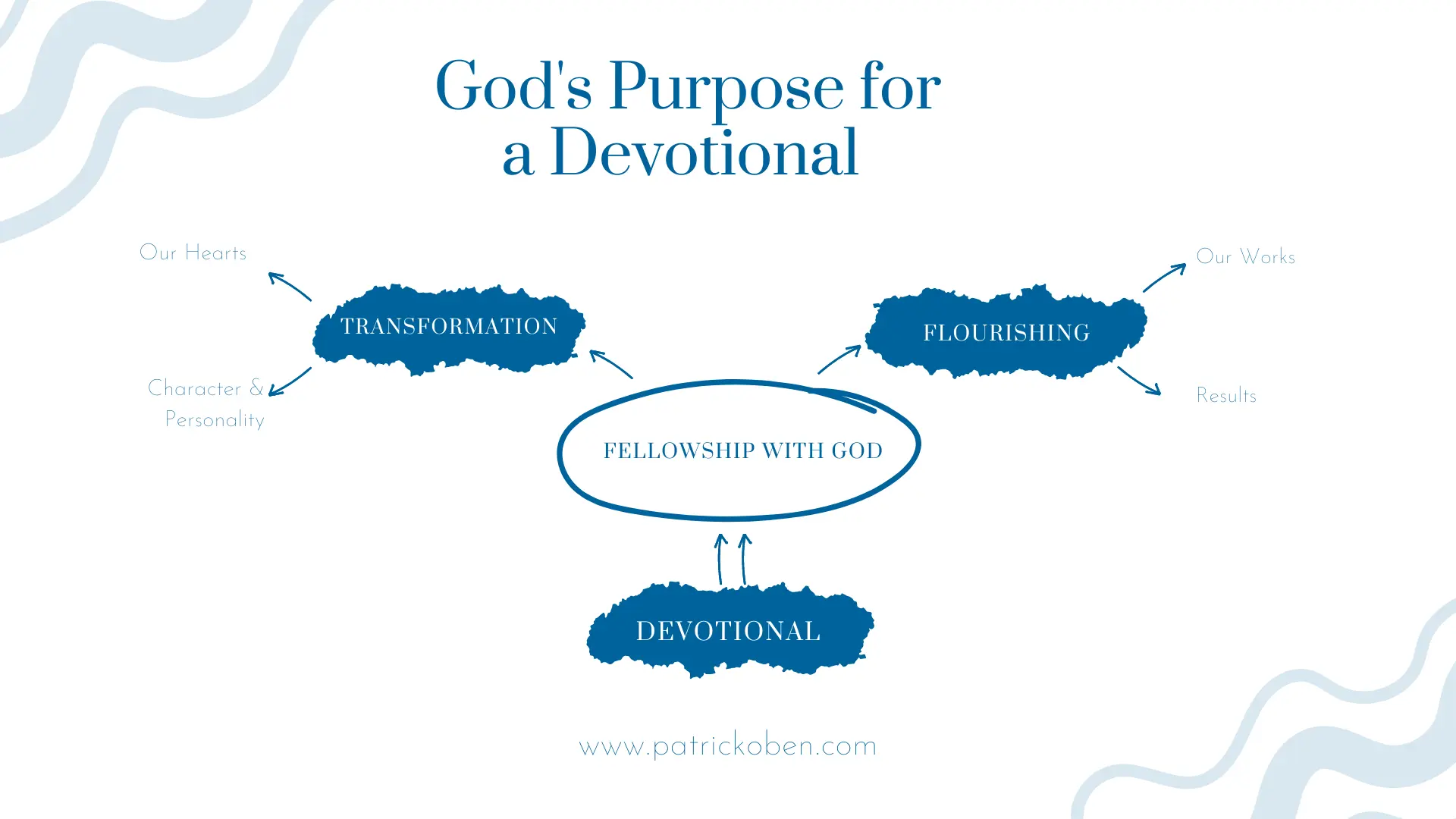
In the modern marketplace, the term “devotion” is often relegated to religious texts or abstract sentiment. However, when viewed through the lens of brand strategy, devotion represents the ultimate objective of corporate identity: the transition from a casual customer base to a tribe of loyal advocates. To understand what devotion means in the context of building a lasting brand, one must look at the structural parallels between biblical dedication and the psychology of consumer commitment.
At its core, biblical devotion is defined by unwavering allegiance, deliberate focus, and a consistent alignment of internal values with external actions. In brand strategy, this translates into the creation of a “Value-Centered Ecosystem.” Brands that achieve legendary status—those that command a sense of devotion from their audience—are not merely selling products; they are providing a framework for their consumers’ personal identity. When a brand successfully mirrors the deep-seated values of its target demographic, it ceases to be a commodity and becomes a pillar of the consumer’s lifestyle.
The Anatomy of Unwavering Allegiance
True devotion requires a singular point of focus. In a biblical sense, this is the prioritization of a higher purpose over transient distractions. For a brand, this is the “North Star” mission. If a brand pivots its core message based on shifting market trends, it risks fracturing the trust of its audience. Consistency is the primary currency of devotion. When a brand maintains its integrity through economic downturns or public relations challenges, it signals to the consumer that the brand is committed to a set of principles, not just quarterly profitability.
Alignment of Values
Devotion is built on the foundation of shared belief. Consumers today are increasingly discerning; they perform “values audits” on the brands they support. If a company claims to prioritize sustainability but operates with opaque, environmentally damaging supply chains, the resulting cognitive dissonance destroys any possibility of devotion. Authentic brand devotion arises when the corporate narrative and the operational reality are in perfect synchronicity.
The Rituals of Brand Engagement: Cultivating Habitual Loyalty
Biblical accounts of devotion are rarely passive. They involve rituals, practices, and disciplined daily habits that reinforce one’s commitment. In the realm of business, this is the user experience (UX) and the customer journey. Brands that successfully inspire devotion are those that engineer “habit loops” that make the product or service an indispensable part of the user’s daily reality.
Designing the Daily Practice
Consider the most devoted brand followers: those who wait in lines for a new hardware launch or participate in online community forums to discuss software updates. These actions are not driven by the utility of the product alone, but by the ritualization of the brand experience. A brand strategy that fosters devotion must integrate itself into the customer’s rhythm. By providing tools—whether through software, apps, or physical products—that simplify or enrich the user’s daily life, a company creates a “sacred” space for engagement.
Community as the Expression of Devotion
Devotion is rarely a solitary endeavor. It is amplified through community. In the ancient world, devotion was sustained by gathering, sharing, and collective declaration. Modern brands can mirror this by building platforms that allow their most devoted users to interact with one another. When a brand facilitates a community of like-minded individuals, it effectively decentralizes the marketing process. The brand is no longer just a corporation; it is a movement. This peer-to-peer validation is the most potent form of brand equity, creating an impenetrable moat around the brand’s market share.

The ROI of Devotion: Why Commitment Outperforms Acquisition
From a business finance perspective, the pursuit of devotion is a calculated long-term strategy. The cost of acquiring a new customer is consistently rising, driven by saturation in digital advertising and the decline of traditional media effectiveness. Therefore, the financial health of a company depends on the Lifetime Value (LTV) of its existing customer base. Devotion is the key driver of high LTV.
The Economics of Retention vs. Acquisition
A devoted customer is price-insensitive, resistant to competitor poaching, and acts as a vocal brand evangelist. In financial terms, these customers provide predictable, recurring revenue streams that stabilize a company’s cash flow. When a company shifts its internal KPIs from “Customer Acquisition Cost” (CAC) to “Customer Devotion Index” (CDI), the entire organizational structure changes. Innovation becomes focused on deepening the current relationship rather than just casting a wider net for new, transient leads.
Navigating the Churn of Disloyalty
The inverse of devotion is indifference. In an era of infinite choice, indifference is the silent killer of growth. Brands that view their audience through a transactional lens—treating them as data points rather than human beings—will inevitably face high churn rates. Devotion requires an emotional investment from the brand back to the customer. This means providing exceptional support, acknowledging mistakes with transparency, and showing gratitude for loyalty. The ROI of this approach is found in lower marketing spend and higher organic growth through referrals.
Scaling Devotion in a Digital-First World
As we move deeper into the era of AI and automated marketing, the challenge of maintaining “devotion” as a brand value becomes increasingly complex. How does one maintain a human, soul-level connection when the touchpoints are increasingly digital and algorithmic?
The Paradox of Technology and Intimacy
Technology should be used to enhance the feeling of personal attention, not to replace it. Sophisticated CRM systems and predictive analytics should enable brands to anticipate the needs of their customers with uncanny accuracy. When a brand uses technology to solve a problem before the customer has even articulated it, they demonstrate a level of care that breeds devotion. This is the modern equivalent of “attentiveness”—a key component of biblical devotion.
Authenticity in the Age of AI
There is a temptation to automate the entirety of the brand narrative. However, devotion is built on vulnerability and human-to-human connection. Even if AI tools are used to draft communication or manage logistics, the underlying brand voice must remain rooted in human values. Brands must ensure that they are not just efficient, but empathetic. In a landscape crowded with soulless, automated interactions, the brand that consistently acts with empathy and intentionality will stand out. Devotion is the premium that customers are willing to pay for brands that “see” them, understand them, and remain consistently committed to their success.
Sustaining the Long View
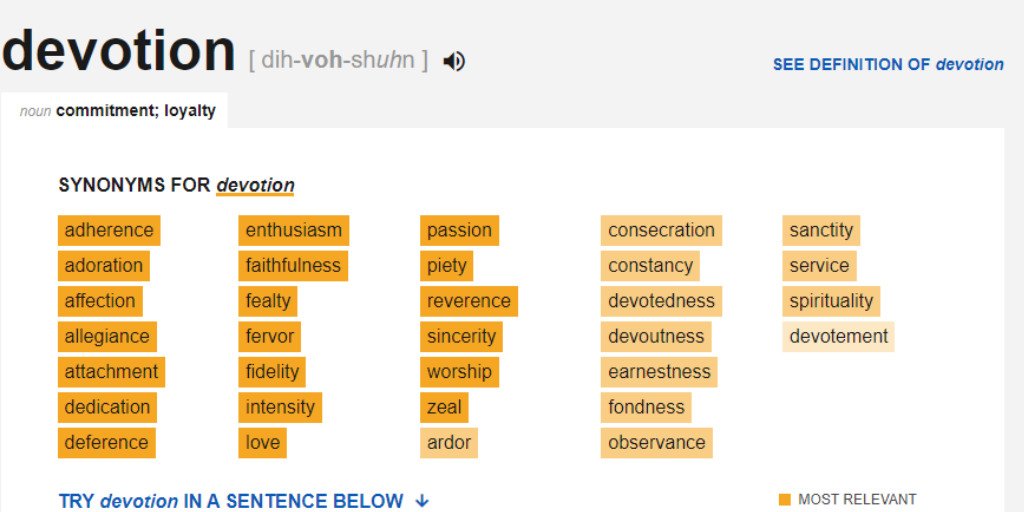
Finally, devotion in the biblical sense implies endurance—a willingness to remain steadfast over long periods, regardless of short-term challenges. For brands, this means resisting the urge to sacrifice core values for quick quarterly wins. It means protecting the brand equity you have built by refusing to compromise on quality or ethical standards.
In conclusion, when we ask what devotion means in the Bible, we find principles of focus, ritual, shared values, and long-term commitment. When we apply these principles to modern brand strategy, we see a clear roadmap for building organizations that are not just profitable, but enduring. Devotion is the bridge between a simple commercial transaction and a deeply held identity. By investing in this emotional and strategic alignment, brands can move beyond the volatility of the market and secure a position of lasting significance in the hearts and minds of their audience. This is the ultimate goal of any sophisticated brand strategy: to transform the indifferent consumer into a devoted partner in the brand’s mission.
aViewFromTheCave is a participant in the Amazon Services LLC Associates Program, an affiliate advertising program designed to provide a means for sites to earn advertising fees by advertising and linking to Amazon.com. Amazon, the Amazon logo, AmazonSupply, and the AmazonSupply logo are trademarks of Amazon.com, Inc. or its affiliates. As an Amazon Associate we earn affiliate commissions from qualifying purchases.