
In the rapidly evolving landscape of smart home integration and health-oriented consumer electronics, the cool mist humidifier has transitioned from a niche seasonal appliance to a sophisticated piece of household tech. As indoor air quality becomes a central concern for tech-savvy homeowners and remote workers, understanding the mechanical and digital utility of these devices is essential. Today’s humidifiers are no longer simple water tanks; they are precision-engineered gadgets designed to optimize environmental conditions through ultrasonic vibrations, real-time sensor data, and intelligent automation.
The Core Technology: How Ultrasonic Atomization Works
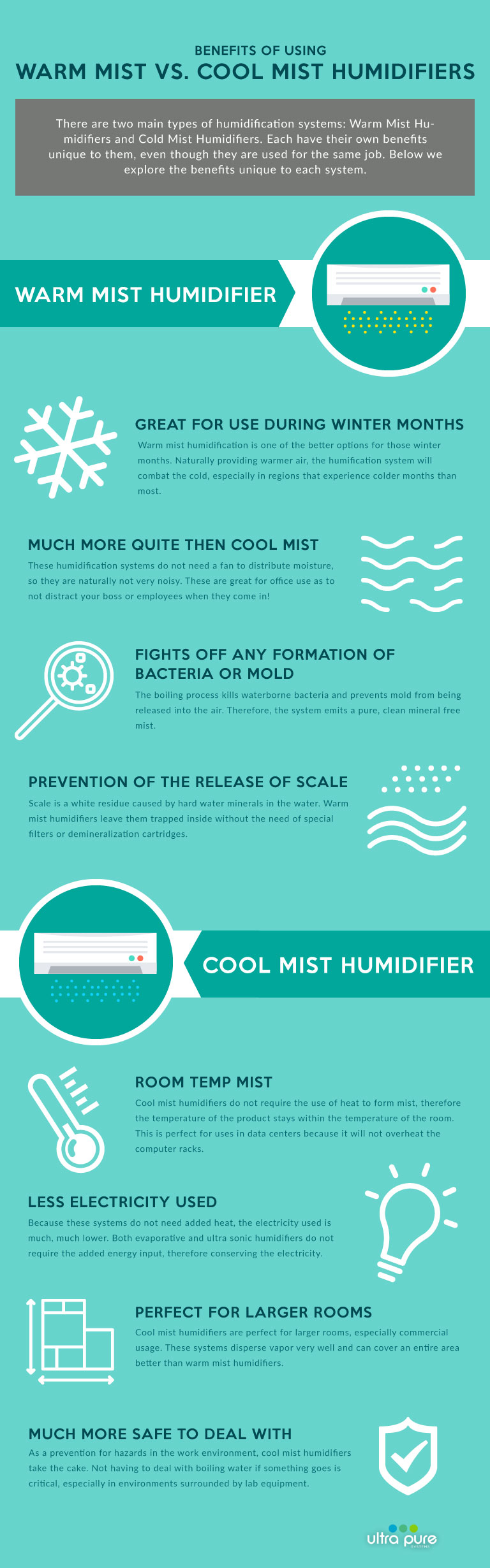
At the heart of the modern cool mist humidifier lies the ultrasonic transducer—a high-frequency ceramic diaphragm that serves as the engine of the device. Unlike traditional “warm mist” or evaporative models that rely on heating elements or large, bacteria-prone wicks, the cool mist ultrasonic model operates by vibrating at ultrasonic frequencies (typically over 1 million times per second).

Precision Vaporization
These high-speed vibrations shatter water molecules into a fine, microscopic mist. Because this process happens at the molecular level without the need for thermal energy, the mist remains at room temperature. This is a significant technological advantage for several reasons: it consumes considerably less power than heating-based units, it poses zero burn risk to children or pets, and it allows for instant output once the device is powered on.
The Role of Piezoelectric Transducers
The integration of piezoelectric transducers allows these devices to be remarkably quiet. As a gadget intended for bedrooms and home offices, the noise floor is critical. Modern iterations utilize brushless motors and sound-dampening chassis designs, ensuring that the ultrasonic oscillation is nearly silent, making them ideal for environments where focus or undisturbed sleep is a priority.
Integrating Smart Sensors and IoT Functionality
Modern cool mist humidifiers have moved beyond basic “on/off” toggles. They are increasingly being treated as peripheral smart home devices that integrate with broader home automation ecosystems. By incorporating humidity sensors (hygrometers), these devices can now make autonomous decisions to maintain an optimal “comfort zone.”
The Feedback Loop System
Advanced units feature built-in humidistats that monitor ambient air in real-time. Through an internal feedback loop, the device regulates its output based on the user’s pre-set target. For example, if you set your desired humidity to 45%, the device will throttle its ultrasonic frequency down as the target is reached and ramp it back up if environmental factors (like an HVAC system kicking on) cause the humidity to drop.
Mobile App Integration and Data Logging
Many current-generation models now feature Wi-Fi connectivity, allowing users to control their indoor climate via smartphone apps. This digital layer provides more than just remote control; it offers data visualization. Users can track humidity trends over time, monitor water levels remotely, and even schedule operation hours to coincide with specific times of the day, such as an hour before sleep or during the dry, high-heat hours of the afternoon.
Health and Maintenance: The Tech Behind Purity
A common criticism of early humidifier technology was the potential for mineral buildup and bacterial growth. Today’s hardware engineers have addressed these challenges through advanced materials and integrated cleaning tech, turning maintenance into a simplified, tech-forward process.
UV-C Sterilization Protocols
One of the most significant advancements in the category is the inclusion of internal UV-C light chambers. Before the water is atomized into a mist, it passes through a high-intensity ultraviolet light zone. This short-wavelength light neutralizes 99.9% of bacteria and viral pathogens present in the water tank, ensuring that the mist released into your living space is as clean as possible. This is a critical feature for users who rely on these devices for respiratory health or allergen mitigation.
Demineralization and Filter Technology
Because cool mist humidifiers disperse water directly into the air, any minerals present in hard water can be converted into “white dust”—a fine calcium sediment that can settle on electronics and furniture. Modern devices combat this with advanced ion-exchange resin filters. These filters strip the water of heavy minerals before it reaches the ultrasonic plate, effectively neutralizing the risk of sediment discharge. Furthermore, the design of the tanks has shifted toward antimicrobial plastics infused with silver ions, which prevent the formation of biofilm inside the unit.
Optimizing the Home Environment for Productivity and Wellness
Beyond the hardware specs, the core purpose of the cool mist humidifier is to curate an environment conducive to modern living. Whether you are managing a high-end gaming setup, a dedicated home office, or a nursery, maintaining proper relative humidity is a technical necessity for equipment longevity and personal comfort.
Protecting Electronics and Infrastructure
Low humidity is not just a human comfort issue; it is a hardware issue. In dry conditions, static electricity becomes a major threat to sensitive electronic components—the very devices that populate our home offices. By maintaining an ambient humidity level of 40% to 50%, a cool mist humidifier reduces the accumulation of electrostatic charges, thereby protecting your high-end PC builds, monitors, and networking equipment from catastrophic short-circuits. Furthermore, stable humidity prevents the cracking of wooden desks, instrument frames, and other organic materials often found in interior spaces.
Supporting Respiratory and Dermatological Health
From a biological standpoint, our bodies perform best within a specific humidity band. Dry air strips moisture from our mucous membranes, which are our primary defense against pathogens. By utilizing a cool mist humidifier, you are essentially providing an invisible, passive health aid. The tech acts as a buffer, preventing the drying out of nasal passages and skin, which can significantly enhance recovery times from seasonal illnesses and reduce the chronic fatigue often associated with “sick building syndrome.”

Conclusion: The Future of Environmental Control
The cool mist humidifier has evolved into a sophisticated tool for environmental engineering within the home. Through the combination of ultrasonic physics, smart sensors, and UV-C sterilization, these devices have become essential components of a modern, well-maintained living space. They offer a tangible, data-driven approach to health and comfort, demonstrating that even small appliances can benefit from the high-tech standards we now expect from our broader electronics ecosystem. As IoT integration continues to mature, we can expect these devices to become even more predictive, syncing with smart thermostats and air purifiers to create a fully harmonized, automated atmosphere that requires zero manual intervention. Whether you are looking to protect your hardware, improve your sleep quality, or simply optimize your living conditions, the modern cool mist humidifier represents a perfect marriage of utility and innovation.
aViewFromTheCave is a participant in the Amazon Services LLC Associates Program, an affiliate advertising program designed to provide a means for sites to earn advertising fees by advertising and linking to Amazon.com. Amazon, the Amazon logo, AmazonSupply, and the AmazonSupply logo are trademarks of Amazon.com, Inc. or its affiliates. As an Amazon Associate we earn affiliate commissions from qualifying purchases.