
The Brand Identity of Faith: Belief as a Core Personal Brand
In the modern marketplace of ideas, the term “believing in God” functions much like a foundational brand identity. Much like a corporation defines its mission, vision, and values to establish its market position, an individual’s belief in a higher power serves as the “north star” of their personal brand. This is not to reduce faith to a transactional commodity, but rather to observe that belief dictates the architecture of one’s decision-making, aesthetic preferences, and ethical boundaries.
The Value Proposition of Faith
Every strong brand is built on a promise. When an individual identifies as a believer, they are signaling a commitment to a specific set of guiding principles—a value proposition that influences how they navigate the professional and personal spheres. This belief system acts as the underlying software of their character. It dictates the “user experience” of their daily life: how they interact with colleagues, how they handle crisis, and how they define success. In a world of fleeting trends and shifting cultural tides, a deeply held belief acts as a point of differentiation, providing a stable corporate identity for the individual.
Authenticity and Consistency
The most successful brands are those that maintain consistency across all touchpoints. Believing in God, in a branding sense, requires an alignment between internal conviction and external expression. When an individual’s actions—their “marketing collateral”—align with their core beliefs, it builds trust with those around them. We often see that people who clearly define their belief structures are perceived as more authentic. Just as a customer prefers a brand that stands for something, society at large gravitates toward individuals who demonstrate a consistent, principled commitment to their beliefs.
Strategic Positioning: Faith as a Competitive Advantage
In the strategic management of one’s life, belief in God can be viewed as an intangible asset that provides a significant competitive advantage. It is a framework for resource allocation—how you spend your time, your energy, and your capital. By anchoring one’s strategy in a belief system, the believer gains a clearer picture of their mission statement, which inherently filters out “noise” and distractions that often plague those without a defined path.

Decision-Making Architecture
When a brand faces a crisis, its recovery plan is dictated by its core values. Similarly, for the individual, believing in God provides a robust decision-making architecture. When faced with moral dilemmas or high-stakes trade-offs, the believer relies on their internal doctrine to determine the optimal course of action. This reduces “analysis paralysis.” Instead of weighing every variable in a vacuum, the individual cross-references their choice against their primary belief. This strategic agility allows for more decisive action in a chaotic world.
Resilience and Brand Longevity
Every business experiences downturns, and every brand must weather periods of negative sentiment. Believing in God serves as a long-term strategy for resilience. It provides a narrative of hope and endurance that keeps the “brand” viable even during market volatility. By shifting the focus from short-term quarterly gains to a long-term, eternal perspective, the believer creates a buffer against the stressors of modern life. This is the ultimate form of brand longevity—a commitment that transcends the temporary fluctuations of human circumstance.
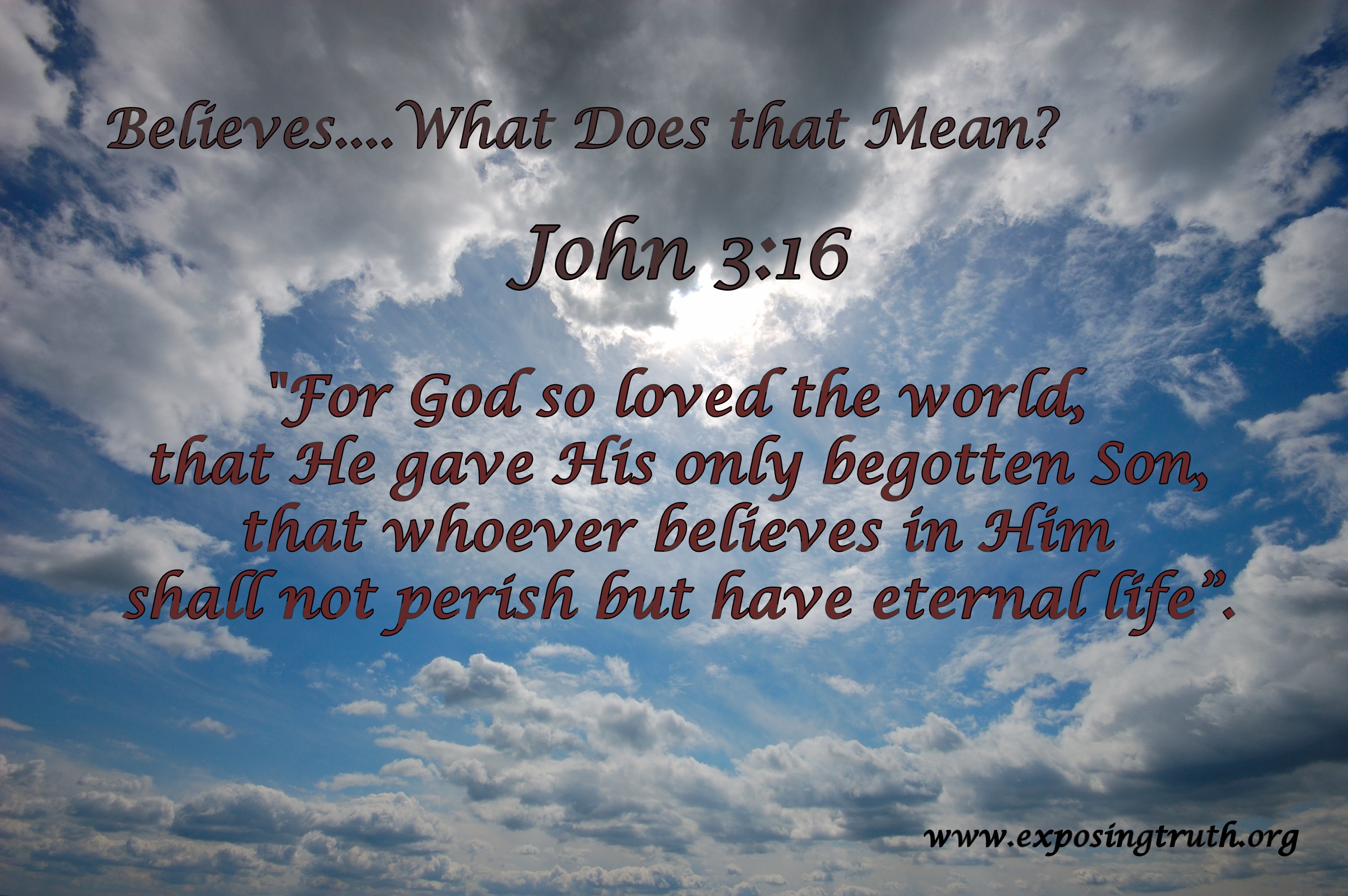
Market Engagement: Faith as Influencer and Connector
The role of a brand is to engage, connect, and build communities. Believing in God is rarely a solitary endeavor; it is a collaborative platform. It connects the individual to a broader “target market”—a community of like-minded individuals who share a common language, set of symbols, and goals. This is the networking aspect of faith, where personal beliefs foster deep, high-value connections that transcend superficial interests.
The Language of Belief
Communication is the lifeblood of marketing. Believers often share a specific lexicon—a vocabulary of faith that allows for rapid, meaningful connection. Just as developers use shared protocols to ensure software compatibility, believers use shared theology and experience to build trust. This communal aspect of belief transforms the individual experience into a collective movement. It creates a brand tribe where mutual support and accountability become the standard, strengthening the resolve of every member involved.
Scaling the Message
A powerful brand is one that inspires others to advocate for its message. Faith functions in much the same way. By living out one’s beliefs, an individual effectively becomes an influencer for their worldview. This is not about aggressive sales tactics or proselytizing for the sake of conversion; it is about “organic growth.” When others observe the stability, peace, and integrity produced by a person’s faith, it naturally draws them toward that same source of strength. The brand of faith, in this sense, scales through authentic demonstration rather than forced marketing.
Auditing Your Core: Reflecting on the Pillars of Belief
To understand what “believing in God” means, one must perform a regular audit of their internal architecture. Much like a business leader must step back to assess whether their current trajectory aligns with the company’s vision, the individual must periodically audit their life to ensure their actions are in harmony with their stated beliefs.
Identifying Discrepancies
Sometimes, the “brand” we present to the world does not match our internal reality. A person might claim to value kindness or charity—two common fruits of faith—but find themselves acting in ways that prioritize ego or greed. This creates a “branding” discrepancy that leads to internal friction. The process of believing in God is essentially a perpetual audit. It involves recognizing where your “customer behavior”—your daily actions—diverges from the “core mission” of your faith, and making the necessary pivots to correct course.
Investing in Intellectual and Spiritual Growth
No brand can survive without constant innovation and reinvestment in its infrastructure. Believing in God requires active intellectual and spiritual investment. This means studying, questioning, seeking counsel, and engaging in deep introspection. You cannot maintain a belief if you do not understand its depth or if you fail to evolve your understanding as you grow. This is the R&D department of your personal identity. By investing in the substance of your beliefs, you ensure that your faith remains robust enough to navigate the complexities of a changing world.

Final Synthesis: The Brand of the Soul
Ultimately, believing in God means adopting a high-level strategic framework that governs the totality of your life. It is the decision to anchor your brand in something external to yourself—an ultimate authority that provides definition, purpose, and direction. Whether viewed through the lens of identity, strategy, or community engagement, faith is the most significant brand decision an individual can make. It dictates not just what you do, but who you are becoming. By cultivating this identity with the same rigor and intention applied to the most successful global brands, the believer creates a legacy that is not only sustainable but profound. The meaning of belief, therefore, is found in the alignment of your life with the highest possible ideal, creating a brand that is enduring, purposeful, and profoundly human.
aViewFromTheCave is a participant in the Amazon Services LLC Associates Program, an affiliate advertising program designed to provide a means for sites to earn advertising fees by advertising and linking to Amazon.com. Amazon, the Amazon logo, AmazonSupply, and the AmazonSupply logo are trademarks of Amazon.com, Inc. or its affiliates. As an Amazon Associate we earn affiliate commissions from qualifying purchases.