
Understanding your monthly internet service provider (ISP) statement is often more complex than it needs to be. While most consumers glance at the “Total Amount Due” and proceed to payment, a closer inspection of the itemized charges is essential for personal finance management. Internet bills are notorious for a variety of surcharges, equipment rental fees, and promotional expirations that can cause your monthly expenses to fluctuate unexpectedly. By breaking down the anatomy of a WiFi bill, you can better manage your household budget and identify opportunities for cost reduction.
The Anatomy of an Internet Statement
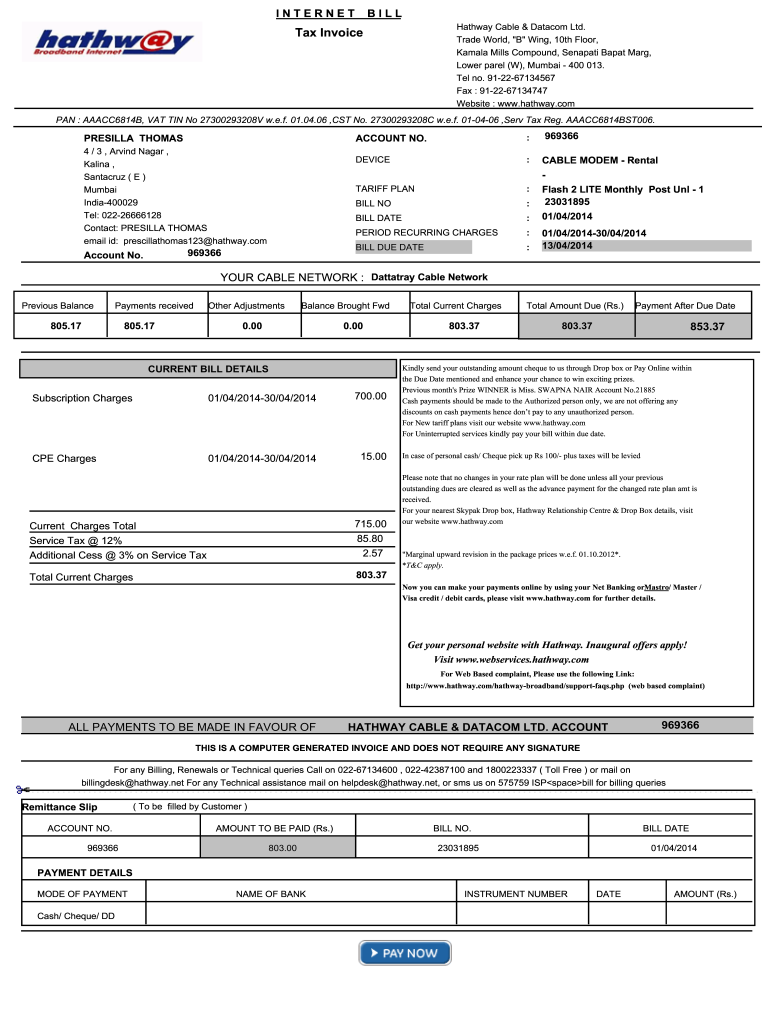
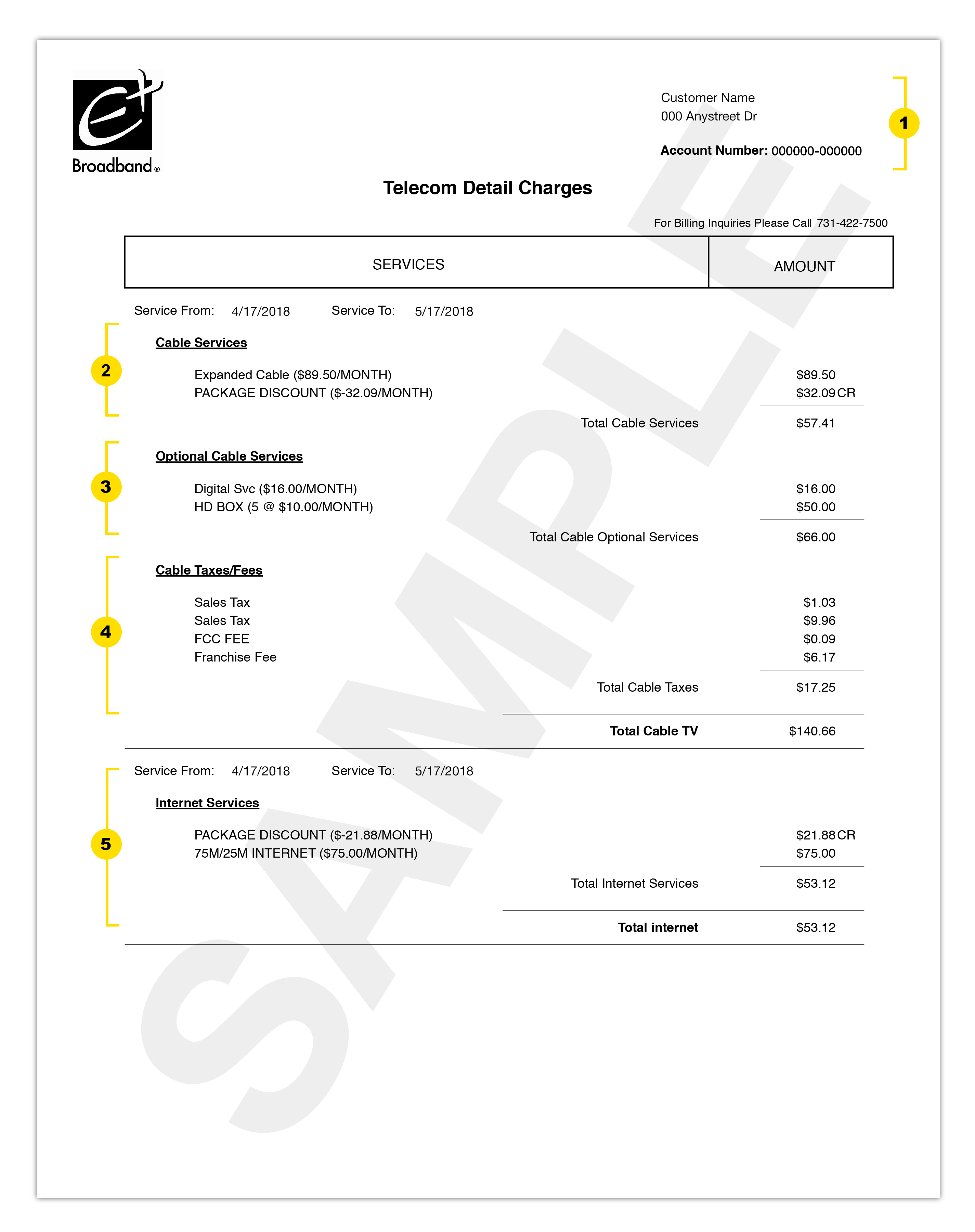
Most modern ISP bills are divided into three primary segments: the core service charge, equipment fees, and taxes or regulatory surcharges. Dissecting these sections is the first step toward achieving financial transparency in your home utilities.

Core Service and Promotional Pricing
The most prominent figure on your bill is the “Core Service Charge,” which reflects the base price of your internet plan. However, this number is frequently deceptive because of promotional bundling. Many ISPs offer “teaser rates” that are active for the first 12 or 24 months of a contract. When these periods expire, the bill often jumps significantly—sometimes by as much as 30% to 50%. Always check the fine print or your original service agreement to determine when your promotional period is scheduled to end. Keeping a calendar reminder for these dates allows you to contact customer retention departments proactively to renegotiate your rates before the spike occurs.
Equipment Rental Fees
Perhaps the most avoidable expense on any WiFi bill is the equipment rental fee. ISPs typically charge between $10 and $20 per month to lease a combined modem and router unit. Over the course of a year, this equates to $120 to $240 in unnecessary expenditure. By purchasing your own compatible hardware, you not only eliminate this monthly line item but often improve your network performance. Most high-quality modems pay for themselves within the first 18 months, representing a smart investment in your personal financial health.
Understanding Surcharges, Taxes, and Fees
Beyond the core service and hardware rental, ISPs append a variety of “regulatory” costs. These are often where confusion sets in, as they vary wildly depending on your geographic location and the specific policies of the provider.
Regulatory and Compliance Costs
These fees are often portrayed by ISPs as unavoidable government-mandated costs. While some are legitimate—such as the Universal Service Fund (USF) or state-specific sales taxes—others, like “Network Enhancement Fees” or “Infrastructure Recovery Fees,” are often discretionary charges added by the company to recover their internal operating costs. Because these fees are not strictly taxes, they are sometimes negotiable or at least subject to waiver if you call to contest them during a billing review.
Usage-Based Billing and Overages
As data consumption continues to rise due to 4K streaming, remote work, and cloud gaming, many ISPs have introduced data caps. A typical bill might show a “Data Allowance” limit—usually 1TB or 1.2TB. If you exceed this threshold, the bill will reflect an “Overage Fee.” These charges can be aggressive, often billed in $10 increments for every 50GB used. Monitoring your monthly usage via the ISP’s mobile application is a critical step in preventing these surprise fees from inflating your monthly budget.
Strategy for Managing and Reducing Monthly WiFi Costs
Managing your internet bill is a form of recurring expense optimization. By treating your ISP bill as a line item in your monthly budget rather than a static expense, you can leverage consumer habits to minimize costs over the long term.
The “Retention Call” Technique
If you notice your bill increasing due to an expired promotion, you have more leverage than you might think. Internet service is a highly competitive market, and ISPs prioritize keeping existing customers over the cost of acquiring new ones. When calling customer service, politely explain that you have seen a price hike and are considering switching to a competitor. Often, the representative will have access to “retention plans” that are not advertised on the public website. These plans can frequently match or come very close to your original promotional rate.
Bundling vs. Unbundling
There is a common misconception that bundling services (internet, television, and landline phone) is always the most cost-effective strategy. While bundling can lead to a lower “sticker price,” it often obscures the true cost of each individual service. If you are a cord-cutter who relies solely on streaming services, paying for a “triple play” package is essentially throwing money away. Audit your bill to see if you are paying for services you don’t use. In many cases, unbundling and opting for an “internet-only” plan will result in a lower total monthly outflow, even if the base price of the internet component appears slightly higher than it did in the bundle.
Annual Billing Reviews
Financial discipline requires an annual audit of all fixed costs. Set a date once a year to review your ISP bill. During this time, check if your current speed tier is still necessary. Many consumers overpay for “Gigabit” speeds when their actual usage—mostly browsing, email, and moderate streaming—only requires a much lower, cheaper tier. ISPs rarely notify you if your needs have changed or if a more cost-effective plan is available. By periodically “right-sizing” your internet plan, you can save hundreds of dollars annually without sacrificing your digital experience.
Navigating Contractual Obligations
The language used in your ISP contract is designed to protect the provider, but it also defines your rights as a consumer. Before signing or renewing, it is imperative to understand the implications of “Early Termination Fees” (ETFs) and auto-renewal clauses.
Early Termination Fees
These fees are designed to lock you into a long-term commitment. If you decide to move or switch providers, you may be hit with a flat fee that can range from $100 to $300. When reviewing your bill, identify whether you are currently under a contract. If you are, map out the expiration date. Understanding your exit strategy is a vital component of financial planning; if you know you may be moving within a few months, it is often better to opt for a month-to-month plan, even if the monthly rate is slightly higher than the contract price.
Auto-Renewal Clauses
Some contracts automatically renew into a more expensive, non-promotional price tier once the initial term ends. Some providers also stipulate that the contract term resets if you upgrade your service mid-cycle. Carefully reading the terms of service—or asking a customer service agent specifically about renewal terms—can prevent you from being trapped in a contract extension that you did not intend to sign.
Conclusion: The Path to Financial Clarity
Your WiFi bill is not just a receipt for service; it is a document filled with potential for optimization. By moving from a passive payer to an active manager of your utility expenses, you can ensure that your hard-earned money is allocated efficiently.
Start by auditing your latest statement for equipment fees you can eliminate, usage fees you can avoid, and promotional rates that are about to expire. Remember that the internet service market is competitive, and your status as a long-term customer has value. By adopting a proactive approach—contacting customer service to negotiate rates, right-sizing your plan to match your actual usage, and owning your hardware—you can lower your monthly expenditures and gain control over one of the most common, yet least scrutinized, recurring bills in your financial life. Every dollar saved on monthly utilities is a dollar that can be redirected toward investments, debt reduction, or savings, contributing to your broader long-term financial security.
aViewFromTheCave is a participant in the Amazon Services LLC Associates Program, an affiliate advertising program designed to provide a means for sites to earn advertising fees by advertising and linking to Amazon.com. Amazon, the Amazon logo, AmazonSupply, and the AmazonSupply logo are trademarks of Amazon.com, Inc. or its affiliates. As an Amazon Associate we earn affiliate commissions from qualifying purchases.