
In the intricate world of internal combustion engine diagnostics, the search for hidden performance issues can often feel like detective work. While a standard compression test provides a snapshot of an engine’s ability to build pressure, it often leaves mechanics in the dark regarding the specific source of a deficiency. This is where the cylinder leak down test becomes an indispensable diagnostic tool. By identifying exactly where cylinder pressure is escaping, technicians can pinpoint mechanical failures before they result in catastrophic engine damage, saving both time and money in the maintenance cycle.
Understanding the Mechanics of the Leak Down Test
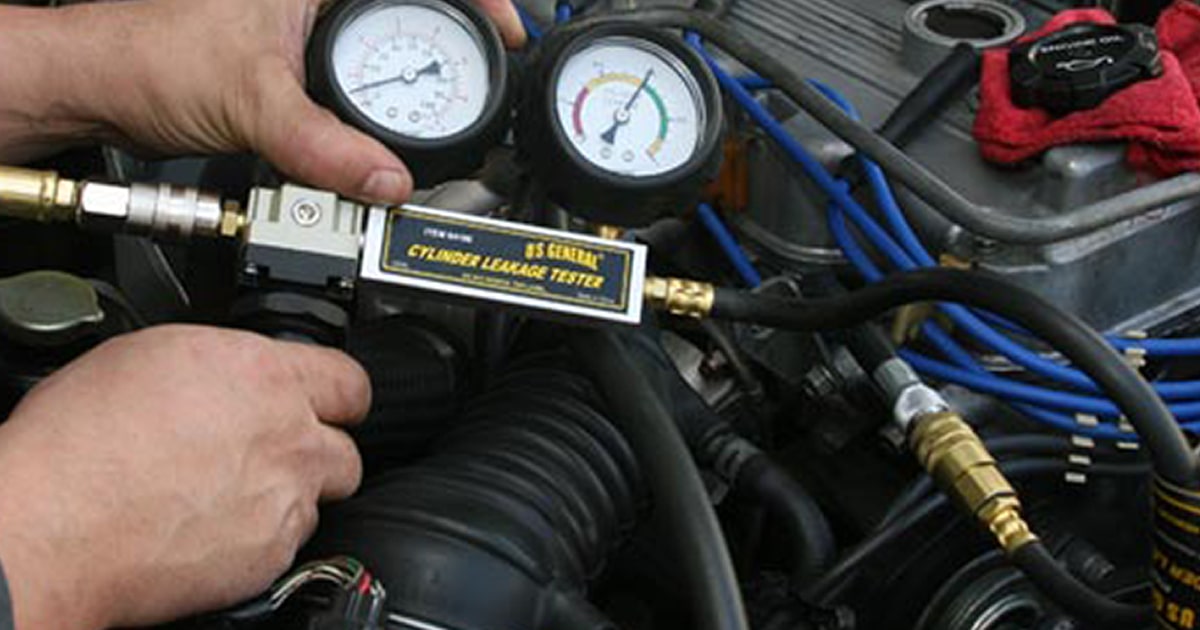
A leak down test is fundamentally different from a static compression test. Rather than measuring the pressure an engine can generate while cranking, a leak down test involves pressurizing a cylinder at Top Dead Center (TDC) using a specialized dual-gauge apparatus connected to an external air compressor.
The Methodology of Pressure Application
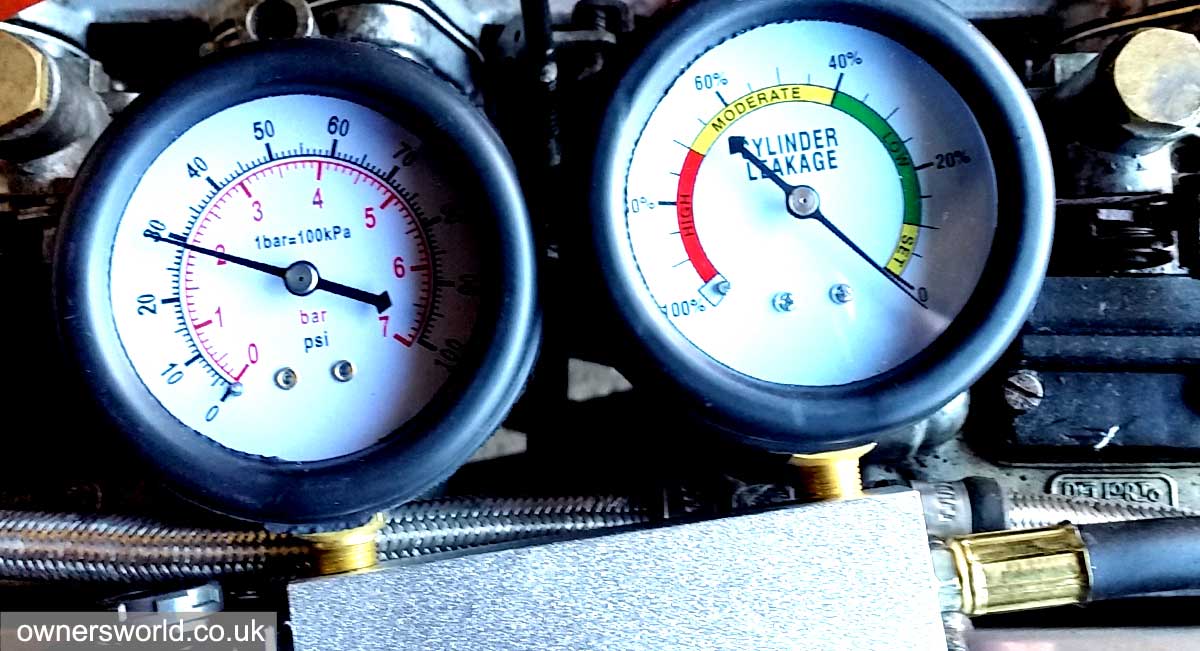
To perform the test, the engine must be positioned at TDC on the compression stroke. This ensures that both the intake and exhaust valves are fully closed. Compressed air is then forced into the cylinder through the spark plug hole. The leak down tester features two gauges: one that displays the input pressure (typically set at 100 psi) and a second that measures the percentage of pressure maintained by the cylinder. If the cylinder holds 90 psi, it exhibits a 10% leak down rate. Anything exceeding 15% is generally considered a red flag, while anything above 20% indicates a significant mechanical issue.
Why Static Compression Isn’t Enough
A standard compression test tells you that you have a problem, but it rarely tells you where. You might observe low compression readings, but the test cannot distinguish between a worn piston ring and a burnt valve without further disassembly. The leak down test, by contrast, turns the engine into an auditory laboratory. By listening for the hiss of escaping air, a technician can identify the culprit based on the location of the sound.
Pinpointing the Source of Compression Loss
The primary value of a leak down test lies in its ability to isolate the specific component that has failed. By listening closely to where the air is escaping, you can identify the exact “leak path.”
When Air Escapes Through the Intake or Exhaust
If you hear a distinct hissing sound coming from the throttle body or the air intake manifold, you are dealing with a compromised intake valve. Conversely, if the hiss is audible at the tailpipe, the exhaust valve is failing to seal properly. These issues are almost always caused by carbon buildup preventing the valve from seating, a bent valve stem from an over-revving event, or heat-induced degradation of the valve face. In these cases, the “leak” is a direct indicator of improper combustion chamber sealing.
When Air Escapes Through the Crankcase
If the air is audible when you remove the oil fill cap or pull the dipstick, the pressure is leaking past the piston rings and into the crankcase. This indicates worn rings, a scored cylinder wall, or a cracked piston. In high-performance applications, this is the most common sign that the engine has reached the end of its service life and requires a rebuild or a re-hone and ring replacement.
When Air Escapes Through the Cooling System
Perhaps the most alarming result is observing bubbles rising in the radiator or the coolant overflow reservoir. If air is escaping through the cooling system, it signifies a head gasket failure or, in more severe cases, a cracked cylinder head or engine block. This is a critical diagnosis because it indicates an breach between the combustion chamber and the water jacket, which will lead to rapid engine overheating and coolant contamination.
The Diagnostic Benefits for Performance and Longevity
Regular leak down testing is a proactive maintenance strategy that extends far beyond emergency troubleshooting. It is a vital tool for those who participate in motorsports, build high-performance engines, or maintain high-mileage vehicles.
Identifying Early-Stage Fatigue
Engines do not usually fail overnight; they degrade over thousands of heat cycles. A leak down test provides a baseline. If you perform this test every few thousand miles, you can track the “percentage of leak” trend. If your leak down numbers are creeping up from 5% to 12% over the course of a racing season, you know that your rings or valve seats are wearing. This allows you to plan for a rebuild during the off-season rather than facing a terminal failure in the middle of a race weekend.
Tuning and Engine Health
In the world of high-output engines, such as those with forced induction, maintaining a tight seal is paramount. When running high levels of boost, even a minor leak can lead to catastrophic detonation. A leak down test allows the tuner and the builder to verify that the cylinder integrity is sufficient to handle the increased cylinder pressure. If a cylinder fails the test, the engine is effectively “leaking power.” By correcting the mechanical deficiency, you not only ensure reliability but also recover lost horsepower that would otherwise be wasted as blow-by.
Cost-Effective Maintenance
Replacing a head gasket is a significant project; replacing a piston is an engine-out procedure. By using a leak down test to identify the specific failure point, you avoid the “shotgun approach” of replacing parts that aren’t actually broken. You won’t pull the cylinder head off to inspect valves if the leak is occurring past the rings, and you won’t pull the engine block if the issue is a simple carbon-caked exhaust valve. The diagnostic precision saves thousands in labor and unnecessary parts.
Practical Considerations and Best Practices
While the leak down test is a powerful tool, it requires consistency and technical precision to provide accurate results.
The Importance of Engine Temperature
Testing an engine while it is stone cold can yield deceptive results. Metal components, particularly piston rings and valve seats, are designed to expand to their optimal operating clearance once the engine is at operating temperature. A cold engine might show excessive leakage that completely disappears when the block and head are warmed up. Whenever possible, perform the test on a warm engine to ensure the measurements reflect real-world operating conditions.
Calibration and Setup
Always calibrate your tester to 0% leakage by connecting it to the air supply and adjusting the regulator to the “set” mark. If your equipment is not properly calibrated, you will get false readings that could lead to an incorrect diagnosis. Furthermore, ensure that the engine is locked in position. Because you are applying 100 psi of pressure to the piston, the force exerted on the crankshaft is significant. If the engine is not properly secured, the pressure will force the crankshaft to rotate, potentially pushing the piston out of TDC and causing the air to dump out of the cylinder instantly. Using a flywheel lock or placing the vehicle in gear with the parking brake engaged is essential.
Interpreting Subtle Sounds
Sometimes, the leak is not a loud hiss but a faint whistle. This can happen when an exhaust valve is only slightly burned or when there is minor blow-by on the rings. A good technician uses a mechanic’s stethoscope to trace the sound back to the source. If you suspect an exhaust valve, listen at the tailpipe; if you suspect rings, listen at the crankcase breather. The human ear, aided by the right equipment, remains the ultimate diagnostic instrument.

Conclusion: The Final Verdict on Engine Health
A leak down test is the gold standard for assessing the internal health of an engine’s combustion chamber. By quantifying the efficiency of the seals—the valves, the rings, and the head gasket—it provides a clear map of what is occurring inside the block. It transforms a collection of mysterious performance issues into a clear list of actionable mechanical tasks.
Whether you are a professional builder ensuring the structural integrity of a race engine or a car enthusiast trying to diagnose a misfire, the leak down test removes the guesswork. It tells you exactly what needs to be addressed, preventing minor wear from evolving into total failure. By incorporating this test into your diagnostic routine, you aren’t just fixing an engine—you are managing its performance and longevity with precision and confidence.
aViewFromTheCave is a participant in the Amazon Services LLC Associates Program, an affiliate advertising program designed to provide a means for sites to earn advertising fees by advertising and linking to Amazon.com. Amazon, the Amazon logo, AmazonSupply, and the AmazonSupply logo are trademarks of Amazon.com, Inc. or its affiliates. As an Amazon Associate we earn affiliate commissions from qualifying purchases.