
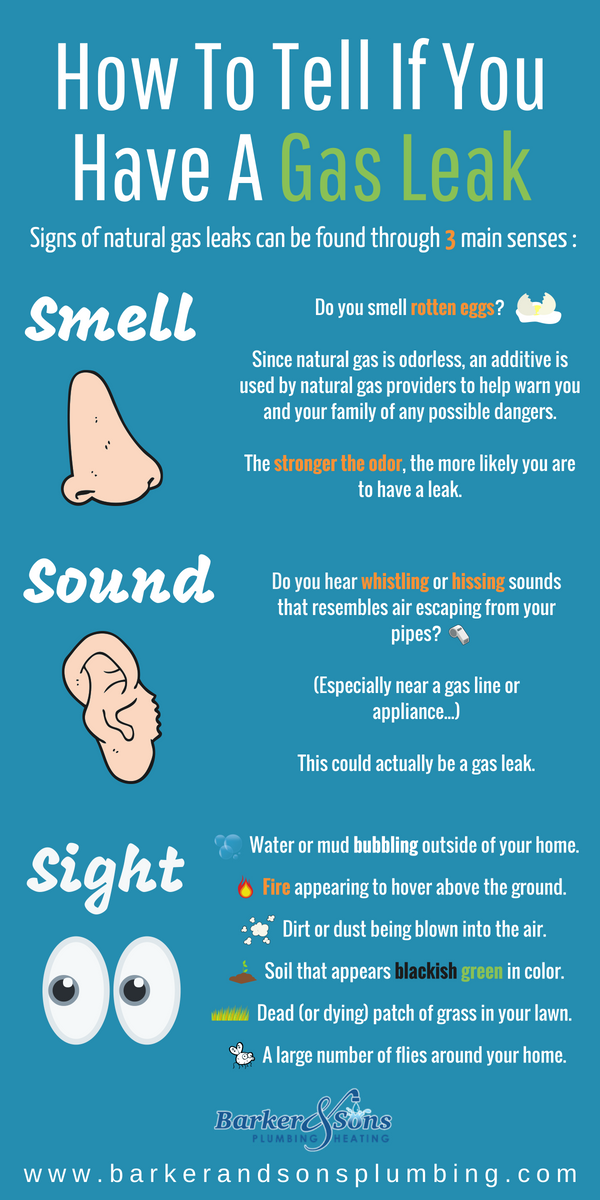
In the modern era of the “Smart Home,” the definition of home safety has shifted from reactive measures to proactive, data-driven prevention. While traditional gas leaks are often characterized by the distinct, rotten-egg smell of mercaptan—the odorant added to natural gas—the tech-forward approach to home safety focuses on invisible detection, automated alerts, and seamless integration with existing smart ecosystems. Understanding what a gas leak “looks like” today means shifting your perspective from the physical senses to the digital dashboard.
The Evolution of Gas Detection Hardware
Traditional analog sensors were limited by their binary nature: they were either on or off, typically emitting a high-pitched, localized alarm that was ineffective if the homeowner was away. Today, the technology has transitioned into sophisticated hardware that integrates directly into the Internet of Things (IoT) framework.

Optical and Electrochemical Sensors
Modern gas leak detection relies on two primary technological pathways: metal-oxide semiconductor (MOS) sensors and catalytic bead sensors. MOS sensors are the gold standard for residential smart devices because they offer high sensitivity to combustible gases like methane, propane, and butane. When gas molecules interact with the sensor’s heated surface, the electrical resistance changes. This change is converted into a digital signal, which then triggers a cascade of automated responses.
Digital Visualization via Mobile Apps
What a gas leak “looks like” in the 21st century is a push notification on your smartphone. When an IoT-connected gas monitor detects an anomalous level of gas particles, it does not just sound a physical siren; it broadcasts a data packet to a cloud-based server. Within milliseconds, the user receives an alert through a dedicated application. These apps often provide a live readout of gas concentration levels, categorized by safety thresholds—green for normal, yellow for caution, and red for immediate danger. This visual interface allows homeowners to monitor the status of their indoor air quality in real-time, even from thousands of miles away.
Smart Ecosystem Integration and Automation
The true power of modern gas detection lies in its connectivity. A standalone sensor is a peripheral; a smart sensor is a central node in a security network. By integrating gas detection into a broader smart home platform—such as those powered by Zigbee, Z-Wave, or Thread protocols—the response to a potential leak becomes highly automated.
Automated Mitigation Protocols
When a smart gas sensor triggers an alarm, it can communicate directly with other smart devices to mitigate the danger before first responders arrive. For example, if a leak is detected in the kitchen, the system can send an API command to a smart home hub. The hub can then instruct a smart solenoid valve attached to the main gas line to automatically shut off the flow of gas. This “fail-safe” automation removes human error from the equation, significantly reducing the risk of a catastrophic event.
Connectivity with Smart HVAC and Ventilation
Beyond shutting off the source, technology allows for active ventilation. In the event of a detected leak, a smart home controller can trigger the HVAC system’s blower to run at maximum capacity, or open smart windows and vents, to help dissipate the gas concentration. This is the “visible” result of a digital response: the house effectively “self-cleans” the hazard through coordinated mechanical actions.

Data Analytics and Predictive Maintenance
One of the most underutilized aspects of modern gas detection is the longitudinal data tracking that smart devices provide. Unlike legacy sensors that only notify you of a current crisis, IoT-enabled sensors record gas concentration trends over time.
Identifying Micro-Leaks
Through machine learning algorithms, these sensors can differentiate between a one-time spike—such as an unlit burner during cooking—and a persistent, low-level leak. If the sensor detects a faint, consistent rise in gas levels over several weeks, the accompanying application will provide a “Predictive Maintenance” warning. This notification acts as an early warning system, prompting the homeowner to check for degrading seals on gas appliances or small cracks in piping long before a dangerous accumulation occurs.
Cloud Reporting and Historical Logs
For property managers or homeowners with complex multi-unit dwellings, cloud-based reporting provides a visual dashboard of all connected sensors. This centralized view allows for the monitoring of entire building infrastructures. The visual data representation—often displayed as line graphs or heat maps—enables maintenance teams to pinpoint exactly which appliance or room is the source of a recurring issue. By moving from a “reactive alarm” model to a “proactive data” model, technology has turned home safety into a measurable, manageable metric.
Digital Security and Reliable Connectivity
With the increased reliance on smart detection comes the necessity for robust digital infrastructure. If a gas leak is detected, the notification must reach you, regardless of network congestion or power outages.
Edge Computing vs. Cloud Reliance
High-end gas sensors utilize “Edge Computing,” meaning the device itself has enough processing power to make decisions without needing to wait for a cloud connection. If the home’s internet goes down, the sensor will still activate the smart valve and sound the physical alarm. However, the connectivity is maintained through redundant protocols. Many smart sensors now feature cellular backups or long-range, low-power radio frequencies that bypass local Wi-Fi, ensuring that your home’s “digital heartbeat” remains steady even when the primary network fails.
Cybersecurity Considerations
As with any connected device, security is paramount. The hardware responsible for monitoring your home’s physical safety must be shielded against digital intrusion. Manufacturers of modern gas sensors now prioritize end-to-end encryption (E2EE) for all communication between the sensor and the cloud. This ensures that the data being transmitted—which includes details about your home’s gas usage and air quality—cannot be intercepted or manipulated by malicious actors. When selecting gas detection equipment, ensuring the device complies with the latest Matter or HomeKit security standards is essential for maintaining both the physical integrity of the home and the digital privacy of the homeowner.
Conclusion: The New Face of Home Safety
The question “what does a gas leak look like” no longer results in a search for the smell of gas or the visual flicker of a pilot light. In the modern, tech-integrated home, a gas leak is a stream of data. It is a line graph on a smartphone screen, an automated command sent to a smart valve, and a predictive alert generated by machine learning. By embracing these digital tools, homeowners can transition from a state of anxious uncertainty to a position of informed control. The future of home safety is silent, invisible, and deeply connected, ensuring that your living space remains a sanctuary protected by the precision of modern technology. As IoT devices continue to evolve, the integration between environmental sensors and home automation will only become more seamless, making the detection of hazards faster, more accurate, and entirely transparent.
aViewFromTheCave is a participant in the Amazon Services LLC Associates Program, an affiliate advertising program designed to provide a means for sites to earn advertising fees by advertising and linking to Amazon.com. Amazon, the Amazon logo, AmazonSupply, and the AmazonSupply logo are trademarks of Amazon.com, Inc. or its affiliates. As an Amazon Associate we earn affiliate commissions from qualifying purchases.