
Navigating the complexities of fertility tracking often involves a steep learning curve, particularly when interpreting the visual data provided by at-home diagnostic tools. For individuals utilizing Ovulation Predictor Kits (OPKs), the most common point of confusion is the appearance of a faint line. When the test result is neither a definitive “positive” nor a clear “negative,” it can lead to anxiety, uncertainty, and missed opportunities in the conception window. Understanding the biological and technical mechanics behind these tests is essential for anyone attempting to map their reproductive health with precision.
The Science of Luteinizing Hormone Detection
To understand why a test might display a faint line, it is first necessary to understand how an OPK functions. Unlike pregnancy tests that detect human chorionic gonadotropin (hCG), ovulation tests are designed to identify the presence of Luteinizing Hormone (LH) in the urine.
Understanding Basal LH Levels
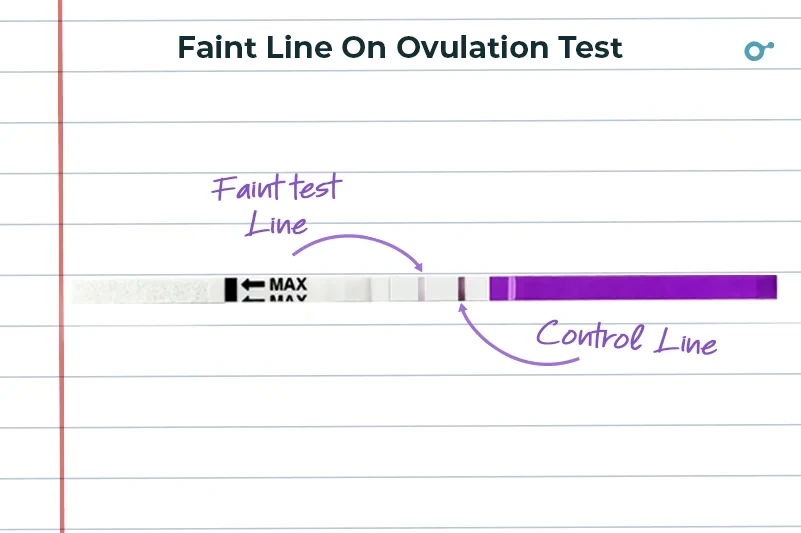
Luteinizing Hormone is present in the body throughout the entire menstrual cycle, even when an individual is not near ovulation. Small, baseline amounts of LH are continuously produced by the pituitary gland. Because these low levels of hormone exist in the system at all times, the antibody-coated strip within the test can often detect this “background noise.” A faint line is simply the physical manifestation of these low, baseline levels of LH interacting with the test reagents.
The Threshold of a “Positive” Result
An OPK is essentially a threshold-based device. It is calibrated to react most vigorously when LH reaches a specific concentration—the “LH surge”—which typically triggers the release of an egg from the ovary within 24 to 48 hours. A faint line indicates that LH is present, but it has not reached the threshold required to trigger the test’s control-line-matching density. In the context of fertility, this is a physiological reality rather than a sign of a malfunctioning device or a health concern.
Factors Influencing Line Intensity
The variation in line intensity is rarely random. It is influenced by a combination of hormonal fluctuations, testing habits, and the physiological environment of the user. Distinguishing between a “false” faint line and a “pre-surge” faint line requires a keen understanding of these variables.
The Impact of Hydration and Dilution
One of the most common reasons for a surprisingly faint line—even when the user expects an impending surge—is the dilution of urine. If a person consumes a large volume of water before testing, the concentration of hormones in the urine decreases significantly. This “washout” effect can make a mid-surge LH level appear as nothing more than a faint line. To optimize accuracy, many fertility experts recommend testing in the afternoon, specifically between 10:00 AM and 8:00 PM, after the urine has had several hours to concentrate following the first morning void.
Timing and Pulse-Like Secretion
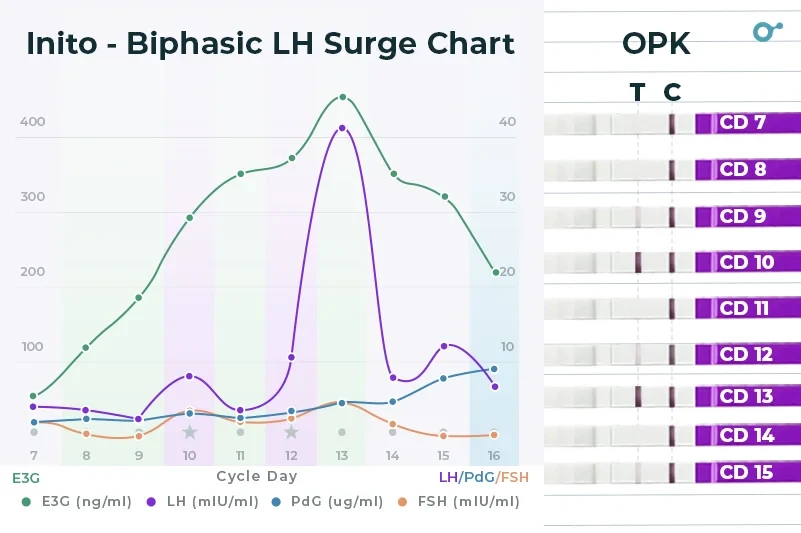
LH is not released in a steady, continuous stream; rather, it is released in “pulses.” Depending on the exact timing of the test relative to these pulses, the concentration of LH in the urine can fluctuate significantly within the span of a few hours. A faint line in the morning might be followed by a darker line in the afternoon. This pulse-like secretion is why consistent, daily testing is far more reliable than isolated, intermittent snapshots of hormone levels.
Individual Variation in LH Patterns
No two menstrual cycles are identical, and no two individuals share the exact same hormonal architecture. Some individuals have a “short surge,” where LH levels spike rapidly and drop just as quickly, making it difficult to catch the peak without testing multiple times per day. Others may have an “extended surge,” where the line remains faint for several days before darkening. Recognizing that your personal LH pattern may differ from the “textbook” example is crucial for reducing stress during the tracking process.
Interpreting Faint Lines Within the Broader Context
While a faint line can be a source of frustration, it serves as a valuable data point if analyzed correctly. It is important to avoid over-analyzing a single result and instead look at the progression of tests over the course of the cycle.
Establishing a Baseline Progression
The best way to interpret a faint line is to compare it to the control line in the context of the previous days’ tests. If the line is consistently faint and then begins to darken progressively over two or three days, the faint line is likely a reliable indicator that the LH surge is approaching. If the faint line appears and disappears sporadically without a clear trend toward darkening, it is likely just the aforementioned baseline LH secretion.
The Role of Secondary Fertility Markers
Relying solely on an OPK can sometimes lead to an incomplete picture of fertility. Faint lines can be confusing, but they become much easier to interpret when paired with secondary markers. Tracking Basal Body Temperature (BBT) and monitoring cervical mucus consistency can provide secondary confirmation of the cycle phase. For example, if you see a faint line on an OPK but notice your cervical mucus has become clear, stretchy, and egg-white-like, you are likely entering your fertile window regardless of the test’s ambiguity. The combination of these methods creates a “double-check” system that mitigates the uncertainty of a single faint test line.
Troubleshooting Common Testing Misconceptions
Misinformation regarding ovulation testing is rampant in online forums and social media. Clearing up these common misconceptions is vital for maintaining a healthy perspective on fertility tracking.
The “Evaporation Line” Phenomenon
Sometimes, what appears to be a faint line is not an indicator of LH at all, but rather an “evaporation line.” This occurs when the test is left to sit for longer than the manufacturer’s recommended time frame. As the urine dries on the strip, a colorless or pale shadow can appear where the test line should be. Always adhere strictly to the time limits specified in the instructions—usually between five and ten minutes. Any line that appears after this window should be disregarded, as it does not reflect the chemical reaction between the antibodies and the hormone.
Avoiding “Test Fatigue”
The pursuit of a positive ovulation result can lead to “test fatigue,” where the anxiety surrounding the faint line leads to testing multiple times per hour. This is counterproductive. Not only does excessive testing lead to confusion by capturing the subtle, minute-by-minute fluctuations of hormone pulses, but it also creates an unsustainable emotional burden. Maintaining a consistent testing schedule—ideally once or twice a day at the same time—is the most effective way to identify the surge while preserving mental well-being.
When to Consult a Specialist
While a faint line is generally a normal occurrence, there are situations where persistent issues with ovulation tracking might warrant a discussion with a healthcare provider. If you consistently observe only faint lines without ever reaching a clear, dark positive peak for several consecutive cycles, it may indicate an underlying issue such as irregular ovulation or Polycystic Ovary Syndrome (PCOS), which can cause elevated baseline LH levels. A doctor can provide blood tests or ultrasound monitoring to confirm if ovulation is occurring, offering a level of precision that at-home tests cannot match.
By viewing the faint line not as a failure, but as a piece of a larger biological puzzle, one can approach fertility tracking with greater confidence. The key lies in patience, consistency, and the integration of multiple data points, allowing the user to move past the ambiguity of a single test and gain a clearer understanding of their unique reproductive health.
aViewFromTheCave is a participant in the Amazon Services LLC Associates Program, an affiliate advertising program designed to provide a means for sites to earn advertising fees by advertising and linking to Amazon.com. Amazon, the Amazon logo, AmazonSupply, and the AmazonSupply logo are trademarks of Amazon.com, Inc. or its affiliates. As an Amazon Associate we earn affiliate commissions from qualifying purchases.