
When browsing jewelry stores, antique shops, or online marketplaces, you have likely encountered the small, often inconspicuous “925” stamp on a piece of metal jewelry or silverware. While it may appear to be a mere manufacturer’s mark, this number is a fundamental indicator of the item’s intrinsic value and composition. In the world of precious metals, understanding the 925 hallmark is essential for anyone interested in personal finance, asset acquisition, or making informed consumer choices regarding durable goods.
The Chemistry and Economics of Sterling Silver
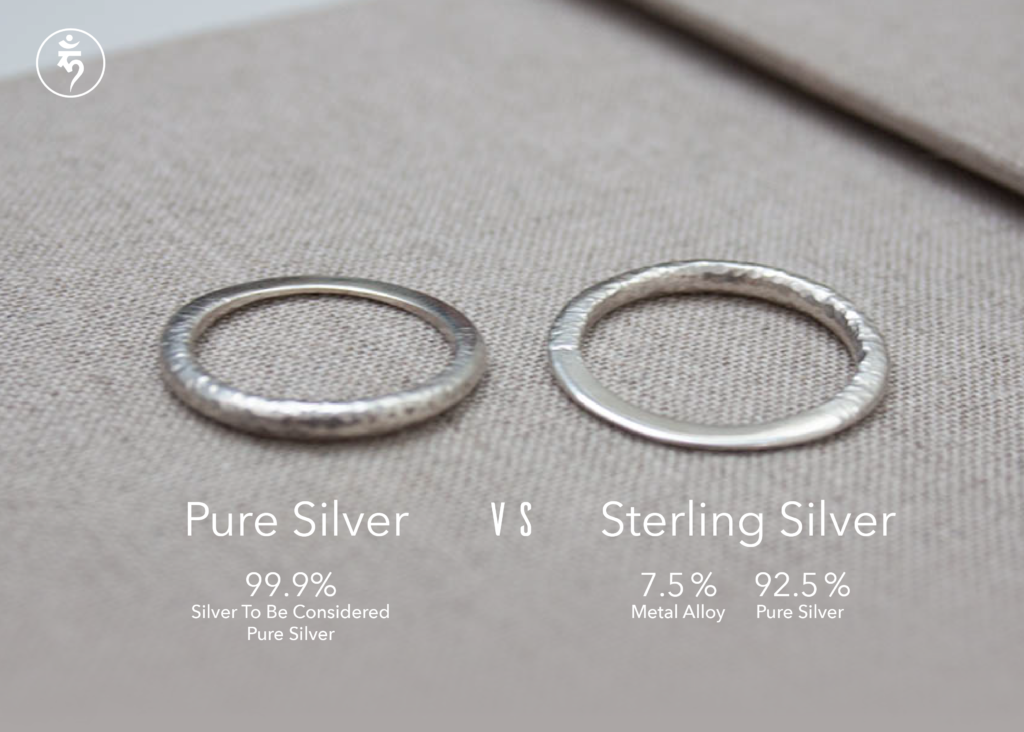
The “925” stamp signifies that the item is composed of sterling silver. In the language of metallurgy and commodities, this means the alloy is 92.5% pure silver, with the remaining 7.5% consisting of other metals—usually copper. This distinction is critical for understanding why pure silver (99.9%) is rarely used for functional items and why sterling silver remains a staple in both the luxury goods market and the precious metals investment space.

The Role of Alloy in Durability
Pure silver is naturally soft and malleable. If a ring or a set of cutlery were crafted from 100% pure silver, it would be prone to bending, scratching, and rapid deformation under daily use. By introducing 7.5% of another metal, artisans create an alloy that maintains the lustrous, reflective properties of silver while gaining the necessary structural integrity for longevity. From a financial perspective, this makes sterling silver an ideal intersection of “store of value” and “utility item.” When you purchase a 925-stamped object, you are not just buying a decorative piece; you are purchasing a tangible asset that is engineered to last for generations.
Silver as a Hedge and Asset Class
For the personal finance enthusiast, silver occupies a unique position. Unlike paper currency, which is subject to inflationary pressure, silver has an intrinsic value tied to its industrial demand and its historical status as a store of wealth. While investment-grade silver bullion typically comes in .999 purity, sterling silver items—such as antique tea sets, flatware, or high-end jewelry—often carry a “premium” beyond their melt value. This premium is derived from craftsmanship, design, and history, making it a distinct category within a diversified personal portfolio.
Decoding Hallmarks and Consumer Protection
The 925 stamp is more than just a chemical description; it is a legal hallmark. In many jurisdictions, the use of such a stamp is strictly regulated by law to protect consumers from fraud. Understanding how to identify these marks is a core skill for any savvy buyer looking to avoid financial loss in the secondary market.
Identifying Authenticity
A genuine “925” stamp is usually accompanied by a maker’s mark or a country-of-origin stamp. When shopping for silver, look for these specific indicators:
- The Stamp Placement: On rings, look inside the band. On necklaces, check the clasp or the end tag. On silverware, look at the base or the underside of the handle.
- Magnet Test: Silver is non-magnetic. If you find a piece of “925” jewelry that sticks to a magnet, it is likely a base-metal piece plated with a thin layer of silver, and it holds significantly less value.
- The Weight Factor: Because of the density of silver, legitimate 925 items will have a “heft” that is difficult to replicate with cheaper alloys like nickel or aluminum.
Navigating the Secondary Market
Whether you are buying at an estate sale, an auction, or through online peer-to-peer marketplaces, the “925” stamp provides a baseline for negotiation. When you understand the silver content, you can calculate the “spot price” of the silver contained within the object. While the piece may sell for much more due to its artistic value, knowing the floor price of the raw materials prevents you from overpaying for base metals disguised as precious ones. This financial literacy protects your capital and ensures that your collection retains its potential for future liquidation.

Silver vs. Plated Items: Protecting Your Capital
A common trap for novice buyers is the confusion between “Sterling Silver” and “Silver Plated” or “Silver Tone” items. From a financial standpoint, the difference is massive. While sterling silver is an asset with lasting value, silver-plated items have almost zero resale value, as they consist of a base metal (like brass or copper) with a microscopic coating of silver.
Understanding Silver Plating
Silver-plated items may sometimes bear a “925” stamp, but they are often accompanied by terms like “EPNS” (Electro Plated Nickel Silver) or “Silver Overlay.” It is vital to scrutinize these labels. Silver-plated items cannot be melted down to recover the silver content, and they degrade over time as the plating wears away, revealing the base metal beneath. They are essentially consumption-based purchases rather than asset-based ones.
The Opportunity Cost of Poor Quality
When building a collection—whether it is for hobbyist enjoyment or as a component of a tangible asset portfolio—focusing on quality is key to wealth preservation. Sterling silver is a “buy once, own forever” commodity. When you invest in sterling silver, you are purchasing an object that can be polished, repaired, and passed down as an heirloom. Conversely, purchasing cheap, plated jewelry that loses its finish within a year is a form of “hidden expense” that erodes your personal wealth through constant replacement. By prioritizing the 925 hallmark, you ensure that your expenditures are directed toward objects that maintain a liquid market.
Maintenance and Long-Term Value
To treat your sterling silver as a financial asset, you must treat it with care. Silver is subject to oxidation, which manifests as tarnish. While tarnish does not decrease the silver content, it can affect the aesthetic value and, consequently, the resale price in the secondary market.
Proper Storage for Value Retention
Keep your silver in a cool, dry place. Using anti-tarnish cloths or storage bags can prevent the chemical reaction with sulfur in the air that causes blackening. By keeping your items in pristine condition, you maintain their desirability for future buyers. If you decide to sell your collection, a well-maintained piece will always fetch a higher premium than one that has been neglected.
The Cycle of Reinvestment
Many collectors use the “buy and sell” method to build their financial literacy. By purchasing undervalued 925 items at garage sales or auctions, cleaning them, and re-selling them to collectors or retailers, individuals can turn a hobby into a profitable side hustle. This requires an eye for hallmarks and a fundamental understanding of how silver pricing correlates with market trends.
Final Thoughts on Sterling Silver Ownership
The “925” stamp is a gateway to understanding the intersection of art, history, and finance. It represents a standard of quality that has endured for centuries. For the informed consumer, this tiny mark serves as a reliable guardrail, distinguishing between ephemeral, low-value fashion accessories and durable, precious-metal assets.
Whether you are seeking to diversify your personal finances with tangible assets, looking to acquire high-quality heirlooms, or exploring the business of flipping jewelry, the 925 hallmark is your most important tool. It offers the assurance of composition, the benefit of durability, and the potential for long-term value retention. As you continue to interact with the world of silver, let that stamp be your guide, ensuring that every purchase you make is backed by the solid, honest weight of the metal itself. In a world of disposable goods, choosing sterling silver is a commitment to quality and a savvy step toward managing your personal financial legacy.
aViewFromTheCave is a participant in the Amazon Services LLC Associates Program, an affiliate advertising program designed to provide a means for sites to earn advertising fees by advertising and linking to Amazon.com. Amazon, the Amazon logo, AmazonSupply, and the AmazonSupply logo are trademarks of Amazon.com, Inc. or its affiliates. As an Amazon Associate we earn affiliate commissions from qualifying purchases.