
In the burgeoning legal cannabis industry, the gram serves as the foundational unit of measurement. Whether you are a dispensary owner looking to standardize your pre-packaging procedures or a consumer navigating the complexities of product quality, understanding the physical and financial realities of “the gram” is essential. When we ask, “What does 1 g of weed look like?” we are not just looking at a pile of plant matter; we are evaluating a specific retail unit that represents the intersection of agricultural consistency, inventory management, and premium brand presentation.

The Physical Variables: Density, Moisture, and Trim
When assessing one gram of cannabis, the visual volume can vary significantly based on botanical factors. Unlike standardized consumer packaged goods, cannabis is a unique agricultural product, meaning a single gram can occupy a different amount of physical space depending on the strain’s phenotypic expression.
Density and Morphological Differences
The primary factor influencing the size of a gram is the density of the flower. Indica-dominant strains often produce tight, compact, rock-like buds. A single gram of a dense Indica might appear small—perhaps the size of a large grape—because the biomass is concentrated. Conversely, Sativa-dominant strains often feature “fluffy” or “airy” structures. These buds have more interstitial space between the calyxes, meaning one gram of a Sativa-leaning flower might occupy twice the volume of a dense Indica.
For brands, this creates a challenge in packaging. If a container is sized based on the weight of a dense strain, a fluffier strain might require a larger, more expensive vessel to achieve the same visual “shelf appeal.”
The Role of Moisture Content and Curing
Moisture content is the silent variable in cannabis valuation. A perfectly cured gram of cannabis should retain between 10% and 12% moisture. If a product is “wet”—meaning it was harvested and moved to market too quickly—the gram will look larger but weigh more due to water content. Once the water evaporates, that “gram” may shrink in volume and fall below the legal weight threshold. Professional brands prioritize proper curing (the “boveda” effect) to ensure that when a customer holds one gram, it is a consistent, high-quality unit that provides a predictable sensory experience.
Standardizing the Retail Unit: From Raw Flower to Pre-Packaged Goods
From a business operations perspective, the “gram” is a unit of inventory that requires precise handling to maintain margin integrity. Brands that fail to standardize their presentation often face shrinkage—a common financial loss where product is either over-portioned or lost to degradation during the packaging process.
Precision Weighing and Compliance
In the legal market, the gram is a strict regulatory unit. Dispensaries use Class II scales, which are calibrated to provide extreme precision. When a brand packages a gram, they must account for “taring”—the weight of the container itself. A premium brand will ensure that the net weight of the flower is exactly one gram, excluding the packaging material.
Consistency in weight is the cornerstone of brand trust. If a consumer purchases a gram and discovers it is consistently under-weighted, the perceived value of the brand drops immediately. This is why automated weighing and dispensing systems are becoming the industry standard. They remove the margin for human error, ensuring that every unit sold meets the high expectations of the modern consumer.
The Importance of Trim Quality
The visual appearance of a gram is heavily influenced by the “trim.” The post-harvest process involves removing the fan leaves and excess sugar leaves. A “hand-trimmed” gram is considered the gold standard; it is visually pleasing, free of harsh plant material, and highlights the trichome density of the flower.
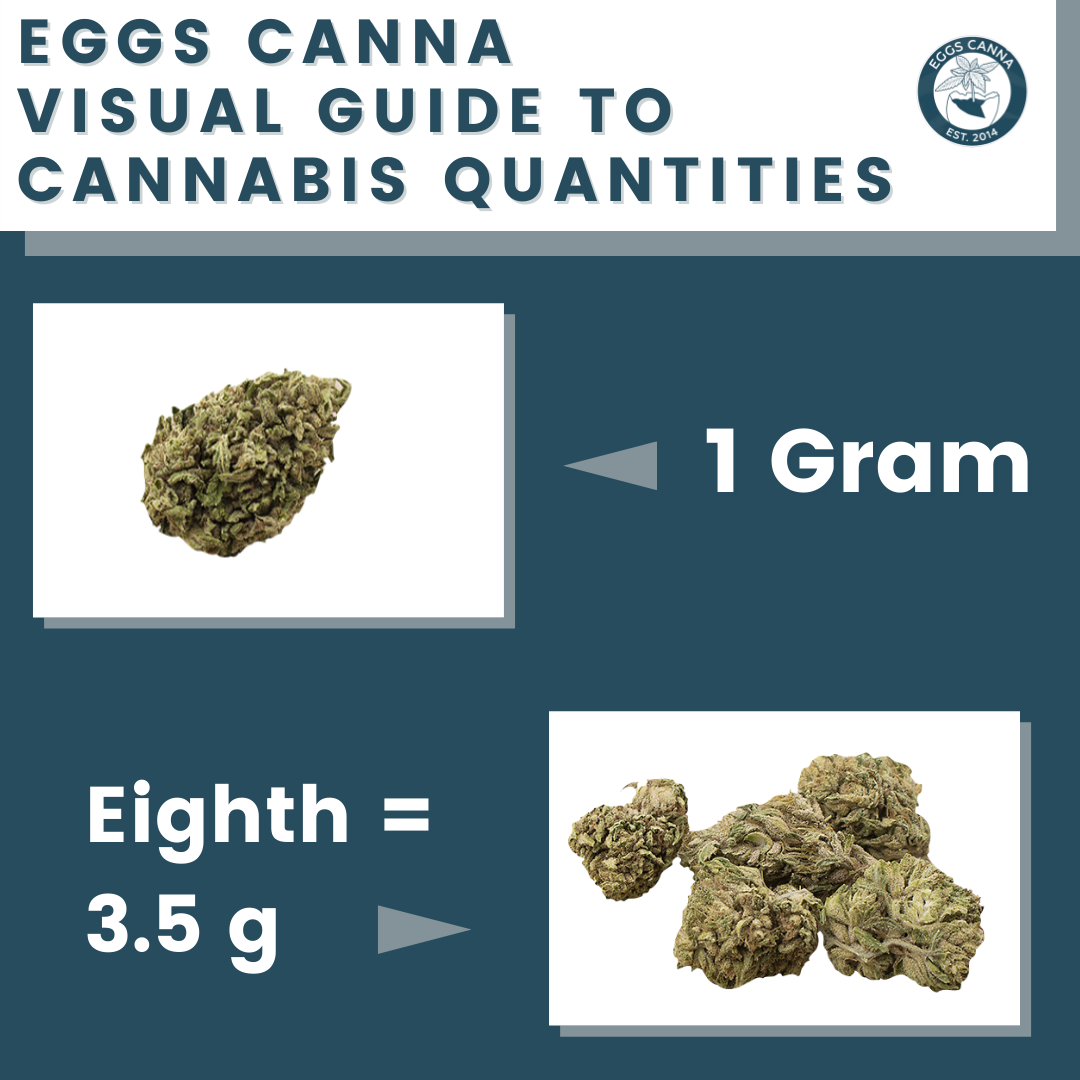
A “machine-trimmed” gram, while cost-effective for large-scale producers, may appear more uniform but often lacks the aesthetic appeal of a high-end, hand-finished product. For a brand positioning itself in the luxury segment, the visual profile of that single gram—the lack of excess stem and leaf—is a key marker of quality that justifies a higher price point.
Value Perception and Pricing Strategies
When a consumer looks at a gram of weed, they are subconsciously performing a value assessment. Is this single gram worth the ten, fifteen, or twenty dollars charged? This is where brand strategy meets consumer psychology.
Defining Perceived Value
The visual presentation of a gram is the final point of marketing. High-end brands utilize glass jars, humidity-controlled inserts, and minimalist labeling to elevate the humble gram. When a customer opens a package to see a well-manicured, crystalline, and appropriately sized gram, the perception of value is anchored.
If the same gram were tossed into a generic plastic bag, the perceived value decreases, even if the chemical potency (THC/terpene profile) remains identical. This illustrates why branding is not just about the logo; it is about the entire physical presentation of the product unit.
Managing Inventory Shrinkage
For dispensary managers, the gram is the unit used to calculate “shrinkage.” If a dispensary receives 500 grams of product but only accounts for 480 grams in sales, the missing 20 grams represent a direct hit to the bottom line. Strategies to combat this include:
- Serialized Packaging: Tracking individual units via RFID tags from the grow room to the retail floor.
- Standardized Portions: Using pre-rolls or pre-weighed jars rather than “deli-style” weighing in front of the customer.
- Environmental Control: Storing flower in climate-controlled environments to prevent the degradation of weight through evaporation.
The Future of the “Gram” in a Digital-First Market
As the cannabis market matures, the way we perceive and purchase the “gram” is evolving. We are seeing a shift from the physical inspection of loose flower toward standardized, lab-tested, and verified product lines that emphasize consistency above all else.
Lab-Verified Consistency
Modern consumers are increasingly sophisticated. They aren’t just looking at the size of the gram; they are scanning the QR code on the packaging to view the Certificate of Analysis (COA). A gram that tests at 28% THC with a rich terpene profile holds more market value than a gram that appears large but lacks the lab results to back up its potency.
Brand identity is now built on this transparency. The visual “gram” is being replaced by the data-driven “gram.” The packaging now includes batch numbers, harvest dates, and terpene breakdown, turning a simple purchase into a technical transaction.

Scaling the Brand Experience
As cannabis brands expand across state lines, the challenge is maintaining the same “look and feel” of a gram in different climates. A gram of flower grown in California might look different from a gram grown in Maine, even if the strain is the same. To maintain corporate identity, successful brands are investing in standardized cultivation protocols and uniform packaging solutions that ensure that no matter where the customer is, the “one gram experience” is identical.
In conclusion, the question “What does 1 g of weed look like?” is a multifaceted inquiry that bridges the gap between raw botanical reality and sophisticated retail strategy. By prioritizing density, moisture control, precise trimming, and transparent lab reporting, brands can turn a commodity product into a premium retail experience. The gram is the smallest unit of currency in the cannabis industry, and its presentation remains the most critical factor in defining a brand’s success in a hyper-competitive market.
aViewFromTheCave is a participant in the Amazon Services LLC Associates Program, an affiliate advertising program designed to provide a means for sites to earn advertising fees by advertising and linking to Amazon.com. Amazon, the Amazon logo, AmazonSupply, and the AmazonSupply logo are trademarks of Amazon.com, Inc. or its affiliates. As an Amazon Associate we earn affiliate commissions from qualifying purchases.