
The image of the Tiki is one of the most recognizable icons in global design history, yet it is arguably one of the most misunderstood. Often relegated to the kitschy aesthetics of mid-century suburban backyard parties or neon-lit dive bars, the Tiki carries a weight of cultural semiotics that extends far beyond the carved wooden totems of Polynesian mythology. From a brand strategy and corporate identity perspective, the Tiki serves as a masterclass in how visual symbols are stripped of their original narrative, recontextualized for commercial gain, and ultimately transformed into a potent—if problematic—marketing archetype.
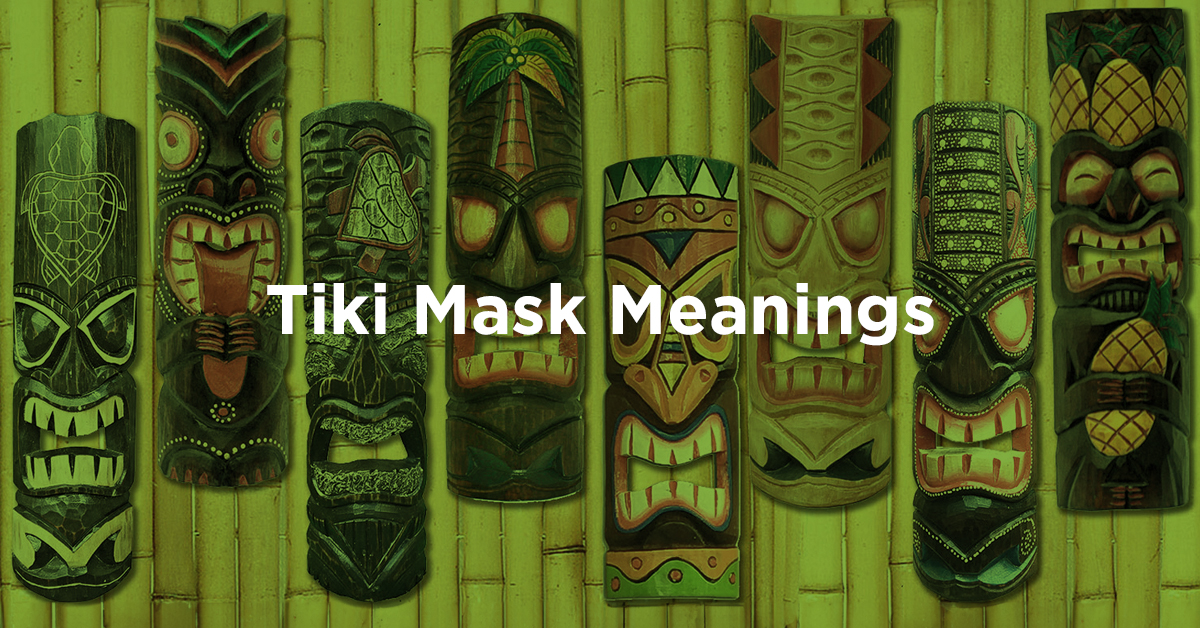
The Semiotics of the Tiki in Modern Branding
At its core, a brand is a vessel for meaning. When companies adopt symbols from foreign cultures, they are engaging in a process of semiotic appropriation. The Tiki, in its authentic Polynesian context, represents the primordial ancestor—the first human, a demi-god, or a guardian figure imbued with mana, a spiritual life force. However, when the Tiki moved from the islands to the boardrooms of post-WWII American marketing agencies, that meaning was intentionally gutted.
The Rise of the “Exotic” Aesthetic
In the mid-20th century, specifically through the lens of figures like Don the Beachcomber and Trader Vic, the Tiki was rebranded as a symbol of “escapism.” Brands leveraged the visual shorthand of the Pacific Islands to sell a promise: the promise of an accessible, affordable paradise. By distilling complex theological figures into whimsical, slightly menacing wooden masks, marketers created a visual identity that signaled relaxation, luxury, and the shedding of corporate responsibility. The Tiki became a brand logo for “leisure time,” effectively separating the consumer from their daily grind.
Visual Architecture and Consumer Psychology
From a design standpoint, the Tiki archetype is brilliant because of its inherent high contrast and exaggerated features. The wide eyes, clenched teeth, and stoic posture create a sense of intrigue that acts as an effective “pattern interrupt” in advertising. Designers utilize these elements to signify craftsmanship and authenticity—even when that authenticity is performative. By using earthy color palettes and rugged textures associated with wood carvings, brands tap into a consumer’s innate desire for “the primitive” or “the natural” in an increasingly digital and sterilized world.
Appropriation vs. Appreciation: The Brand Dilemma
The evolution of the Tiki in commercial design provides a cautionary tale for modern corporate identity. As brands become more global, the line between cultural appreciation and cultural appropriation becomes a critical focal point for brand strategy. When a brand adopts a symbol as powerful as the Tiki, it inadvertently inherits the baggage of the history associated with that symbol.
The Risk of Shallow Identity
When a corporation utilizes a cultural icon purely for its aesthetic value, it risks being perceived as “hollow.” In the modern era of brand strategy, consumers are increasingly adept at identifying performative marketing. If a brand identity is built upon an aesthetic—like the “Tiki aesthetic”—without a genuine connection to or respect for the source culture, the brand equity remains fragile. This is the “kitsch trap.” Kitsch is essentially a product of industrial mass production that mimics high-value cultural artifacts. When a brand identifies as “Tiki-themed” without understanding the gravitas of the actual ancestors they are depicting, they risk alienating educated consumer segments who demand transparency and cultural integrity.

Navigating Brand Equity in a Sensitive Market
Contemporary brand managers must ask: Does this symbol move the brand toward a meaningful narrative, or does it merely provide a temporary visual shortcut? The Tiki serves as an archetype for how quickly a symbol can lose its original context once it enters the cycle of mass consumption. To build sustainable brand equity, modern companies must transition from “stealing” aesthetic shorthands to “collaborating” with the cultures that birthed them. True brand identity in the 21st century requires acknowledging the roots of one’s visual language rather than whitewashing it for the sake of a cocktail menu or a furniture line.
Recontextualizing the Icon: Lessons for Future Design
Despite the historical complexities, the enduring power of the Tiki offers several tactical lessons for designers and branding professionals. The longevity of the Tiki as a design motif is not accidental; it is a result of a highly successful, albeit problematic, rebranding effort that lasted for decades.
The Power of Iconic Simplicity
The Tiki demonstrates that a visual identity needs only a few key markers to be recognized globally. A mask with heavy brows and a stylized mouth is immediately identified as “Tiki.” This level of iconic simplification is the “holy grail” of logo design. When developing a corporate identity, the objective should be to create a mark that is as instantly legible as the Tiki, while ensuring that the underlying story is robust, honest, and defensible. If a logo cannot survive a stripping of its color and texture, it lacks the foundational strength of the Tiki motif.
Storytelling as the Anchor
The reason the Tiki craze sustained itself for so long was not just the wood carvings—it was the myth-making. The bars, the menus, the music, and the dress code created a cohesive brand experience that felt like a cohesive world. For brands today, the takeaway is clear: visual symbols are only as effective as the narrative ecosystem built around them. A brand identity must function like a world-view. If you are going to use an evocative symbol, you must provide the consumer with a reason to care about the history, the craft, and the intention behind it.
The Future of Cultural Archetypes in Branding
As we look toward the future of brand strategy, the use of ancient archetypes like the Tiki will likely shift from appropriation to a more nuanced form of homage. The “Tiki” that represented 1950s escapism is dying, replaced by a demand for brands to tell the “whole story.”
Design Integrity and Cultural Stewardship
In the future, the most successful brands will be those that act as stewards of the symbols they employ. We are seeing a shift where companies are increasingly partnering with indigenous artists and historians to reclaim the narrative of symbols that were once exploited by mid-century marketing. This approach transforms a brand from a mere vendor of goods into a platform for cultural exchange. By giving credit and collaborating with original source creators, a brand doesn’t just “use” a symbol; it earns the right to evolve that symbol into something new.

Closing the Gap Between Commercial and Cultural
Ultimately, the question of “what do Tikis represent” depends entirely on the observer. To a historian, it is a representation of spiritual ancestors and ancestral history. To a vintage enthusiast, it is an icon of mid-century modernism. To a brand strategist, it is a primary example of how a culture’s visual identity can be commodified. The future of brand strategy lies in bridging these perspectives. We must move toward a model where visual identity is not something we “take” from history, but something we build in tandem with it. By respecting the depth of the symbols we choose to represent our brands, we create identities that are not only visually striking but also enduringly significant, moving past the fleeting nature of trends into the realm of meaningful, long-term brand heritage.
aViewFromTheCave is a participant in the Amazon Services LLC Associates Program, an affiliate advertising program designed to provide a means for sites to earn advertising fees by advertising and linking to Amazon.com. Amazon, the Amazon logo, AmazonSupply, and the AmazonSupply logo are trademarks of Amazon.com, Inc. or its affiliates. As an Amazon Associate we earn affiliate commissions from qualifying purchases.