
In the high-stakes theater of professional soccer, few visual cues communicate a brand’s commitment to integrity, control, and regulation as starkly as the yellow and red cards. While the casual spectator views these as mere disciplinary measures for fouls, a strategic examination reveals they are essential components of the sport’s overarching “corporate identity.” Just as a brand’s messaging strategy dictates its reputation in the marketplace, the referee’s deployment of cards functions as a regulatory mechanism that governs the competitive landscape, protects the “product” on the field, and maintains the integrity of the global soccer brand.

The Semantics of Visual Communication in Sports Governance
The yellow and red card system, introduced in the 1970 FIFA World Cup, represents a masterclass in universal brand communication. In an international arena where linguistic barriers often hinder rapid decision-making, the cards serve as a symbolic language that is instantly recognizable across cultures. This is the ultimate goal of effective corporate visual identity: to convey complex regulatory stances through simple, standardized iconography.
The Yellow Card: Strategic Warning and Brand Moderation
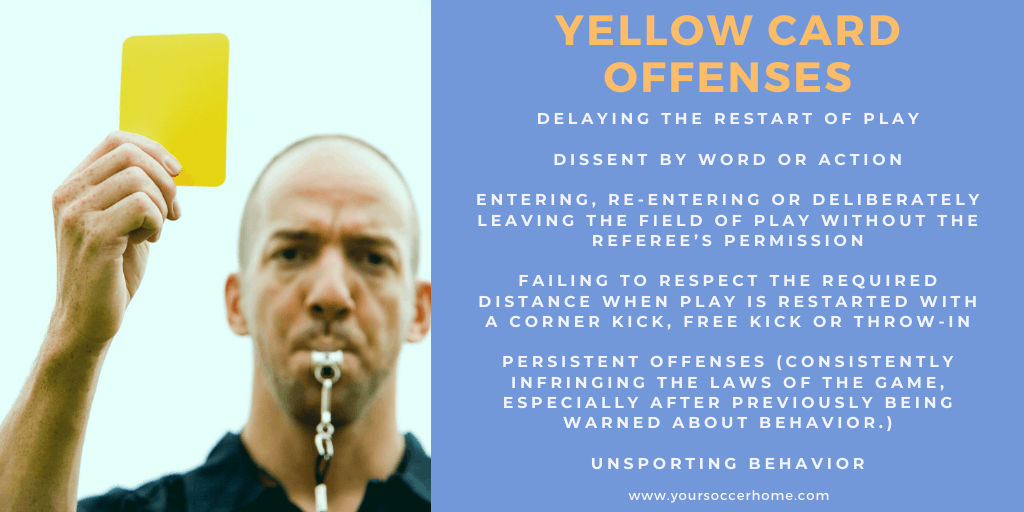
The yellow card acts as a formal caution—a “soft” regulatory intervention. From a marketing and branding perspective, it serves as an official notice that a player’s behavior is deviating from the established code of conduct. It is a tool for moderation, designed to reign in excessive aggression without removing the “assets” (the players) from the market prematurely.
When a referee brandishes a yellow card, they are effectively auditing the player’s performance against the governing body’s guidelines. It signals to the fans, the coaches, and the sponsors that the league maintains control over the competitive environment. For the athlete, it is a psychological nudge, an adjustment in the brand’s positioning required to stay within the bounds of the “tournament contract.”
The Red Card: Enforcement of Non-Negotiable Standards
The red card is the most severe form of regulatory action. It is the immediate termination of a player’s participation in a specific event. In corporate terms, this is equivalent to an immediate suspension or blacklisting for violating a core compliance mandate. When an official displays a red card, they are reinforcing the brand’s non-negotiable boundaries. It communicates that certain actions—such as dangerous play or unsportsmanlike conduct—are fundamentally incompatible with the values of the game. This swift enforcement ensures that the “brand promise” of fair play is not eroded by rogue actors.
Managing the Value Proposition of the “Product” on the Pitch
Professional soccer is a multi-billion-dollar industry, and the players are the primary products driving viewership, sponsorship, and broadcast deals. Consequently, the card system serves as a risk management strategy, protecting the long-term value of the sport by mitigating the risk of player injury and maintaining the high-quality standards that fans expect.
Protecting the Competitive Integrity
The primary value proposition of professional sports is the promise of a fair, competitive contest. If the rules were not strictly enforced via card sanctions, the integrity of the outcome would be compromised. Unchecked aggression would lead to a product that is perceived as chaotic and unpolished, ultimately devaluing the league’s brand equity.

By utilizing the yellow and red card system, leagues ensure that the competitive threshold remains stable. This is similar to how a brand maintains strict quality control in its supply chain. If one component fails to meet standards, it is flagged or removed, ensuring the final consumer (the fan) receives the high-quality, predictable experience they paid for.
Managing Media Narrative and Perception
The cards also play a vital role in the media narrative surrounding a match. When a referee issues a controversial card, it triggers intense discourse—the sports equivalent of a brand PR crisis. This creates engagement, fuels post-match analysis, and keeps the sport relevant in the news cycle. Conversely, when cards are applied judiciously and fairly, they validate the referee as a “trusted authority,” reinforcing the professionalism of the league. How a league handles these regulatory moments directly impacts public perception and fan loyalty.
The Intersection of Regulatory Compliance and Brand Loyalty
Just as companies must balance compliance with customer experience, soccer officials must balance strict rule adherence with the “spectacle” of the game. A referee who issues cards for every minor infraction may be seen as stifling the brand’s energy; a referee who ignores major infractions may be seen as negligent. Finding the “Golden Ratio” of discipline is essential for the sustained health of the sport’s brand image.
Consistency as a Brand Pillar
The most successful organizations are those that apply their rules consistently. In soccer, this means that a “yellow card offense” in the first minute of the game should be treated the same as one in the final minute. When consistency is lost, the brand’s reputation suffers. Fans, pundits, and stakeholders quickly pick up on inconsistencies, and if the governing body fails to address them, the integrity of the league’s “identity” is questioned.
Consistency in officiating acts as a foundational pillar for trust. When fans trust that the governing body will enforce the rules impartially, their loyalty to the league increases. The card system is, therefore, not just about punishment; it is a vital tool for building and maintaining consumer trust in the brand.
Adaptability in a Changing Competitive Landscape
Modern soccer, like any evolving industry, must adapt to new trends. The introduction of VAR (Video Assistant Referee) has added a layer of complexity to the card system. VAR acts as an auditor for the referee’s decision-making process, ensuring that the “regulatory data” is accurate before a card is finalized. This evolution shows that the sport is willing to leverage new processes to improve the accuracy of its disciplinary actions.
This adaptability is essential for any long-term brand. It proves that the institution is not stagnant, but rather committed to refining its internal controls to better meet the expectations of its stakeholders. By integrating advanced observation tools, the sport strengthens its brand identity as a modern, fair, and transparent organization.
Conclusion: The Card System as a Reflection of Institutional Values
The cards in soccer represent much more than a penalty system. They are a sophisticated mechanism for maintaining the integrity, quality, and reputation of the sport. By establishing clear, universally understood symbols of authority, the governing bodies of soccer protect their brand equity against chaos and misconduct.
Whether it is the cautionary yellow or the definitive red, these cards represent the intersection of strict regulatory compliance and the delivery of a premium consumer experience. For observers of brand strategy, the soccer card system provides a compelling case study on how institutions can define their values through consistent enforcement, clear communication, and the protection of their core assets. Ultimately, the referee’s card is a badge of accountability, ensuring that the “beautiful game” remains synonymous with the principles of fairness and competitive excellence that fans across the globe demand.
aViewFromTheCave is a participant in the Amazon Services LLC Associates Program, an affiliate advertising program designed to provide a means for sites to earn advertising fees by advertising and linking to Amazon.com. Amazon, the Amazon logo, AmazonSupply, and the AmazonSupply logo are trademarks of Amazon.com, Inc. or its affiliates. As an Amazon Associate we earn affiliate commissions from qualifying purchases.