
For property owners, facility managers, and real estate investors, the presence of pests is not merely a nuisance; it is a direct threat to the valuation of an asset and the integrity of a professional brand. When an investor hears the telltale scratching behind the drywall, it represents more than just a biological issue—it represents a failure in property maintenance and a significant risk to the perceived quality of the brand. Understanding the auditory cues of a rodent infestation is essential for proactive facility management and the preservation of your financial investment.

The Financial Implications of Neglected Infestations
In the world of commercial and residential real estate, brand reputation is built on the foundation of quality assurance. When tenants or clients encounter evidence of a rodent infestation, the fallout extends far beyond the cost of extermination. It involves legal liabilities, the devaluation of the asset, and the erosion of trust in your property management capabilities.
Asset Devaluation and Structural Damage
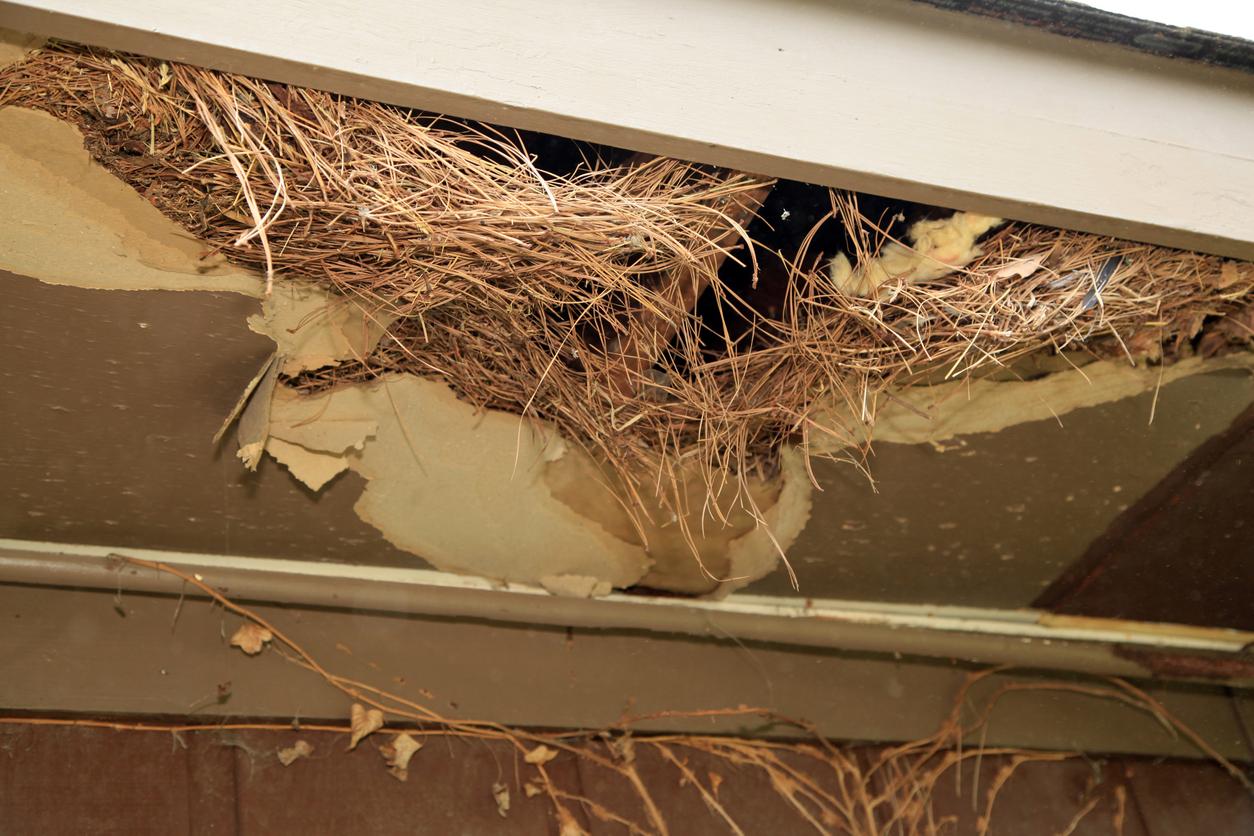
Rats are notorious for their tendency to gnaw on structural components, including electrical wiring, insulation, and wooden support beams. From a financial perspective, this is a capital expenditure risk. Unchecked, a small colony can cause thousands of dollars in hidden damage, leading to fire hazards that invalidate insurance policies or code violations that trigger expensive remediation requirements. Protecting your bottom line begins with recognizing the early warnings provided by the sounds emanating from within your walls.
The Brand Cost of Pest-Related Reputation Damage
In an era of digital reviews and instant social media feedback, a reputation for poor sanitation or substandard maintenance is difficult to shake. If a high-value client hears a rat scurrying in an office space or a luxury tenant complains about scratching noises in the walls, the professional narrative of your business suffers. Proactive pest management is, therefore, a core pillar of your brand strategy. By maintaining a pest-free environment, you are signaling to stakeholders that you prioritize excellence, detail-oriented management, and the long-term sustainability of the asset.
Auditory Diagnostics: Decoding the Sounds of Infestation
Identifying the sounds of a rodent is a diagnostic skill required for anyone tasked with managing a physical asset. Understanding the specific auditory profile of rats versus other pests allows for more efficient allocation of financial resources toward targeted solutions.
The Frequency and Pattern of Scratching
Rats are nocturnal creatures, meaning the auditory “marketing” of their presence usually begins after sunset. Unlike smaller mice, which produce a light, rapid tapping, rats create a heavier, more deliberate scratching or gnawing sound. This is often accompanied by a thumping noise, caused by the movement of their larger bodies as they navigate the hollow cavities between wall studs.
Distinguishing Between Rodent Sounds
- Gnawing: This is a rhythmic, grinding sound. Because a rat’s teeth never stop growing, they must file them down by chewing on hard materials. If you hear persistent, harsh rasping sounds originating from a localized spot in your wall, it is a high-probability indicator of structural gnawing.
- Scurrying: This is the sound of movement. Rats use established paths within walls. A rapid, dragging sound—often described as something being pulled across the drywall—indicates the rodents are moving between their nesting site and their food source.
- Squeaking: While less common than movement sounds, the high-pitched vocalizations of a rat indicate a high population density or the presence of a nest. If you hear squeaking, the financial urgency of the situation increases, as you are likely dealing with a breeding colony that requires immediate professional intervention.

Integrating Pest Management into Operational Budgets
A sound property management strategy treats pest control not as an emergency expense, but as a standard operational cost. By shifting the financial framework from reactive to proactive, owners can protect the long-term equity of their properties.
Data-Driven Maintenance Schedules
Leveraging historical data on seasonal pest activity allows property managers to optimize their budgets. By implementing preventative inspections during peak times—such as late autumn when temperatures drop—you minimize the risk of a full-blown infestation. Budgeting for professional, quarterly facility audits is a cost-effective way to mitigate the massive expense of structural repairs that follow a neglected infestation.
Selecting the Right Professional Partners
The market for pest control is vast, and choosing the right partner is a branding and financial decision. A reputable, licensed, and insured extermination firm is an extension of your own management team. When vetting these providers, look for firms that prioritize data collection and preventative reporting. A firm that provides digital logs of their inspections and clear roadmaps for exclusion work is an asset to your business portfolio.
The Role of Property “Exclusion” in Asset Protection
Exclusion is the process of sealing the physical points of entry that allow rodents to access wall voids in the first place. This is the gold standard of preventative maintenance, and it offers the highest return on investment (ROI) for property owners.
ROI of Physical Hardening
Investing in structural upgrades—such as sealing gaps around utility lines, installing steel kick-plates, and ensuring foundation integrity—is an investment in the long-term durability of the asset. While the initial capital outlay might appear higher than a simple baiting program, the long-term savings are significant. You are essentially “insuring” your property against the predatory damage that rodents cause, thereby maintaining the market value of your real estate or commercial space.
Strengthening Internal Processes
Standardizing your exclusion process across all properties in your portfolio creates a consistent quality standard. This consistency is a key component of building a strong brand identity. When stakeholders know that every property in your portfolio is managed with the same level of rigorous attention to detail, your brand equity increases, which can lead to higher property valuations, better tenant retention, and increased investor confidence.
Conclusion: Turning Maintenance into a Competitive Advantage
The sounds of rats in the walls are a diagnostic signal that the health of an asset is at risk. For the savvy investor or property manager, these noises should never be ignored. By treating pest control as a strategic component of financial management and brand protection, you move away from the “firefighting” mentality of reactive maintenance and toward a model of excellence.
Investing in early detection, professional diagnostics, and permanent structural exclusion provides a clear competitive advantage. It keeps maintenance costs predictable, protects your brand reputation from the corrosive effects of negative reviews, and ensures that the physical asset retains its value over time. In the high-stakes environment of property management, attention to detail—even when that detail is as small as the sound of a rodent behind the wall—is what separates a mediocre operation from a highly profitable, sustainable business. By prioritizing these proactive measures, you secure your physical investment and cement your reputation as a manager of integrity and foresight.
aViewFromTheCave is a participant in the Amazon Services LLC Associates Program, an affiliate advertising program designed to provide a means for sites to earn advertising fees by advertising and linking to Amazon.com. Amazon, the Amazon logo, AmazonSupply, and the AmazonSupply logo are trademarks of Amazon.com, Inc. or its affiliates. As an Amazon Associate we earn affiliate commissions from qualifying purchases.