
Onions are a staple of the home garden, yet for many beginners, the visual journey from a tiny seed or set to a fully mature bulb remains a mystery. Because onions grow primarily underground, their physical development is often hidden from view. However, understanding the visual cues of their growth stages is essential for successful cultivation, timing your watering, and knowing exactly when to harvest for maximum yield and longevity.
The Early Growth Stages: From Germination to Established Shoots
The life cycle of an onion begins in one of two ways: from small seeds or from “sets,” which are immature, marble-sized bulbs planted in the early spring. Regardless of the starting method, the early visual indicators of a healthy crop are remarkably similar.
The Seedling Phase
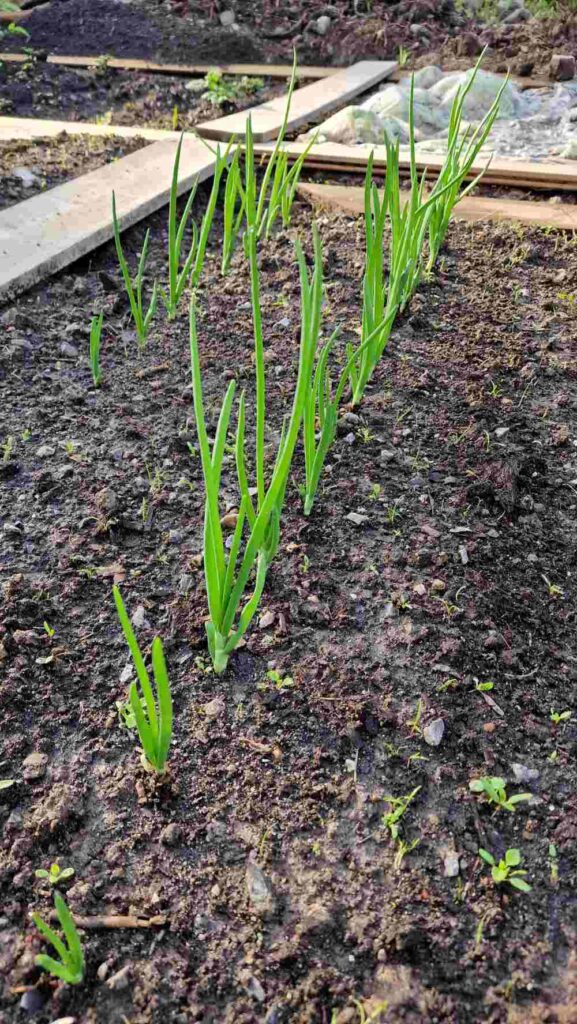
When growing from seed, the first thing you will notice is a slender, grass-like blade pushing through the soil surface. At this stage, onions look deceptively like common lawn grass. They are delicate, thin, and bright green. It is crucial at this point to maintain consistent soil moisture, as these fragile shoots have shallow root systems and cannot withstand drying out.
The Appearance of Sets
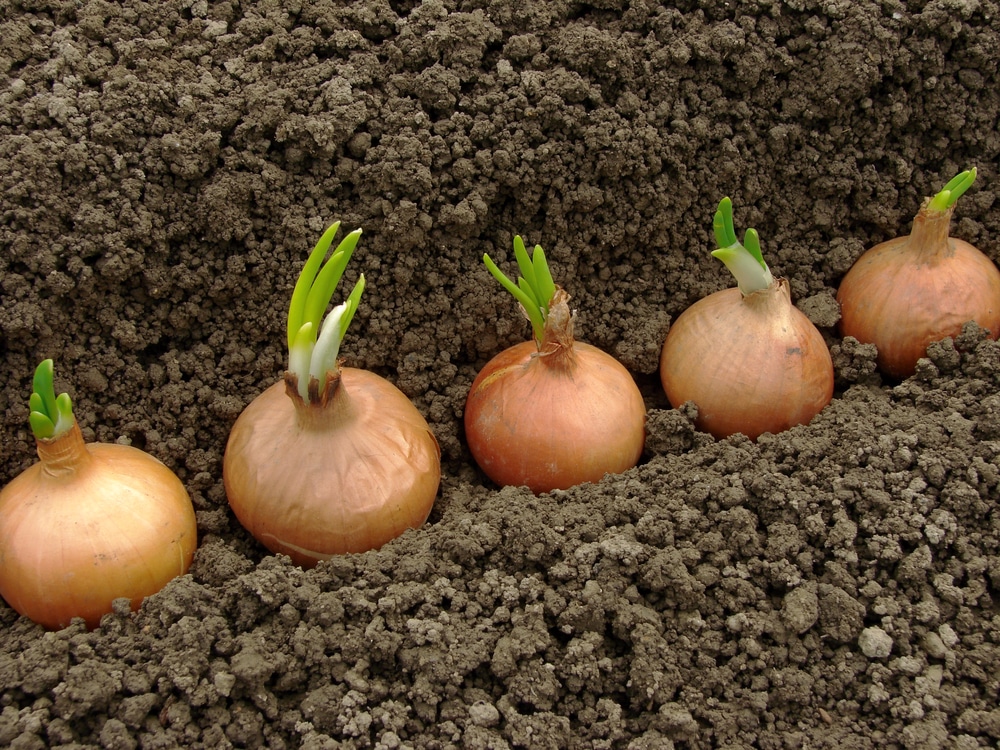
When planting onion sets, the visual transformation is more immediate. You will notice a thicker, more robust shoot emerging from the soil. Initially, the set may look like a small, shriveled green sprout, but within a few days, it will straighten and begin to thicken. Unlike seeds, which require thinning to ensure adequate spacing, sets are spaced intentionally from the start. As they grow, you will notice the base of the shoot becoming progressively wider, signaling that the plant is beginning to focus its energy on developing the bulb.
Vegetative Development: The Formation of Stems and Leaves
Once the onion is established, the focus of the plant is entirely on leaf production. In the gardening world, each leaf produced by an onion plant represents a ring within the future bulb. Therefore, visual abundance above the ground directly correlates to the size of the bulb beneath.
The Leaf Structure
During the vegetative stage, the onion will produce several long, tubular, hollow leaves. These leaves are typically a vibrant, bluish-green color and covered in a fine, waxy bloom, which acts as a protective layer. If the leaves are standing tall and firm, the plant is healthy and photosynthesizing efficiently.
Assessing Plant Vigor
To judge the health of your onions during this stage, observe the color and texture of the foliage. Bright green, upright leaves indicate that the plant is receiving adequate nitrogen and water. If you see yellowing or drooping leaves early in the season, it is often a sign of nutrient deficiency or waterlogged soil. As the plant enters its peak growth phase, it may reach a height of 12 to 20 inches. Seeing a lush, dense canopy of these tubular leaves is the primary indicator that your onions are well-positioned for significant bulb enlargement.
The Bulb Expansion Phase: The Shift Beneath the Surface
The most dramatic changes occur during the mid-to-late season when the plant begins to shift its energy from leaf production to bulb formation. This phase is triggered largely by day length, which is why choosing the correct variety for your latitude (short-day, intermediate-day, or long-day) is vital.
The “Bulbing Up” Visuals
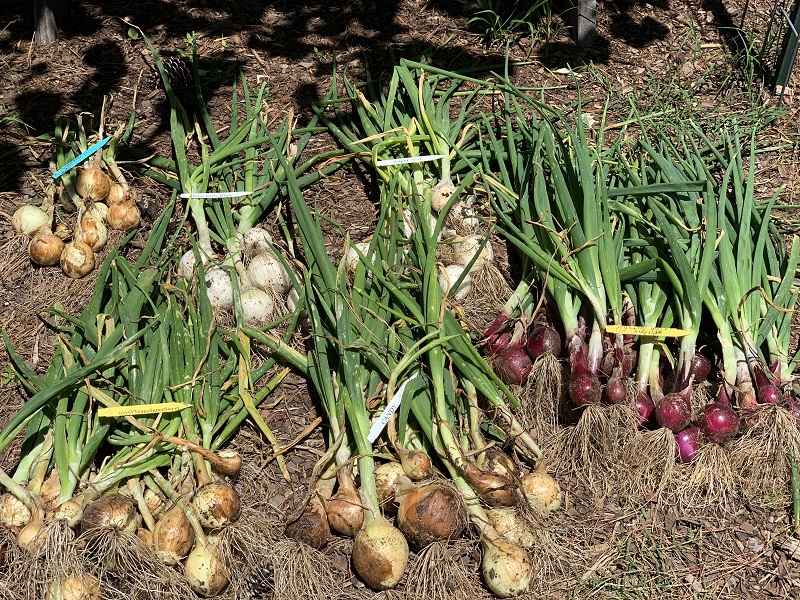
You will know the plant has entered this phase when you notice the neck of the plant—the point where the green leaves meet the ground—beginning to thicken. As the bulb expands, it will often push itself partially out of the soil. This is perfectly normal and actually a positive sign.
Many gardeners make the mistake of hilling soil up around the bulb, similar to how one might handle potatoes. For onions, this is generally counterproductive. Allowing the bulb to be exposed to the sun and air helps it to mature properly and reduces the risk of rot. As the bulb swells, you may see the skin begin to take on its characteristic papery texture. Depending on the variety, this skin might transition from a pale white or light green to a deep red, golden yellow, or brilliant white.
Monitoring Soil Moisture during Expansion
During this expansion phase, it is visually important to check the soil around the base of the plant. If the ground is cracking, the bulb is growing rapidly, but the plant still needs consistent moisture to support that expansion. However, as the plant approaches maturity, you must be prepared to reduce irrigation to prevent the bulb from absorbing excess water, which could lead to storage issues later.
Harvesting Maturity: The Final Visual Cues
The transition from a growing plant to a harvestable onion is marked by a very specific, undeniable visual signal. Learning to read this signal is the difference between a crop that stores through the winter and one that spoils within weeks.
The “Neck Fall” Phenomenon
The most reliable indicator of maturity is when the green tops begin to yellow and eventually flop over at the neck. This is often called “neck fall.” When roughly 50% to 75% of your onion patch has fallen over, the plant is signaling that it has finished its life cycle and is no longer sending nutrients to the leaves.
It is important not to rush this process. Some gardeners feel tempted to manually bend the tops over, but this can actually increase the risk of neck rot. Let nature take its course. When the tops turn brown and dry, the plant is essentially “sealing” the neck, which is a critical step in ensuring the onion can be cured for long-term storage.
Preparing for the Final Pull
Once the tops have flopped and begun to dry, look at the outer skin of the bulb. It should be dry, papery, and tight against the bulb. If the neck is still thick and juicy, the onion is not yet ready for harvest. A thin, dry neck is the hallmark of a high-quality, long-storing onion. At this stage, the roots—which have been anchoring the plant—will begin to die back, making the bulb very easy to pull from the soil with minimal effort.
If you have watched for the grass-like seedlings, tracked the development of the lush, tubular leaves, observed the bulb pushing its shoulders out of the soil, and waited for that final collapse of the foliage, you have successfully navigated the visual life cycle of the onion. Harvesting at this precise moment of maturity ensures that you are rewarded with a firm, flavorful, and durable harvest ready for the pantry.
aViewFromTheCave is a participant in the Amazon Services LLC Associates Program, an affiliate advertising program designed to provide a means for sites to earn advertising fees by advertising and linking to Amazon.com. Amazon, the Amazon logo, AmazonSupply, and the AmazonSupply logo are trademarks of Amazon.com, Inc. or its affiliates. As an Amazon Associate we earn affiliate commissions from qualifying purchases.