
The Financial Architecture of Charitable Logistics
For many individuals, the concept of a food bank is synonymous with a physical pantry shelf filled with canned goods. However, from the perspective of organizational sustainability and financial management, food banks function as complex, non-profit logistics operations that require sophisticated capital allocation strategies. To scale their impact and ensure long-term viability, food banks require more than just the occasional donation of non-perishable items. They require a transition toward a model of financial liquidity and strategic cash flow management.
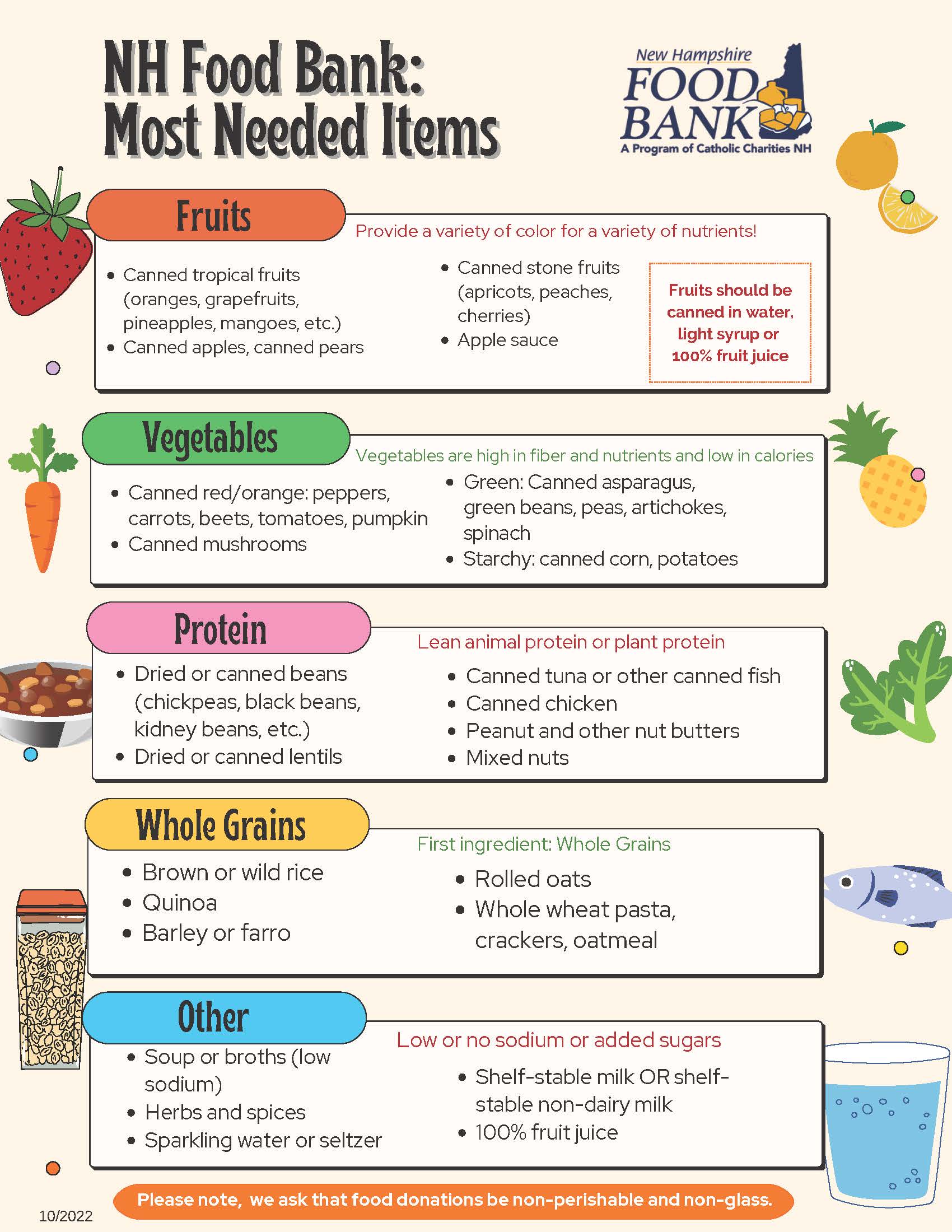
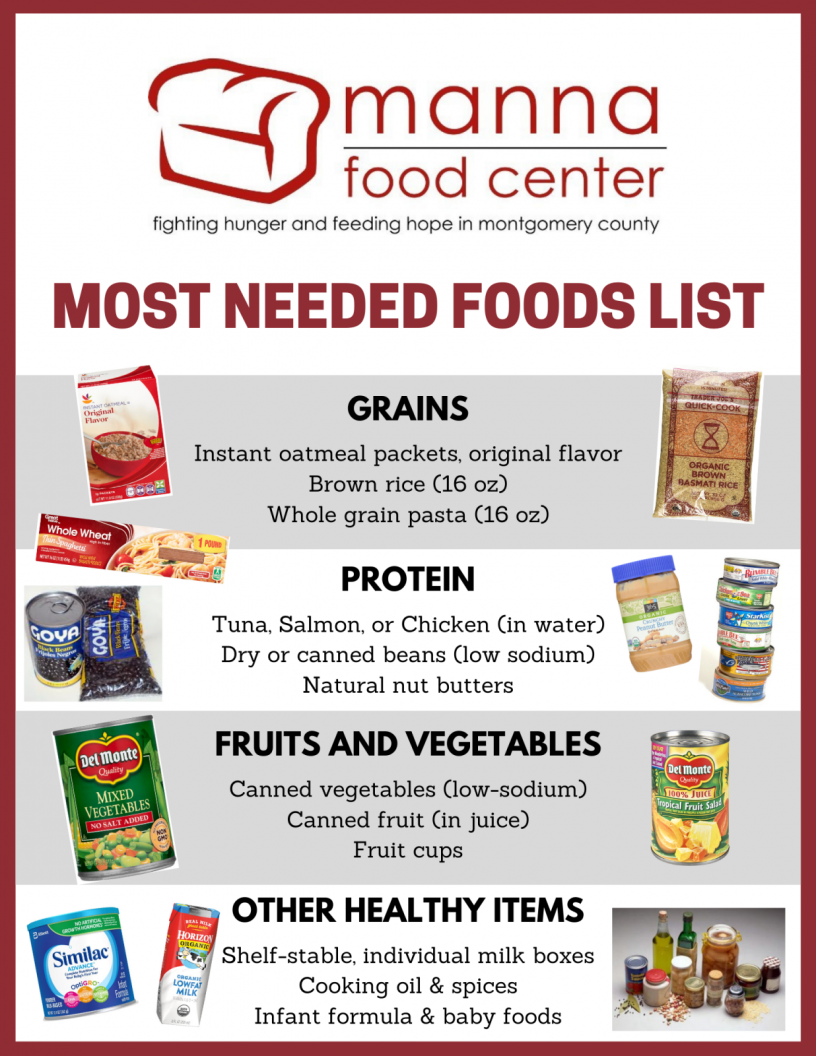
The Myth of the Canned Good
While a can of soup is a tangible unit of aid, it is an inefficient vehicle for institutional support. When donors prioritize physical donations, they inadvertently pass the operational cost of logistics—sorting, warehousing, transporting, and expiration-tracking—onto the organization. From a business finance standpoint, this creates a high “cost-per-unit-delivered.”
Food banks require the flexibility of unrestricted financial capital. Cash allows organizations to leverage their bulk-purchasing power. For every dollar donated to a food bank, the organization can often procure three to five times the amount of food that a retail consumer could buy with that same dollar, thanks to pre-existing partnerships with wholesale distributors and regional growers.

Investing in Infrastructure and Overhead
A common fallacy in charitable giving is the “overhead myth,” where donors equate low administrative spending with high organizational efficiency. In reality, food banks need robust investment in their operational backend to achieve scale. This includes:
- Cold Chain Logistics: The procurement and maintenance of industrial refrigeration units are capital-intensive. Without these assets, food banks cannot distribute fresh produce, dairy, or proteins, which are critical for nutritional security.
- Supply Chain Software: Modern food banks utilize inventory management systems that rival those of mid-sized retail chains. Investing in SaaS platforms that track batch numbers, expiration dates, and distribution patterns is essential for minimizing waste and maximizing turnover.
- Talent Acquisition: To manage complex procurement networks, food banks need personnel with expertise in supply chain management, logistics, and data analytics. Attracting this talent requires competitive salary structures, which are only possible through consistent, unrestricted revenue streams.
Revenue Diversification and Financial Sustainability
Just as a healthy investment portfolio relies on diversification, a food bank’s longevity depends on a multi-pronged financial strategy. Relying solely on seasonal donations creates a “feast or famine” cycle that prevents long-term planning and capital improvement.
The Role of Corporate Partnerships and ESG
Food banks are increasingly positioning themselves as strategic partners for corporations focused on Environmental, Social, and Governance (ESG) criteria. Corporations are looking for verifiable data on how their donations reduce waste and improve community health outcomes. By creating structured, multi-year grant programs, food banks can secure predictable cash flows, allowing them to move beyond reactive operations and toward proactive infrastructure development.
Endowment and Capital Campaigns
To ensure resilience against economic volatility, established food banks are moving toward endowment models. By building a reserve fund, these organizations create an interest-generating safety net. Financial planning for food banks now mirrors private enterprise; the goal is to reach a state where the annual operating costs are partially subsidized by investment income, reducing the pressure to meet aggressive, and often unreliable, donation targets every fiscal quarter.
Data-Driven Resource Allocation
In an era of hyper-connectivity, the most valuable asset a food bank possesses is data. Understanding the velocity of stock turnover and the demographic demands of specific service areas is the key to minimizing operational costs and maximizing service efficiency.
Predictive Analytics in Procurement
Food banks need to invest in data analytics tools that can predict supply and demand cycles. By analyzing local poverty rates, seasonal trends, and external economic markers, an organization can time its procurement to hit the market when prices are at their lowest. This is the application of “just-in-time” inventory management, a strategy borrowed from the manufacturing sector to reduce warehouse bloat and expiration losses.
Digital Payment Integration
The modern donor experience must be as frictionless as an e-commerce transaction. Food banks require integrated payment gateways that support recurring monthly donations. Recurring revenue acts as the “subscription model” for non-profits, providing a steady baseline of cash that allows for accurate budgeting. Furthermore, mobile-first donation platforms remove the friction from the donor journey, capturing micro-donations that, at scale, provide significant liquid capital.
The Shift Toward “Food-as-a-Service”
As food banks professionalize, they are shifting their focus from being mere distributors of goods to being central hubs in the regional food economy. This evolution requires a shift in how stakeholders perceive their financial needs.
Reducing the Cost of Operations through Automation
Technology is the primary lever for reducing overhead. Automated sorting lines, RFID tracking for pallets, and AI-driven route optimization for delivery fleets are not luxuries; they are essential business tools that lower the cost of every pound of food distributed. Funding these technological upgrades should be the primary objective of major capital campaigns. When an organization reduces its logistical cost per unit, its total addressable market of beneficiaries expands exponentially.
Strategic Financial Transparency
To attract significant philanthropic investment—whether from private equity-backed foundations or government grants—food banks must provide transparent financial reporting. This means moving beyond simple “total donation” metrics to reporting on KPIs like “logistical cost per meal,” “waste percentage,” and “impact-per-dollar.” By presenting data in a format recognizable to the business and investment community, food banks can unlock higher tiers of funding that are typically reserved for for-profit ventures.
The Bottom Line
The question of what food banks need is fundamentally a question of business maturation. The industry is moving away from a model of charitable hand-wringing and toward a model of rigorous, data-informed efficiency. To truly solve systemic hunger, food banks require:
- Liquid Cash: To leverage wholesale purchasing power and bypass the inefficiencies of physical goods collection.
- Infrastructure Investment: To upgrade cold storage and logistics technology that minimizes loss and maximizes shelf life.
- Financial Resilience: Through diversified revenue streams, endowments, and recurring donation programs that protect the organization from macroeconomic fluctuations.
- Operational Excellence: Through the adoption of supply chain software and data analytics that treat every donated dollar as a precious asset to be optimized.
In this context, food banks are no longer just repositories for surplus; they are critical, high-performance logistical hubs. For the investor, the donor, and the community member, the most impactful way to support these organizations is to view them not as passive beneficiaries, but as professional operations requiring the same level of financial sophistication, infrastructure, and strategic vision as any high-growth enterprise. The path to eradicating food insecurity is paved with efficient, well-funded, and technologically advanced logistics, supported by a donor base that understands the immense value of unrestricted capital.
aViewFromTheCave is a participant in the Amazon Services LLC Associates Program, an affiliate advertising program designed to provide a means for sites to earn advertising fees by advertising and linking to Amazon.com. Amazon, the Amazon logo, AmazonSupply, and the AmazonSupply logo are trademarks of Amazon.com, Inc. or its affiliates. As an Amazon Associate we earn affiliate commissions from qualifying purchases.