
The hair dryer is a cornerstone of modern grooming technology, yet many users treat its attachments as mere accessories rather than precision engineering components. Among these, the diffuser is perhaps the most misunderstood. While a standard concentrator nozzle is designed to channel airflow into a high-velocity stream for smoothing, the diffuser serves as an essential tool for airflow management and thermodynamic control. Understanding how diffusers function—and why they are vital for hair health—requires a closer look at the physics of air dispersion and heat distribution.
The Engineering Behind Air Dispersion
At the core of the diffuser’s design is the principle of airflow diffusion. When a hair dryer is used without an attachment, the air exits the nozzle in a concentrated, high-pressure column. While effective for rapidly removing surface moisture, this direct blast can disturb the cuticle layer of curly or wavy hair, leading to frizz, heat damage, and a loss of natural curl pattern definition.
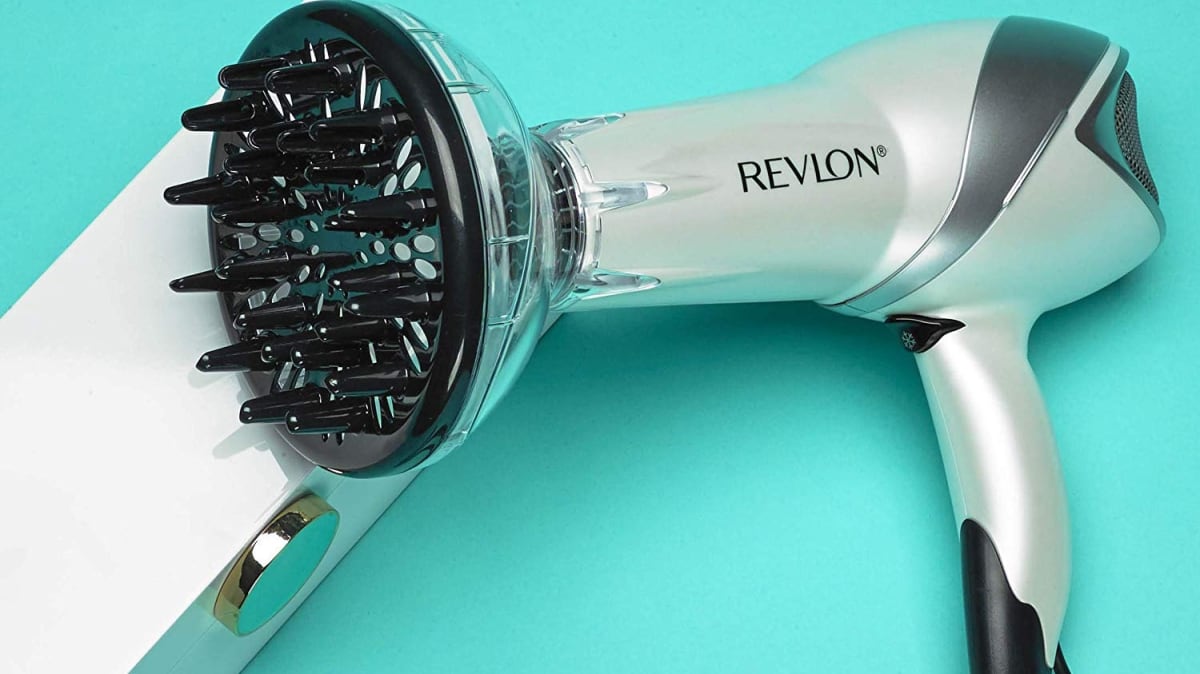
The diffuser functions by intercepting this high-velocity air and breaking it down into multiple, low-velocity streams. The bowl-shaped structure of the diffuser acts as a plenum chamber, allowing air to swirl and lose kinetic energy before passing through the small perforations or “prongs” on the face of the device. This reduction in air velocity is critical. By lowering the mechanical force applied to the hair, the diffuser prevents the “windblown” effect that occurs when hair is buffeted by a direct, high-pressure stream.
Furthermore, the prongs are not merely structural; they are designed to penetrate the hair mass. By lifting the hair away from the scalp and allowing the air to reach the roots and mid-lengths simultaneously, the diffuser facilitates a more uniform evaporation process. This eliminates the need to manually rake through hair with a brush while drying, which is a common cause of mechanical breakage in textured hair types.
Thermodynamic Efficiency and Heat Management
One of the most significant technological advantages of using a diffuser is its ability to modulate the thermal impact of the dryer. In professional and consumer hair dryers, the heating element is situated close to the exit point. Without an attachment, the temperature of the air at the point of contact can be intense, potentially reaching levels that compromise the protein structure of the hair shaft.
The diffuser acts as a heat sink and a buffer zone. By expanding the volume of space the air occupies before it reaches the hair, the diffuser encourages better mixing with the ambient air in the room. This process, known as entrainment, effectively lowers the temperature of the air stream exiting the diffuser compared to the air exiting a bare dryer nozzle.
This thermal regulation is crucial for preserving the integrity of keratin bonds. When hair is subjected to sudden, intense heat, the moisture inside the cortex can boil, creating tiny bubbles that weaken the hair structure—a phenomenon often referred to as “bubble hair.” By gently warming the hair over a longer period rather than flash-drying it with concentrated heat, the diffuser allows for a safer, more controlled evaporation of water. This is particularly important for individuals who utilize hair dryers with high-wattage motors, as these devices are capable of reaching temperatures that can quickly exceed the thermal threshold of delicate hair fibers.

Optimizing Volume and Texture Retention
Beyond the physics of air and heat, the diffuser is a master of structural aesthetics. It is designed to manipulate the hair’s volume by leveraging the natural tendencies of wavy and curly textures.
Managing the Curly Hair Pattern
For those with curly or coily hair, gravity is often the enemy of volume. When hair is left to air dry, the weight of the water pulls the curl downward, causing the root area to lie flat against the scalp. The diffuser allows the user to “scrunch” the hair into the bowl, lifting the strands toward the scalp. As the air dries the hair in this lifted, compressed position, the curls set in a way that maximizes height and root volume. Because the airflow is gentle, it does not blow the curls apart, ensuring that the natural ringlets remain intact and defined.
Precision Styling and Cuticle Smoothing
While often associated exclusively with curls, diffusers are also used by stylists to maintain specific textures in fine or wavy hair that might otherwise look stringy. By drying the hair from the roots up through the diffuser’s fingers, the user creates a cushion of air that supports the hair strands. This prevents the hair from collapsing under its own weight as it dries. Furthermore, because the diffuser is used in a circular or “hovering” motion around the head, it prevents the aggressive tangling that happens when a user attempts to dry hair by moving it around with their hands or a brush.
The Role of Material Science in Attachment Performance
Modern diffuser attachments are no longer simple plastic molds; they are the result of rigorous testing in aerodynamics and material science. Manufacturers pay close attention to the thermal conductivity of the materials used. A high-quality diffuser is often constructed from heat-resistant polymers that do not warp or degrade when exposed to the high temperatures generated by professional-grade heating elements.
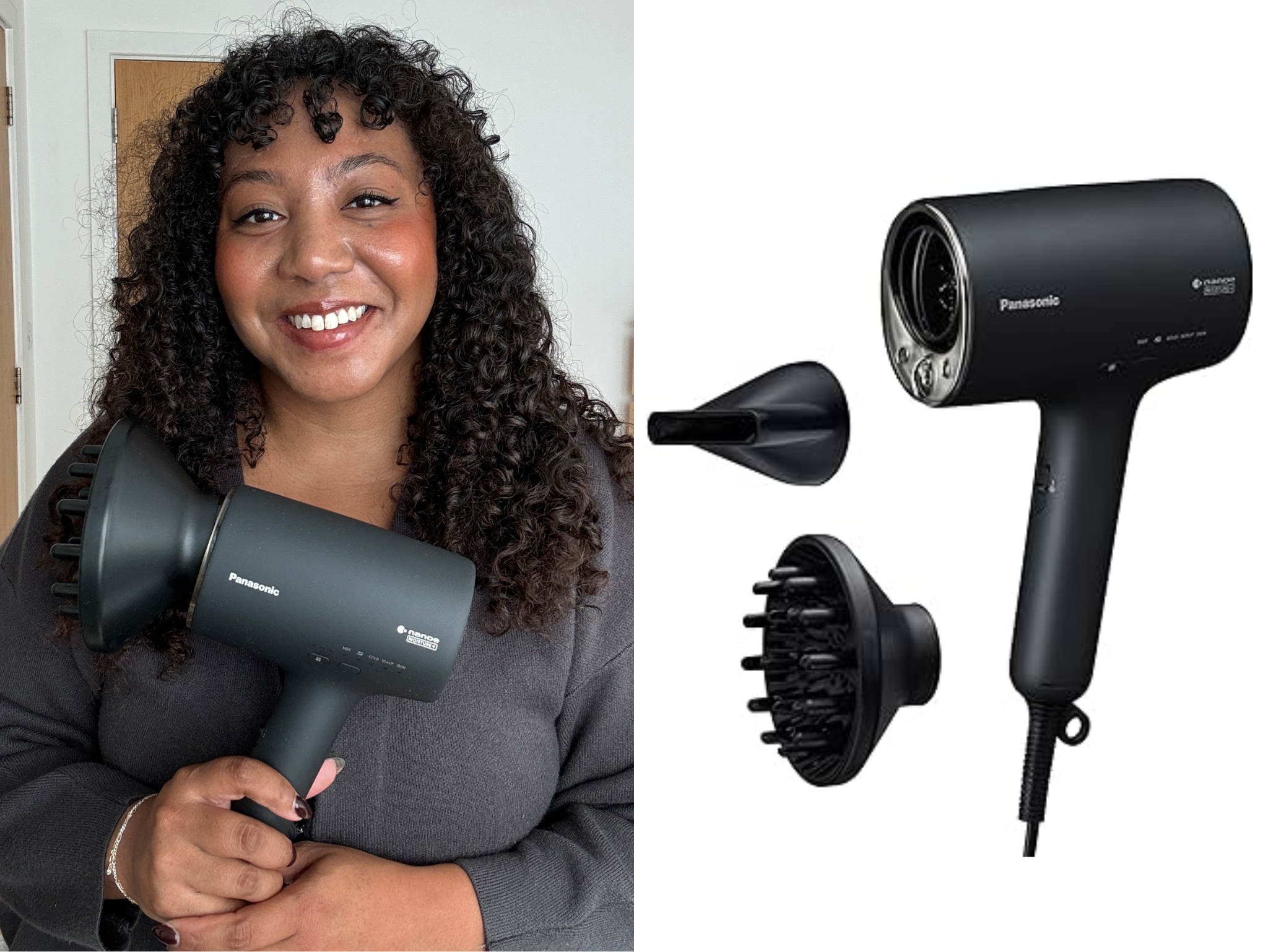
Some premium dryers now feature “magnetic” diffusers or locking mechanisms designed to ensure that the airflow remains perfectly centered. Misalignment between the nozzle of the dryer and the base of the diffuser can lead to uneven air pressure, where one side of the attachment blows significantly harder than the other. This creates an inconsistent drying experience that can lead to frizz on one side of the head while the other remains damp. The move toward integrated locking systems represents a trend in the appliance industry toward ensuring that the user’s experience is as consistent as the technology allows.
Additionally, some advanced models incorporate ceramic or tourmaline coatings within the diffuser itself. These materials are engineered to emit far-infrared heat. Unlike conventional heat, which warms the air around the hair, infrared heat penetrates the cuticle to warm the hair shaft from the inside out. When combined with the diffusion of air, this creates a dual-action system: the diffuser manages the airflow velocity while the infrared technology ensures that moisture is evaporated evenly across the surface of the hair, leading to a smoother, shinier finish.
Integrating Diffusers into Professional and Personal Regimes
The efficacy of a diffuser ultimately relies on proper technique, which is a blend of hardware awareness and hair science. For optimal results, users are encouraged to maintain a “hovering” technique before moving to a “scrunching” technique. Hovering involves keeping the diffuser at a distance of a few inches from the scalp, allowing the warm, dispersed air to create a gentle, drying environment. Once the hair is approximately 50% dry, the user can then transition to the scrunching method to encourage curl formation.
In the professional salon environment, the diffuser is an indispensable tool for achieving consistent results across a wide range of hair types. It is the primary instrument used to create “lived-in” textures that look effortless yet remain controlled. By understanding that a diffuser is not simply an “add-on” but a critical component of the hair dryer’s thermodynamic system, users can significantly extend the longevity of their styles and, more importantly, protect the long-term health of their hair. The technology behind these attachments continues to evolve, focusing on reducing mechanical stress and optimizing heat distribution, proving that the most effective grooming routines are those supported by the best-engineered tools.
aViewFromTheCave is a participant in the Amazon Services LLC Associates Program, an affiliate advertising program designed to provide a means for sites to earn advertising fees by advertising and linking to Amazon.com. Amazon, the Amazon logo, AmazonSupply, and the AmazonSupply logo are trademarks of Amazon.com, Inc. or its affiliates. As an Amazon Associate we earn affiliate commissions from qualifying purchases.