
The heavy-duty transportation and logistics industry serves as the backbone of the global economy. From cross-country freight shipping and construction projects to agricultural operations and public transit, our world moves on diesel power. At the heart of this massive infrastructure are diesel mechanics—the highly skilled technicians responsible for keeping these engines running reliably and efficiently. If you are considering a career in this field, or if you are looking to pivot into a high-demand trade, understanding the financial landscape is essential. Diesel mechanics enjoy a career path characterized by high job security and significant income potential, though the actual paycheck is influenced by a complex array of factors.
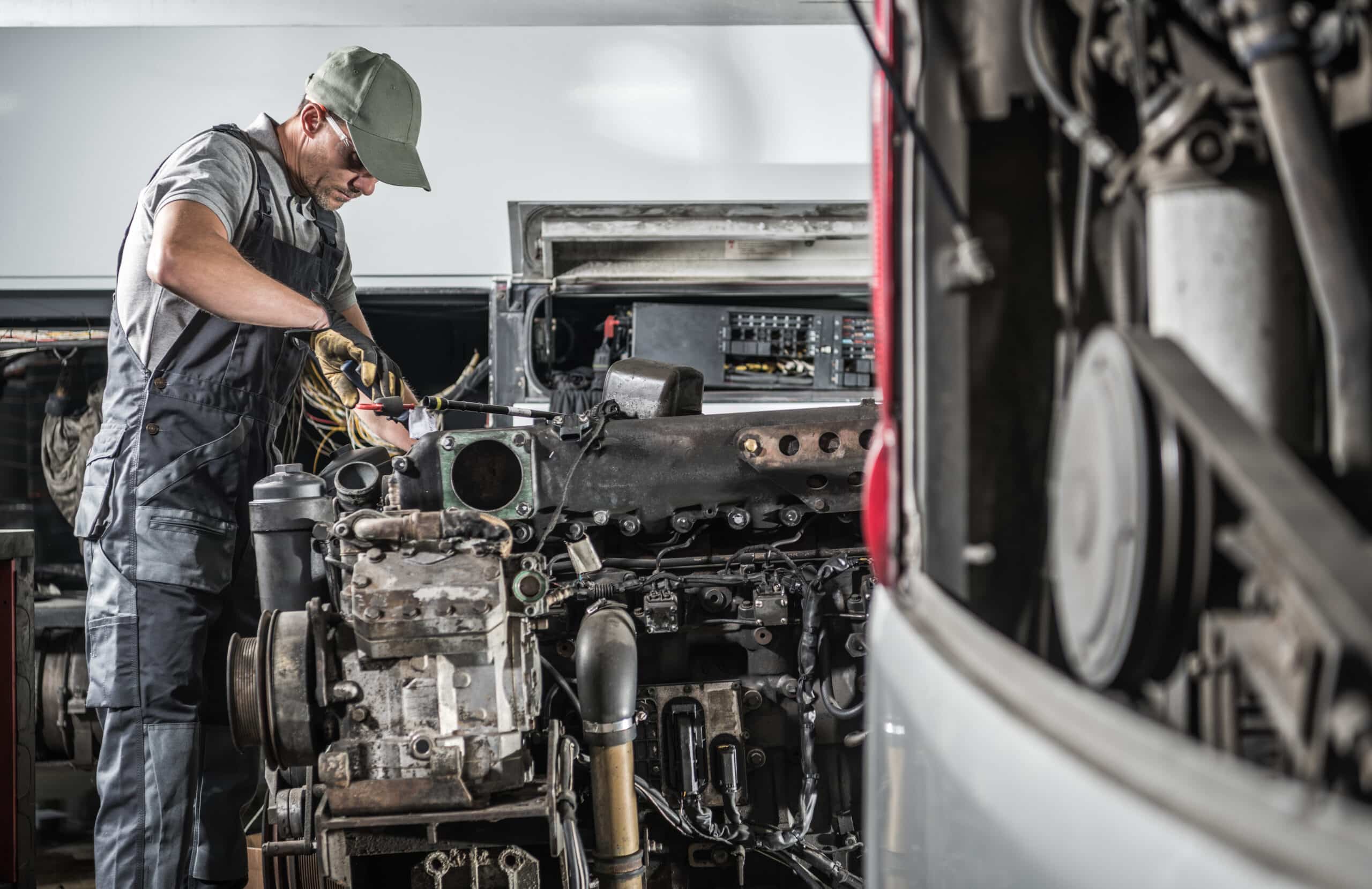
Understanding the Earning Potential of Diesel Mechanics
When evaluating what a diesel mechanic makes, it is important to distinguish between base hourly wages and total compensation packages. While entry-level technicians start at a competitive rate, the profession offers a clear trajectory toward high-six-figure earning potential for those who invest in certifications and specialized training.
Base Salaries and Hourly Trends
On average, diesel mechanics in the United States earn between $50,000 and $75,000 annually. However, this figure is a national aggregate that often masks the reality of top-tier earners. Experienced master technicians working in specialized sectors—such as maritime, mining, or specialized heavy equipment repair—frequently see salaries exceeding $90,000 or even $100,000 per year.
In many workplaces, mechanics are paid on an hourly basis. Entry-level positions typically start in the $20 to $25 per hour range, depending on geographic location and the size of the company. As a technician gains experience and masters more complex diagnostic software and mechanical systems, their hourly rate can climb significantly. Many employers also offer overtime pay, which is a major factor in this industry. Given the critical nature of heavy machinery, when a truck or crane breaks down, time is money. This constant demand for repair often results in plentiful overtime hours, which can bolster a technician’s annual income by thousands of dollars.
The Impact of Certification and Specialization
Not all diesel mechanics are created equal in the eyes of an employer. The primary driver of income growth in this trade is the acquisition of industry-recognized certifications. The National Institute for Automotive Service Excellence (ASE) offers a specific certification series for Medium-Heavy Truck Technicians. Mechanics who hold multiple ASE certifications, particularly in areas like advanced electronics, drivetrain systems, and diesel engine repair, are consistently prioritized for higher pay grades.
Furthermore, specialization is a shortcut to higher wages. A general mechanic can perform oil changes and basic repairs, but a specialized technician—one who understands complex hydraulics, electronic control modules (ECMs), and emission compliance systems—is significantly more valuable. Those who work on specialized equipment, such as emergency generators, underground mining rigs, or high-end marine engines, often command a premium because these roles require a deeper, more niche knowledge base that is difficult for employers to source.
Geographic and Industry Variables
Income for diesel mechanics is highly sensitive to the local cost of living and the specific industry vertical in which the mechanic is employed. A technician working in a small, rural repair shop will see a different paycheck than a technician working for a major fleet carrier or a municipal transit department in a high-density urban center.
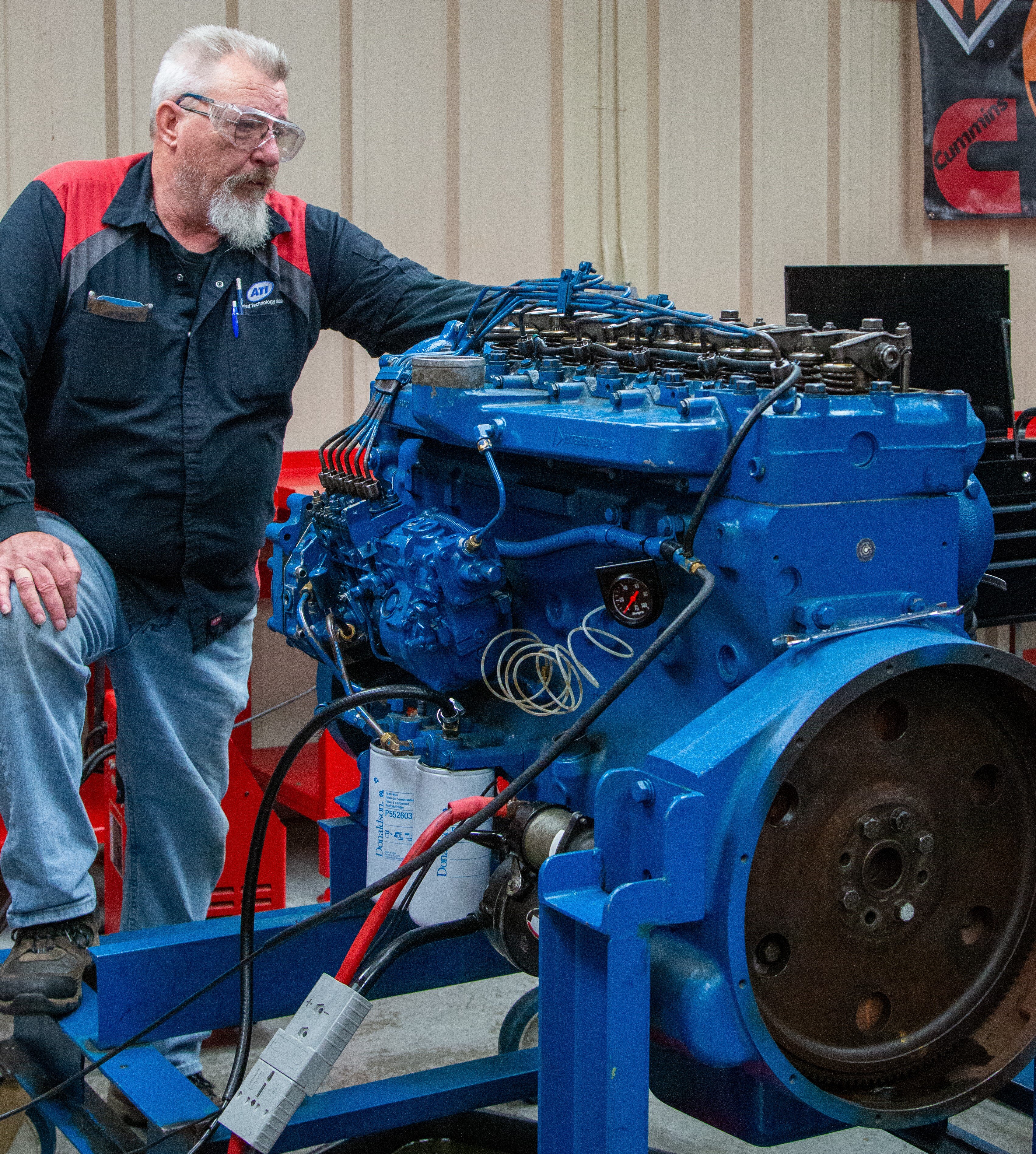
Geographic Pay Disparities
Location is one of the most critical factors influencing a technician’s take-home pay. States with high concentrations of logistics hubs, large construction projects, or energy extraction operations typically pay higher wages to attract talent. For instance, diesel mechanics in states like Alaska, Washington, and California often see higher base pay rates to account for both the local cost of living and the increased demand for skilled labor in those regions. Conversely, in regions with lower costs of living, the absolute dollar amount may be lower, but the purchasing power of that salary may remain competitive.
Industry Verticals and Employer Types
The type of employer you choose determines the structure of your compensation:
- Fleet Maintenance: Working for a major logistics company means consistent work, standardized training, and often, better benefits packages. Fleet mechanics are the backbone of supply chains and are highly valued for their ability to keep a company’s assets moving.
- Dealerships: Working for a dealership—such as Freightliner, Peterbilt, or Mack—usually provides access to the latest diagnostic tools and manufacturer-specific training. While the pressure to meet “flat rate” or billable hour quotas can be high, the earning potential for highly efficient mechanics in a dealership environment is often among the highest in the industry.
- Government and Municipal Work: Public sector roles, such as repairing buses for a city transit authority or maintaining municipal construction equipment, often provide stability and excellent retirement benefits. While the base salary might start lower than in the private sector, the value of the benefits package—pensions, health insurance, and paid time off—often balances the total compensation to be highly attractive.
Maximizing Earnings: The Path to Six Figures
For those aiming to reach the top of the pay scale, the strategy involves more than just showing up and turning a wrench. It requires a commitment to lifelong learning and the development of a professional brand within the industry.
Investing in Ongoing Training
The diesel industry is undergoing a massive technological shift. Modern engines are no longer just mechanical beasts; they are sophisticated, computer-controlled systems. Mechanics who can navigate CAN bus networks, perform software updates on engine control units, and troubleshoot complex sensor arrays are in extremely short supply. Employers are willing to pay a premium for technicians who can bridge the gap between traditional mechanical repairs and digital diagnostics.
Investing in your own education—whether through manufacturer-sponsored training programs or technical colleges—is the fastest way to increase your value. Many employers will actually pay for you to gain these certifications, seeing it as an investment in their own operational efficiency.
Developing Soft Skills and Professionalism
One of the most overlooked factors in income growth is the development of soft skills. The highest-paid mechanics are not just those who fix engines the fastest; they are the ones who communicate effectively with fleet managers, mentor junior technicians, and maintain a high level of organization.
Efficiency is the name of the game. If you work in a shop that utilizes a flat-rate pay structure, the amount of money you make is directly tied to how quickly and accurately you can diagnose and fix issues. A mechanic who stays organized, keeps their tools in order, and manages their time effectively will always outperform a disorganized counterpart, regardless of base salary. Furthermore, establishing a reputation as a “problem solver” rather than a “parts changer” ensures that you are the last person management will want to lose—which puts you in a powerful position when it comes time for salary negotiations.
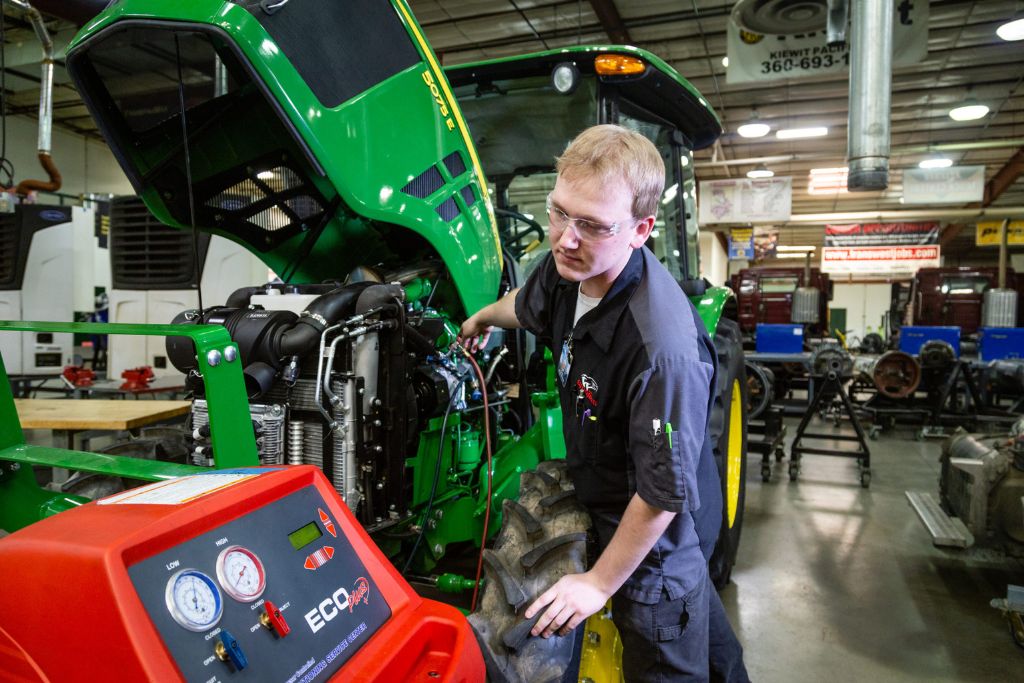
Strategic Career Management
Finally, don’t be afraid to leverage your experience. After three to five years of building a strong track record, it is often necessary to re-evaluate your current employer. If your salary has stagnated while your skills have grown, it may be time to seek an employer who recognizes your worth. High-level diesel mechanics are consistently in high demand, and companies are frequently willing to offer sign-on bonuses, relocation assistance, or significantly higher hourly rates to attract seasoned talent from competitors. By treating your career as a strategic asset rather than just a job, you can ensure that your income continues to rise in step with your expertise, ultimately securing a prosperous financial future in this essential trade.
aViewFromTheCave is a participant in the Amazon Services LLC Associates Program, an affiliate advertising program designed to provide a means for sites to earn advertising fees by advertising and linking to Amazon.com. Amazon, the Amazon logo, AmazonSupply, and the AmazonSupply logo are trademarks of Amazon.com, Inc. or its affiliates. As an Amazon Associate we earn affiliate commissions from qualifying purchases.