
The visual language of our roadways is a sophisticated system of communication designed to regulate the chaotic potential of vehicular traffic. Among the most fundamental elements of this system are pavement markings—specifically, broken white lines. While these stripes may seem like mere aesthetic divisions of asphalt, they serve as critical navigational signals for drivers. Understanding exactly what these markings indicate is essential for road safety, traffic flow efficiency, and legal compliance. Whether you are navigating a multi-lane highway or a quiet arterial road, the specific pattern of broken lines dictates the legality of maneuvers such as lane changes and overtaking.
The Regulatory Function of Broken White Lines
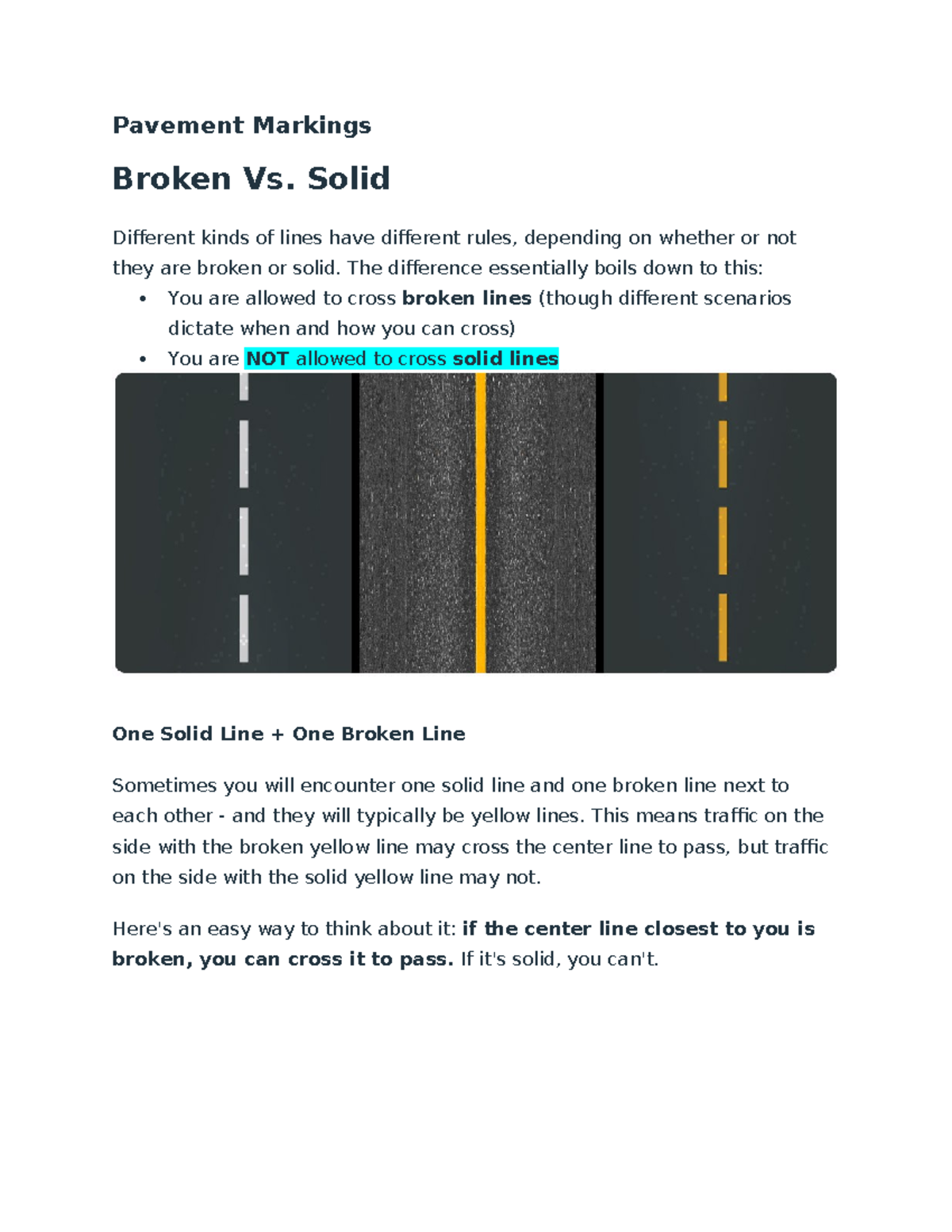
At its core, a broken white line acts as a directional guide. It serves to separate lanes of traffic traveling in the same direction. When you see a dashed white line, the primary message is that you are operating within a multi-lane roadway where traffic flow is unidirectional. Unlike solid lines, which are intended to restrict movement and discourage lane changes, the broken line is explicitly designed to offer flexibility.
Lane Discipline and Flow
The primary purpose of these markings is to maintain lane discipline. By segmenting the road into designated channels, traffic engineers ensure that vehicles can move at varying speeds without causing unnecessary bottlenecks. The “broken” nature of the line indicates that the barrier between these lanes is permeable. Drivers are permitted to cross these lines to overtake slower vehicles, merge into different lanes for upcoming exits, or adjust their position based on traffic volume.
Predictability and Safety
Predictability is the cornerstone of road safety. When every driver understands that a broken line represents a permissive zone for lane changes, the overall system becomes more synchronized. It reduces the likelihood of sudden, unexpected lateral movements that could lead to sideswipe collisions. By providing a clear visual cue that movement between lanes is allowed, these markings facilitate a more orderly transition, allowing drivers to plan their maneuvers with confidence.
Distinguishing Between Markings: Broken vs. Solid Lines
One of the most common sources of confusion for new and experienced drivers alike is the distinction between various line types. While a broken white line allows for lane changes, a solid white line signifies that lane changes are discouraged or prohibited. Understanding the nuance between these two is critical for adhering to traffic laws and maintaining road safety.
The Significance of Solid Lines
In many jurisdictions, a solid white line indicates that you should stay within your lane. While often treated as a suggestion in light traffic, they are frequently placed in high-risk areas, such as near intersections, tunnels, or sharp curves, where changing lanes could be dangerous. When the broken line transitions into a solid white line, the visual message is clear: the opportunity to maneuver is closing. Crossing a solid line in these areas may not only be hazardous but could also result in traffic citations depending on local regulations.
The Hybrid Approach
Roadway designers often use a combination of these lines to manage complex traffic patterns. For instance, you might encounter a “dotted” line that is much shorter and more frequent than a standard broken line. These are often used near highway off-ramps or intersections to signal that a lane is ending or that a specific lane is reserved for turning. Recognizing these variations allows a driver to anticipate the changing demands of the road before they become a hazard.
Contextual Nuances: When Broken Lines Change Meaning
The meaning of a broken line can shift slightly depending on the color and the specific environment in which it is placed. While white broken lines are standard for separating same-direction traffic, the application of these markings can change when traffic conditions become more complex or when lanes serve dual purposes.
High-Occupancy Vehicle (HOV) and Transit Lanes
In some urban environments, broken lines are used to demarcate specialized lanes, such as HOV lanes or bus-only corridors. While the line may remain broken, it is often paired with symbols—such as a diamond—or signage that mandates specific requirements for entering the lane. In these instances, the broken line indicates that lane changing is allowed, but only if the driver meets the specific criteria for that lane. Ignoring the intent of the markings in these scenarios can lead to heavy fines and the disruption of public transit efficiency.
Passing Zones on Two-Way Roads
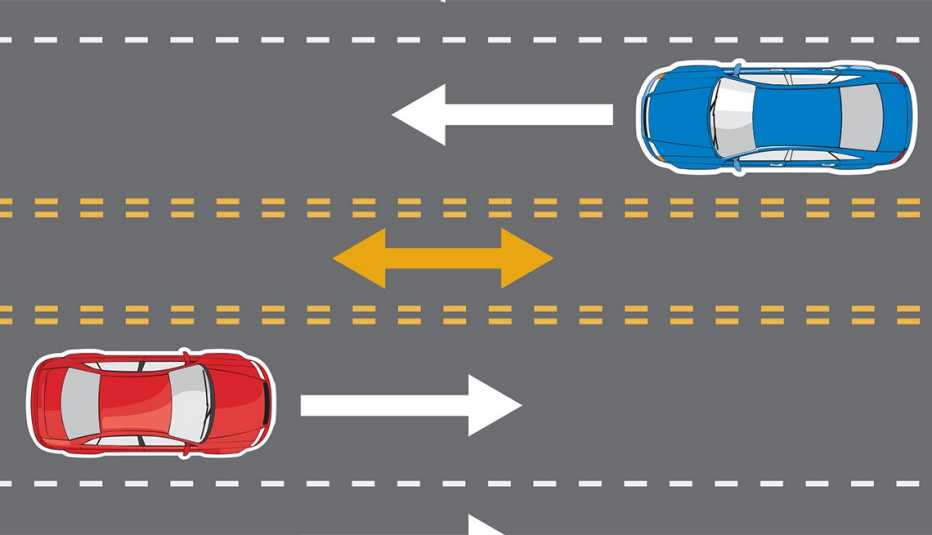
While white lines typically separate same-direction traffic, broken yellow lines are used to separate opposing lanes of traffic. A broken yellow line indicates that you are on a two-way road and that passing is permitted, provided that the way is clear of oncoming traffic. This is a crucial distinction. A driver must never mistake a broken white line for a broken yellow line. Crossing a broken white line is a lateral movement within a unidirectional flow, whereas passing over a broken yellow line involves entering a zone of potential conflict with oncoming vehicles.
The Role of Pavement Markings in Future Traffic Systems
As we look toward the future of transportation, pavement markings are becoming more than just a guide for human eyes; they are becoming essential infrastructure for machine vision. Autonomous vehicles and advanced driver-assistance systems (ADAS) rely heavily on these markings to maintain lane centering and execute safe lane changes.
Machine Vision and Lane Keeping
Modern software utilizes high-resolution cameras to detect the edges of lanes by identifying the contrast between the asphalt and the painted lines. A broken white line provides the necessary “data points” for an AI system to calculate the boundaries of the drivable surface. If these markings are faded or poorly maintained, the effectiveness of lane-keeping assist technologies diminishes significantly. Consequently, the clarity and placement of broken lines are now subject to higher standards of engineering to support the evolution of smart vehicle technology.
Adapting to Dynamic Infrastructure
We are beginning to see the implementation of “smart” road markings—integrated LEDs or high-visibility reflective materials—that can change based on real-time traffic data. Imagine a broken line that shifts to a solid line during peak rush hours to force traffic to stabilize, only to revert to a broken line when traffic volume is low. As technology advances, the physical lines on the road will continue to serve as the primary interface between human intuition, automated software, and the physical constraints of the highway.
Best Practices for Navigating Broken Lane Markings
Mastering the road requires more than just knowing what a line means; it requires a disciplined approach to how you interact with these visual indicators. Even when the law allows for a lane change across a broken line, the burden of safety remains with the driver.
The Importance of Signaling
A broken line is an authorization to move, but it is not a command. Before crossing, a driver must ensure the move is safe. This begins with the signal. Signaling your intent well in advance communicates to other drivers your desire to move into the adjacent lane, allowing them to adjust their speed or distance accordingly. Even if the lane appears clear, the act of signaling reinforces predictable behavior, which is the primary goal of the entire traffic marking system.
Blind Spots and Peripheral Awareness
The flexibility offered by broken lines can sometimes lead to complacency. Drivers may be tempted to weave in and out of traffic unnecessarily. To maximize the safety benefits of these markings, always perform a shoulder check to clear your blind spot before committing to a lane change. Just because the pavement markings permit the move doesn’t mean the surrounding traffic environment supports it. Maintaining a 360-degree awareness of your surroundings ensures that you use the “permissive” nature of the broken line as a tool for efficient driving, rather than a justification for risky behavior.
Respecting the Transition
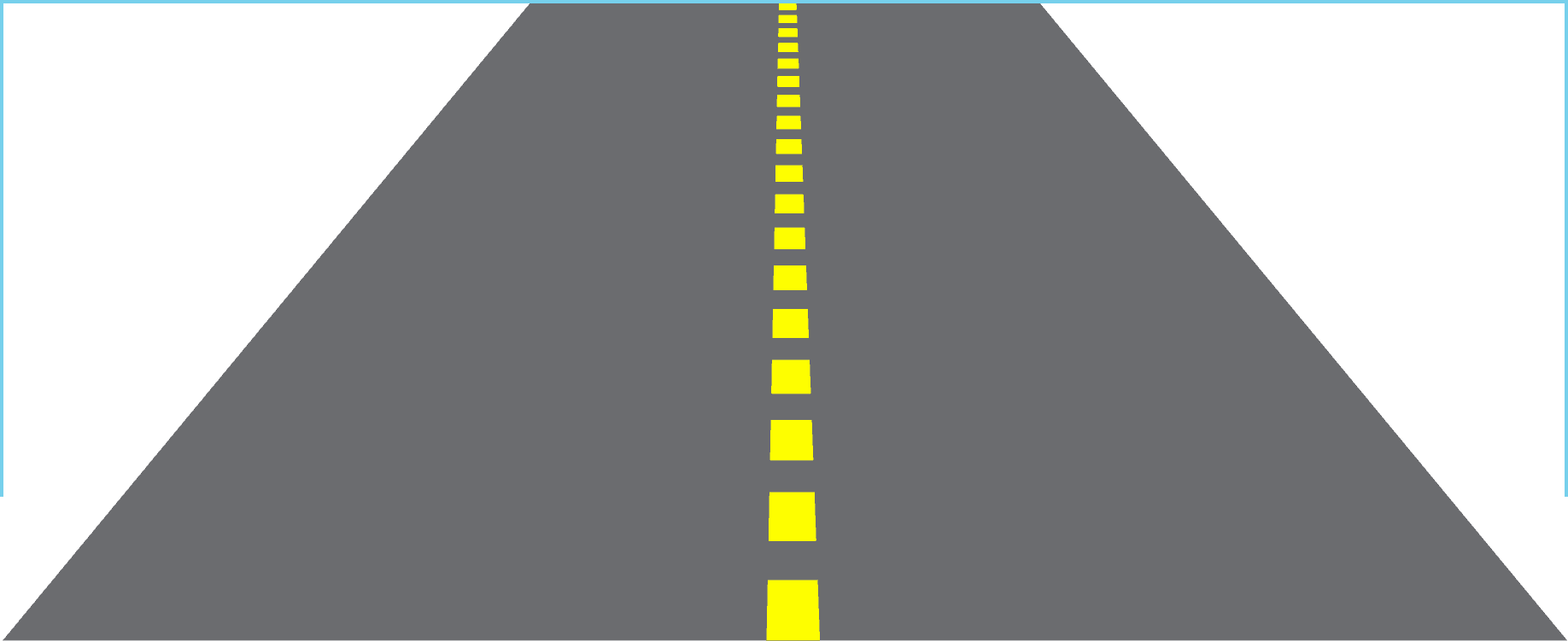
Finally, always observe how the markings transition. If a broken line starts to widen or the gaps become shorter, it is a signal that you are approaching an area where lane changes should be minimized. Respecting these subtle visual transitions prevents last-minute lane changes, which are a leading cause of highway congestion and collisions. By paying close attention to the visual language of the road, you contribute to a safer, more efficient journey for everyone on the road.
In conclusion, broken line pavement markings are the heartbeat of orderly traffic movement. They provide the necessary structure to balance individual mobility with collective safety. By understanding that these markings serve as a permissive, yet regulated, guide for lane transitions, drivers can navigate the road with greater precision, confidence, and adherence to the unspoken rules that keep our transportation systems functioning at their best.
aViewFromTheCave is a participant in the Amazon Services LLC Associates Program, an affiliate advertising program designed to provide a means for sites to earn advertising fees by advertising and linking to Amazon.com. Amazon, the Amazon logo, AmazonSupply, and the AmazonSupply logo are trademarks of Amazon.com, Inc. or its affiliates. As an Amazon Associate we earn affiliate commissions from qualifying purchases.