
The Legacy of a Creative Empire: Branding Beyond the Page
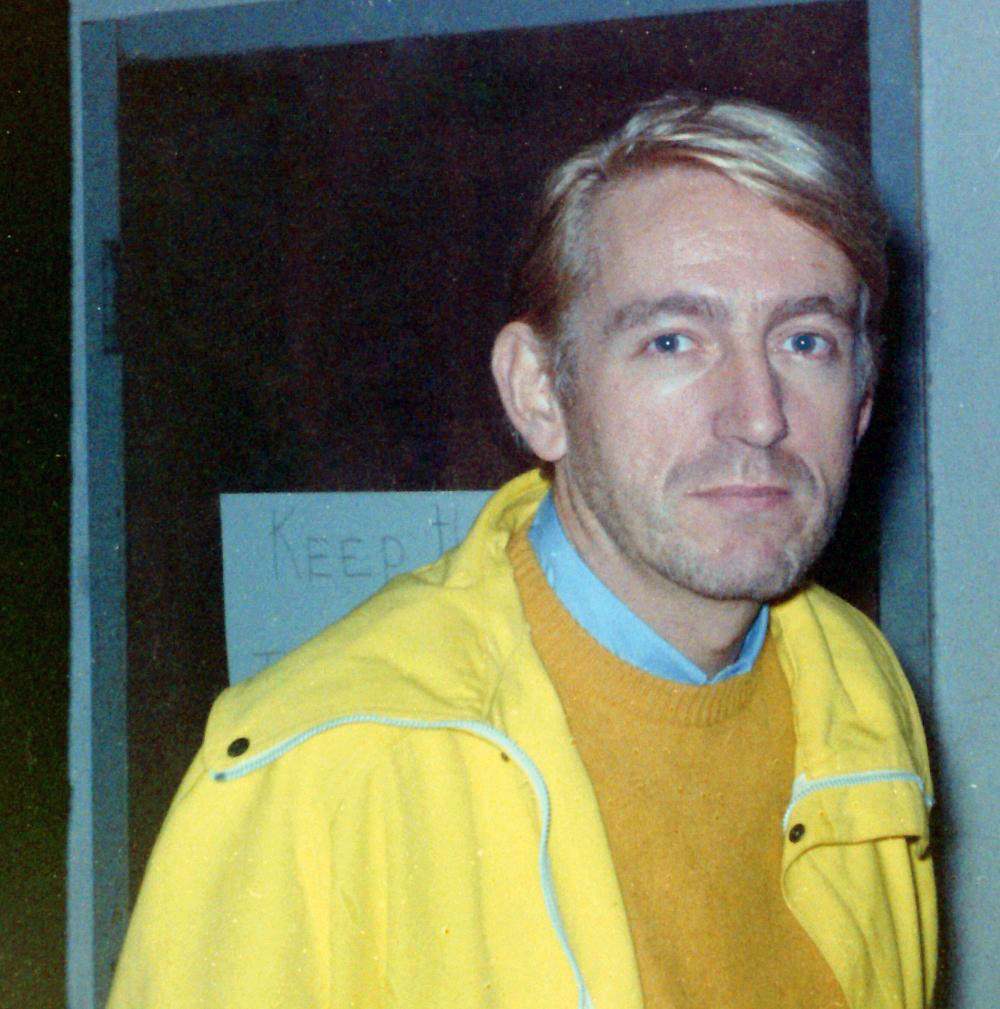
Rod McKuen was not merely a poet, singer, and songwriter; he was a masterclass in personal branding. During the height of his career in the 1960s and 70s, he achieved a level of commercial success that few artists in the literary world have ever replicated. While many poets struggled to find a niche, McKuen understood that a name could become a brand, a lifestyle, and a commodity. Understanding the circumstances surrounding his death often leads fans to look back at the mechanics of his life—a life built on the strategic architecture of personal identity.

In the world of professional branding, McKuen remains a pivotal case study. He moved away from the inaccessible nature of academic poetry and leaned into themes of universal loneliness, love, and the human condition. By packaging these emotions into accessible prose, he created a “McKuen-esque” aesthetic. This wasn’t accidental; it was a deliberate strategy to market himself to a mass audience. To analyze his life and the legacy he left behind is to analyze how an individual constructs a corporate-like identity that transcends the specific medium of their craft.
Defining the Personal Brand: Authenticity as Market Strategy
The endurance of a personal brand relies on the strength of its narrative arc. McKuen’s rise from a troubled youth to an internationally recognized cultural icon provides a blueprint for what we now identify as personal storytelling in digital marketing. He sold “vulnerability” as a product. In the modern era, influencers and thought leaders attempt to mimic this by sharing curated snippets of their lives to build trust and affinity with their audience.
The Power of Multi-Platform Presence
Long before the internet facilitated cross-platform branding, McKuen was a pioneer of the multi-channel approach. He wasn’t just a poet; he was a songwriter for Frank Sinatra, a composer of film scores, and a record-breaking recording artist. By saturating the cultural landscape with his work, he ensured that the “Rod McKuen” brand existed in bookstores, record shops, and movie theaters simultaneously. This is the 20th-century equivalent of an omnichannel marketing strategy.
Emotional Resonance and Targeted Demographics
McKuen understood his demographic perfectly. He didn’t chase the cynical critic; he built his kingdom on the hearts of the everyday person who felt understood by his words. In modern business terms, he identified his “ideal client profile” and tailored his messaging to speak directly to their pain points—in his case, the pain of isolation and the desire for connection. His ability to maintain this connection over decades is why his brand survived long after the initial hype subsided.
Managing the Corporate Identity: From Poet to Enterprise
When one examines the business side of Rod McKuen’s career, the lines between “artist” and “entrepreneur” blur significantly. His publishing ventures and the management of his musical copyrights were handled with the precision of a corporate entity. This brings up an essential lesson for modern professionals: your creative output is an asset, and like any other asset, it requires a strategy for preservation and growth.
Intellectual Property and Long-Term Value
McKuen’s focus on intellectual property was ahead of his time. He recognized early on that the value of his work was not just in its creation, but in its ownership and licensing. For the contemporary freelancer or creator, this is a cornerstone of financial stability. Whether you are building a personal brand on social media or launching a software-as-a-service (SaaS) product, the legal and strategic control of your assets is what determines the longevity of your brand.
The Role of Public Perception in Brand Equity
The public narrative surrounding his death—that he passed away in 2015 from respiratory arrest and complications from pneumonia—highlights the finality of a human life, but it also prompts a look at “Brand Succession.” How does an entity continue to perform once the founder is gone? McKuen’s estate and the preservation of his archives serve as a lesson in continuity. For brands, the goal is to create an identity so strong that it remains recognizable and relevant, even as the people behind it shift.
Lessons for the Modern Brand Architect
In reflecting on the life and death of such a prominent figure, we are forced to evaluate our own professional trajectories. What are we building, and how will it be perceived once our active involvement ceases? The McKuen model offers several takeaways for those navigating the landscape of personal and corporate branding today.
The Consistency Trap
One of the dangers of a powerful personal brand is the “consistency trap.” McKuen was often criticized by literary elites because his work was too accessible, too commercial. He chose to ignore the critics to serve his base. Modern brand builders must make this same calculation: are you building for the approval of your peers, or for the engagement of your audience? The most successful brands usually choose the latter.
Adapting to the Digital Era
If McKuen were active today, his mastery of mass media would undoubtedly translate to a sophisticated digital strategy. He would likely leverage SEO, direct-to-consumer email marketing, and intimate digital communities to maintain his connection with his audience. The tools have changed—from vinyl records and hardbound books to podcasts, newsletters, and social media algorithms—but the psychology of influence remains identical.
Crafting a Lasting Legacy
Ultimately, a brand is a promise. It is the expectation of quality and emotional resonance that a customer has when they see your name. McKuen’s name became synonymous with a specific feeling. For the entrepreneur or professional, the objective is to imbue your own work with that same sense of clarity.

Final Reflections: The Business of Being Human
The search for the facts regarding how Rod McKuen died—respiratory failure following a long struggle—serves as a reminder that every individual, no matter how iconic their personal brand, is ultimately human. Yet, the work they leave behind, the systems they put in place, and the brand identity they cultivated can achieve a form of immortality.
As you move forward in your own professional life, consider the McKuen trajectory. Did he maximize his influence? Did he protect his assets? Did he provide value to his chosen audience? The answers to these questions define his success as a brand. In the digital age, we have more tools than ever to replicate this success, but the foundational principles remain the same: identify your niche, speak to the emotional needs of your audience, manage your assets with strategic intent, and remain consistent in your delivery.
Whether you are building a corporate entity or a personal brand, the end goal is to create something that provides value long after your initial contribution. Rod McKuen’s career was not just a collection of poems; it was a business of emotions. He turned his personal voice into a commercial enterprise, proving that with enough focus and strategic alignment, a brand can resonate across generations. His death marked the end of a physical life, but his brand continues to be a case study for those looking to turn their own talents into an enduring legacy of influence and, ultimately, success.
aViewFromTheCave is a participant in the Amazon Services LLC Associates Program, an affiliate advertising program designed to provide a means for sites to earn advertising fees by advertising and linking to Amazon.com. Amazon, the Amazon logo, AmazonSupply, and the AmazonSupply logo are trademarks of Amazon.com, Inc. or its affiliates. As an Amazon Associate we earn affiliate commissions from qualifying purchases.