
For investors, analysts, journalists, and even curious consumers, knowing when a titan like Amazon reports its quarterly earnings is akin to knowing the date of a major economic announcement. These events are not merely procedural disclosures; they are pivotal moments that can shift market sentiment, provide deep insights into consumer behavior, and offer a transparent look into the operational health and strategic direction of one of the world’s most influential companies. Amazon’s earnings calls, in particular, are keenly watched, given the company’s pervasive reach across e-commerce, cloud computing, digital advertising, and numerous other sectors. Understanding the timing and significance of these calls is fundamental for anyone looking to make informed financial decisions or comprehend the broader economic landscape Amazon impacts.

An earnings call is a teleconference or webcast hosted by a public company to discuss its financial results for a specific quarter or fiscal year. Typically, senior management, including the CEO and CFO, present key figures, operational highlights, and future guidance, followed by a question-and-answer session with financial analysts and institutional investors. For a company of Amazon’s magnitude (NASDAQ: AMZN), these calls are a high-stakes event, revealing not just the company’s performance but often setting the tone for entire sectors. This article will guide you through understanding Amazon’s earnings calendar, what to expect during these crucial calls, why they matter, and how to effectively analyze the information presented.
Understanding the Amazon Earnings Calendar
Publicly traded companies like Amazon operate on a strict reporting schedule dictated by regulatory bodies and market expectations. Adhering to this calendar is a core aspect of maintaining transparency and investor confidence.
The Quarterly Rhythm of Reporting
Amazon, like most U.S. public companies, reports its financial results on a quarterly basis. Each fiscal quarter culminates in an earnings report and an accompanying call. While the exact dates vary slightly year-to-year, the general rhythm remains consistent:
- Q1 Earnings (January – March): Typically reported in late April.
- Q2 Earnings (April – June): Generally reported in late July.
- Q3 Earnings (July – September): Usually reported in late October.
- Q4 Earnings (October – December): The highly anticipated “holiday quarter” results, typically reported in late January or early February of the following calendar year.
These reporting periods are crucial because they provide a regular pulse check on the company’s performance, allowing investors to track trends and management’s execution against strategic goals. The Q4 report is often the most significant, as it includes the critical holiday shopping season, a major revenue driver for Amazon’s retail segment, and provides a full-year overview.
Official Sources for Earnings Dates
To find the precise date and time of Amazon’s upcoming earnings call, it’s essential to consult official and reliable sources. Speculation or unofficial news can be misleading.
- Amazon Investor Relations Website: The primary and most authoritative source is Amazon’s dedicated Investor Relations (IR) website (ir.aboutamazon.com). Under sections like “Events & Presentations” or “Financial Releases,” Amazon publishes press releases announcing the date, time, and access details (webcast link, dial-in numbers) for its upcoming earnings reports and calls. These announcements are typically made a few weeks in advance.
- SEC Filings: Public companies in the U.S. are required to file periodic reports with the Securities and Exchange Commission (SEC). While the earnings call date itself isn’t a direct SEC filing, the company’s annual report (Form 10-K) and quarterly reports (Form 10-Q) will contain the actual financial data discussed during the calls. The press release announcing the earnings date will often precede these detailed filings. You can access these via the SEC’s EDGAR database.
- Reputable Financial News Outlets: Major financial news organizations like Bloomberg, Reuters, The Wall Street Journal, CNBC, and other financial news aggregators will also publish Amazon’s earnings dates as soon as they are officially announced. These sources are reliable for confirmation once the initial press release from Amazon is out.
Setting Alerts and Reminders
Given the market-moving potential of Amazon’s earnings calls, staying organized is key. Investors often use various tools to ensure they don’t miss these critical updates:
- Financial Calendars and Apps: Many financial news websites and trading platforms offer customizable earnings calendars where users can add specific companies like Amazon to track. Apps like Yahoo Finance, Google Finance, and various brokerage apps provide similar features, often with push notifications.
- Email Alerts: Amazon’s Investor Relations site typically offers an option to sign up for email alerts, which will notify subscribers directly when new financial press releases, including earnings date announcements, are published.
- Personal Calendar Integration: Simply adding the earnings call date and time to your personal digital calendar (e.g., Google Calendar, Outlook Calendar) with reminders can be an effective way to stay on top of the schedule.
What Happens During an Amazon Earnings Call?
Participating in or reviewing an Amazon earnings call requires understanding its structure and knowing which financial and operational metrics to prioritize. It’s a structured event designed to convey complex information efficiently.
The Structure of the Call
An Amazon earnings call typically unfolds in two main parts:
- Management Presentation: The call usually begins with a prepared statement from Amazon’s leadership team, most notably the Chief Executive Officer (CEO) and Chief Financial Officer (CFO). They walk through the quarter’s financial results, highlighting key achievements, growth drivers, challenges, and strategic priorities. This section provides context to the raw numbers presented in the earnings press release. Management will discuss segment-specific performance (e.g., AWS, Online Stores, Advertising), geographic trends, and significant investments or initiatives. Crucially, they also provide “guidance” – their outlook for the upcoming quarter’s revenue and operating income, which is often a major stock price mover.
- Q&A Session with Analysts: Following the prepared remarks, the call opens up for questions from pre-approved financial analysts, typically representing large investment banks and institutional investors. This segment is highly anticipated as it offers an unscripted opportunity to probe management on specific aspects of the business, financial performance, competitive landscape, regulatory concerns, and future strategy. The answers provided here can offer nuanced insights beyond the prepared statements.
Key Metrics and Data Points to Watch
While the earnings report is rich with data, certain metrics are more closely scrutinized by the market:
- Revenue Growth: Investors look at total net sales and, importantly, the growth rate year-over-year. Equally critical is the breakdown by segment: Online Stores, Physical Stores, Third-Party Seller Services, Subscription Services (Prime), Advertising, and Amazon Web Services (AWS). AWS revenue growth, in particular, is a key indicator of Amazon’s high-margin cloud business health.
- Profitability: Key profitability metrics include:
- Operating Income/Margin: How much profit Amazon makes from its core operations before interest and taxes, both overall and for individual segments (AWS operating income is vital here).
- Net Income: The “bottom line” profit after all expenses, including taxes and interest.
- Earnings Per Share (EPS): Net income divided by the number of outstanding shares, often compared against analyst consensus estimates.
- Guidance: Management’s forward-looking statements for the next quarter’s revenue and operating income are perhaps the most influential data point. If guidance is stronger or weaker than analyst expectations, it can significantly impact the stock price, regardless of past performance.
- Specific Commentary: Listen for discussions around Prime membership growth, advertising business acceleration, international expansion, capital expenditures (CapEx), supply chain dynamics, inflation impacts, and any new strategic initiatives (e.g., healthcare, satellite internet).
- Free Cash Flow (FCF): A measure of financial performance that indicates how much cash a company generates after accounting for cash outflows to support operations and maintain its capital assets. It’s a critical indicator of a company’s financial health and its ability to fund growth, pay down debt, or return capital to shareholders.
The Role of the Investor Deck
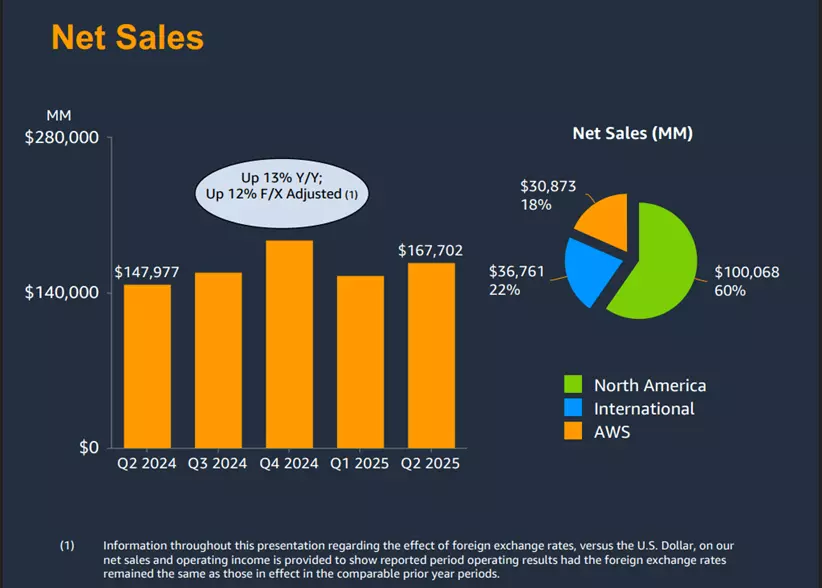
Complementing the earnings press release and the call itself, Amazon’s Investor Relations site often provides an “investor deck” or “supplemental slides.” These presentations offer a visual breakdown of financial results, often including detailed charts, segment data, and key performance indicators (KPIs) not fully elaborated upon in the press release. The investor deck is an invaluable resource for analysts to quickly grasp the granular details of the quarter’s performance and prepare for the Q&A segment.
Why Amazon’s Earnings Calls Matter to Investors and the Economy
The reverberations of Amazon’s earnings calls extend far beyond the company’s balance sheet. They serve as a critical barometer for various economic sectors and provide deep insights for a wide array of stakeholders.
Impact on Stock Price and Market Sentiment
The most immediate and visible impact of an Amazon earnings call is on its stock price. When results or guidance significantly beat or miss analyst expectations, Amazon’s share price can experience volatile swings in after-hours trading and the subsequent trading day. Given Amazon’s immense market capitalization, these movements can also influence broader market indices like the NASDAQ and S&P 500, affecting investor sentiment across the tech sector and beyond. Strong results can signal a healthy economic environment, while disappointing figures might suggest underlying weaknesses in consumer spending or enterprise IT budgets.

A Barometer for Consumer Spending and Cloud Computing Trends
Amazon’s diversified business provides unique insights into two critical segments of the modern economy:
- Retail as a Proxy for Consumer Health: As the dominant force in e-commerce, Amazon’s Online Stores, Third-Party Seller Services, and Subscription Services results offer a clear window into consumer spending patterns, discretionary income levels, and the overall health of the retail sector. Trends in Prime memberships, holiday sales, and international retail growth paint a comprehensive picture of global consumer behavior. High or low spending on Amazon often correlates with broader economic trends, making its earnings a bellwether for consumer confidence.
- AWS as a Bellwether for Enterprise IT Spending and Cloud Adoption: Amazon Web Services (AWS) is the world’s leading cloud computing platform. Its growth, profitability, and future guidance are highly scrutinized indicators of enterprise digital transformation, corporate IT budgets, and the pace of global cloud adoption. Strong AWS performance signals robust investment in digital infrastructure and innovation across industries, while a slowdown could indicate broader economic pressures on businesses.
Strategic Insights for Competitors and Businesses
Beyond investors, Amazon’s earnings calls are a masterclass for competitors, partners, and businesses operating within its orbit.
- Understanding Amazon’s Priorities: By listening to management’s commentary and observing investment patterns (e.g., CapEx), other companies can discern Amazon’s strategic focus – whether it’s expanding into new verticals (healthcare, groceries), intensifying efforts in existing segments (advertising, logistics), or dealing with specific challenges (inflation, regulatory scrutiny).
- Implications for Various Sectors: Retailers, logistics companies, digital advertisers, cloud providers, and even nascent industries where Amazon shows interest (e.g., satellite internet with Project Kuiper) closely analyze these calls. They offer insights into competitive dynamics, market opportunities, and potential disruptions. For example, a surge in Amazon’s advertising revenue might signal a tougher environment for other digital ad platforms, while AWS’s enterprise wins can shed light on the competitive landscape for Microsoft Azure and Google Cloud.
How to Prepare for and Analyze Amazon’s Earnings Call
Engaging with Amazon’s earnings call effectively requires more than just tuning in; it demands preparation, active listening, and thoughtful post-call analysis to extract maximum value.
Pre-Call Research and Expectations
Thorough preparation sets the stage for a productive earnings call experience:
- Reviewing Analyst Consensus Estimates: Before the call, Wall Street analysts publish their estimates for Amazon’s revenue, EPS, and segment-specific performance. Websites like Yahoo Finance, Google Finance, and various brokerage platforms aggregate these estimates. Understanding the consensus provides a benchmark against which to compare actual results and gauge the market’s initial reaction.
- Reading Previous Quarter’s Report and Transcript: Reacquaint yourself with Amazon’s performance and management’s commentary from the prior quarter. This context helps in identifying trends, understanding ongoing initiatives, and detecting shifts in strategy or challenges. Transcripts of previous calls are usually available on Amazon’s IR website.
- Understanding Macroeconomic Context: Consider the broader economic environment. Factors like inflation, interest rates, consumer confidence indices, and geopolitical events can significantly influence Amazon’s performance. Knowing the prevailing macroeconomic headwinds or tailwinds helps in interpreting the results. For example, high inflation might impact consumer spending on discretionary items, while a strong jobs market could boost Prime subscriptions.
During the Call: Active Listening and Note-Taking
Once the call begins, engage actively to capture key information:
- Focus on New Information and Unexpected Statements: While management will reiterate some points from the press release, pay close attention to any new details, qualitative insights, or subtle shifts in tone. Unexpected comments about competitive pressures, supply chain issues, or regulatory changes can be highly impactful.
- Pay Attention to Tone and Emphasis: Management’s demeanor can offer clues. Are they optimistic or cautious? Is there a sense of urgency around certain initiatives? The emphasis placed on specific segments or growth drivers can reveal strategic priorities.
- Note-Taking: Jot down key figures, growth rates, guidance numbers, and any significant qualitative statements. Organize your notes by segment or theme to facilitate later analysis. Pay particular attention during the Q&A session, as analysts often ask probing questions that can elicit more nuanced responses.
Post-Call Analysis and Interpretation
The work isn’t over when the call ends. Post-call analysis helps in integrating the new information into your investment thesis:
- Comparing Results to Expectations: Immediately compare Amazon’s reported numbers (revenue, EPS, segment performance, guidance) against the analyst consensus and your own expectations. Significant deviations are often the primary drivers of stock movement.
- Reading Analyst Reports: Shortly after the call, investment banks publish their updated research reports, providing detailed analysis, revised price targets, and changes to their recommendations. These reports can offer diverse perspectives and help validate or challenge your own conclusions.
- Updating Investment Thesis: Based on the new information, reassess your long-term investment thesis for Amazon. Has anything fundamentally changed about the company’s competitive advantage, growth prospects, or risk profile? Re-evaluate your valuation models and determine if any adjustments are needed.
- Accessing Transcripts and Webcasts for Review: If you missed anything or want to revisit specific sections, the full webcast replay and a transcript of the earnings call are typically available on Amazon’s Investor Relations website within a few hours or days. Reviewing these can help clarify details and ensure accurate interpretation.
Beyond the Numbers: Long-Term Investment Implications
While the immediate numbers and guidance drive short-term stock movements, true investors use earnings calls to build and refine their long-term perspective on Amazon’s trajectory and intrinsic value.
Growth Drivers and Future Outlook
Amazon’s growth story is multifaceted, and earnings calls frequently shed light on the progress and potential of its key drivers:
- Continued Expansion of AWS: The cloud segment remains a high-margin engine. Details on new services, customer wins, and geographical expansion indicate future growth potential.
- Evolution of Advertising Business: Amazon’s advertising segment has rapidly grown into a multi-billion-dollar business, challenging Google and Meta. Updates on ad load, targeting capabilities, and platform adoption are crucial.
- International Retail Growth: While North America is mature, international markets offer significant untapped potential. Commentary on investment, market penetration, and profitability in regions like India, Europe, or emerging markets provides long-term growth signals.
- New Ventures: Amazon is constantly innovating and venturing into new areas, from healthcare (One Medical, Amazon Pharmacy) to groceries (Whole Foods, Amazon Fresh) and even space (Project Kuiper). Earnings calls often provide initial glimpses or updates on the progress and financial impact of these nascent but potentially transformative businesses.
Competitive Landscape and Regulatory Headwinds
Management commentary also offers insights into how Amazon addresses its competitive environment and increasing regulatory scrutiny. Investors need to understand:
- Competitive Responses: How Amazon plans to counter rivals in e-commerce, cloud, and advertising.
- Regulatory Impact: Discussions around antitrust concerns, data privacy regulations, and labor laws can provide clues about potential future costs, operational changes, or market limitations that could affect Amazon’s growth and profitability. Long-term investors need to weigh these risks.
Valuation and Investment Decisions
Ultimately, Amazon’s earnings calls are instrumental in informing long-term valuation models. The data presented, combined with management’s qualitative insights, helps investors:
- Refine Financial Models: Update revenue projections, margin assumptions, and capital expenditure forecasts.
- Assess Growth Prospects: Re-evaluate the sustainable growth rate of Amazon’s various segments.
- Understand Risk Factors: Identify and quantify new or evolving risks to the business.
- Reinforce or Challenge Investment Theses: The information from an earnings call can either strengthen an investor’s conviction in Amazon as a long-term holding or prompt a re-evaluation of their investment thesis, potentially leading to adjustments in portfolio allocation.
In conclusion, knowing “when is Amazon’s earnings call” is merely the first step. The true value lies in a meticulous approach to preparing for, actively engaging with, and thoroughly analyzing the information presented. These quarterly financial updates are not just dates on a calendar; they are indispensable deep dives into the operational mechanics, strategic direction, and financial health of one of the world’s most dynamic companies, serving as a critical tool for informed decision-making within the realm of finance and investing.
aViewFromTheCave is a participant in the Amazon Services LLC Associates Program, an affiliate advertising program designed to provide a means for sites to earn advertising fees by advertising and linking to Amazon.com. Amazon, the Amazon logo, AmazonSupply, and the AmazonSupply logo are trademarks of Amazon.com, Inc. or its affiliates. As an Amazon Associate we earn affiliate commissions from qualifying purchases.