
Understanding the precise number of outstanding shares a company like Apple possesses is a cornerstone of informed investing and financial analysis. It’s a metric that influences everything from market capitalization to per-share earnings, directly impacting how investors perceive the company’s value and performance. For a titan like Apple, known for its immense market valuation and robust capital management strategies, this figure is not static but a dynamically managed component of its financial architecture.
Understanding Apple’s Share Structure
At its core, a company’s share structure provides a blueprint of its ownership. For investors, grasping the nuances of outstanding shares is paramount to making sound financial decisions.
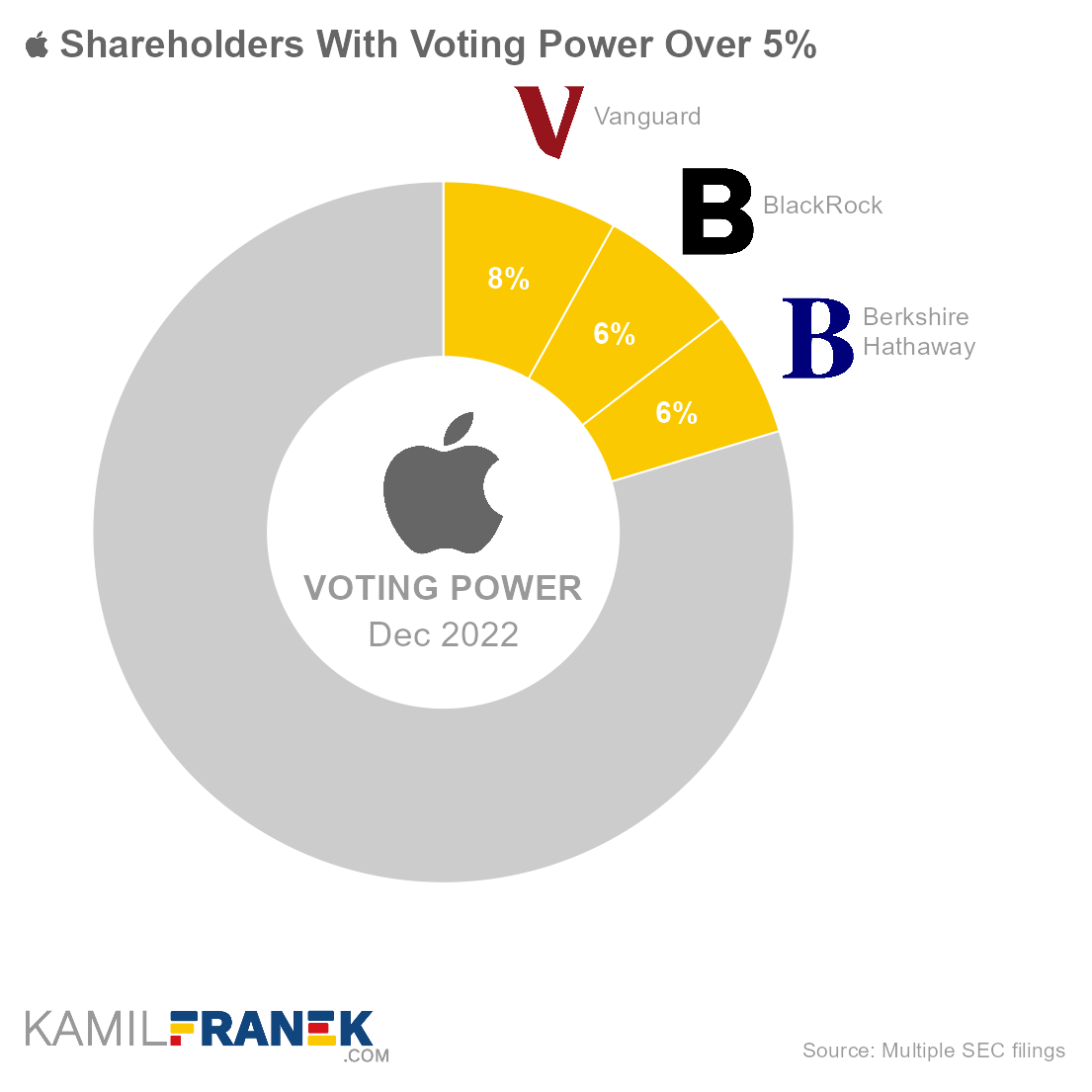
What Are Outstanding Shares?
Outstanding shares represent all the shares of a company’s stock that are currently held by all its shareholders, including institutional investors, individual investors, and company insiders. This figure is distinct from “authorized shares” (the maximum number of shares a company is legally permitted to issue) and “issued shares” (the total number of shares that have ever been distributed to shareholders, including those held as treasury stock). Outstanding shares are those that are actively trading in the open market and, importantly, carry voting rights.
The total number of outstanding shares is a critical input for several key financial calculations. For instance, it is used to determine a company’s market capitalization, which is simply the current share price multiplied by the number of outstanding shares. It also forms the denominator for calculating per-share metrics such as Earnings Per Share (EPS), Cash Flow Per Share, and Dividends Per Share. Therefore, a fluctuation in the outstanding share count can have a direct and measurable impact on these per-share figures, even if the company’s total earnings remain constant.
Why Outstanding Shares Matter to Investors
For an investor, the number of outstanding shares is far more than just a numerical curiosity; it’s a vital indicator with profound implications for valuation and investment strategy.
Firstly, outstanding shares directly influence a company’s market capitalization. A higher share count, assuming a stable stock price, translates to a larger market cap, often indicating a larger, more established company. Conversely, a shrinking share count (due to buybacks, for example) can, all else being equal, lead to a lower market cap if the stock price doesn’t compensate, or it can boost per-share metrics if the stock price does maintain or increase, making the company appear more efficient on a per-share basis.
Secondly, and crucially, the outstanding share count impacts per-share metrics like Earnings Per Share (EPS). When a company reduces its outstanding shares through buybacks, its total earnings are divided among fewer shares, thereby increasing EPS. This enhancement in EPS can make the company appear more profitable and attractive to investors, potentially driving up its stock price. Conversely, issuing new shares (e.g., for acquisitions or to raise capital) dilutes existing shareholders’ ownership and can decrease EPS, often viewed negatively by the market.
Lastly, for activist investors or those concerned with corporate governance, the number of outstanding shares determines the proportion of ownership and voting power required to influence company decisions. A smaller share count might mean a larger percentage of ownership for a given investment, granting more influence.
Apple’s Dynamic Share Count: A Historical Perspective
Apple’s journey as a publicly traded company has been marked by significant strategic financial maneuvers that have directly impacted its outstanding share count. From proactive stock splits to one of the most aggressive share buyback programs in corporate history, Apple’s management of its share structure provides a fascinating case study in capital allocation.
The Impact of Stock Splits
Stock splits are corporate actions that increase the number of a company’s shares by dividing each existing share into multiple shares. While a stock split increases the total number of outstanding shares, it simultaneously reduces the price per share by a proportional amount, leaving the overall market capitalization unchanged. Apple has executed several stock splits throughout its history, most notably a 7-for-1 split in June 2014 and a 4-for-1 split in August 2020.
The primary motivations behind stock splits are typically to make shares more accessible to a broader range of individual investors by lowering the per-share price and to increase liquidity. For Apple, these splits were strategic moves to maintain broad appeal, ensuring that its stock remained within a comfortable trading range for retail investors, thereby encouraging wider participation and potentially fostering greater demand for its shares. It’s important for investors to understand that a stock split does not inherently change the underlying value of their investment or the company itself; it merely reconfigures the stock into smaller, more numerous pieces.
Aggressive Share Buyback Programs
Perhaps the most significant factor influencing Apple’s outstanding share count in recent decades has been its extraordinarily aggressive and consistent share repurchase program. Beginning in 2012, Apple embarked on a multi-year, multi-billion dollar initiative to return capital to shareholders, primarily through share buybacks. Year after year, the company has authorized tens of billions of dollars for repurchases, consistently reducing its outstanding share count.
The rationale behind such a massive buyback program is multifaceted. Firstly, it’s a direct way to return capital to shareholders, particularly for a company generating substantial free cash flow that may not have immediate, high-return internal investment opportunities. Secondly, by reducing the number of outstanding shares, Apple effectively boosts its Earnings Per Share (EPS), as its net income is divided among fewer shares. This can make the stock appear more attractive on a valuation basis. Thirdly, share buybacks can signal management’s confidence that the company’s stock is undervalued. By purchasing shares on the open market, Apple essentially invests in itself, suggesting that management believes its own stock is a better investment than alternative uses of capital. For investors, this consistent reduction in share count has been a significant driver of shareholder value, complementing its robust dividend program.
Current Snapshot and Implications for Investors
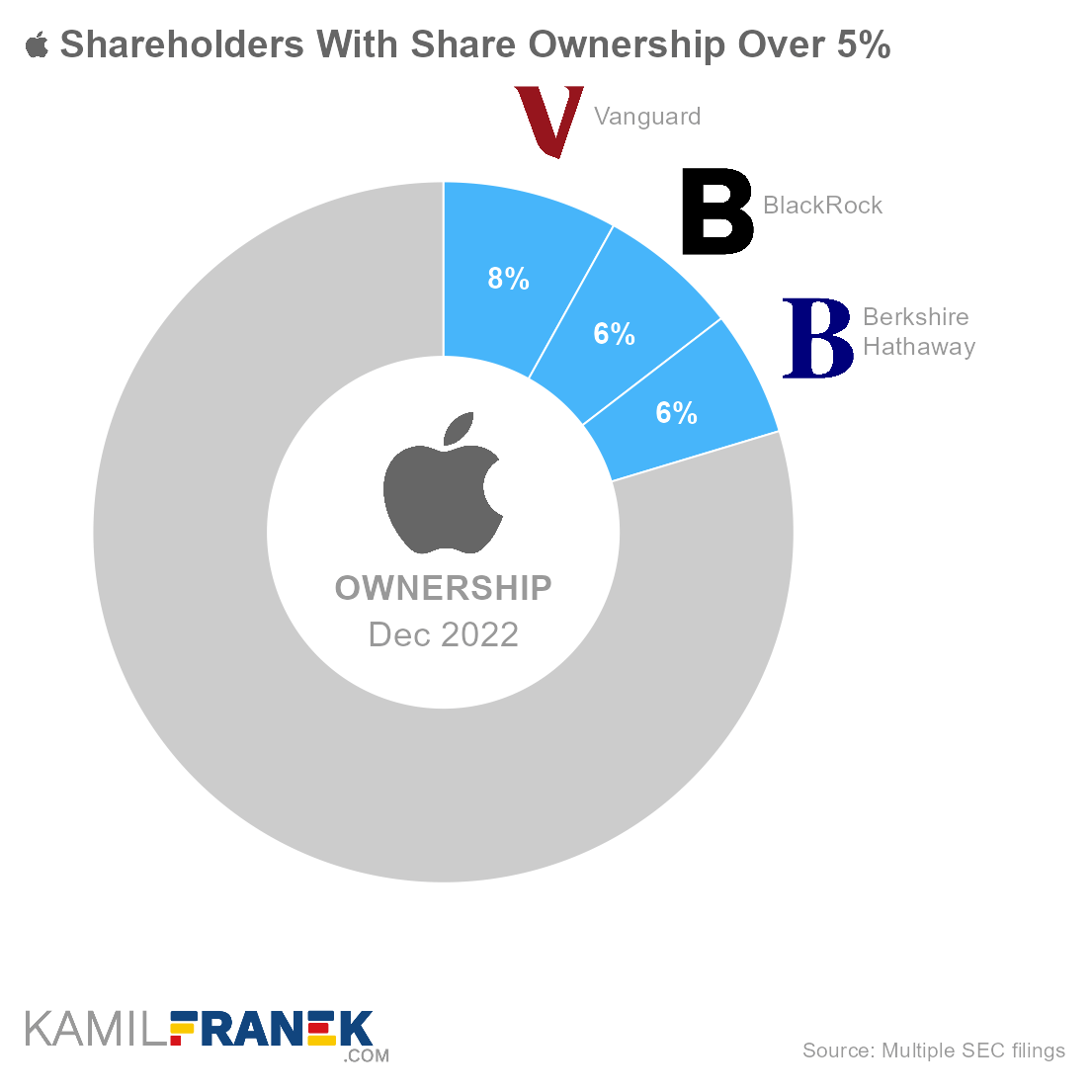
Given Apple’s dynamic approach to its share structure, the exact number of outstanding shares is not a fixed figure. It changes regularly dueating to ongoing share buybacks and potential employee stock option exercises. For investors, knowing where to find the most current data and understanding how to interpret it is crucial.
Locating the Latest Data
The most accurate and up-to-date information regarding Apple’s outstanding shares can always be found in its official regulatory filings with the U.S. Securities and Exchange Commission (SEC). Specifically, investors should consult:
- Form 10-K: The annual report, which provides a comprehensive overview of the company’s financial performance and outstanding shares at the end of its fiscal year.
- Form 10-Q: Quarterly reports, which update the outstanding share count for the respective fiscal quarter.
- Form 8-K: Current reports filed to announce significant events, which may sometimes include updates related to share issuance or buybacks if material.
These documents are publicly available on the SEC’s EDGAR database and Apple’s investor relations website. Additionally, reputable financial data providers like Bloomberg, Refinitiv Eikon, Yahoo Finance, Google Finance, and numerous brokerage platforms also report Apple’s outstanding share count, often updated frequently. However, always cross-reference with official SEC filings for the definitive figure, especially when performing detailed analysis. It’s important to note that the reported number might sometimes refer to “basic” or “diluted” outstanding shares, where diluted shares include the potential conversion of all convertible securities, stock options, and warrants into common stock. Investors typically focus on diluted outstanding shares for a more conservative view of potential shareholder dilution.
Analyzing Market Capitalization and EPS
Once the current outstanding share count is obtained, investors can leverage this data for critical financial analysis.
- Market Capitalization: This is calculated by multiplying the current stock price by the number of outstanding shares. For Apple, this figure consistently places it among the largest companies globally, often contending for the world’s most valuable company. Understanding its market cap provides context for its size, influence, and investment profile. A multi-trillion-dollar market cap indicates a mature, highly successful enterprise with significant financial resources.
- Earnings Per Share (EPS): This crucial profitability metric is calculated by dividing the company’s net income by its outstanding shares. As previously discussed, Apple’s aggressive share buybacks have had a material impact on its EPS. By reducing the denominator in the EPS calculation, Apple has effectively amplified its per-share earnings growth. For investors, a consistently growing EPS, partly driven by share reductions, can signal a financially sound company that is efficiently returning value to its shareholders. However, it’s vital to analyze whether EPS growth is purely buyback-driven or also supported by strong underlying revenue and net income growth to get a complete picture of operational performance.
The Strategic Rationale Behind Share Management
Apple’s approach to its outstanding shares is not accidental; it’s a meticulously planned component of its overarching financial strategy. These decisions reflect management’s confidence in the company’s future and its commitment to shareholder returns.
Enhancing Shareholder Value
Share repurchases are a powerful mechanism for enhancing shareholder value. For Apple, with its consistent generation of enormous free cash flow, buybacks serve as a highly effective means of returning capital to investors when direct internal reinvestment opportunities might yield lower returns. When Apple buys back its shares, it reduces the total number of shares in the market, effectively increasing each remaining share’s proportional ownership of the company’s future earnings and assets. This can lead to an increase in share price, as fewer shares chase the same (or growing) earnings.
Furthermore, share repurchases can be more tax-efficient for shareholders than dividends, depending on individual tax circumstances. While dividends are taxed as income upon receipt, the capital gains realized from a higher stock price (partially due to buybacks) are only taxed when the shares are sold. This distinction makes buybacks an attractive alternative for long-term investors.
Capital Allocation Decisions
Managing outstanding shares is an integral part of Apple’s broader capital allocation strategy. Companies like Apple, operating with substantial cash reserves, continually evaluate how to deploy their capital most effectively. This includes investments in research and development (R&D), capital expenditures (CAPEX) for new facilities and infrastructure, mergers and acquisitions (M&A), dividend payments, and share repurchases.
For Apple, the consistent preference for significant buybacks underscores its assessment that repurchasing its own stock often represents a compelling investment opportunity. It reflects a belief that the company’s shares are trading at an attractive valuation, or that it is the most efficient way to deploy excess capital to benefit shareholders directly. This strategic decision-making around capital allocation is a key area that sophisticated investors scrutinize, as it provides insights into management’s priorities and long-term vision for the company’s financial health and growth trajectory.
Future Outlook and Investor Considerations
Apple’s history of robust capital management offers a strong indication of its future trajectory regarding outstanding shares. Investors must remain attuned to these trends and their potential implications.
Potential for Future Buybacks and Dividends
Given Apple’s sustained profitability and massive cash generation capabilities, it is highly probable that the company will continue its dual strategy of share buybacks and dividend payments. The scale and consistency of its repurchase program suggest a long-term commitment to reducing its share count and boosting per-share metrics. While the magnitude of future authorizations may vary based on market conditions, cash flow, and other strategic initiatives, the underlying philosophy of returning capital to shareholders through these mechanisms is deeply ingrained in Apple’s financial playbook. Investors should monitor Apple’s quarterly earnings calls and annual shareholder meetings for announcements regarding new capital allocation authorizations and dividend adjustments. These communications often provide forward-looking insights into the company’s plans for its outstanding shares.
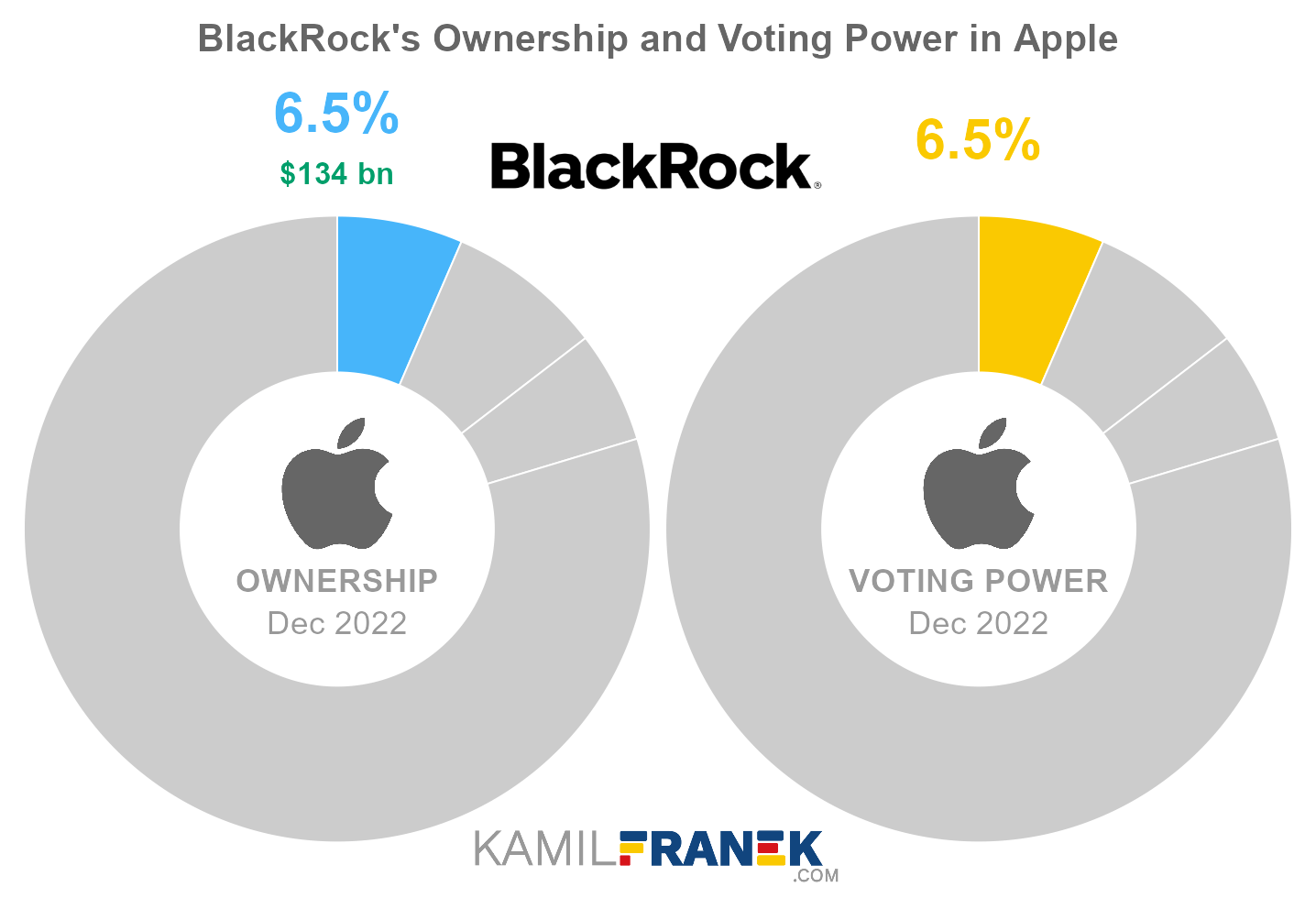
The Long-Term Investor’s View
For the long-term investor, understanding Apple’s outstanding share count is more than just tracking a number; it’s about appreciating the company’s financial discipline and its commitment to shareholder value. A declining share count, driven by strategic buybacks, can be a powerful tailwind for earnings growth, even when revenue growth may moderate for a mature company. It reflects a management team that is focused on capital efficiency and optimizing returns for its equity holders.
However, investors should also consider the broader context. While buybacks can inflate EPS, sustainable long-term value creation ultimately stems from innovation, market leadership, and robust revenue growth. Therefore, while monitoring the outstanding share count and its impact on per-share metrics is crucial, it should always be considered alongside other fundamental financial indicators such as revenue growth, profit margins, free cash flow generation, and return on invested capital. A holistic financial analysis, incorporating the dynamics of outstanding shares, provides the most comprehensive and insightful basis for investment decisions concerning a company of Apple’s stature.
aViewFromTheCave is a participant in the Amazon Services LLC Associates Program, an affiliate advertising program designed to provide a means for sites to earn advertising fees by advertising and linking to Amazon.com. Amazon, the Amazon logo, AmazonSupply, and the AmazonSupply logo are trademarks of Amazon.com, Inc. or its affiliates. As an Amazon Associate we earn affiliate commissions from qualifying purchases.