
In an increasingly cashless society, navigating the myriad of financial tools available can feel overwhelming. Among the most accessible and versatile options for managing day-to-day spending is the prepaid debit card. Unlike traditional bank-issued debit cards tied to a checking account or credit cards that rely on a line of credit, a prepaid debit card operates on funds you load onto it in advance. It offers a secure, convenient, and often indispensable solution for budgeting, online purchases, and managing finances without the need for a bank account or a credit check. If you’re asking “where do I get a prepaid debit card,” you’re seeking a practical pathway to greater financial control and convenience. This comprehensive guide will illuminate the various avenues to acquire a prepaid debit card, detail the application process, and provide crucial insights for choosing the card that best fits your financial needs.
Understanding Prepaid Debit Cards: A Primer on Financial Flexibility
Before embarking on the quest to obtain one, it’s essential to grasp what a prepaid debit card truly is, how it functions, and the distinct advantages it offers within the landscape of personal finance. Understanding this foundation empowers you to make an informed decision, ensuring the card you select aligns perfectly with your financial objectives.
What Exactly is a Prepaid Debit Card?
At its core, a prepaid debit card is a reloadable payment card that allows you to spend only the money you have loaded onto it. It functions similarly to a gift card, but with the added flexibility of being able to reload funds multiple times. These cards are typically branded by major payment networks like Visa, MasterCard, Discover, or American Express, granting them widespread acceptance both online and at brick-and-mortar merchants globally. Because you pre-fund the card, there’s no risk of overdrafts or accruing debt, making it a powerful tool for budget management and expenditure control.
Key Benefits and Drawbacks
The allure of prepaid debit cards stems from their numerous benefits, particularly for specific demographics. Firstly, they require no credit check, making them ideal for individuals with no credit history, poor credit, or those who prefer not to use traditional banking services. They offer a secure alternative to carrying cash, protecting your funds with PIN-based security and often zero-liability policies against unauthorized transactions. For budgeting, a prepaid card can be invaluable: load a specific amount for groceries, entertainment, or travel, and once the funds are depleted, you stop spending. They are also excellent for online shopping, providing an additional layer of security by not linking directly to your primary bank account.
However, it’s equally important to acknowledge their limitations. Prepaid cards typically do not help build credit history, as they are not credit products. They can also come with a variety of fees – including activation fees, monthly maintenance fees, transaction fees, ATM withdrawal fees, and reload fees – which can quickly erode your balance if not carefully managed. Unlike traditional checking accounts, they might offer fewer features like interest accrual or comprehensive bill-pay services. Understanding this balance of pros and cons is paramount to leveraging a prepaid card effectively within your financial strategy.
Who Can Benefit from a Prepaid Debit Card?
Prepaid debit cards cater to a diverse range of individuals and scenarios. They are an excellent solution for the “unbanked” or “underbanked” population who may not qualify for or desire a traditional checking account. Parents often use them to teach teenagers financial responsibility, providing them with a safe and controlled way to spend. Travelers find them convenient for managing expenses abroad without exposing their primary bank accounts to risk. Individuals committed to strict budgeting can use prepaid cards to segment their spending, preventing overspending in specific categories. Furthermore, they can serve as a secure means to receive payroll or government benefits via direct deposit, bypassing check-cashing fees.
Navigating the Market: Common Sources for Prepaid Debit Cards
Once you’ve determined that a prepaid debit card is the right financial tool for you, the next step is identifying where to acquire one. The market is saturated with options, ranging from familiar retail environments to dedicated online financial platforms. Each source offers distinct advantages in terms of accessibility, features, and associated costs.
Retail Stores and General Merchandise Outlets
One of the most convenient and immediate ways to get a prepaid debit card is by visiting major retail stores. Chains like Walmart, Target, CVS, Walgreens, and various grocery stores and pharmacies typically carry a selection of branded prepaid cards. These cards are usually available on display racks near the gift card section or at customer service desks. The advantage here is immediate access: you can purchase a card off the shelf, load funds onto it at the register, and activate it often within minutes. This option is particularly appealing for those seeking a quick solution without needing to wait for a card to be mailed. While convenient, the selection might be limited, and specific card features or fee structures should still be reviewed carefully before purchase.
Banks and Credit Unions
Many traditional banks and credit unions also offer their own branded prepaid debit cards. While some might require you to have an existing account with them, others offer standalone prepaid options. Obtaining a card through a financial institution often comes with the benefit of greater trust, established customer service infrastructure, and potentially more robust features or lower fees compared to some retail-only cards. These cards might also integrate more seamlessly with existing banking services, such as online banking portals for managing funds and transactions. If you already have a relationship with a bank or credit union, inquiring about their prepaid card offerings can be a logical first step.
Online Providers and FinTech Companies
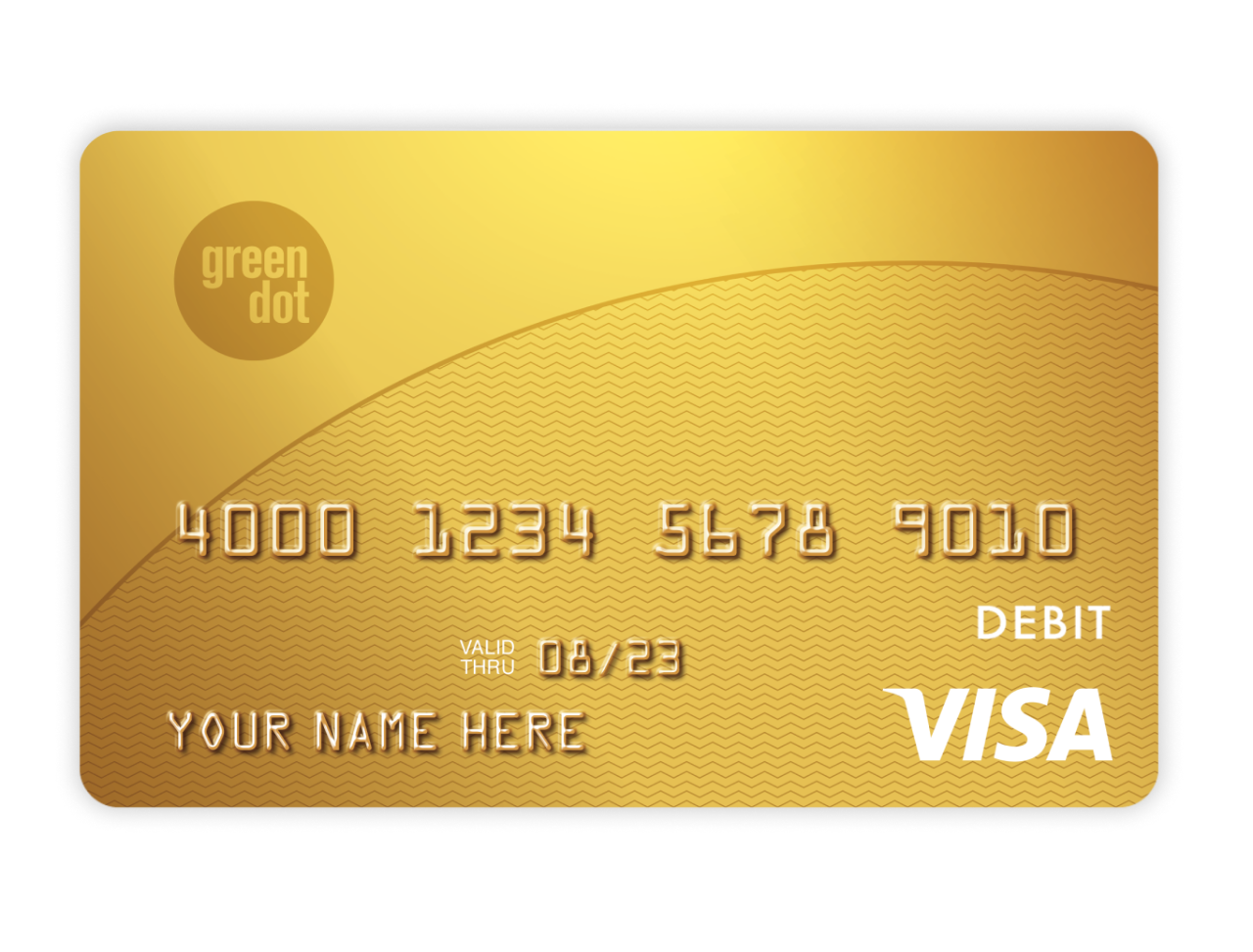
The digital age has brought forth a plethora of online providers and FinTech (financial technology) companies specializing in prepaid debit cards. Companies like Netspend, Green Dot (which also partners with retailers), Chime (which offers a spending account with a debit card), and numerous others operate primarily online. Applying for these cards is typically done through their websites or mobile apps, allowing for a broader selection of cards with varying features, fee structures, and benefits. Many online providers emphasize digital convenience, offering advanced mobile apps, direct deposit capabilities, and sometimes even high-yield savings features or budgeting tools. While you’ll need to wait for the card to be mailed to you, the sheer variety and often competitive terms make online providers a compelling option for those willing to research and wait a few business days.
Payroll and Government Benefit Programs
In specific contexts, prepaid debit cards are distributed as part of payroll or government benefit programs. Employers sometimes issue prepaid cards to employees who prefer not to use direct deposit to a traditional bank account or who don’t have one. Similarly, government agencies may issue benefits (such as unemployment or Social Security payments) directly onto prepaid cards, especially for recipients without bank accounts. These cards are often tailored to the specific program and may have different fee structures or features than consumer-purchased cards. If you are receiving wages or benefits, inquire if a prepaid card is an option for disbursement.
The Application Process: What You Need to Know
Once you’ve identified a potential source for your prepaid debit card, understanding the acquisition and activation process is critical. While generally straightforward, there are specific requirements and steps involved to ensure a smooth setup and compliant use of your new financial tool.
Required Documentation
Due to federal regulations aimed at preventing money laundering and terrorist financing (namely the USA PATRIOT Act), all reloadable prepaid debit cards require identity verification. This means you’ll typically need to provide personal information such as your full legal name, physical address, date of birth, and Social Security number (SSN) or another taxpayer identification number. Even if you purchase a card anonymously at a retail store, you’ll need to register it online or by phone with your personal details before you can fully activate and reload it. Non-reloadable gift cards do not require this, but they also lack the ongoing utility of a prepaid debit card. Having your government-issued ID and proof of address handy will expedite the registration process.
Understanding Activation and Loading Procedures
After acquiring the card, the next step is activation. For cards purchased in retail stores, this often involves a quick phone call to an automated service or an online registration process where you input the card number and your personal details. Cards obtained through online providers or financial institutions are often pre-activated upon receipt or require a simple online login to set up your account.
Loading funds onto your prepaid card is the crucial step that makes it usable. Initial loading can often be done at the point of purchase in a retail store. Subsequent reloads offer various options:
- Cash Loads: At participating retail locations (e.g., Walmart, CVS, 7-Eleven) using services like Green Dot MoneyPak or Visa ReadyLink. These often incur a small fee.
- Direct Deposit: Many prepaid cards allow you to set up direct deposit for your paycheck or government benefits, which is usually free.
- Bank Transfers: Some cards allow you to transfer funds from an existing bank account, typically through an online portal or mobile app.
- Mobile Check Deposit: A growing number of prepaid card providers offer mobile check deposit via their apps, similar to traditional banking apps.
Reviewing Fees and Terms
This is perhaps the most critical aspect of choosing and using a prepaid debit card effectively. Unlike traditional bank accounts that might offer free services, prepaid cards often come with a distinct fee structure. You must meticulously review the cardholder agreement before committing. Look out for:
- Activation Fee: A one-time fee to set up the card.
- Monthly Maintenance Fee: A recurring charge, though some cards waive this with direct deposit or minimum balances.
- Transaction Fees: Charges for specific purchases, especially non-PIN debit transactions (less common now).
- ATM Withdrawal Fees: Charges for taking cash out, both from the card issuer and the ATM owner.
- Reload Fees: Fees for adding more money to the card, varying by method.
- Inactivity Fees: Charges for not using the card for a certain period.
- Foreign Transaction Fees: Fees for purchases made internationally.
A thorough understanding of these potential costs is vital to avoid unexpected deductions and ensure the card remains a cost-effective financial tool for your needs.
Making the Right Choice: Factors to Consider Before Committing
With numerous prepaid debit card options available, making an informed decision requires careful consideration of several key factors beyond just where to acquire the card. Prioritizing what matters most to your financial habits and security will guide you toward the most suitable choice.
Fee Structure: The Ultimate Deciding Factor
As previously emphasized, fees can significantly impact the overall value of a prepaid debit card. It’s not enough to just skim the surface; you need to perform a detailed comparison.
- Prioritize cards with transparent and minimal fees. Some cards offer no monthly fee if you meet certain criteria, such as direct depositing a minimum amount each month.
- Assess reload fees against your typical reloading method. If you plan frequent cash loads, choose a card with low or no associated fees for that service.
- Consider ATM withdrawal fees. If you frequently need cash, find a card with a broad network of fee-free ATMs or one that reimburses ATM charges.
- Look out for hidden or less obvious fees, such as those for balance inquiries, customer service calls, or foreign transactions if you travel frequently. A card that seems cheap upfront might become expensive with regular use if its fee structure doesn’t align with your habits.
Features and Services
Beyond basic spending, many prepaid debit cards offer a range of features that can enhance their utility and convenience:
- Online Bill Pay: The ability to pay bills directly from your card’s account can simplify financial management.
- Mobile App: A robust and user-friendly mobile app allows for easy balance checks, transaction monitoring, and sometimes even mobile check deposit or fund transfers.
- Direct Deposit: Essential for many users, ensuring swift access to paychecks or benefits.
- FDIC Insurance: This is crucial. Ensure your funds are insured by the Federal Deposit Insurance Corporation (FDIC) through a partner bank, protecting your money up to $250,000 in case the card issuer fails.
- Budgeting Tools: Some cards integrate tools to help you track spending or set financial goals.
- Rewards Programs: A select few prepaid cards offer cashback or other rewards, though these are less common than with credit cards.
Evaluate which of these features are essential for your daily financial management and choose a card that provides them without excessive additional costs.
Customer Support and Accessibility
The reliability of customer support can be a significant factor, especially when dealing with financial matters. Before choosing a card, investigate the provider’s customer service reputation.
- Availability: Is support available 24/7 or only during limited hours?
- Channels: Can you reach them via phone, email, live chat, or a robust online FAQ?
- Language Options: Is support available in languages other than English if needed?
- Dispute Resolution: Understand the process for disputing unauthorized transactions or resolving other issues. A responsive and helpful customer service team can alleviate stress and quickly resolve problems, making your financial life smoother.
Security and Protections
While prepaid cards offer inherent security advantages over cash, it’s vital to choose a card with robust protections.
- EMV Chip: Ensure the card has an EMV chip for enhanced security against fraud during in-person transactions.
- PIN Protection: Using a PIN for transactions adds a layer of security.
- Zero Liability Policy: Most major payment networks (Visa, MasterCard) offer zero liability protection, meaning you won’t be held responsible for unauthorized transactions if your card is lost or stolen and reported promptly. Confirm that your chosen card offers this.
- Online Account Monitoring: The ability to regularly check your transaction history online or via a mobile app helps you spot and report suspicious activity quickly. Prioritizing these security features helps safeguard your funds and provides peace of mind.
Maximizing the Value of Your Prepaid Debit Card
Acquiring a prepaid debit card is just the first step; unlocking its full potential lies in how you integrate it into your financial habits. By adopting smart strategies for budgeting, reloading, and security, you can transform a simple payment tool into a powerful asset for personal financial management.
Budgeting and Financial Management
One of the most compelling reasons to use a prepaid debit card is its inherent capability as a budgeting tool.
- Categorized Spending: Dedicate specific cards or specific loads on one card for different spending categories. For instance, load your monthly grocery budget onto a prepaid card, and when the funds are exhausted, you know to stop spending on groceries until the next budget cycle.
- Spending Limits: Use a prepaid card to set hard spending limits. This is particularly useful for discretionary spending like entertainment or dining out, preventing impulse purchases from derailing your financial goals.
- Track Transactions: Leverage the online portal or mobile app provided by your card issuer to regularly review your transaction history. This allows you to monitor where your money is going, identify unnecessary expenses, and refine your budget over time.
Reloading Strategies
Optimizing your reloading methods can significantly reduce costs and enhance convenience.
- Direct Deposit First: Whenever possible, opt for direct deposit for paychecks or government benefits. This is almost universally the cheapest (often free) and most convenient way to add substantial funds to your card regularly.
- Cost-Effective Cash Loads: If cash loads are necessary, research participating retailers and choose locations that offer the lowest reload fees for your specific card. Some cards might have exclusive partnerships that offer cheaper or free reloads at certain stores.
- Avoid Excessive Small Loads: Consolidate your reloads to fewer, larger amounts if possible, especially if reload fees are per transaction. This minimizes the total fees paid over time.
Protecting Your Funds
Ensuring the security of your prepaid debit card is paramount to protecting your loaded funds.
- Treat It Like Cash: Once loaded, the money on a prepaid card is essentially cash. If the card is lost or stolen, report it immediately to the issuer to initiate a lock on the card and potentially recover funds, especially if it offers zero liability protection.
- Use Strong PINs: Choose a PIN that is difficult to guess and avoid writing it down. Memorize it.
- Be Wary of Scams: Be cautious of phishing attempts or requests for your card number from unverified sources. Prepaid cards are a common target for scammers due to their ease of access and the direct nature of the funds.
- Regular Monitoring: Periodically check your card balance and transaction history. This proactive approach helps you quickly identify and report any unauthorized activity, mitigating potential losses.
By thoughtfully acquiring, managing, and securing your prepaid debit card, you can harness its power as an effective and accessible financial tool, empowering you to navigate your personal finances with greater control and confidence.
aViewFromTheCave is a participant in the Amazon Services LLC Associates Program, an affiliate advertising program designed to provide a means for sites to earn advertising fees by advertising and linking to Amazon.com. Amazon, the Amazon logo, AmazonSupply, and the AmazonSupply logo are trademarks of Amazon.com, Inc. or its affiliates. As an Amazon Associate we earn affiliate commissions from qualifying purchases.